Market veterans including David Roche warn investors may be underpricing the long-term fallout of the Middle East energy crisis. While AI spending and US resilience support bullish views, declining oil reserves and tighter supplies raise the odds of shortages, higher logistics costs, and insurance blowouts. Those pressures could translate into a sharp global GDP contraction.
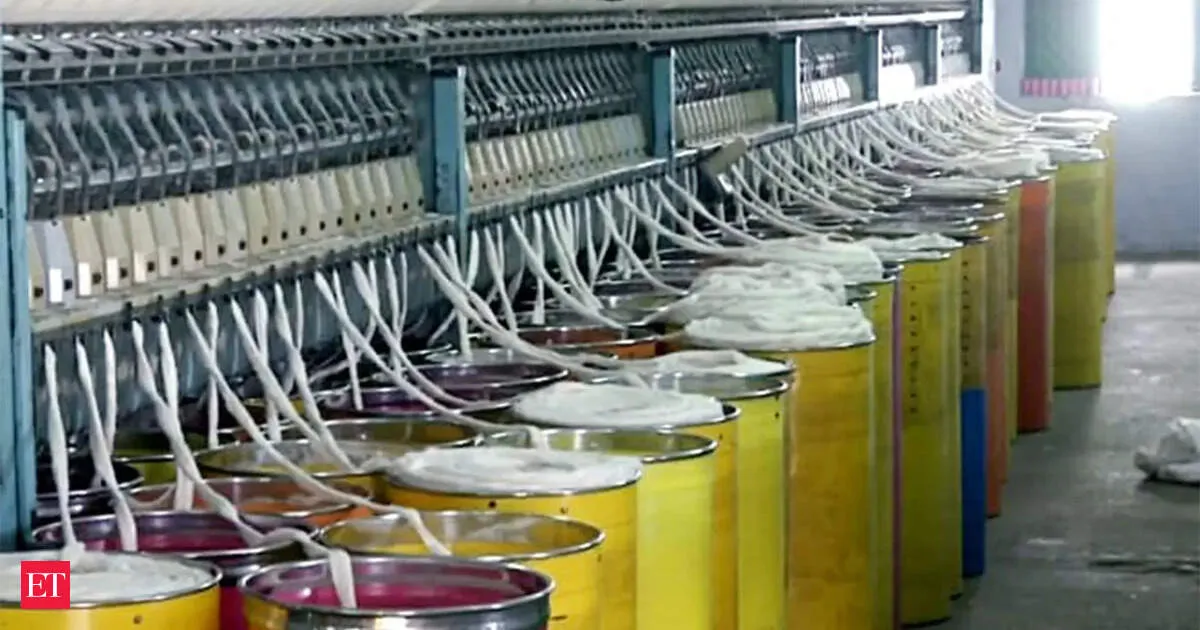
India’s textile production fell sharply in March, with readymade garments and cotton goods hit hardest. Higher prices for raw materials, packaging and chemicals squeezed manufacturers’ margins, while Iran-war related disruptions disrupted shipments and pushed freight costs up. The combined cost shock is forcing firms to scale back output, raising concerns about how long demand and profitability can hold.
Your news, in seconds
Get the Beige app — every story in 60 words, updated hourly. Free on iOS & Android.
Unilever says it will freeze new hiring after higher shipping costs tied to the Iran war squeeze margins. The cost pressure is also prompting workforce reductions and changes to bonus structures, signaling a broader push to protect profitability amid ongoing disruption in global trade routes.
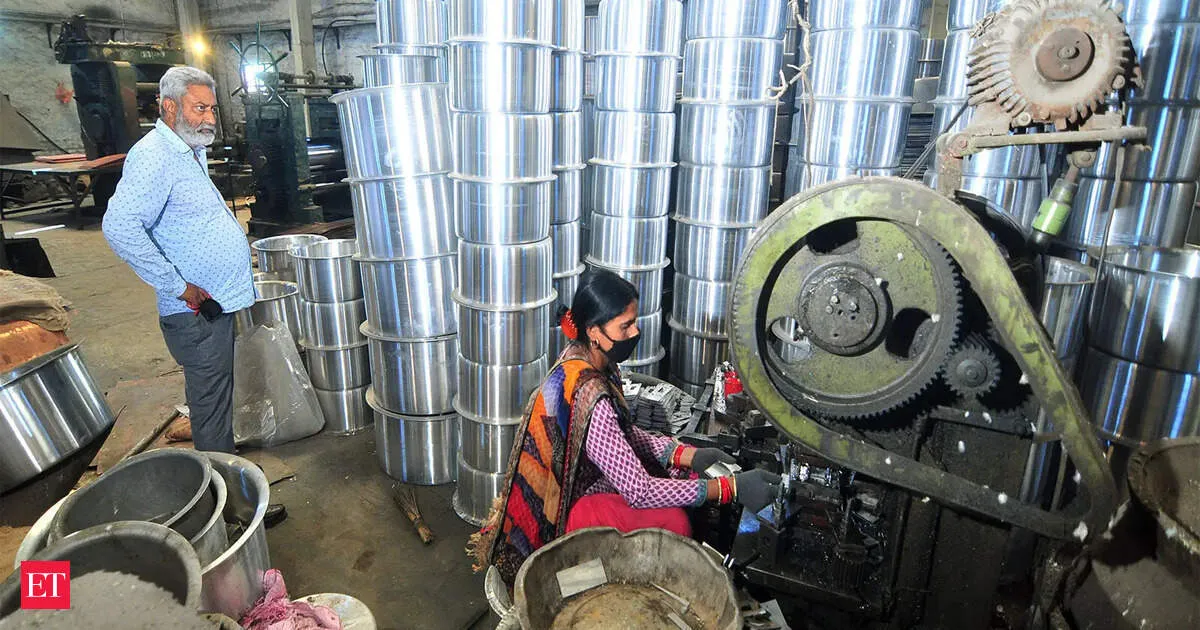
India’s MSME manufacturing sector expanded in the Jan–March period, but growth cooled as the West Asia crisis disrupted trade. Longer shipping times and higher costs affected momentum even as new orders and production rose. Hiring stayed largely steady, and businesses expect the next quarter to remain positive but cautious, hinging on timely policy support for sustained growth.
Swipe through stories, personalise your feed, and save articles for later — all on the app.