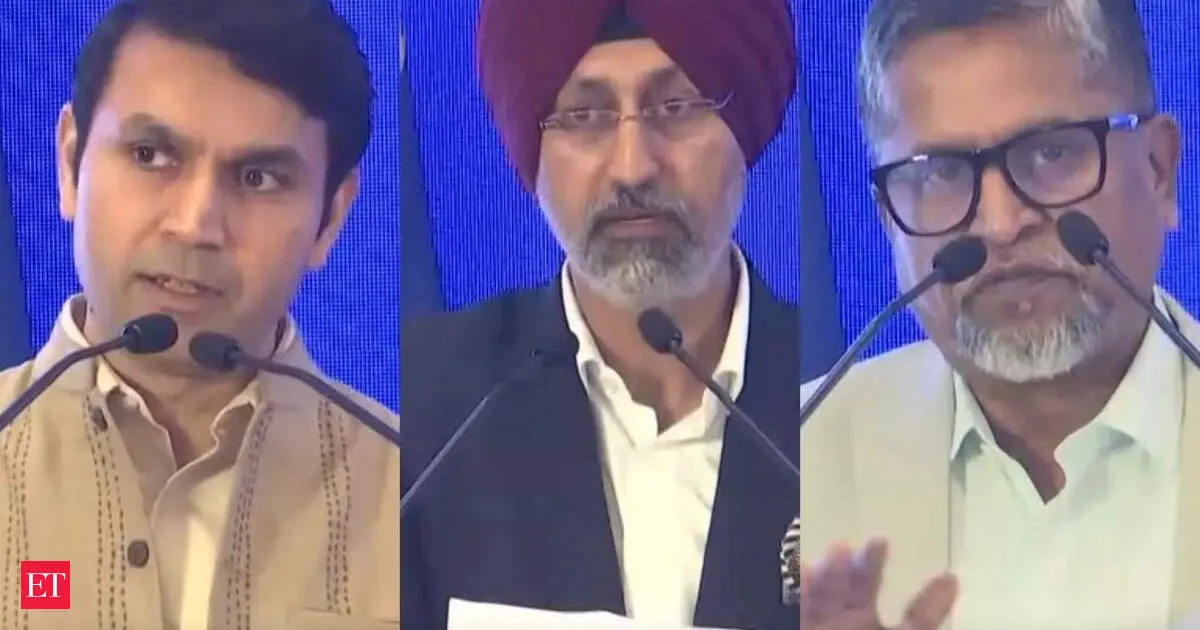
India’s Commerce Ministry says the India-EU Free Trade Agreement will cover nearly one-third of global trade and potentially affect about 2 billion people, calling it one of the biggest deals ever. Officials describe it as “mother of all deals,” reaching almost one fourth of global GDP and around $11 trillion in trade. The pact goes beyond tariffs, including services, digital trade, telecom, financial services, IP and regulatory practices. Businesses also flagged automotive tariff reductions and asked for clear rollout timelines.
India’s USD190-billion services trade surplus—its key cushion against a goods deficit—is facing disruption as AI reshapes how work is priced and delivered. With IT firms leaning into automation and GCC-led services rising, India must accelerate upgrading beyond labor-arbitrage to higher-value capabilities, or risk slower export growth and a weaker external buffer.
Your news, in seconds
Get the Beige app — every story in 60 words, updated hourly. Free on iOS & Android.
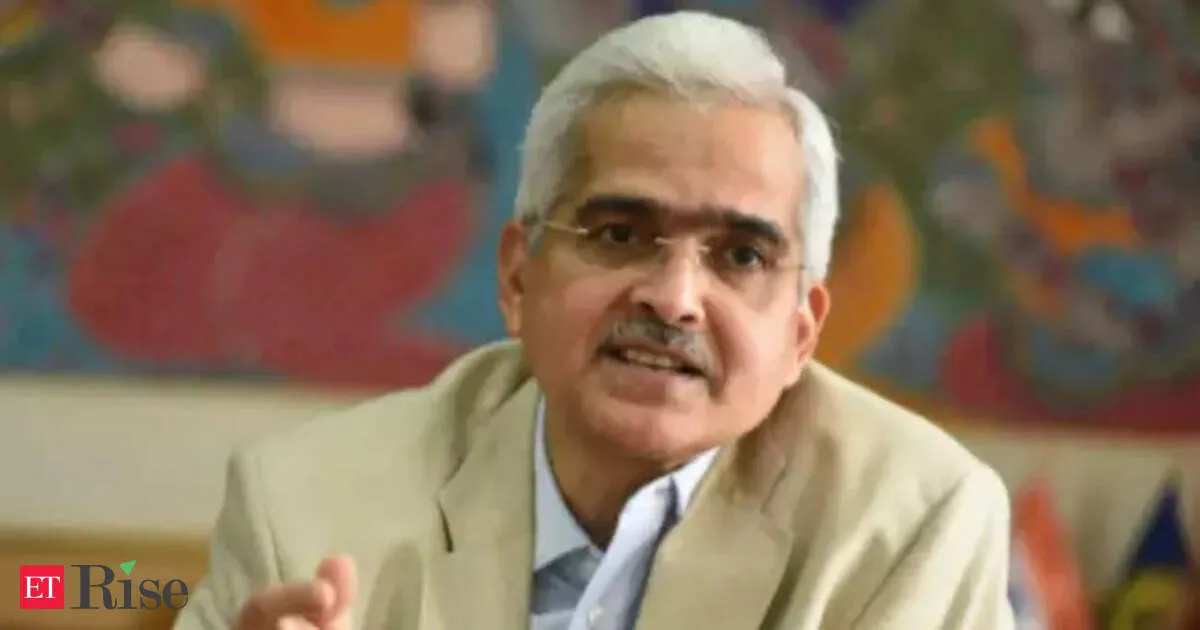
RBI Governor Shaktikanta Das said India’s trade deficit may narrow if services exports stay strong and remittances hold up. He pointed to a solid performance in July and August this year for services exports, suggesting improving external receipts. The RBI’s view links near-term trade balance trends to sustained momentum in services and inflows from overseas workers.
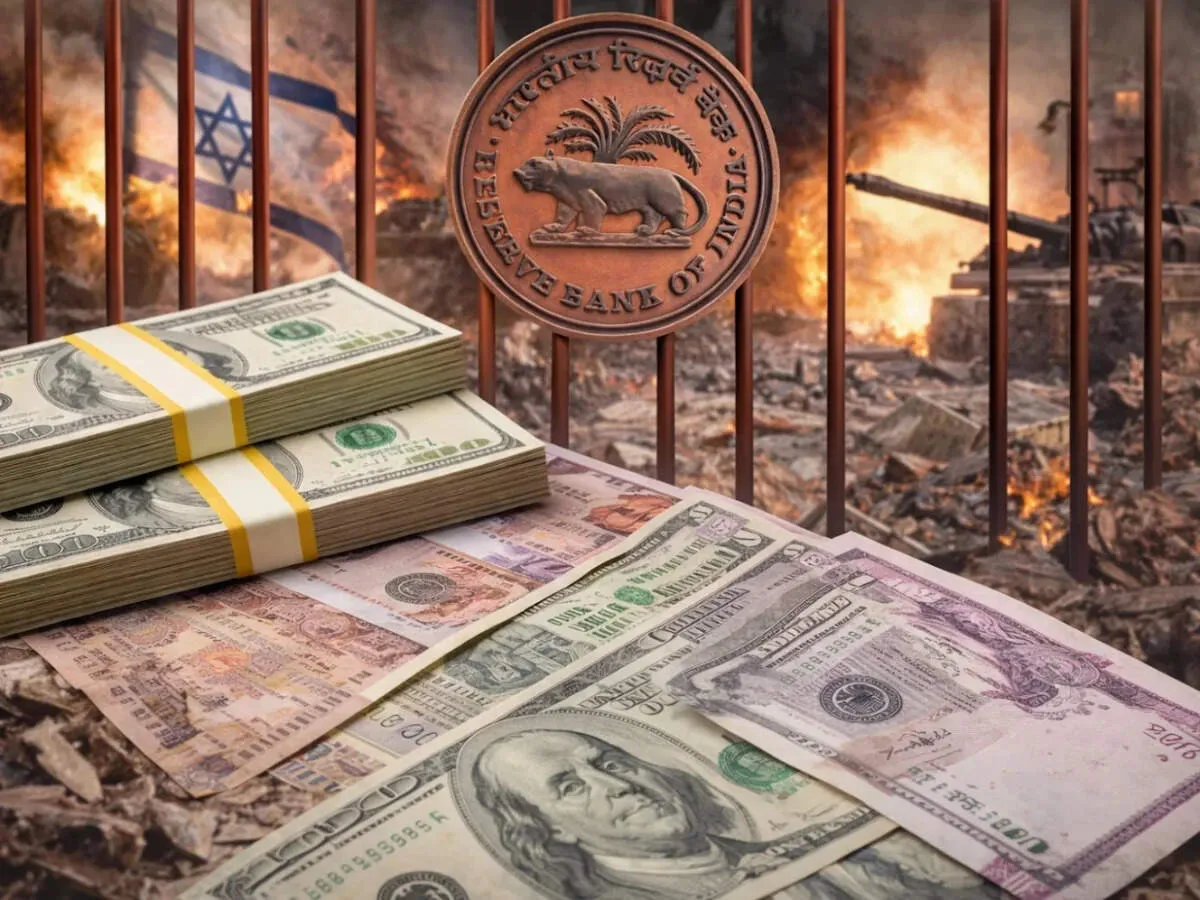
The RBI has reassured India that the West Asia conflict is unlikely to meaningfully disrupt remittances from Indians abroad. With remittance sources spread across multiple regions and channels, inflows are expected to stay strong. The central bank also pointed to services exports as a buffer to support external finances, even as inflation risks remain a concern.
Swipe through stories, personalise your feed, and save articles for later — all on the app.