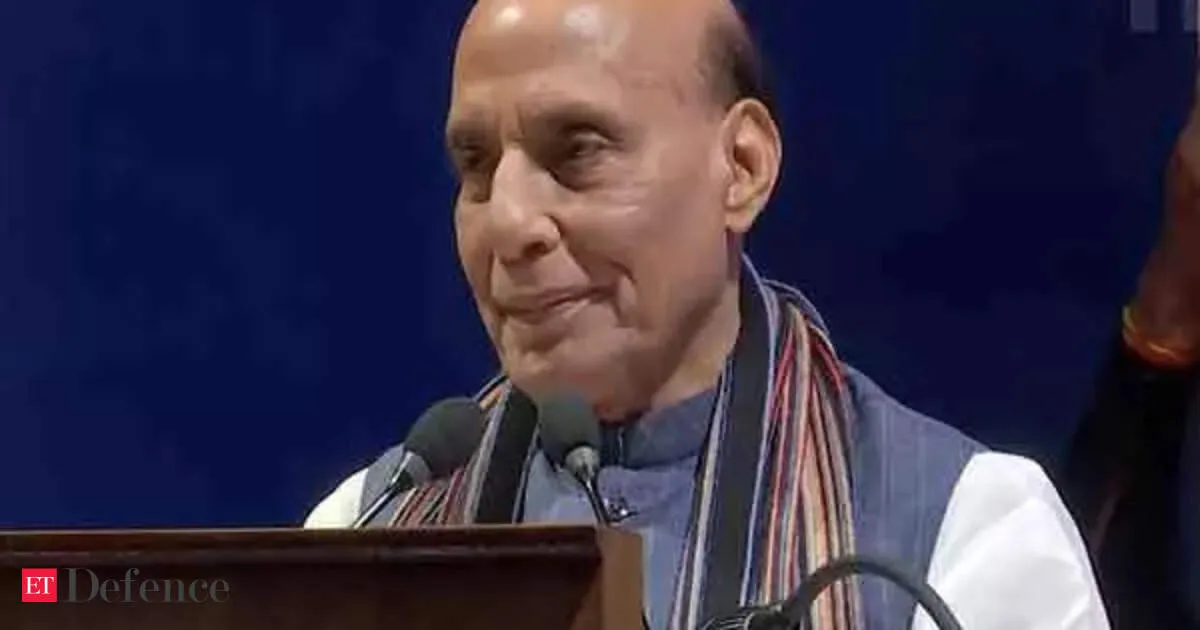
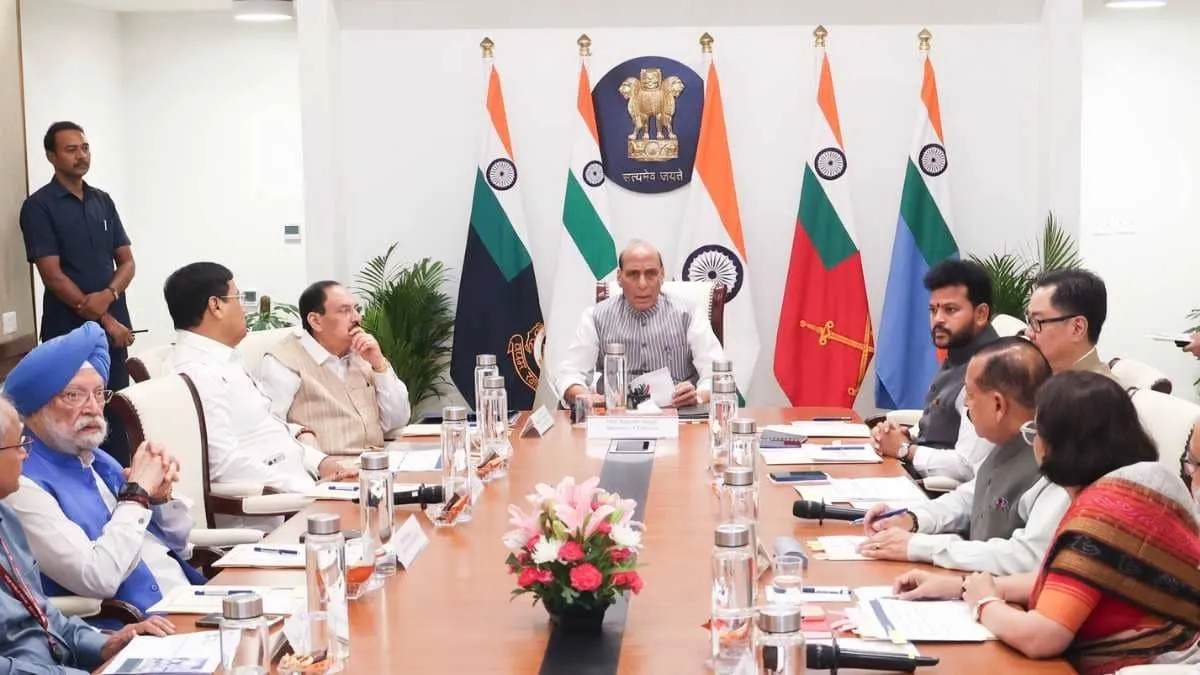
Defence Minister Rajnath Singh said modern warfare “does not respect silos,” arguing India’s edge will come from faster integration across land, sea, air, space and cyberspace. In a video message at the ‘Kalam & Kavach’ defence conclave, he stressed self-reliance, jointness, and shortening the gap between an idea, a prototype and operational deployment. He also warned national security can’t rely on old assumptions amid cyber risks, hybrid threats, and supply-chain vulnerabilities. The event highlighted indigenous innovation, AI-enabled warfare, C4ISR and Operation Sindoor.
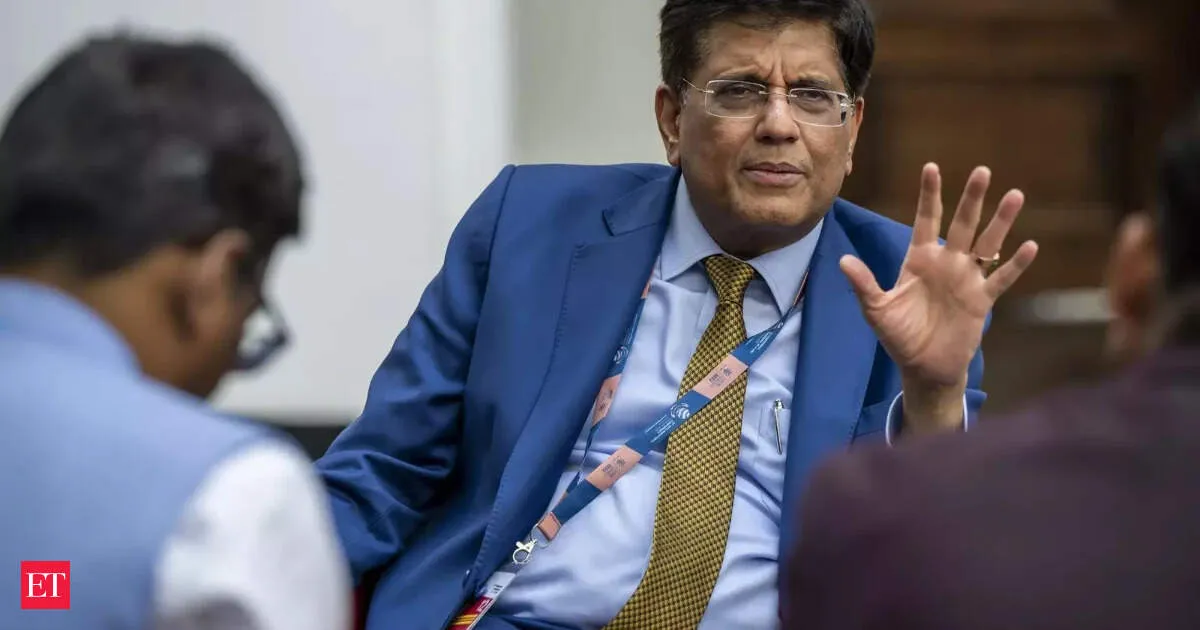
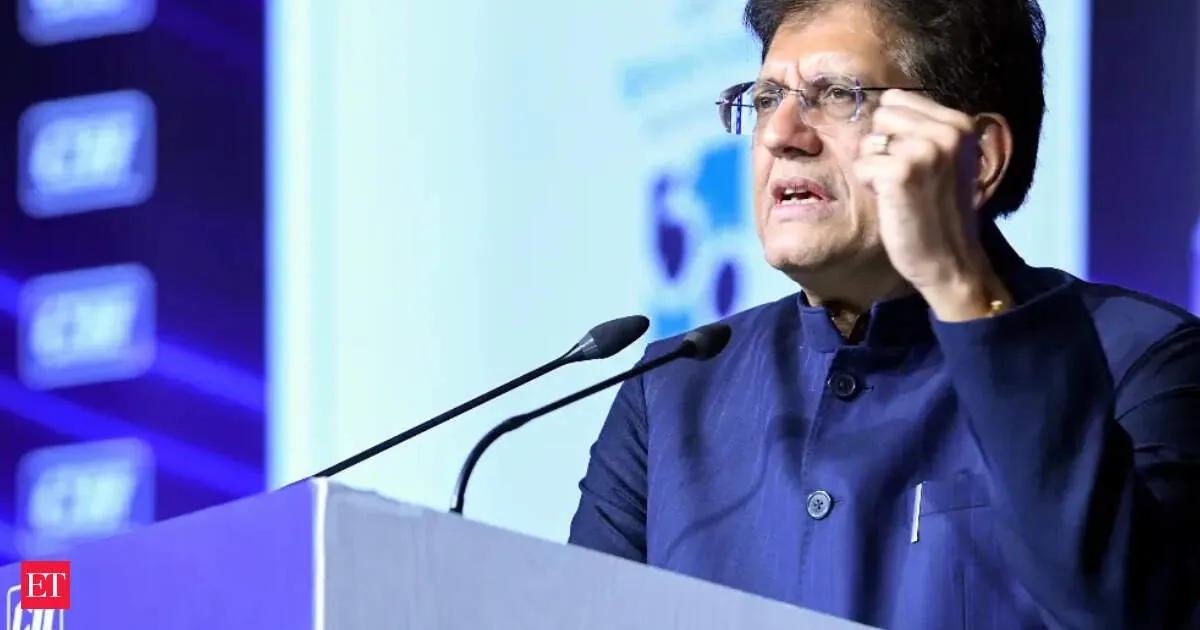
Commerce and Industry Minister Piyush Goyal called the West Asia crisis a wake-up call for Indian industry, urging firms to cut import dependence and improve efficiency through indigenous design and manufacturing. He also pushed for faster electric vehicle adoption, saying it can help reduce oil bills amid global instability, while strengthening long-term economic resilience.
Your news, in seconds
Get the Beige app — every story in 60 words, updated hourly. Free on iOS & Android.
Commerce Minister Piyush Goyal calls global disruption a wake up call for India to reduce import dependence. He urges domestic industry to boost productivity and make sharper use of trade agreements, arguing that self reliance will strengthen the economy. He also flags electric vehicles and advanced technologies like AI as major growth opportunities for India to emerge stronger.
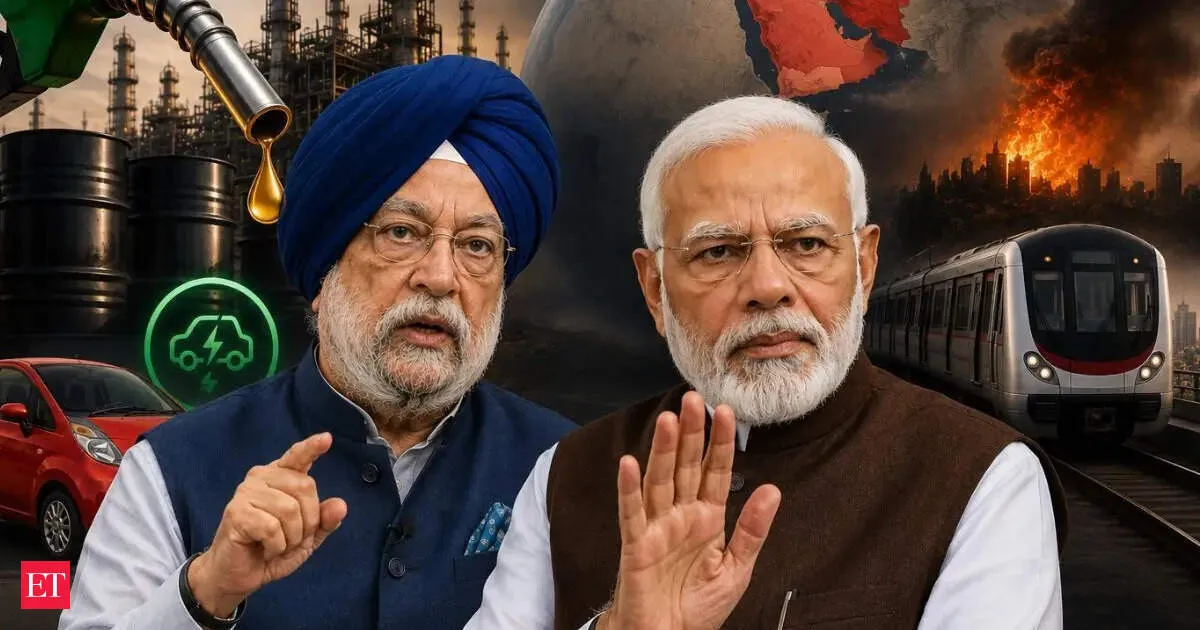
Amid heightened tensions in West Asia and Prime Minister Modi’s appeal to conserve petrol and diesel, Oil Minister Hardeep Singh Puri dismissed any plans for a lockdown. He said LPG production has been boosted and urged people to cut fuel and foreign exchange spending—through practices like work from home and reducing costly travel and gold imports—while promoting self-reliance.
Defence Minister Rajnath Singh asked citizens to stay calm and avoid panic amid a West Asia crisis, as supply chain concerns grow. He echoed Prime Minister Narendra Modi’s call for behavioral changes, including cutting back on petrol use, to limit excess foreign expenditure. Singh said the government’s steps will strengthen self-reliance and support energy security.
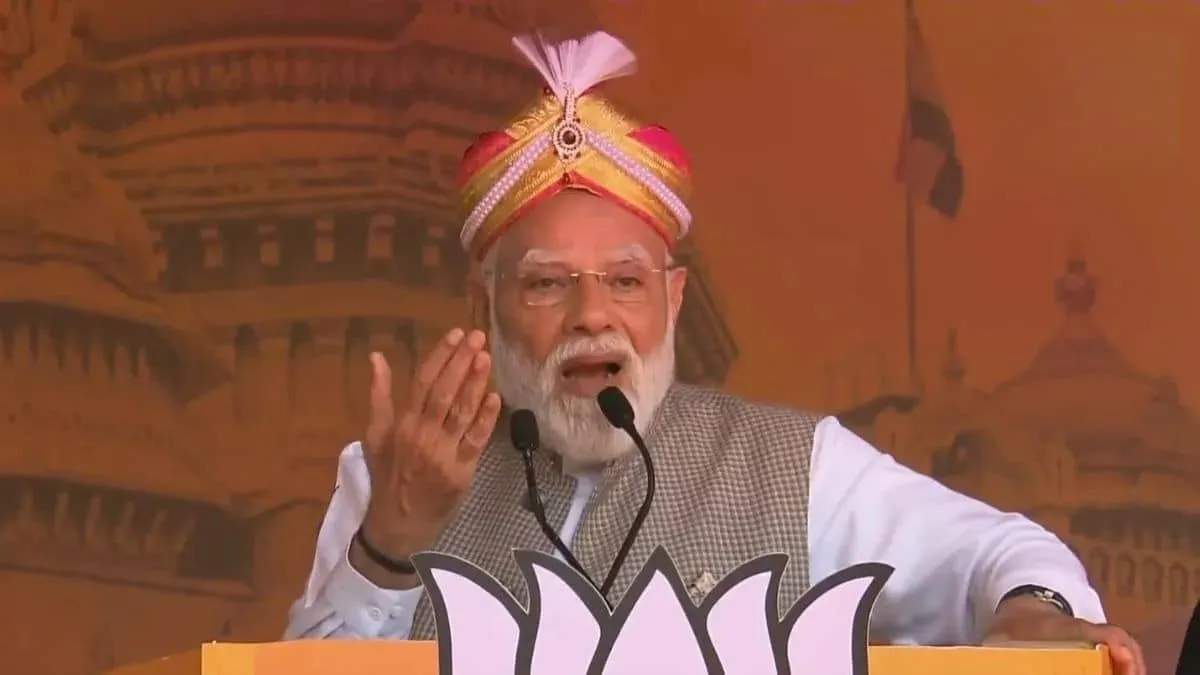
On National Technology Day, Prime Minister Narendra Modi praised India’s scientific community and called the 1998 Pokhran nuclear tests a landmark moment that proved the country’s scientific excellence. In his message, Modi stressed that technology is a key pillar of a self-reliant India, powering innovation and supporting economic growth as the nation advances technologically.
Never miss a story
Set alerts for the topics and sources you care about. Download Beige for free.
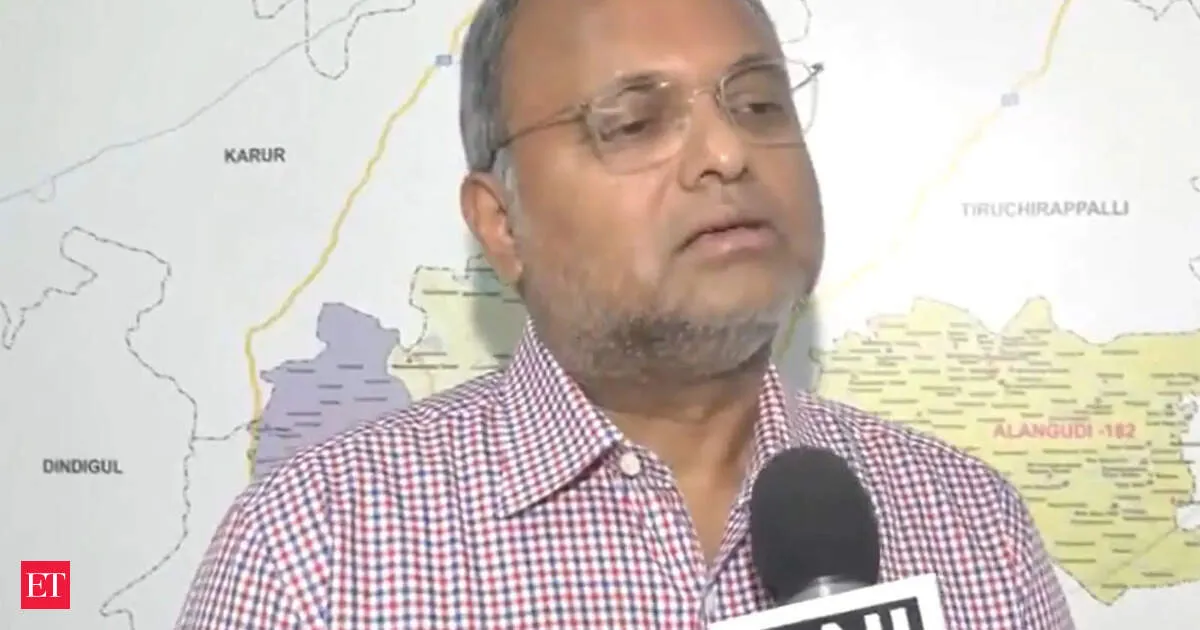
Congress leader Karti P Chidambaram has demanded that the government convene Parliament and brief lawmakers on Prime Minister Narendra Modi’s “seven appeals” aimed at boosting self-reliance during global uncertainty. He also raised concerns about “PMO directives,” asking for clarity on the rollout—where citizens were urged to work from home, cut fuel use, and buy local products.
India’s mines ministry says 101 mineral blocks have started operations since the 2015 auction regime was introduced. The ministry claims it coordinated with state governments to speed up approvals and boost output. Odisha is leading with 34 operational blocks, while Karnataka and Gujarat also report strong progress. Officials say this move strengthens India’s push for self-reliance.
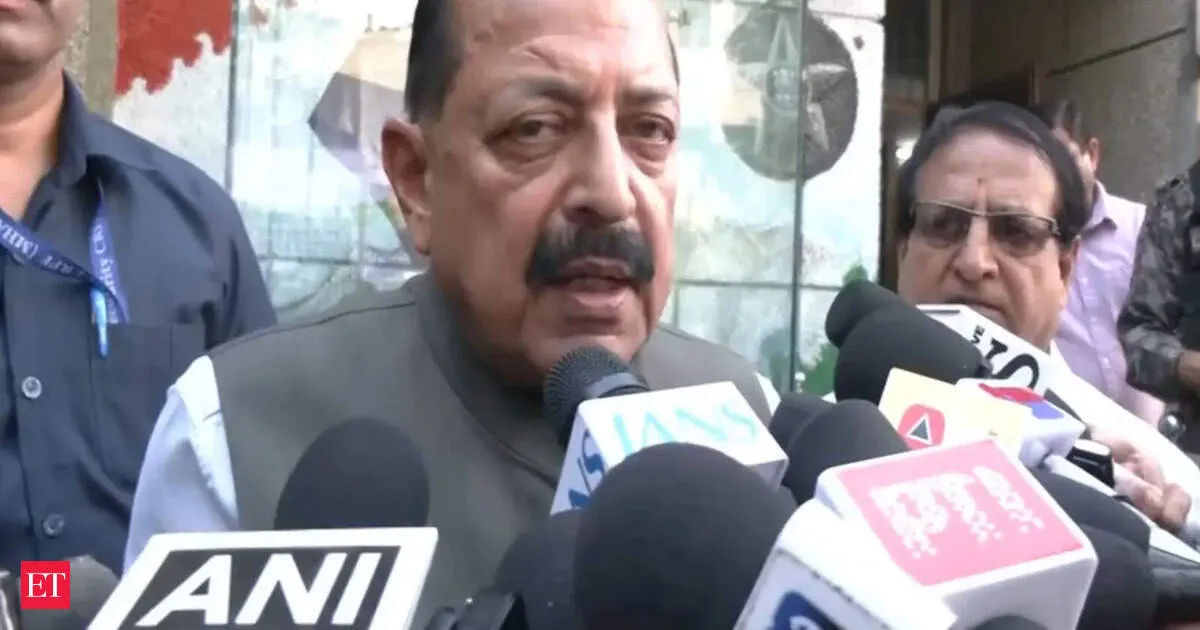
Minister Jitendra Singh says India’s newly launched Research, Development and Innovation Fund is drawing strong interest from private players. Backed by Prime Minister Narendra Modi, the scheme targets high-risk, high-impact breakthroughs, with companies funding 50% of projects. More than 200 proposals are currently being assessed, pointing to growing momentum toward national self-reliance and economic security.
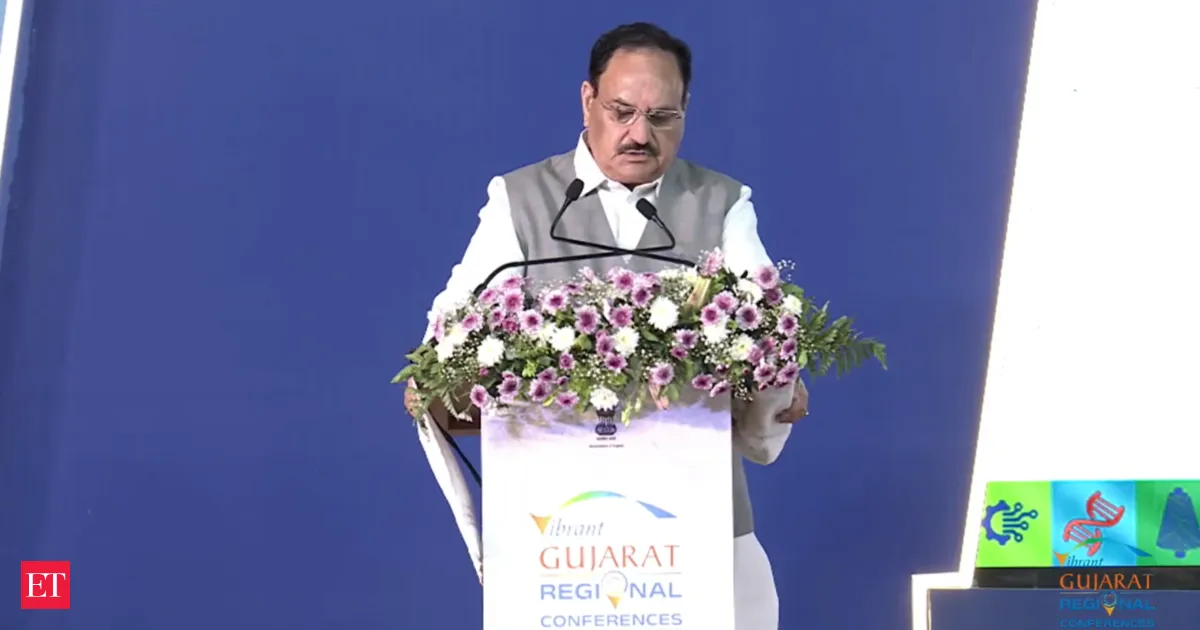
Union Minister JP Nadda urged India to use global uncertainty as a growth lever by expanding manufacturing, strengthening supply chains, and building resilience and self-reliance as the country targets developed-nation status by 2047. He pointed to a change in government-industry relations since Vibrant Gujarat, arguing it has deepened collaboration to cut vulnerabilities and accelerate economic growth, with special focus on South Gujarat’s role.
Reading on mobile?
Open Beige in the app for a smoother experience — free on iOS and Android.
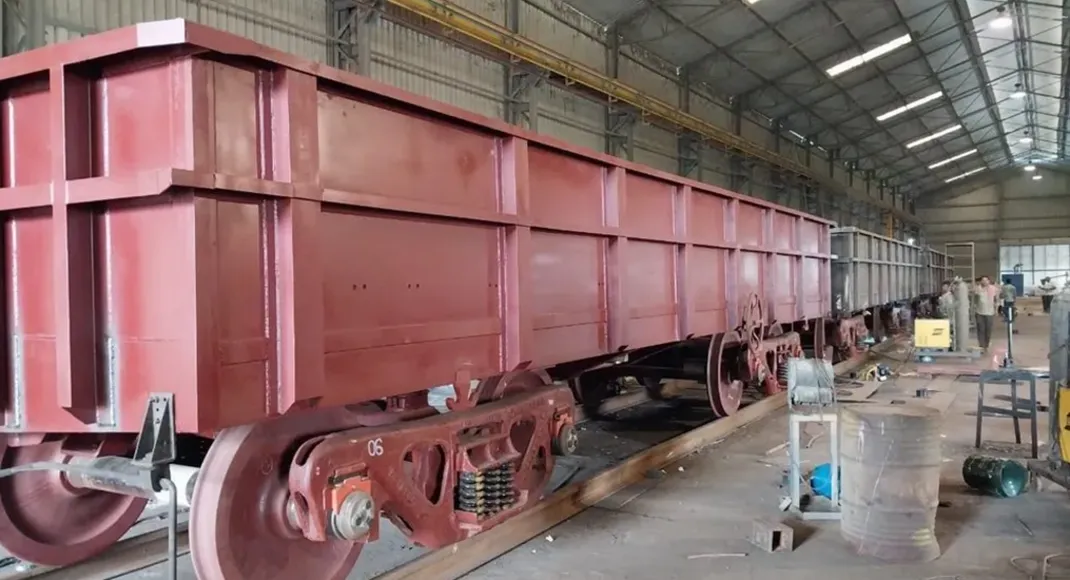
As Indian Railways ramps up freight and high speed services, demand for wheelsets is set to rise sharply. Major wagon manufacturers are moving toward self reliance in wheels to avoid supply bottlenecks and keep production steady. The push aims to solve a critical jigsaw piece before rail expansion turns into a wheel shortage.
Swipe through stories, personalise your feed, and save articles for later — all on the app.