SEBI has issued new guidelines for Infrastructure Investment Trusts (InvITs), allowing them to take on debt beyond the existing 49% cap relative to the value of their assets. The change opens a fresh funding route for InvITs to finance capital expenditure, upgrades, and repairs across infrastructure projects. While the move could improve liquidity for asset maintenance and growth plans, it also raises fresh questions about leverage levels, risk management, and how investors will weigh the new capital structure.
SEBI has widened the permitted use of fresh borrowings for Infrastructure Investment Trusts (InvITs) with net debt above 49% of asset value, effective immediately. The regulator now allows such funds for capital expenditure to improve performance or expand capacity, and also for major maintenance costs on road projects, defined as non routine expenses tied to concession obligations. SEBI further permits refinancing by the InvIT, SPV, or holding company, but only the principal can be refinanced—interest and fees cannot.
Your news, in seconds
Get the Beige app — every story in 60 words, updated hourly. Free on iOS & Android.
SEBI and the Central Board of Direct Taxes (CBDT) have relaxed PAN-related onboarding rules for foreign portfolio investors after complaints that the revamped Income-tax Rules and March PAN forms made compliance overly complex across jurisdictions. The updates simplify documentation, contact disclosures and taxpayer identification fields. CBDT clarified that the authorised signatory name in the common application form is enough, liability is limited to PAN application, and optional fallbacks like using FPI registration number or “0000000000” for missing TINs are allowed.
SEBI has approved IPO plans for Neolite ZKW Lightings, Aspri Spirits and SS Retail, clearing the way for the trio to tap India’s primary market. Neolite ZKW Lightings will raise Rs 600 crore via a Rs 400 crore fresh issue and Rs 200 crore OFS, funding a greenfield facility in Kancheepuram, expansion and debt repayment. Aspri Spirits seeks up to Rs 140 crore through a fresh issue plus OFS. SS Retail plans a Rs 500 crore IPO with Rs 300 crore fresh shares and up to Rs 200 crore OFS.
The NSE will begin trading Electronic Gold Receipts (EGRs) from Monday, May 18, aiming to modernize how Indians invest in gold. The exchange says EGRs will use a stronger liquidity and technology framework to make trading more transparent, secure, and accessible nationwide. NSE expects the move to integrate gold into mainstream capital markets, widen financial inclusion, and curb reliance on fragmented physical-market pricing. EGRs represent ownership of regulated vaulted gold and are credited through Demat accounts.
Lighthouse Canton has launched the SEBI-registered LC Luminere Credit Fund, a Category II AIF aimed at funding India’s fast-growing private credit market. The ₹1,200 crore vehicle, with a six-year tenure and average deal duration of about three years, will make structured senior secured credit investments in mid-to-large corporates. The fund seeks stable periodic cash yield and “high teen” risk-adjusted returns, deploying capital across growth, acquisitions, sponsor-backed refinancing and cross-border opportunities. It has already warehoused its first investment and says a near-term pipeline is ready.
Never miss a story
Set alerts for the topics and sources you care about. Download Beige for free.
Sebi has floated proposals to simplify the rules for exchange-traded and commodity derivatives, aiming to cut compliance burden and uncertainty. In a discussion paper, it suggests deleting close-to-money (CTM) option series and related norms for commodity options in goods, arguing CTM adds complexity and pricing risk. It also wants fewer mandatory PAC meetings for non-agricultural commodities, down from two annually to one. Further, exchanges could shift contract expiry earlier during disruptions with managing director approval instead of 10-day notice and PAC clearance.
SEBI has launched a consultation proposing a broad overhaul of exchange-traded derivatives rules to reduce compliance load on stock exchanges and clearing corporations. In a May 14 paper, the regulator plans to simplify master circulars, remove redundant provisions, and streamline operational requirements across equity, currency, commodity and interest rate derivatives. Key ideas include deleting the commodity CTM option series, cutting mandatory Product Advisory Committee meetings, and letting exchanges advance contract expiries during disruptions with “adequate notice” instead of a fixed 10-day timeline.
India has introduced the Securities Markets Code Bill, 2025, in Parliament on December 18, 2025, with Finance Minister Nirmala Sitharaman proposing a sweeping consolidation of securities regulation. The proposed legislation is designed to consolidate and amend multiple existing laws governing trading contracts, market oversight, and depository operations. It would bring together the Securities Contract Regulation Act, 1956, the SEBI Act of 1992, and the Depositories Act, 1996—potentially reshaping how regulators and market participants comply going forward.
Quick commerce firm Zepto has received SEBI approval to proceed with its IPO, paving the way for an updated draft red herring prospectus to be filed in about six to eight weeks. Sources say the company is targeting a sizable listing potentially worth Rs 11,000–12,000 crore, with sizing and pricing still not final. Zepto is also reported to hold Rs 6,000–7,000 crore in cash. The move comes as rivals like Blinkit and Instamart see growth moderation but improving profitability.
Reading on mobile?
Open Beige in the app for a smoother experience — free on iOS and Android.
AlphaGrep Mutual Fund has submitted draft papers to SEBI for its inaugural Multi Asset Allocation Fund. The open-ended scheme plans to invest across equities, debt, commodities and derivatives, using a diversified, rules-based approach designed to target long-term capital appreciation.
Sebi is considering changes that would broaden how mutual funds can use intraday borrowing. Right now, such borrowing is mainly allowed to meet redemption payouts. Under the proposal, funds could use it more widely as a cash management tool to handle timing mismatches between outflows and receivables, potentially improving flexibility and returns.
SEBI has penalised former Religare Enterprises chairperson Rashmi Saluja with a ₹40 lakh fine for alleged insider trading. The regulator said she traded Religare shares while in possession of unpublished price-sensitive information related to the Burman Group’s open offer. SEBI has also ordered Saluja to disgorge ₹1.9 crore in unlawful gains, along with interest.
SEBI has proposed changes to India’s municipal bond framework, allowing local bodies to explicitly issue bonds to refinance existing debt. The draft also demands detailed disclosures on lenders, repayment schedules, interest costs and any prior restructurings. In addition, it suggests capping working-capital use at 25% and restricting proceeds from general-purpose spending.
Follow your favourite sources
Track sources, tags and categories — all in the Beige app.
SEBI has proposed new flexibility for mutual funds to use intraday borrowings for purposes beyond routine investor redemptions and payouts. However, it has deferred the implementation of the related guidelines to July 15, giving fund houses and stakeholders time to adjust to the updated framework as markets and compliance plans catch up.
SEBI is considering easing borrowing norms for mutual funds, potentially allowing intraday borrowing for a broader range of purposes. The regulator is weighing uses such as meeting trade settlement obligations, handling forex transactions, funding derivative margin requirements, and addressing other short-term liquidity needs—aiming to reduce operational stress without compromising oversight.
SEBI has clarified that Indian banks and brokers will not be held liable for taxes owed by offshore funds, as two sources familiar with the development said. The move removes a key compliance hurdle that had slowed fund launches after earlier fears that local representatives could face penalties for clients tax demands. The clarification is expected to unblock new foreign investments.
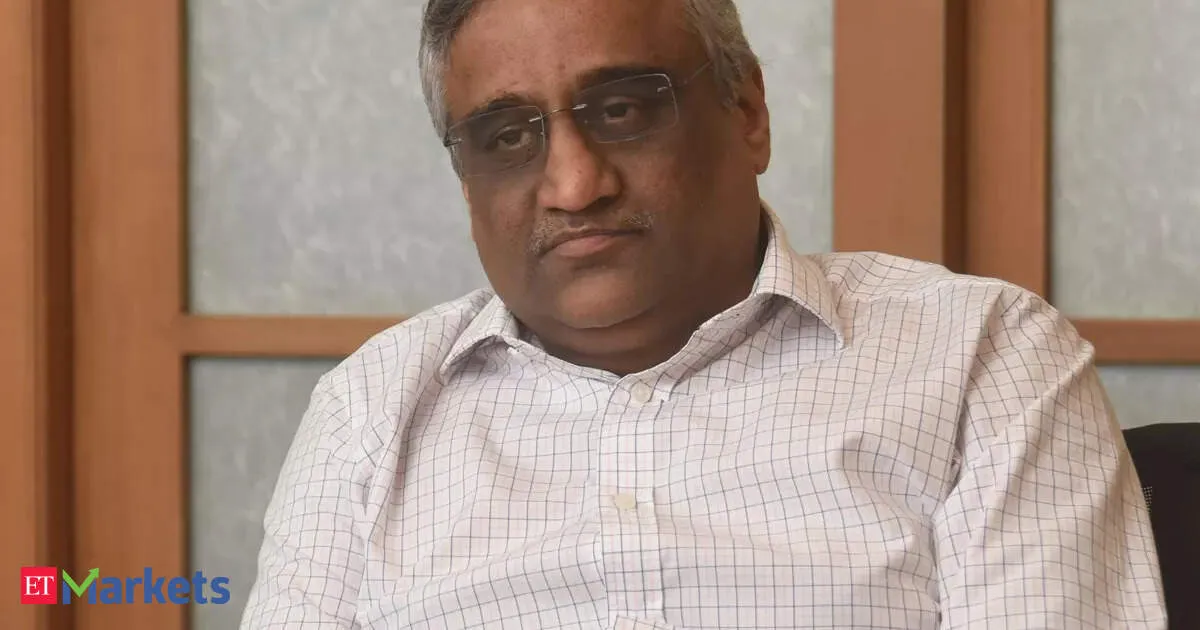
SEBI fined Kishore Biyani, Rakesh Biyani and former CFO C P Toshniwal a total of ₹50 lakh for breaching disclosure norms and related party transaction rules in the Future Retail case. The regulator said relationships and transactions were not properly disclosed and some deals had not received mandatory approvals. The wider probe also examined allegations of account manipulation and fund siphoning.
Stay informed on the go
Bite-sized news from 100+ trusted sources, right in your pocket.
SEBI has mandated that fund houses cap portfolio overlap between sectoral or thematic funds and other equity schemes at 50%, with three years to comply. The regulator says the rule will improve diversification and stop investors from unknowingly owning duplicate stocks across multiple funds. Wealth managers add that individuals should also check their own holdings for overlap.
SEBI is considering a pilot that would let certain agricultural commodity derivatives trade as cash settled instruments before mandatory physical settlement. The plan is meant to improve liquidity and market confidence in agri contracts. SEBI is reportedly evaluating commodities such as maize, groundnut, and chilli for the trial, with further details expected.
Swipe through stories, personalise your feed, and save articles for later — all on the app.