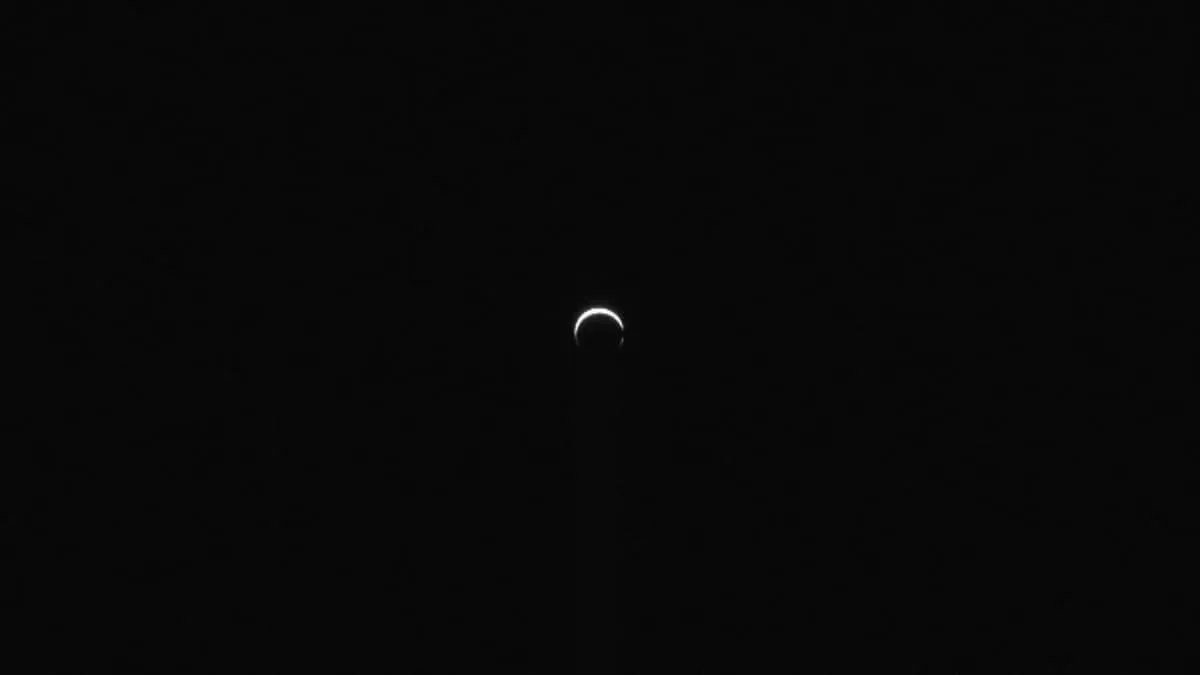
NASA’s Psyche spacecraft is making a high-speed practice swing past Mars to harness a gravity boost toward a rare metal asteroid. Named after the target, the robotic explorer will perform a slingshot at about 12,333 mph, snapping thousands of images along the way. The main rendezvous is planned for 2029, turning Mars flyby data into mission-critical prep.
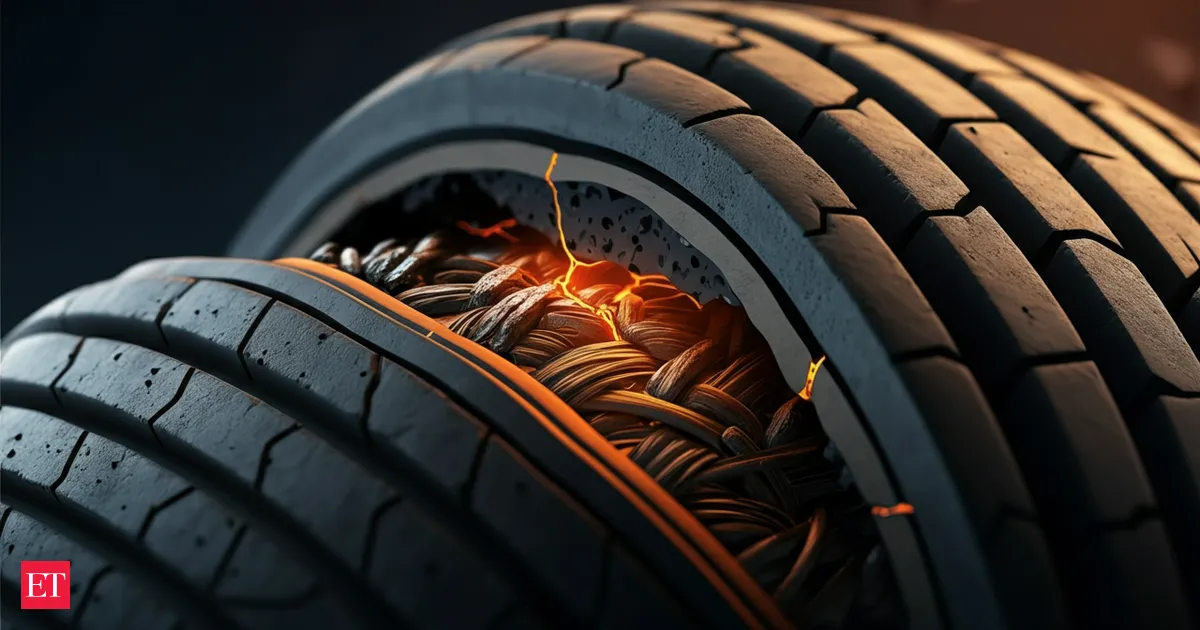
A decades-old mystery about how reinforced rubber stays extraordinarily strong may be solved. Researchers at the University of South Florida used about 1,500 molecular simulations to show that carbon black particles stop rubber from thinning as it stretches, forcing the material to resist volume changes. That shift in behavior helps explain the toughness behind tires and other reinforced elastomers.
Your news, in seconds
Get the Beige app — every story in 60 words, updated hourly. Free on iOS & Android.
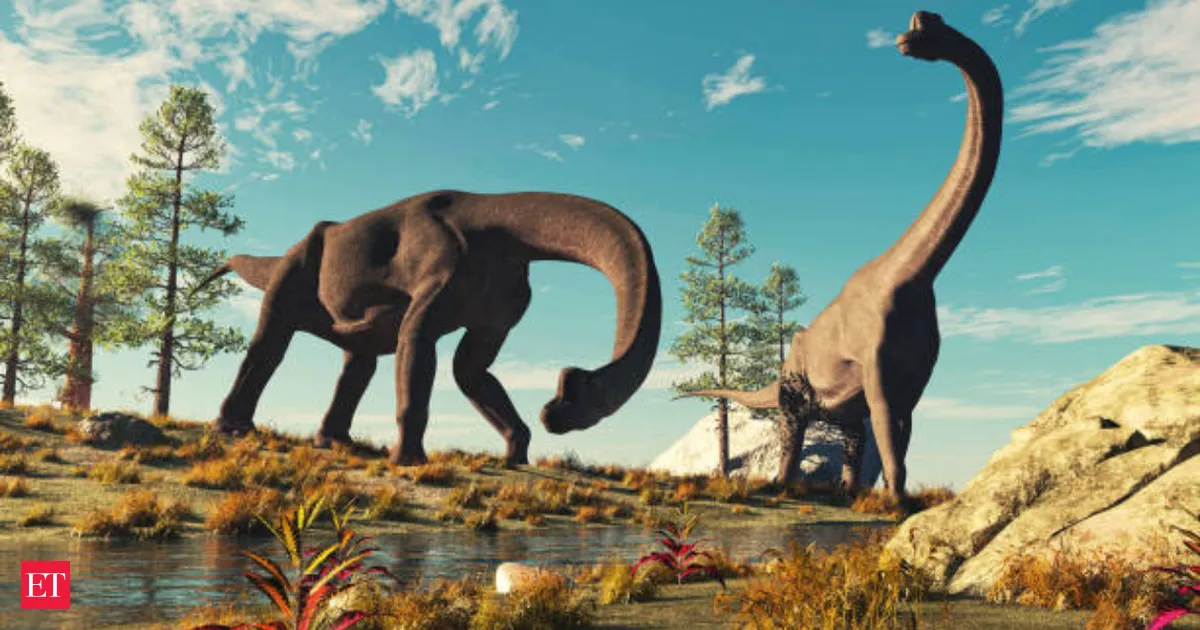
Researchers in Argentina have uncovered a major sauropod fossil, Bicharracosaurus dionidei, dating back about 155 million years. At roughly 20 meters long, its distinctive bone structure suggests a biological link between South American and North American sauropods, offering fresh evidence for how these giants spread and evolved across the ancient southern supercontinent.
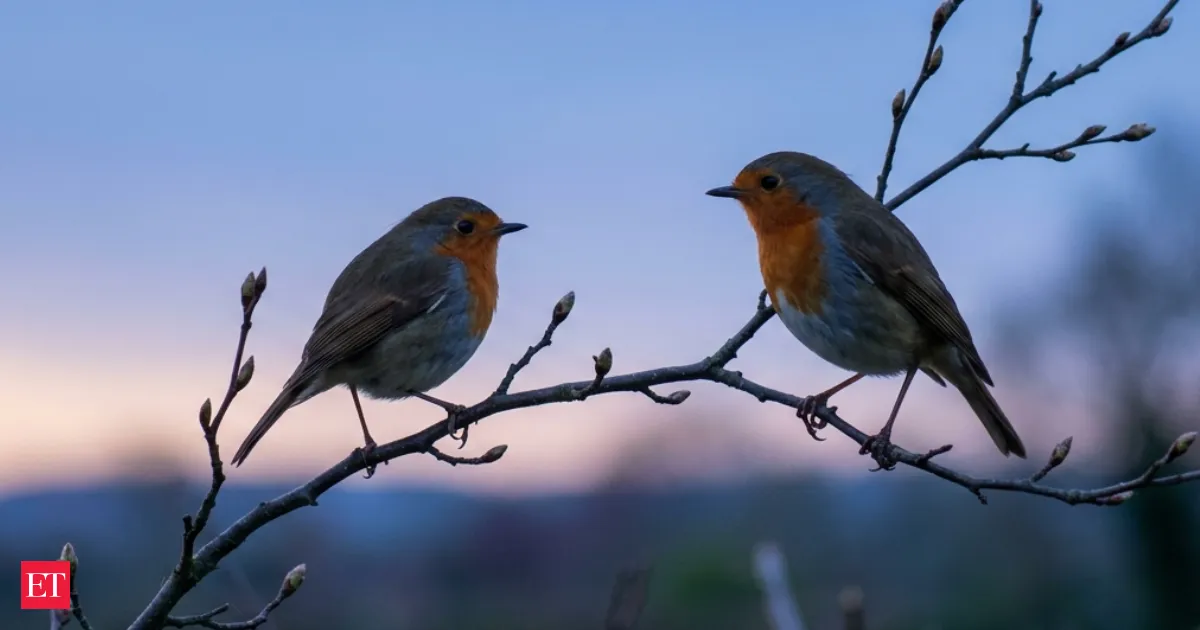
European robins and North American cousins often begin singing before sunrise. Scientists say it’s driven by a mix of biology and behavior, including the need to claim territory, attract mates, and communicate in low light. Robins also respond to light cues, including artificial sources, which can change their singing schedule and make dawn feel earlier than it is.
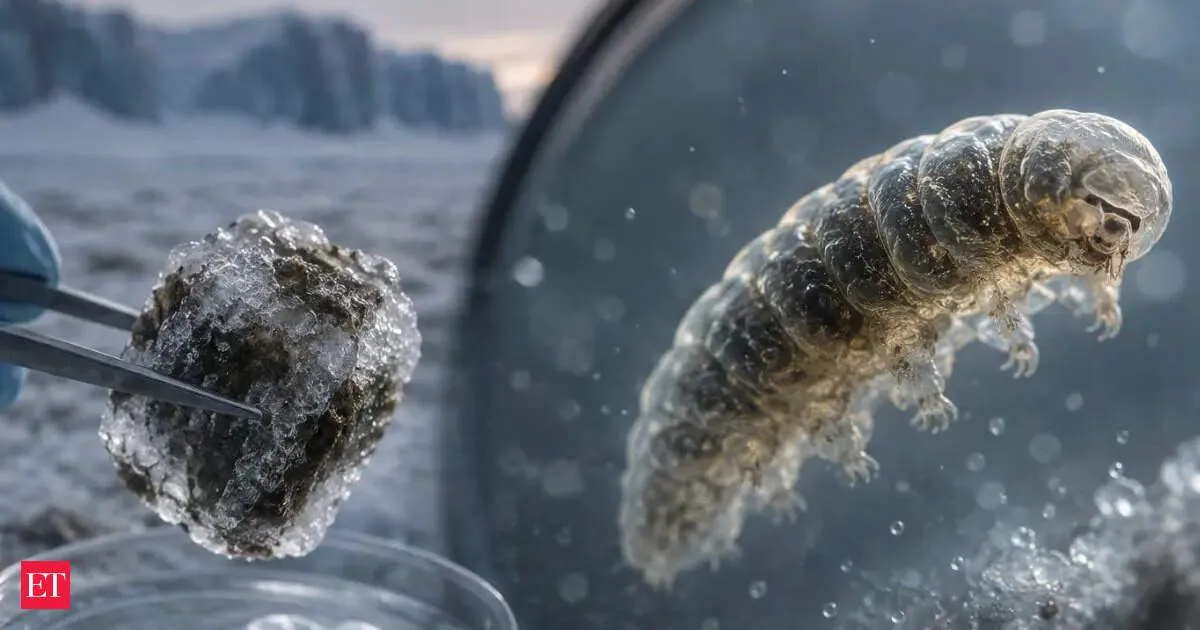
Scientists have revived a 24000 year old bdelloid rotifer from Siberian permafrost, a microscopic “zombie worm” that can withstand freezing, starvation, and even reproduce without a partner. The breakthrough underscores how resilient life can be in extreme conditions, while also raising new worries that thawing Arctic permafrost could awaken ancient microbes and mobilize stored carbon.
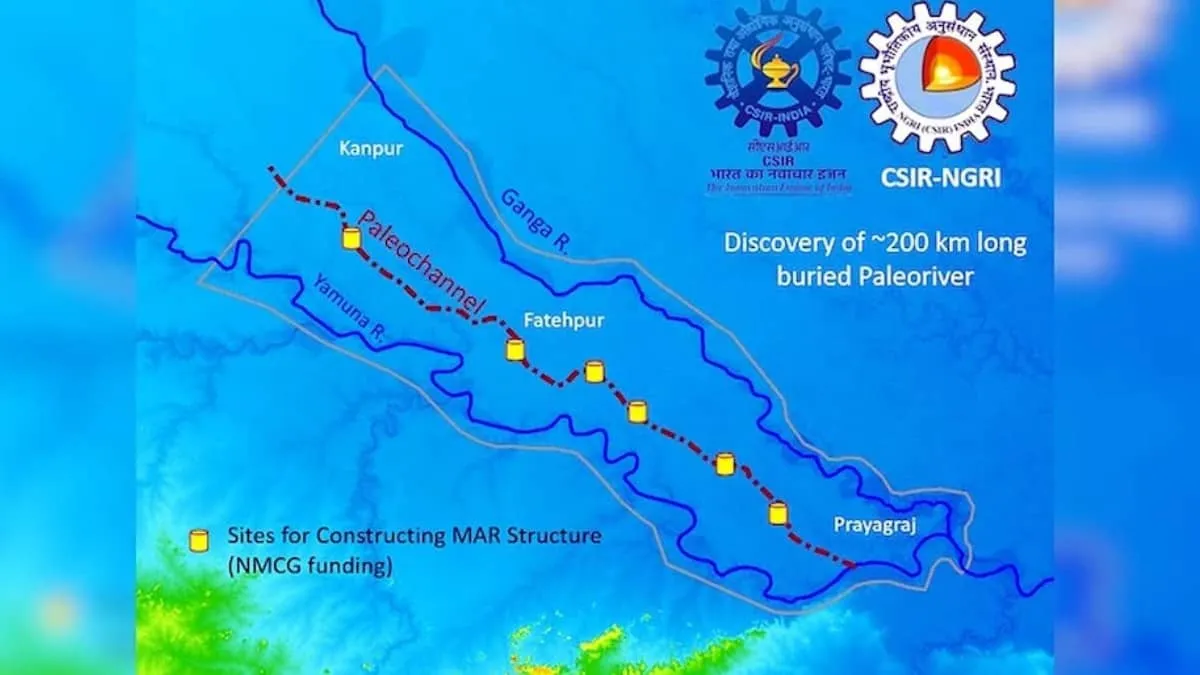
For centuries, the Prayagraj Sangam has symbolized the meeting of the Ganga, Yamuna, and the unseen mythical Saraswati. Now, researchers say they detected a massive buried river channel stretching about 200 km beneath the site. The physical evidence suggests there may indeed be a third river system under the confluence, reshaping how the legend is understood.
Never miss a story
Set alerts for the topics and sources you care about. Download Beige for free.
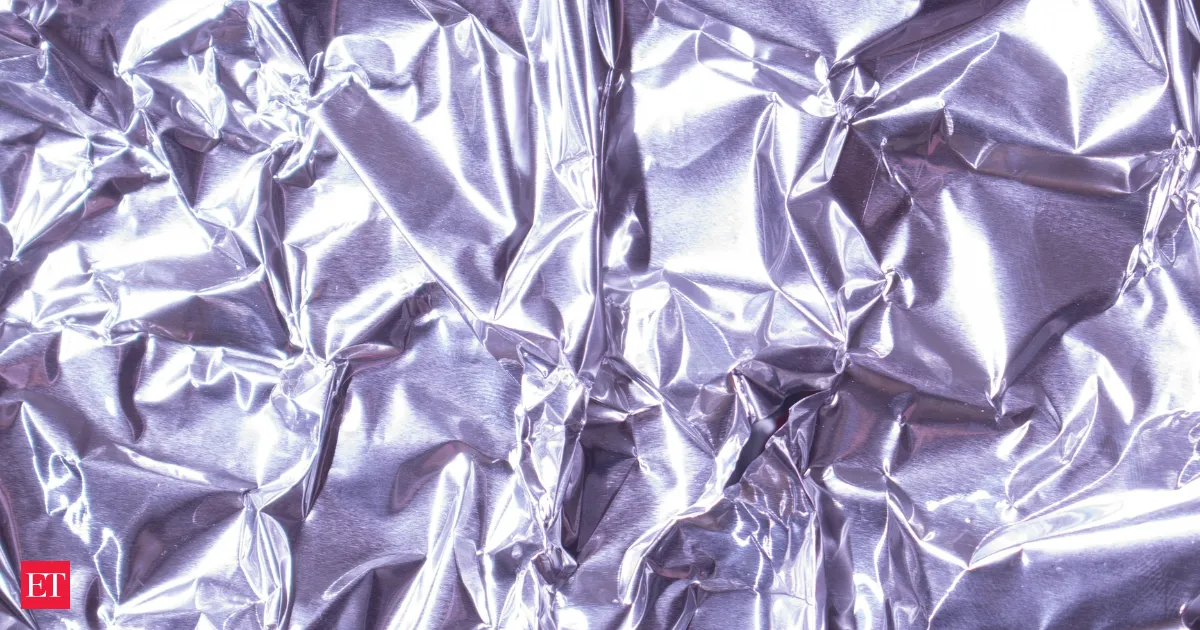
Researchers from King’s College London and Trinity College Dublin say they’ve developed cyclotrialumane, a new aluminium compound that could act as a substitute for pricey platinum and palladium in industrial catalysts. Published in Nature Communications, the finding points to potentially cheaper, cleaner, and more sustainable manufacturing—if scaled beyond the lab.
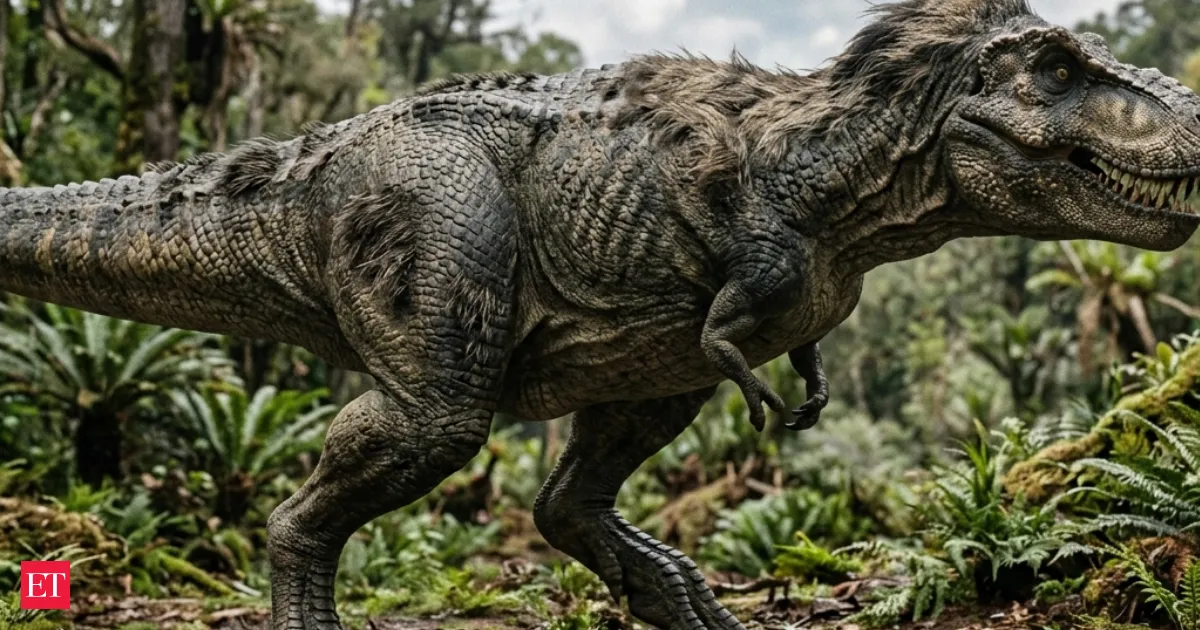
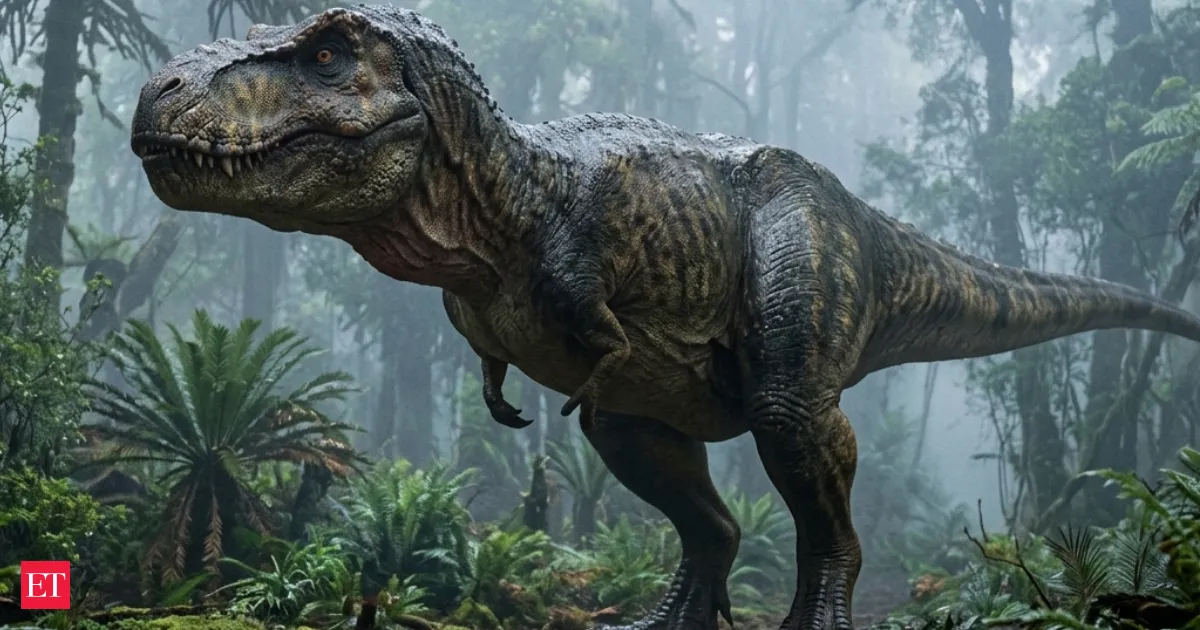
Fresh fossil evidence is reshaping how scientists picture the adult T rex. While some of its smaller relatives likely had filament-like coverings, new skin impressions from the neck, pelvis, and tail point to scales. Researchers argue the dinosaur’s massive body may have reduced the need for heavy insulation, like elephants, revealing a more complicated evolution than popular imagination.
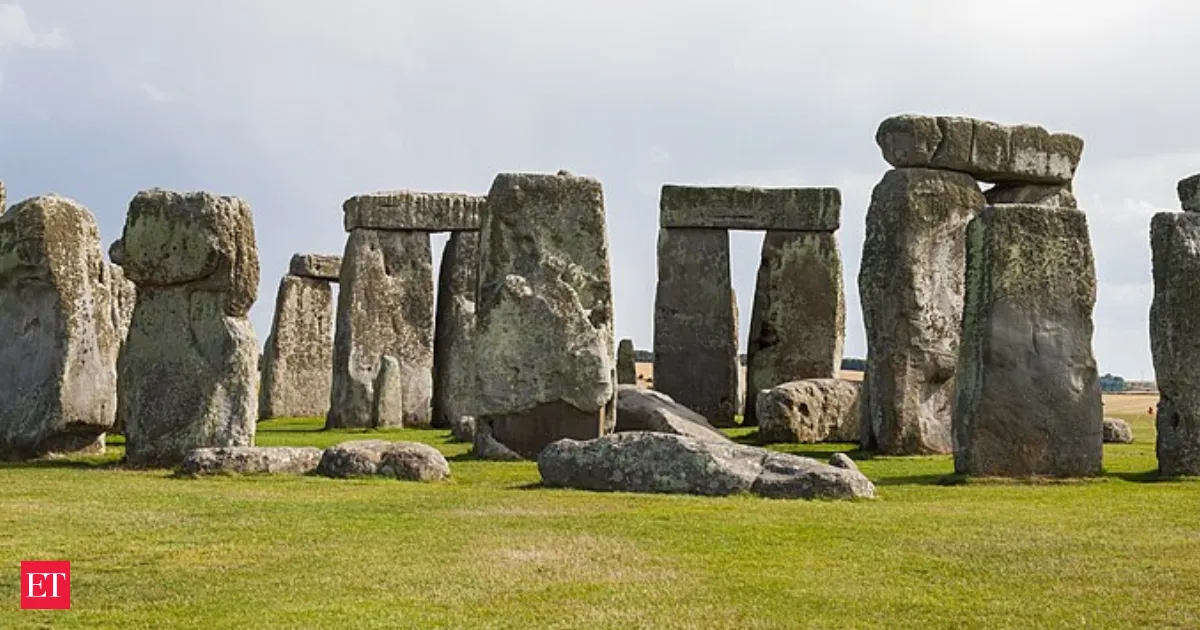
New research traces most of Stonehenge’s massive sarsen stones to West Woods in Wiltshire, Britain. The finding suggests Neolithic people deliberately transported these 25 ton blocks across long distances, contradicting ideas that natural glacial movement shifted them. Researchers say the work points to extraordinary planning and coordination by prehistoric communities to build the iconic monument.
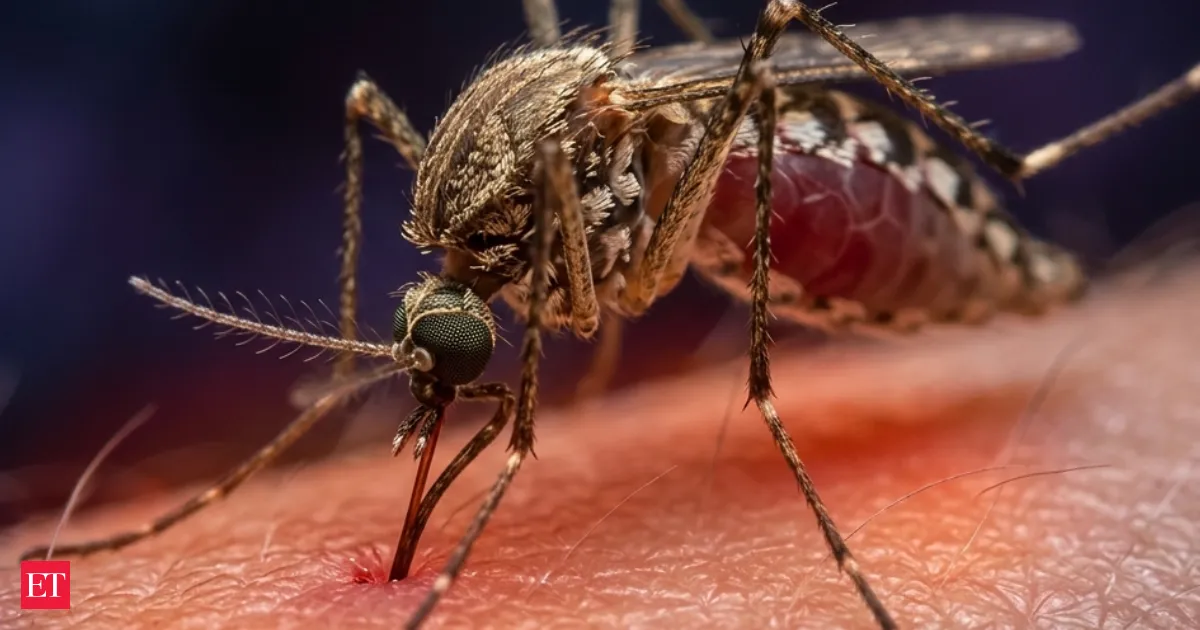
New research reveals that mosquitoes can detect human body heat using infrared signals, a “hidden sense” researchers previously struggled to explain. When this thermal detection is paired with CO2 and body odors, mosquitoes become dramatically better at finding hosts. The findings could reshape mosquito control as disease-carrying species expand into new regions, strengthening public health defenses.
Reading on mobile?
Open Beige in the app for a smoother experience — free on iOS and Android.
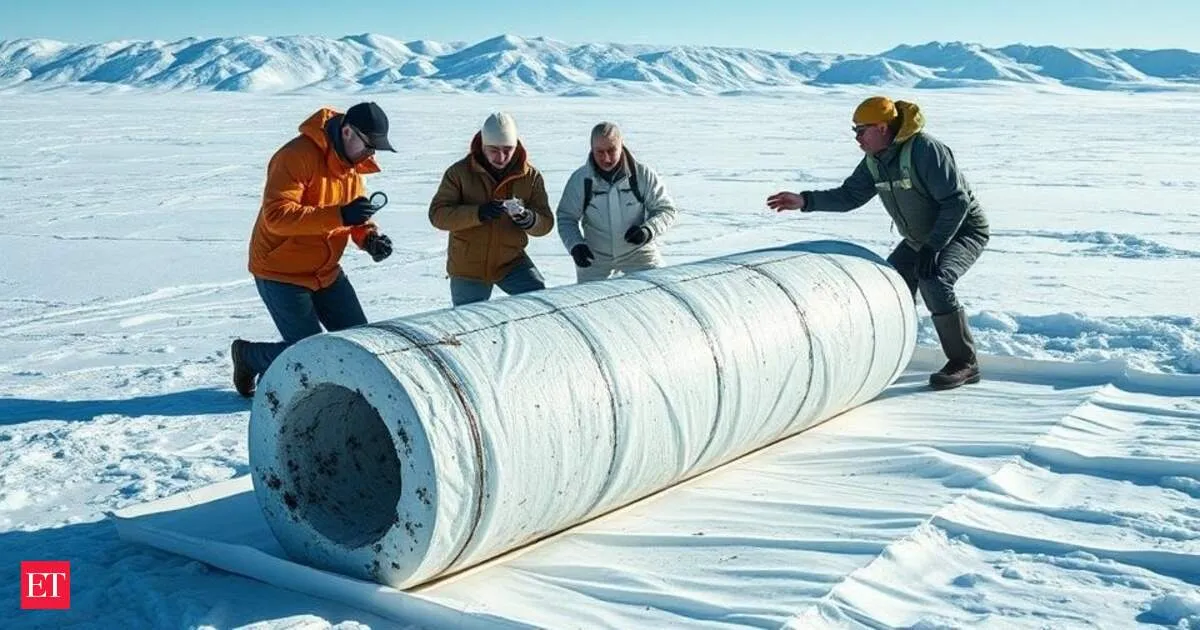
Scientists have identified ancient stardust trapped in Antarctic ice, traced back to exploded stars. The discovery turns the ice into a time capsule, recording how Earth moved through space clouds over thousands of years. Researchers say the embedded particles help map the structure of these distant cosmic regions, offering a new snapshot of Earth’s long, galaxy-wide journey.
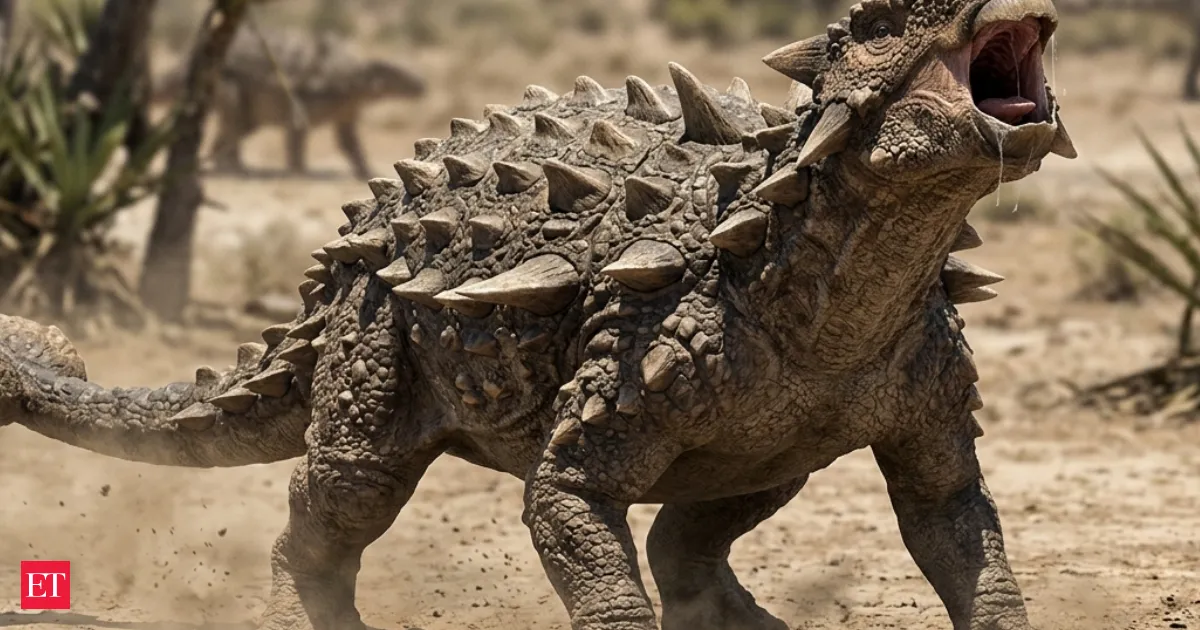
A rare fossil find is rewriting how scientists think dinosaurs sounded. Researchers identified a fossilized larynx from Pinacosaurus, an ankylosaur, and found it carries bird-like features linked to complex vocal control. The discovery undermines the long-standing idea that dinosaurs roared loudly like cinematic monsters, suggesting more nuanced communication abilities instead.
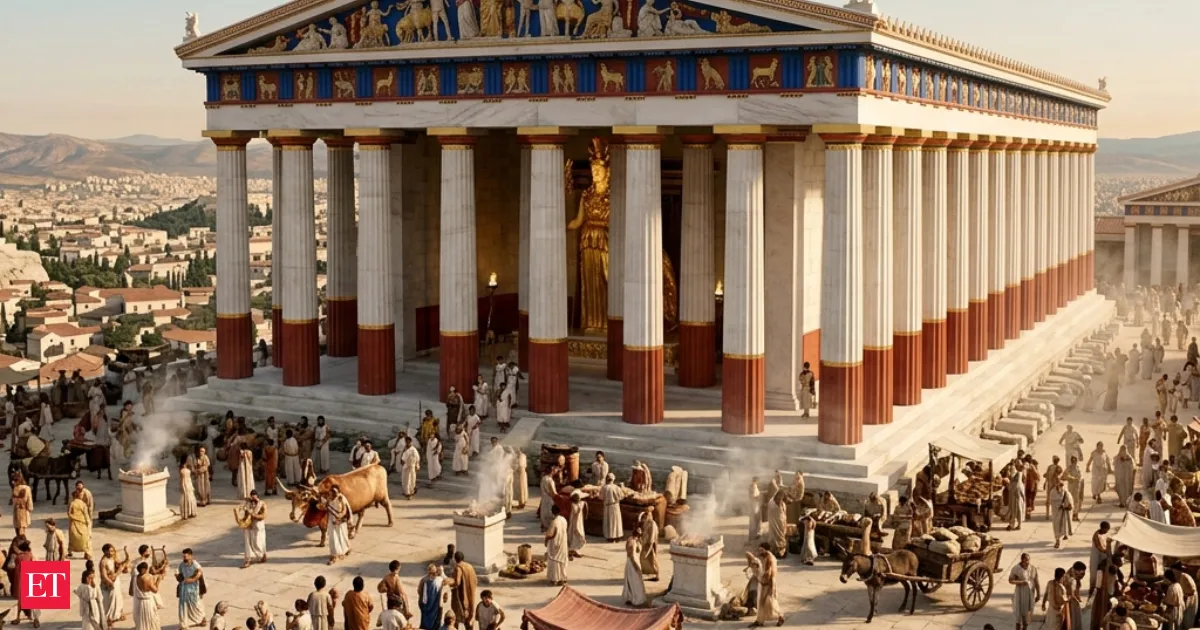
New scientific testing is upending the iconic image of ancient Greece as spotless white marble. Researchers using infrared luminescence and X-ray fluorescence found hidden traces of pigments on Greek temples and statues, including the Parthenon. Confirmed by major institutions, the findings suggest classical art was vividly painted and call for a major rethink of how we interpret that era’s aesthetics.
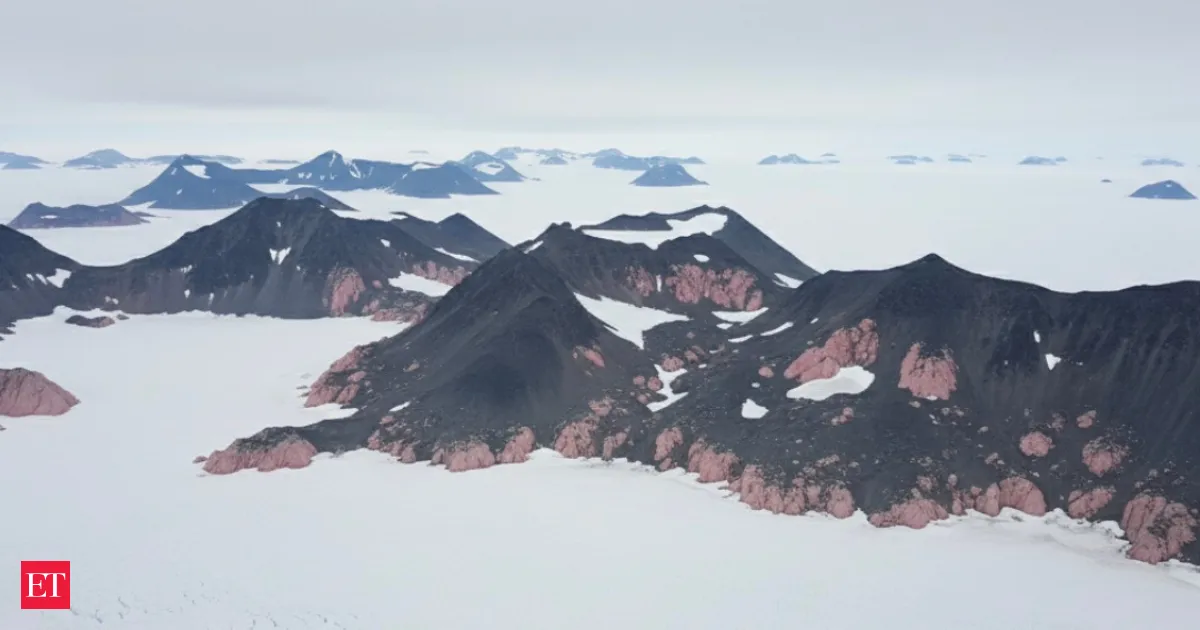
Bright pink granite boulders on Antarctica’s Hudson Mountains were the clue to something far larger beneath the ice. Using aerial gravity mapping and geology analysis, researchers found a massive granite formation about 100 kilometers wide and 7 kilometers deep under the Pine Island Glacier. The result could refine understanding of Antarctic geology and how this glacier influences sea level projections.
Follow your favourite sources
Track sources, tags and categories — all in the Beige app.
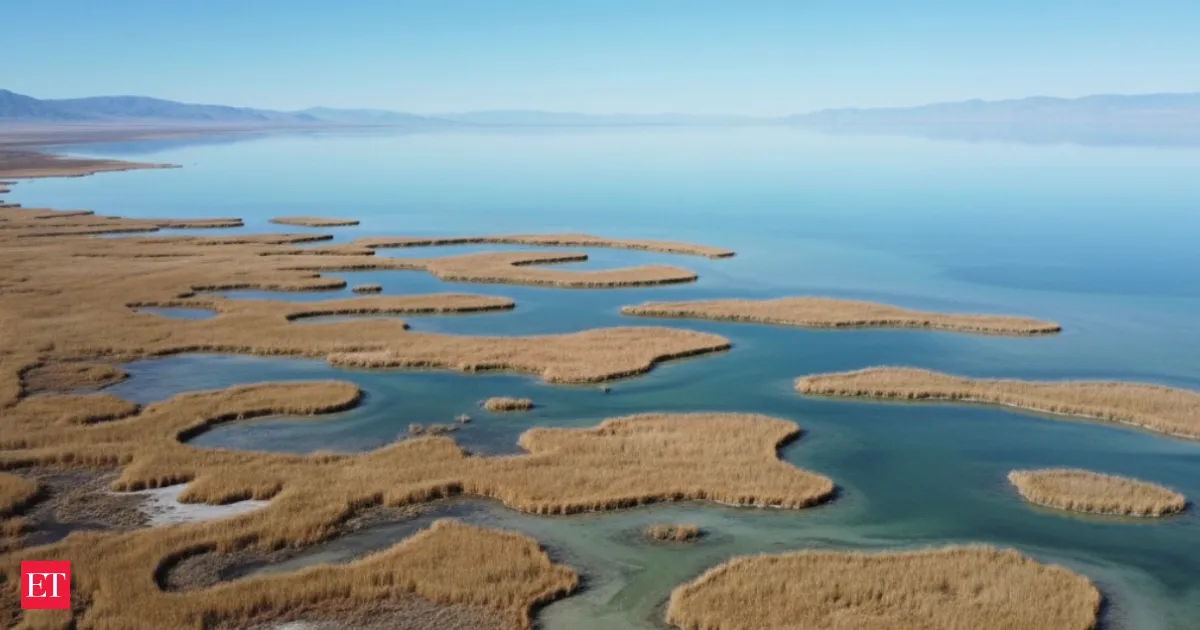
A new study using airborne electromagnetics and satellite imagery reveals a vast underground freshwater system extending kilometers beneath Utah’s Great Salt Lake. The discovery challenges the belief that the basin’s extreme salinity dominates underground conditions. Researchers say the hidden water could reshape approaches to managing exposed sediment and related air pollution, but experts warn against careless pumping that could trigger unintended environmental effects.
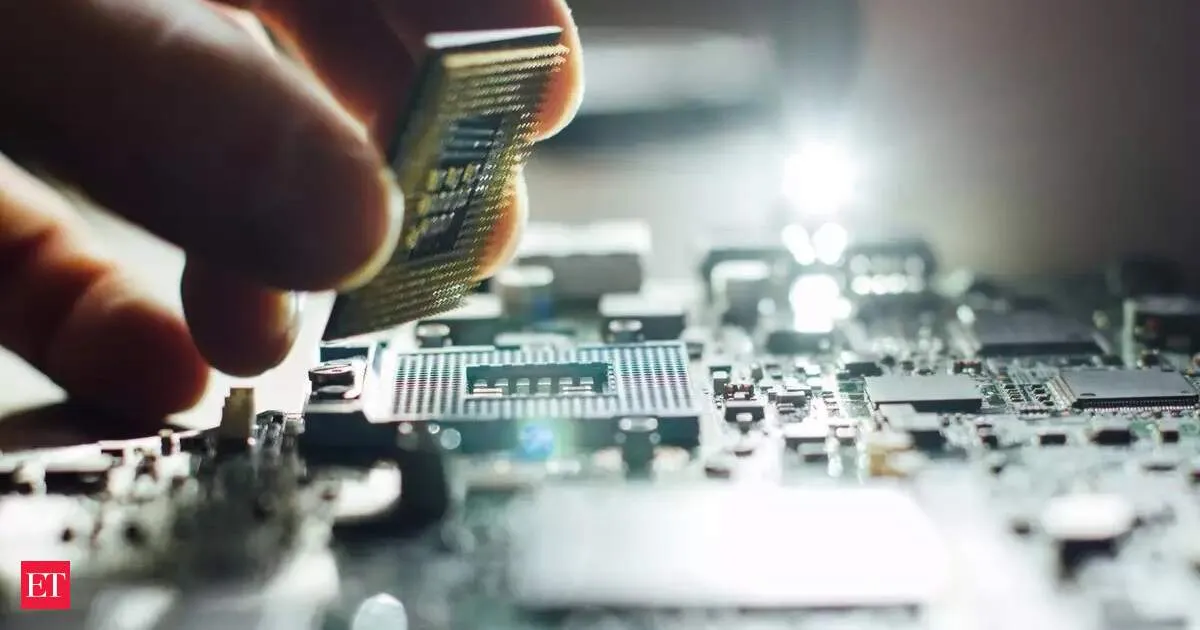
In 1916, Polish scientist Jan Czochralski’s lab accident—dipping his pen into molten tin—helped inspire a breakthrough in crystal growth. His Czochralski method made it possible to create highly pure silicon crystals, a foundation for semiconductor manufacturing. That quiet advance now underpins the chips running smartphones, computers, and even vehicles, long after his own struggles.
On National Technology Day, Prime Minister Narendra Modi praised India’s scientific community and called the 1998 Pokhran nuclear tests a landmark moment that proved the country’s scientific excellence. In his message, Modi stressed that technology is a key pillar of a self-reliant India, powering innovation and supporting economic growth as the nation advances technologically.
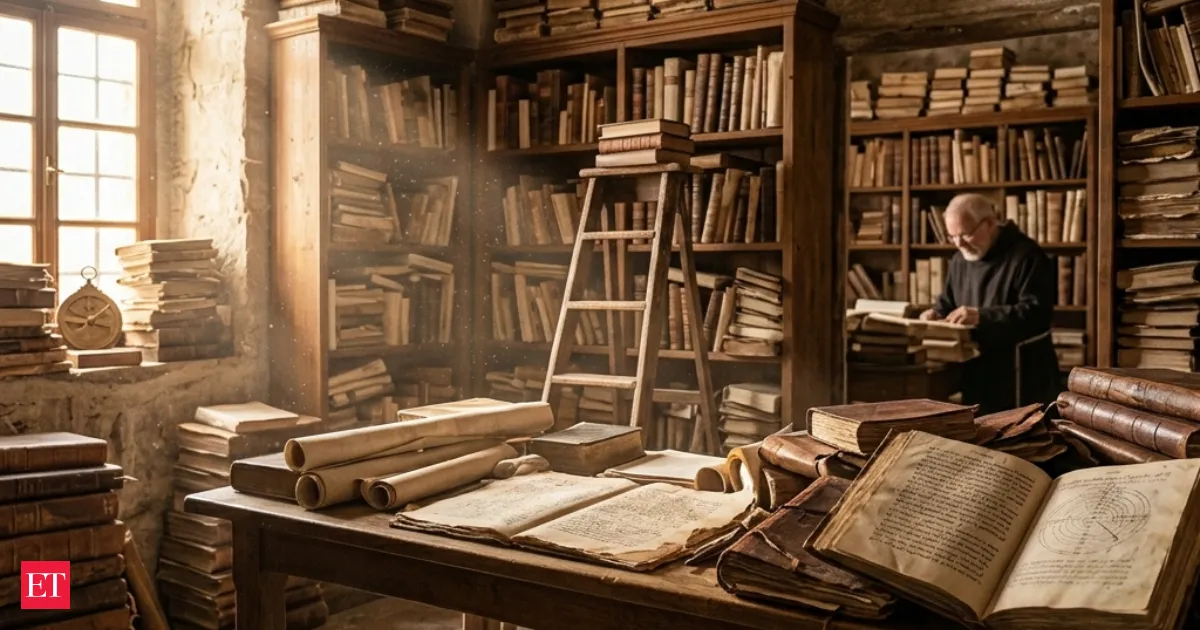
Researchers used advanced X-ray imaging to uncover ancient astronomical fragments hidden beneath medieval writings, preserved only because older parchment was reused. The team believes the recovered pieces may connect to Hipparchus, shedding light on early efforts to systematically catalog the night sky. It is a rare snapshot of how ancient science survived by accident, then re-emerged through modern technology.
Stay informed on the go
Bite-sized news from 100+ trusted sources, right in your pocket.
Movies give T rex a roaring soundtrack, but scientists argue that fossil clues don’t match loud calls. Instead, they suggest it likely produced low-frequency, resonant sounds—something closer to certain modern animal vocalizations. By comparing T rex-like traits to living birds and crocodiles, researchers narrow down how this giant may have sounded, even if the exact “voice” is still unknown.
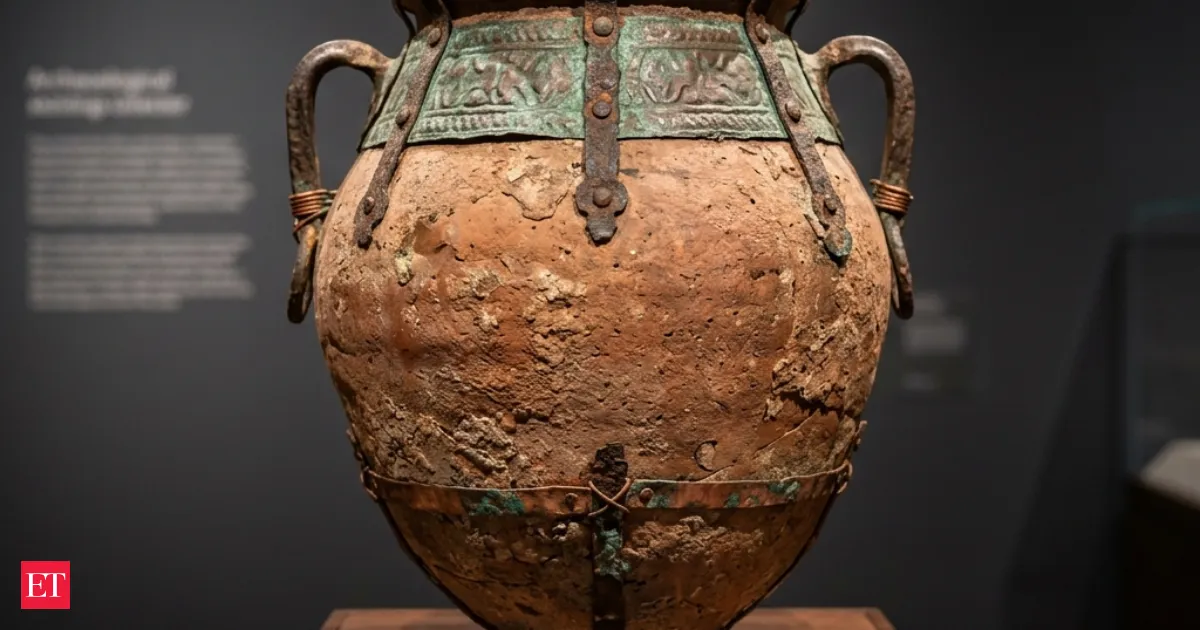
A clay pot found in 1938 near Baghdad, containing a copper cylinder and iron rod, ignited excitement about an “ancient battery.” Modern experiments show the setup can produce electricity, yet researchers say there’s no historical proof it was used for electrochemical power. The design may instead have been intended for a more ordinary storage or craft purpose.
Swipe through stories, personalise your feed, and save articles for later — all on the app.