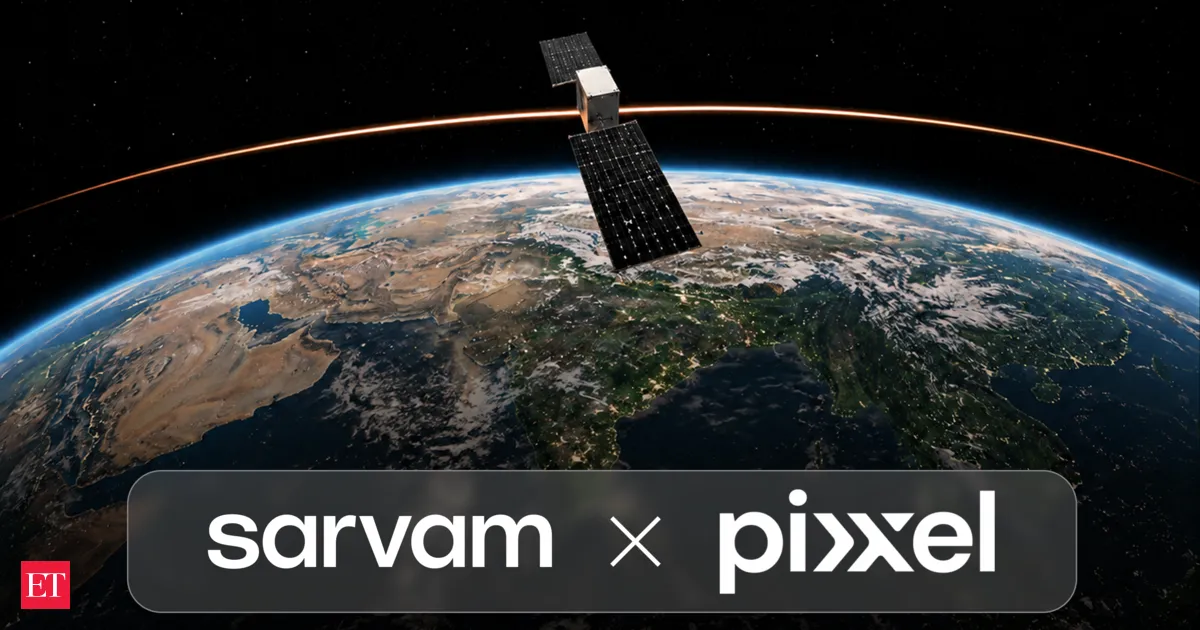
Sarvam AI and Pixxel are joining forces to develop Pathfinder, India’s first orbital AI system designed to process satellite imagery in space. Instead of streaming raw data to Earth, the mission will use onboard intelligence to convert it into actionable insights first, aiming to speed decisions for disaster response, agriculture, and environmental monitoring.
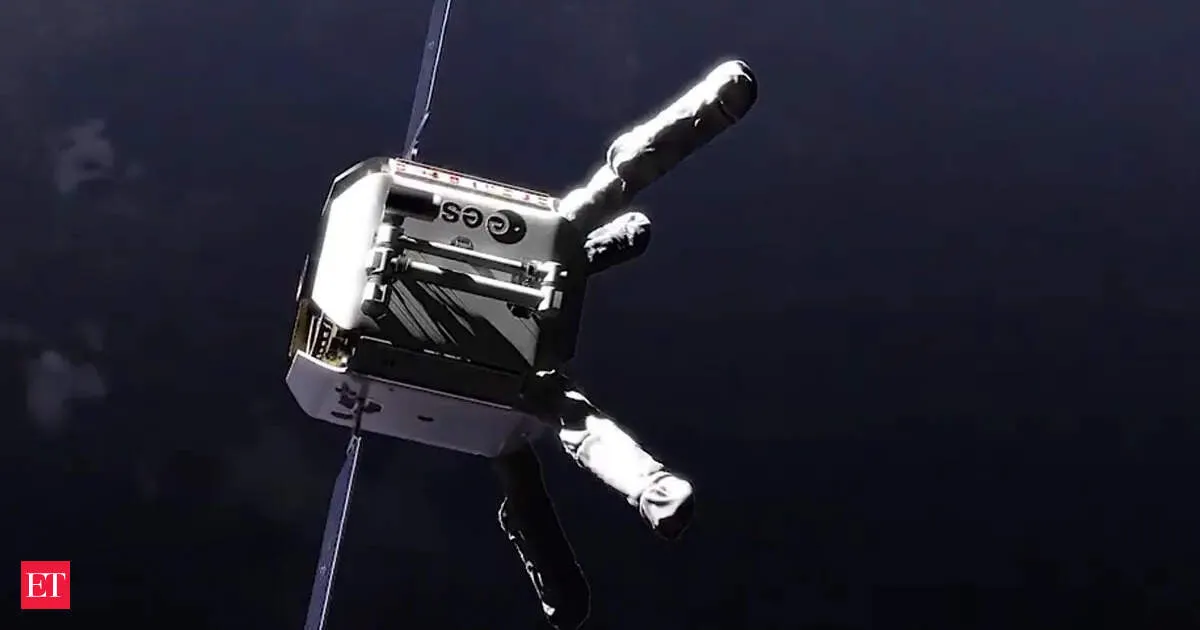
A new study introduces “CRASH Clock,” estimating how quickly satellites could collide if they lose control—possibly within days. Researchers say solar storms can knock out communications, leaving spacecraft unable to maneuver. With more satellites than ever in orbit, including thousands of avoidance moves by Starlink, the paper underscores an escalating collision threat as launches surge.
Your news, in seconds
Get the Beige app — every story in 60 words, updated hourly. Free on iOS & Android.
Spacetech firm Pixxel is teaming up with AI startup Sarvam to launch an orbital data center satellite, aiming to deliver computing power in space. The move signals how quickly AI and space are converging into new infrastructure plays. The dispatch also notes fintech interest intensifying in India’s Gift City as firms look for growth and regulatory clarity.
Pixxel and Sarvam have joined forces to build “Pathfinder,” an orbital data centre satellite that runs AI models directly in space. Instead of sending raw data back to Earth first, the craft will process large volumes in orbit for faster, real-time insights. The approach could strengthen data sovereignty while boosting capabilities for environmental monitoring and resource management with less ground infrastructure.
SpaceX’s Falcon 9 launched Bengaluru startup GalaxEye’s Drishti, the world’s first OptoSAR satellite combining electro-optical and synthetic aperture radar in one platform. Built for all-weather, day-and-night Earth observation, it can deliver consistent, sharp imagery even through clouds, smoke, and rain. With AI processing onboard and strong radar resolution, it targets defence, disaster response, and high-frequency monitoring.
Pixxel and Sarvam have formed an alliance to build India’s first orbital data-centre satellite, launching a 200 kg-class Pathfinder by Q4 2026. The satellite will carry data-centre-grade GPUs and hyperspectral imaging to run full-stack language models in orbit for training and inference. The goal: cut data lag and reduce dependence on energy-hungry ground infrastructure.
Never miss a story
Set alerts for the topics and sources you care about. Download Beige for free.
Prime Minister Narendra Modi praised GalaxEye’s Mission Drishti after its OptoSAR satellite entered orbit, combining electro-optical imaging with radar in a world-first design. The data is expected to support defense, agriculture, and disaster management. GalaxEye also plans to build a constellation of 10 satellites by 2030 to boost India’s earth observation capabilities.
Taiwanese electronics giant Foxconn says its second-generation low-Earth orbit satellites have been launched aboard a SpaceX Falcon 9 from California. The move marks Foxconn’s newest attempt to break beyond hardware manufacturing and into space technology, signaling deeper investment in satellite systems and next-stage deployment plans for its LEO constellation ambitions.
Spacetech startup GalaxEye has successfully launched its first Earth observation satellite, Mission Drishti, aboard a SpaceX Falcon 9. Built over five years, the 190 kg spacecraft pairs electro-optical and SAR sensors to capture high quality imagery in all weather, day or night. The company says it will sell satellite data to clients worldwide.
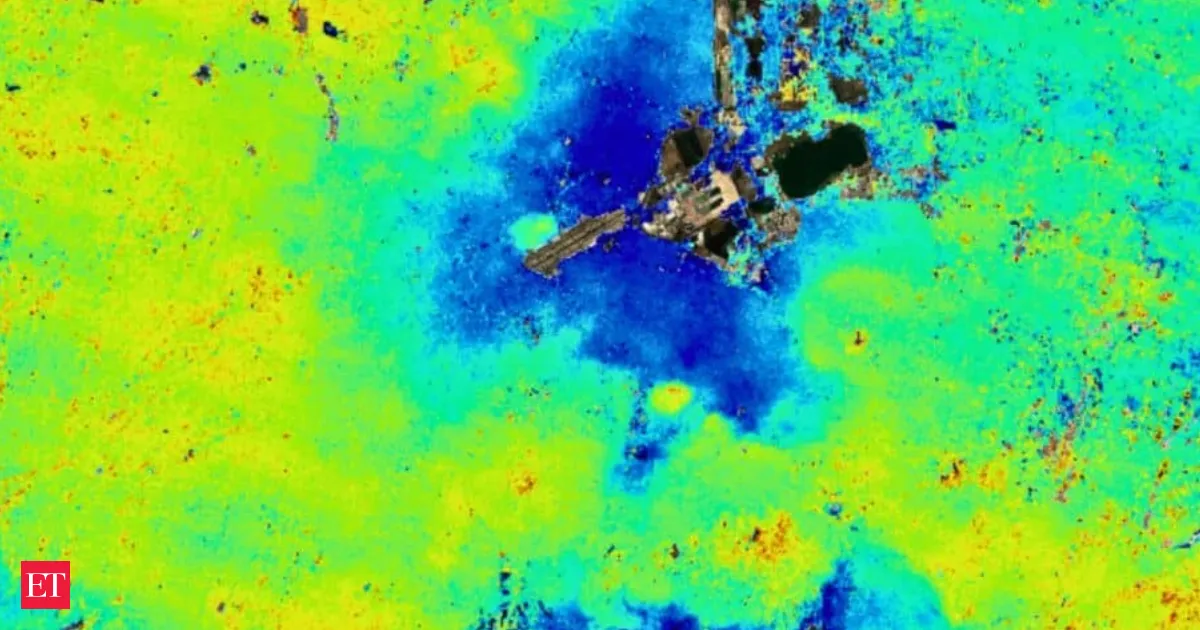
NASA’s NISAR satellite has captured troubling new measurements of Mexico City’s ground collapse, with some areas dropping nearly half an inch every month. The long-running sinking trend, worsened by groundwater extraction and rapid urbanization, is now being tracked with dual-frequency radar for sharper, neighborhood-level data. The findings could guide mitigation and safer urban planning.
Reading on mobile?
Open Beige in the app for a smoother experience — free on iOS and Android.
Iran has reportedly inflicted significant damage on US military bases across the Gulf, with Kuwait and Qatar drawing particular attention. Reports say key assets—including aircraft and radar systems—were hit, exposing a fresh vulnerability for American installations. Troops reportedly evacuated positions, while Iran’s improved satellite capabilities are cited as a factor in the strikes.
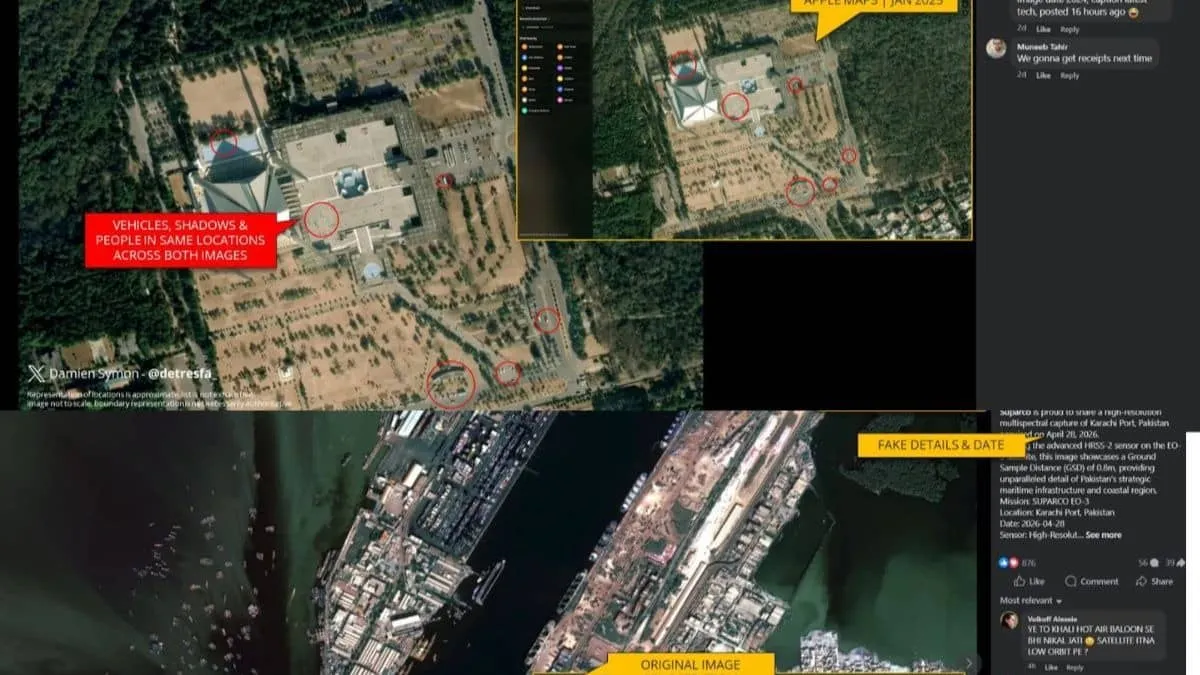
Pakistan’s space agency SUPARCO celebrated the April launch of its EO-3 satellite, but its own website later showed the “new” image had already been uploaded months earlier in 2025. The identical photograph suggests the mission’s first view was repackaged as fresh, helping build a misleading narrative around an otherwise real but modest achievement.
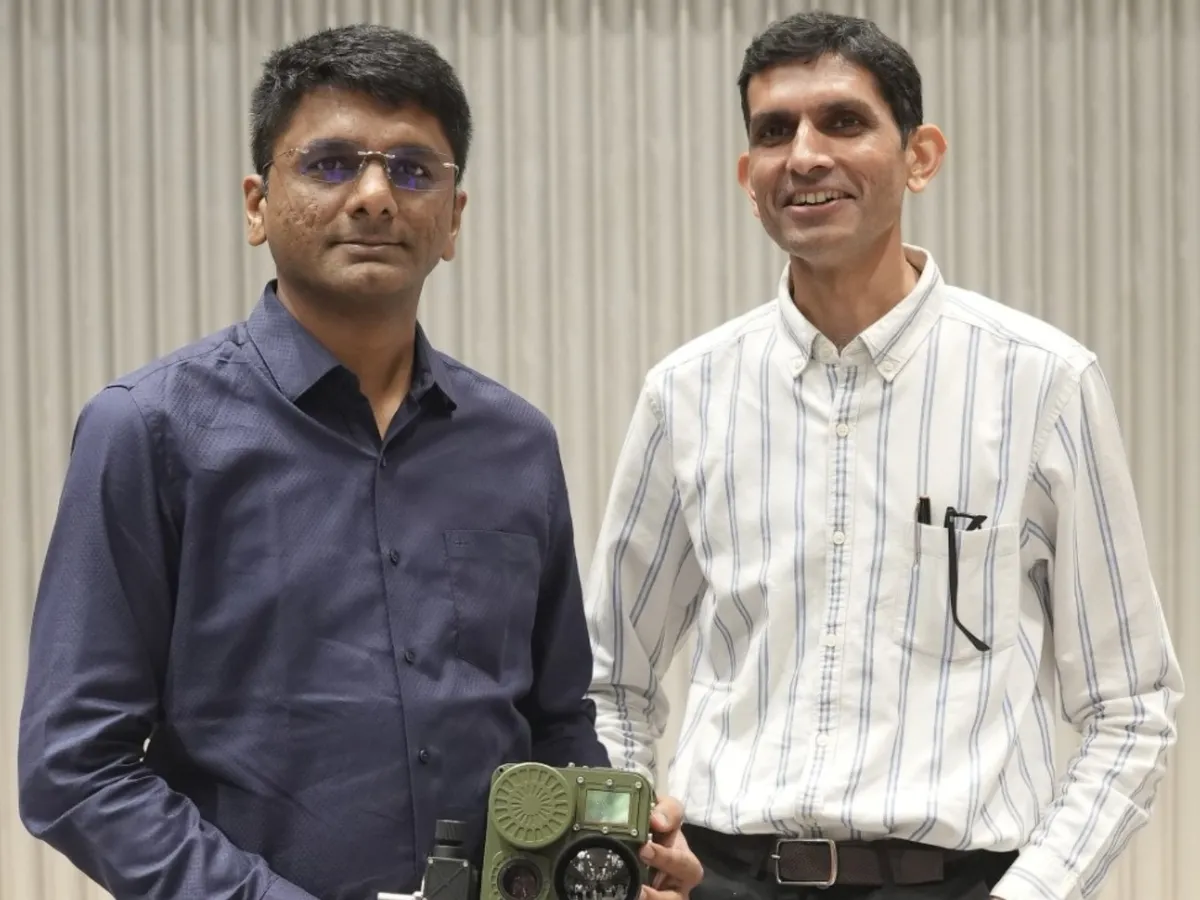
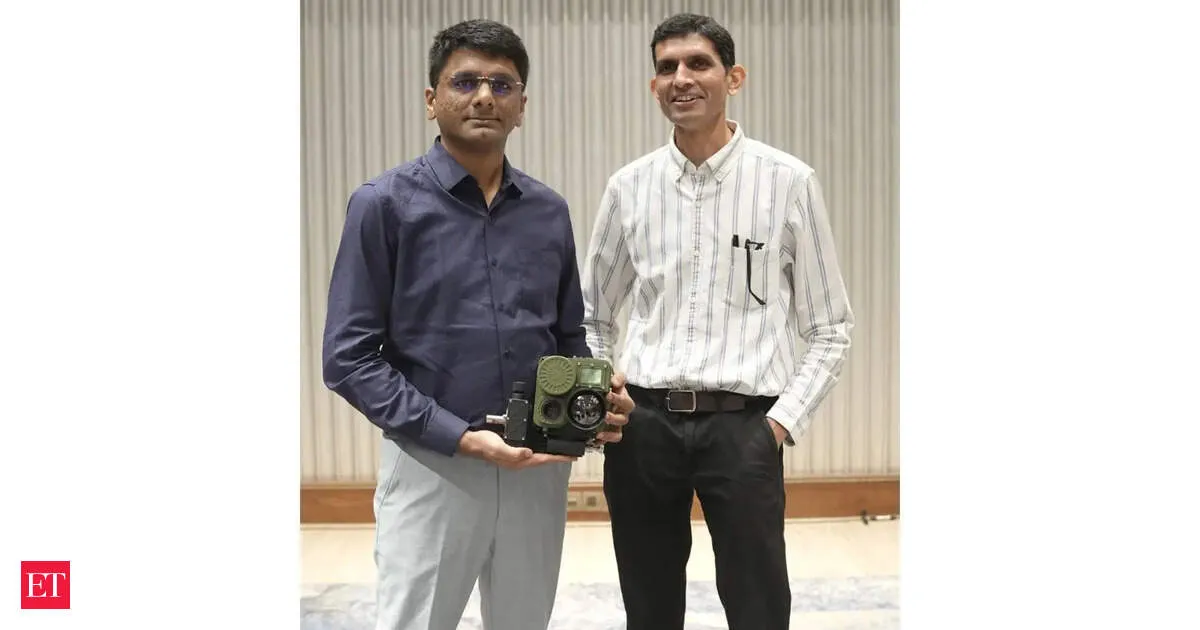
Deeptech startup Optimized Electrotech has raised ₹35 Cr in a round led by Exfinity Ventures to expand into space-based sensing. The firm says it will build satellite systems, grow its defense and security presence, and scale AI-enabled imaging for continuous real-time surveillance. Founded in 2017, it serves the Indian Army and Navy and works with ISRO, with initial satellite orders already secured.
Big tech and startups are building orbital data centers to run AI-driven processing in space, using an edge-computing model that reduces latency and energy consumption. Instead of sending everything down to Earth, satellites can prioritize high-value data and transmit it selectively, improving autonomy and enabling faster insights for defense and climate monitoring.
Follow your favourite sources
Track sources, tags and categories — all in the Beige app.
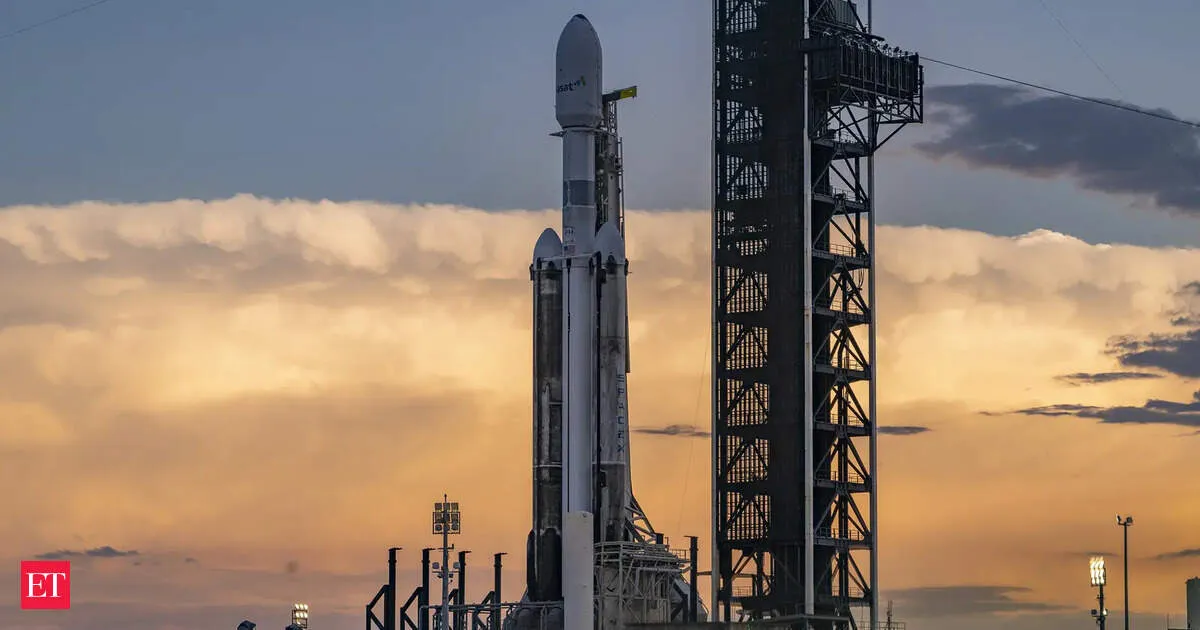
SpaceX has delayed its Falcon Heavy launch carrying the ViaSat-3 F3 high-capacity communications satellite after adverse weather conditions scrubbed the mission moments before liftoff. The satellite is designed for deployment into geosynchronous transfer orbit to expand global broadband coverage. Despite the setback, the launch remains closely watched, with Falcon Heavy returning after a long break.
Optimized Electrotech has raised Rs 35 crore in a round led by Exfinity Ventures to accelerate its shift into space-based sensing. The company says it is building a sovereign sensing stack for India, supported by initial orders for a satellite platform and prior defence deployments. The money will help it develop satellites and constellation infrastructure for persistent, real-time imaging and surveillance.
In 2025, ISRO reportedly issued about 1.5 lakh close-approach alerts for its Earth-orbiting satellites, reflecting how crowded space has become. The agency carried out four collision avoidance manoeuvres for GEO satellites and 14 for LEO spacecraft, including an avoidance action linked to the joint NASA-ISRO NISAR mission.
SatLeo Labs, an IN-SPACe incubated spacetech startup, has raised $2.2 million from Unicorn Ventures to build a multi-spectral satellite constellation. Co-founded by Shravan Singh Bhati, Ranendu Ghosh, and Urmil Bakhai, the system aims to deliver high-resolution, continuous earth observation data for climate monitoring, defence, agriculture, and disaster response.
Stay informed on the go
Bite-sized news from 100+ trusted sources, right in your pocket.
Swipe through stories, personalise your feed, and save articles for later — all on the app.