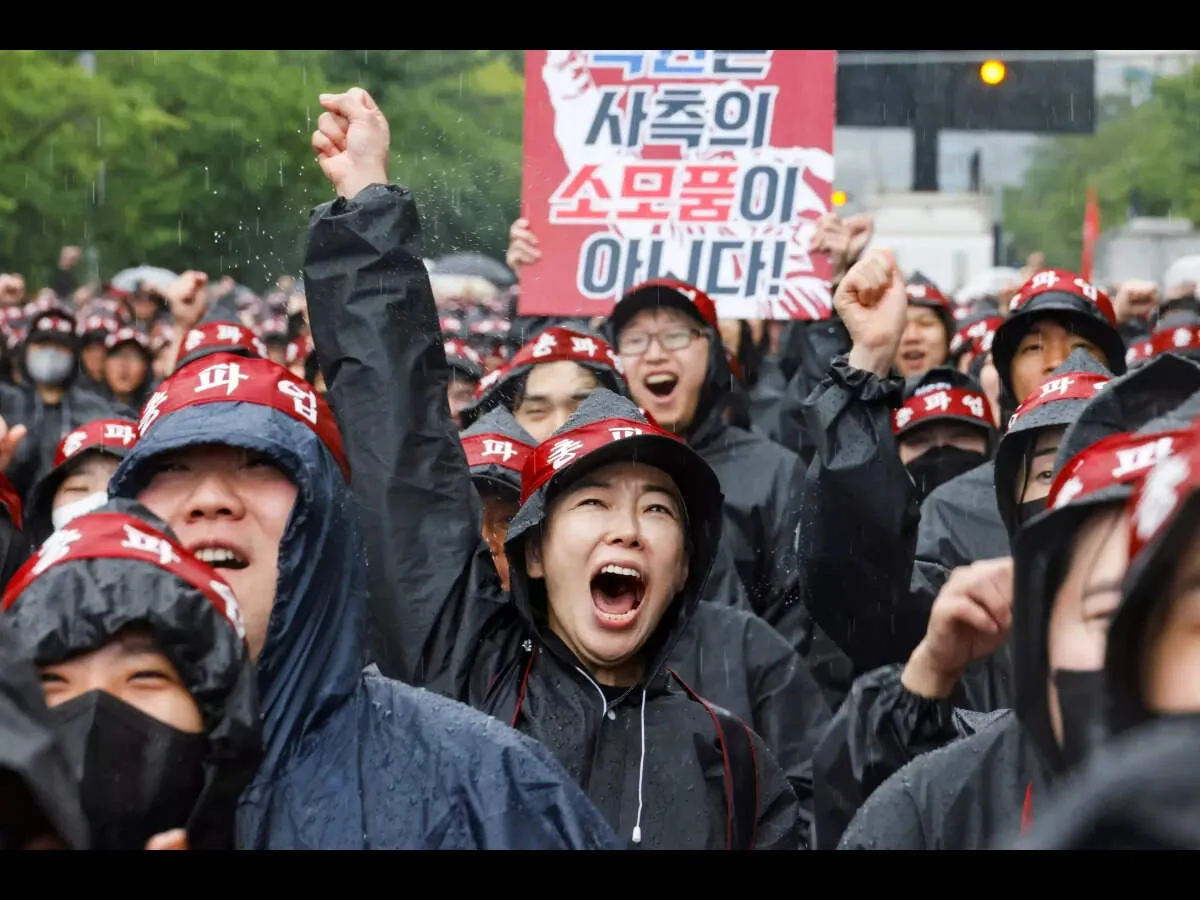
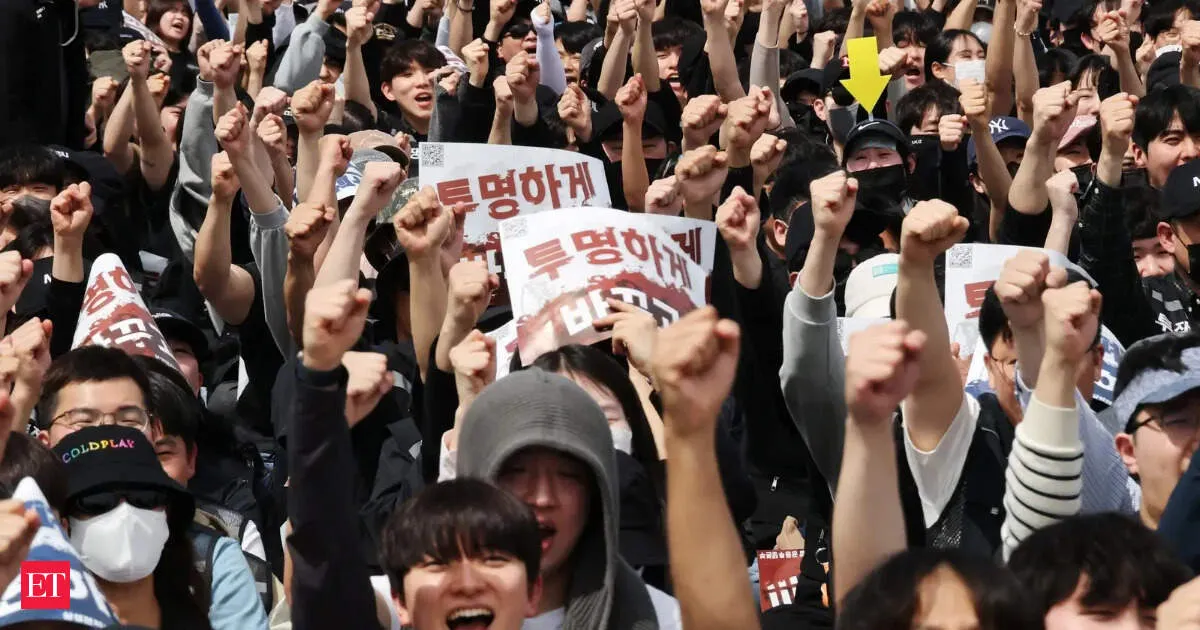
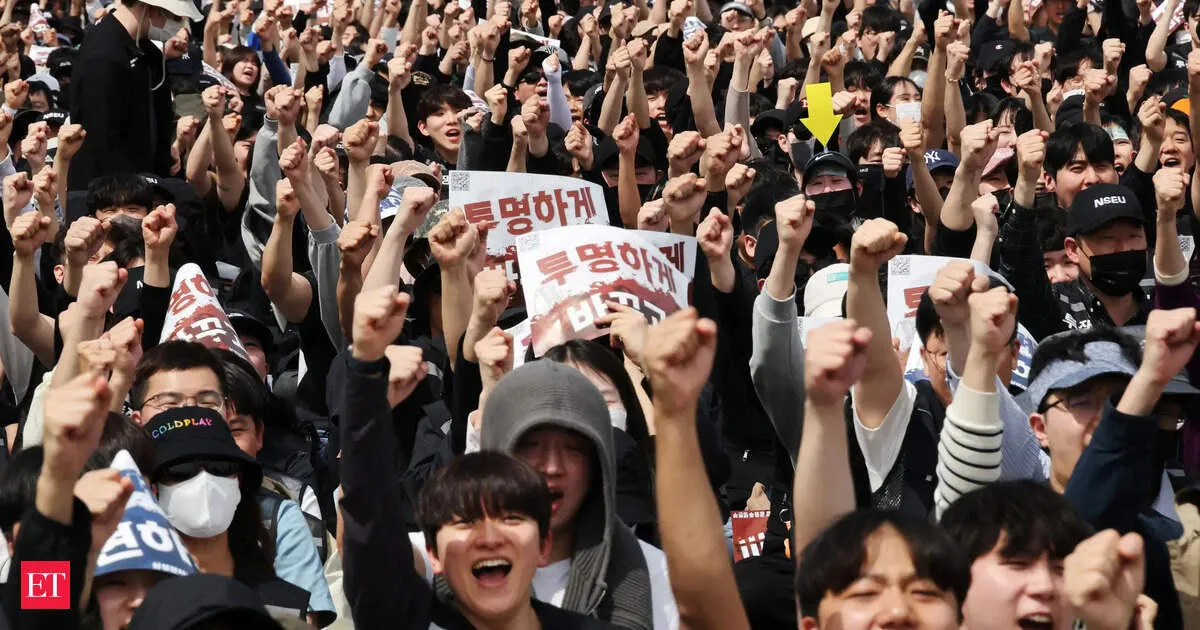
Samsung Electronics is bracing for an 18-day strike by more than 45,000 workers starting May 21, a move that could disrupt memory chip output vital for AI data centers and consumer devices. The dispute centers on bonus pay: Samsung wants memory employees (about 27,000) to receive at least six times more than staff in its logic chip design and manufacturing units. Union leaders warn the gap will drive talent away, weaken foundry operations, and threaten Samsung’s push to be a one-stop semiconductor supplier worldwide.
Samsung’s planned 18-day strike starting May 21, 2026 is casting a long shadow over the global AI chip supply chain. With 45,000 workers expected to walk out, JPMorgan estimates Samsung could lose $14 billion to $20.79 billion in operating profit. The trigger is a widening bonus divide: memory chip employees were offered 607% bonuses, far higher than logic and foundry workers tied to AI processors for Nvidia and Tesla—reshaping labor tensions across the semiconductor ecosystem.
Your news, in seconds
Get the Beige app — every story in 60 words, updated hourly. Free on iOS & Android.
Samsung Electronics is bracing for a potential 18-day strike that could disrupt global memory chip supply after more than 45,000 workers demanded more equal AI boom bonus payouts. The company’s proposal favors memory chip employees, offering them at least six times higher bonuses than logic chip workers in system LSI and foundry units. Union leaders warn the pay gap could trigger talent flight and harm Samsung’s push to become a “one-stop” global chip supplier. Investors and government are watching closely.
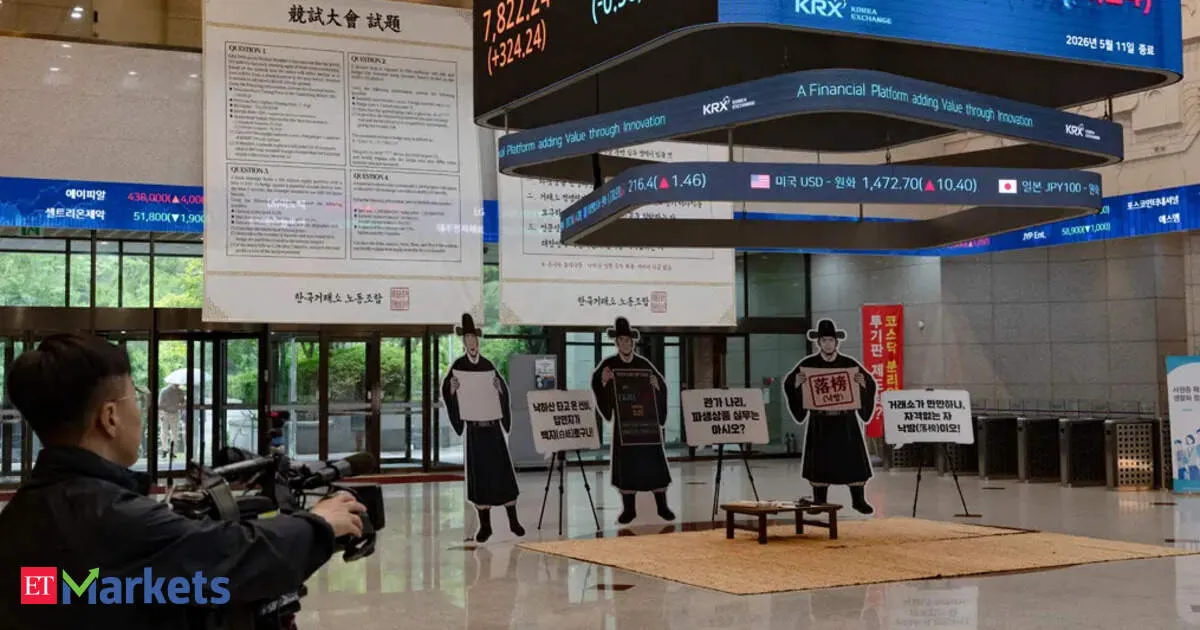
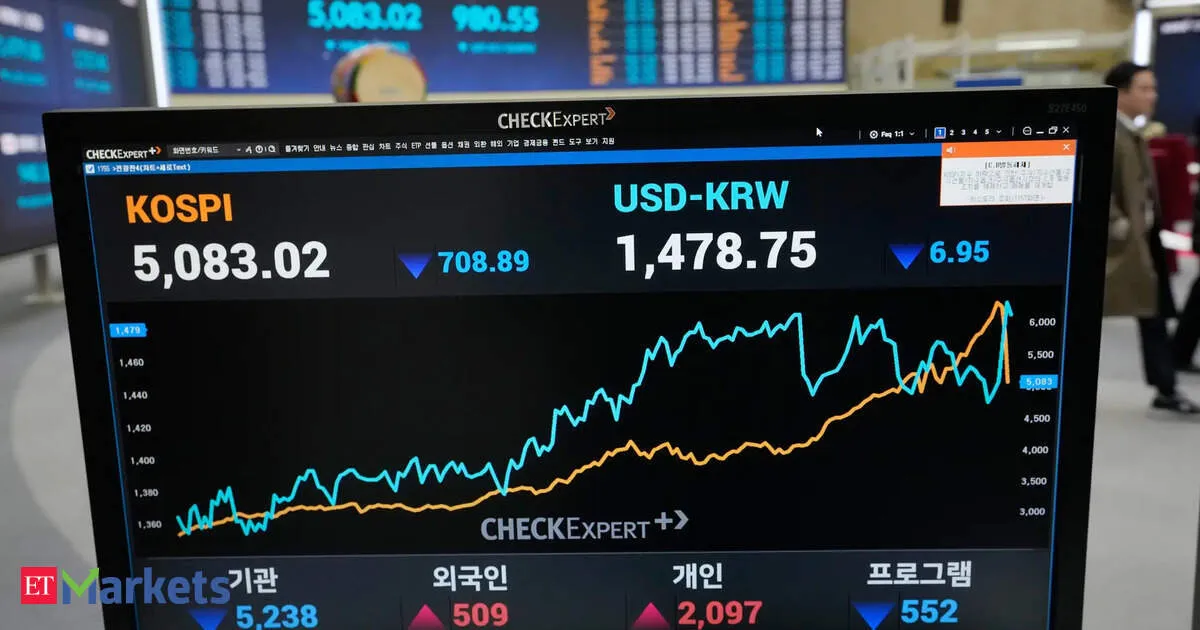
South Korea’s Kospi whipsawed sharply, briefly crossing the historic 8,000 level before plunging more than 6% as tech stocks sold off and foreign investors exited. The index erased its early gains to close at 7,493.18, while the Kosdaq fell over 5%. Samsung Electronics became the focal point after its union approved an 18-day strike starting May 21, even as the company offered fresh wage talks. The shock spread across Asian markets amid geopolitical noise and renewed US Iran pressure.
Samsung Electronics shares sank more than 9% on Friday after a labour dispute escalated at the world’s biggest memory chipmaker. An 18-day strike starting May 21 remains on the table even as Samsung offered unconditional talks, following failed government-mediated negotiations over 2026 wages and bonuses. Reuters reports union participation could involve over 50,000 workers, heightening fears of disruptions to chip production and deliveries. JPMorgan estimates operating profit impact could reach 21 trillion to 31 trillion won.
Samsung Electronics’ labour union has refused to restart pay negotiations, insisting on transparency in the company’s bonus scheme. The standoff could trigger an 18-day strike if demands aren’t met. South Korea’s government is urging both sides to negotiate, warning that disruptions could harm the country’s chip export engine.
Never miss a story
Set alerts for the topics and sources you care about. Download Beige for free.
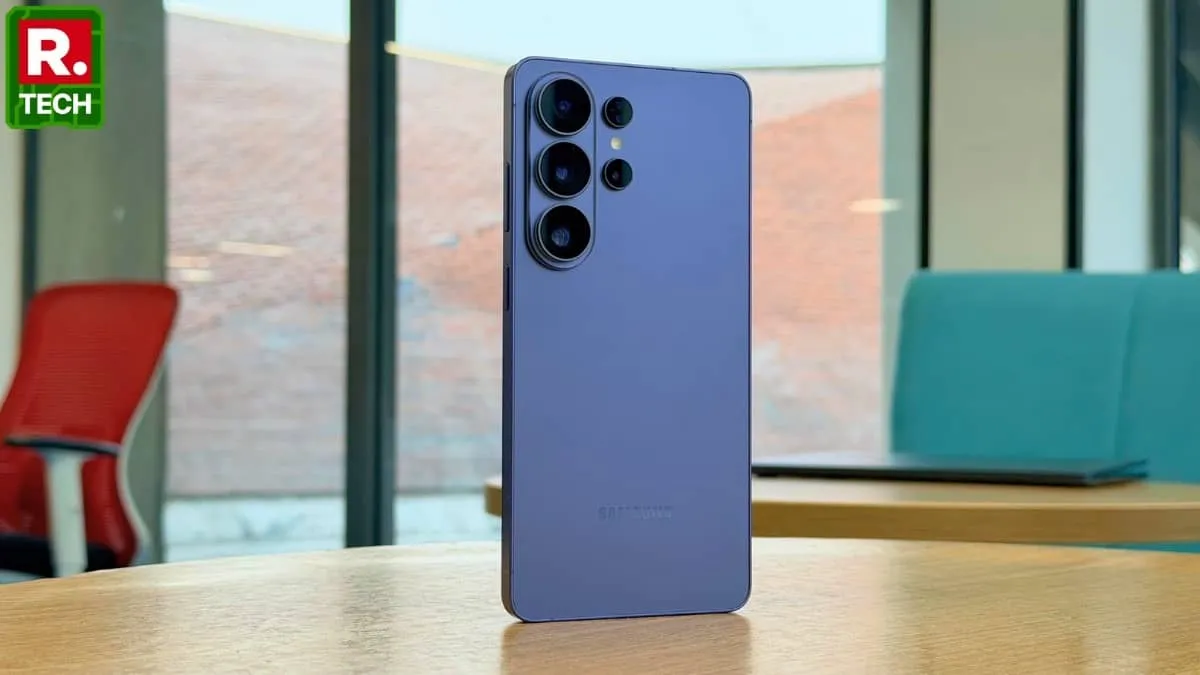
Samsung is rolling out a One UI 9 beta built on Android 17, with the first wave slated for the Galaxy S26 series later this week. The update promises expanded personalisation, stronger accessibility, new creative tools, and tighter security features across eligible devices, though early access is expected to be limited and staggered rather than universal.
Samsung Electronics’ South Korea labour union is threatening to stop pay negotiations unless a mediation proposal is put forward. The union is pressing for a larger share of operating profit to boost performance bonuses, arguing payouts are smaller than rival SK Hynix. The dispute intensifies despite Samsung’s record profits fueled by the AI chip boom.
Samsung Electronics and its labour union are holding crucial talks to prevent a May 21 strike at the world’s largest chipmaker. The walkout could disrupt global semiconductor supply chains. The dispute hinges on performance-based bonuses: workers want a bigger share of profits, while management warns higher payouts may hurt long-term sustainability. It’s also the company’s second strike threat.
Pop star Dua Lipa has sued Samsung Electronics, accusing the company of using her image on television packaging without permission. She is seeking at least $15 million in damages and alleges violations spanning copyright, trademark, and publicity rights. Samsung has not commented on the ongoing case, leaving the claims to play out in court.
Reading on mobile?
Open Beige in the app for a smoother experience — free on iOS and Android.
Samsung has opened a new Business Experience Studio in Gurugram to showcase AI-powered solutions for industries including retail, banking, and healthcare. The initiative is aimed at accelerating India’s digital transformation and moving intelligent, connected business environments to more cities. The studio will also act as a partner hub for building customized enterprise solutions.
An analyst, Ming-Chi Kuo, reports that OpenAI may be preparing an AI phone designed to compete with Apple’s iPhone and Samsung’s Galaxy lineup. The claim suggests OpenAI wants to move beyond apps and services into the smartphone itself, positioning AI as a core product differentiator rather than a feature layer.
Samsung has started negotiations with the government to renegotiate terms for smartphone and IT hardware supply contracts. The move comes as component prices keep climbing, squeezing margins and financial commitments. Even as demand from government sectors stays strong, the company is seeking updated terms that better reflect current cost pressures and protect pricing viability.
Apple is reportedly in exploratory talks with Intel and Samsung as it searches for backup chip suppliers in the US. The move follows recent supply disruptions that exposed how vulnerable production can be. The news has already shaken markets, with Intel’s stock jumping roughly 12%, signaling investor optimism about a potential manufacturing role for Apple’s future chips.
Follow your favourite sources
Track sources, tags and categories — all in the Beige app.
Samsung Electronics’ climb to the $1 trillion club is being powered by AI-led demand for memory chips, lifting earnings and sentiment. The semiconductor unit is still the core growth engine despite global supply constraints. Yet smartphones remain a drag, and analysts say Samsung must keep investing to expand AI chip capacity to sustain leadership long term.
South Korea’s Kospi surged to a record high as Samsung Electronics rallied sharply, fueled by optimism around artificial intelligence-driven growth. Chipmaker SK Hynix also gained strongly, reinforcing the market’s AI momentum. Across the ocean, Wall Street pushed to fresh all-time highs as easing oil prices and corporate results beating expectations supported risk-on trading.
Samsung Electronics has crossed a $1 trillion market valuation, propelled by surging demand for AI-related chips. The company’s shares have quadrupled, making it only the second Asian firm after TSMC to hit the milestone. Analysts say this underscores memory’s structural role in AI infrastructure, while also lifting sentiment across regional tech stocks.
Samsung Electronics board chairman Shin Je-yoon urged unionised workers to resolve pay disputes after a planned 18-day strike starting May 21. He warned the action could harm investors, employees and South Korea’s wider economy, including threats to Samsung’s market leadership and potential capital outflows.
Stay informed on the go
Bite-sized news from 100+ trusted sources, right in your pocket.
Apple has reportedly held exploratory discussions with Intel and Samsung Electronics about producing the main processors for its devices, according to Bloomberg, citing people familiar with the talks. The move, if pursued, could diversify Apple’s chip supply chain and reshape how key processors are manufactured, with implications for US-based production and long-term sourcing strategy.
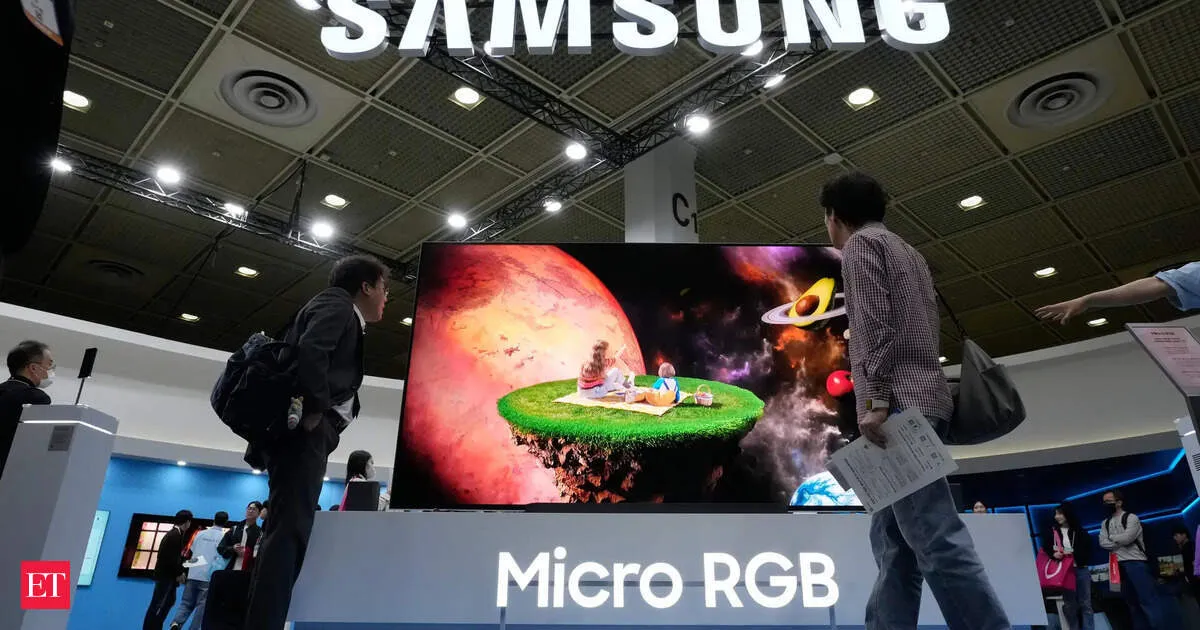
Samsung Electronics has appointed a new leader for its TV division, citing mounting pressure from fast-moving Chinese manufacturers. The change aims to inject fresh strategy as Samsung’s TV business faces tougher market conditions and recent profit declines. With rivals intensifying competition, the new TV chief will be expected to steer product and market moves to regain momentum.
Swipe through stories, personalise your feed, and save articles for later — all on the app.