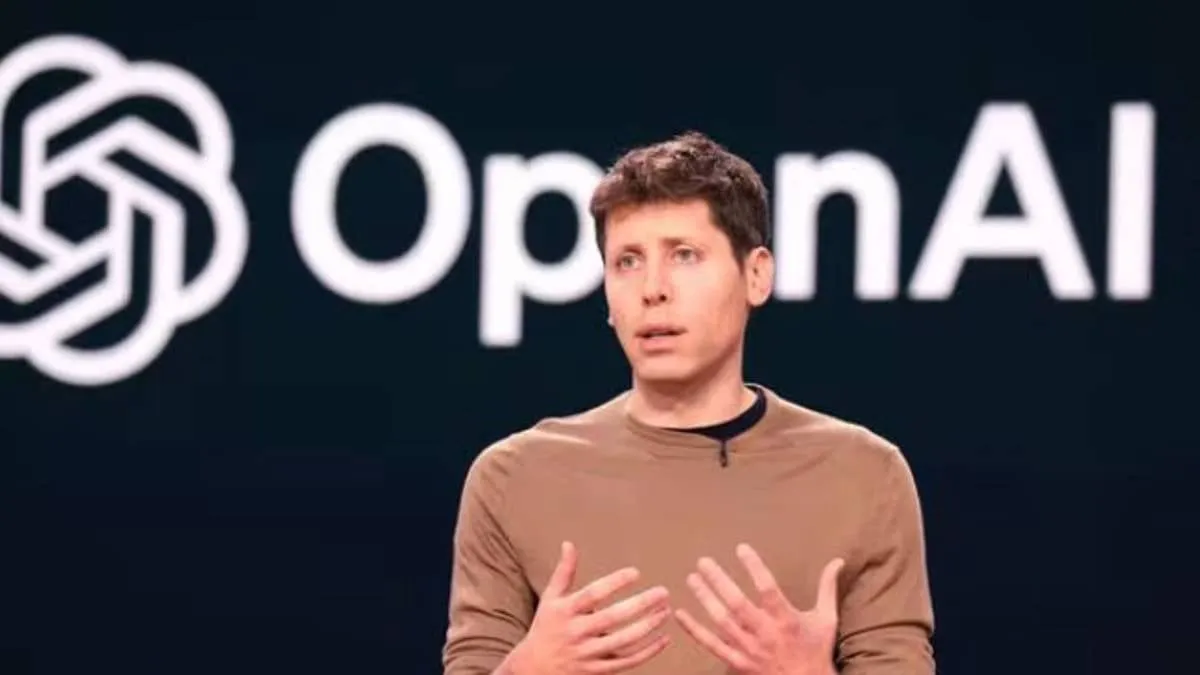
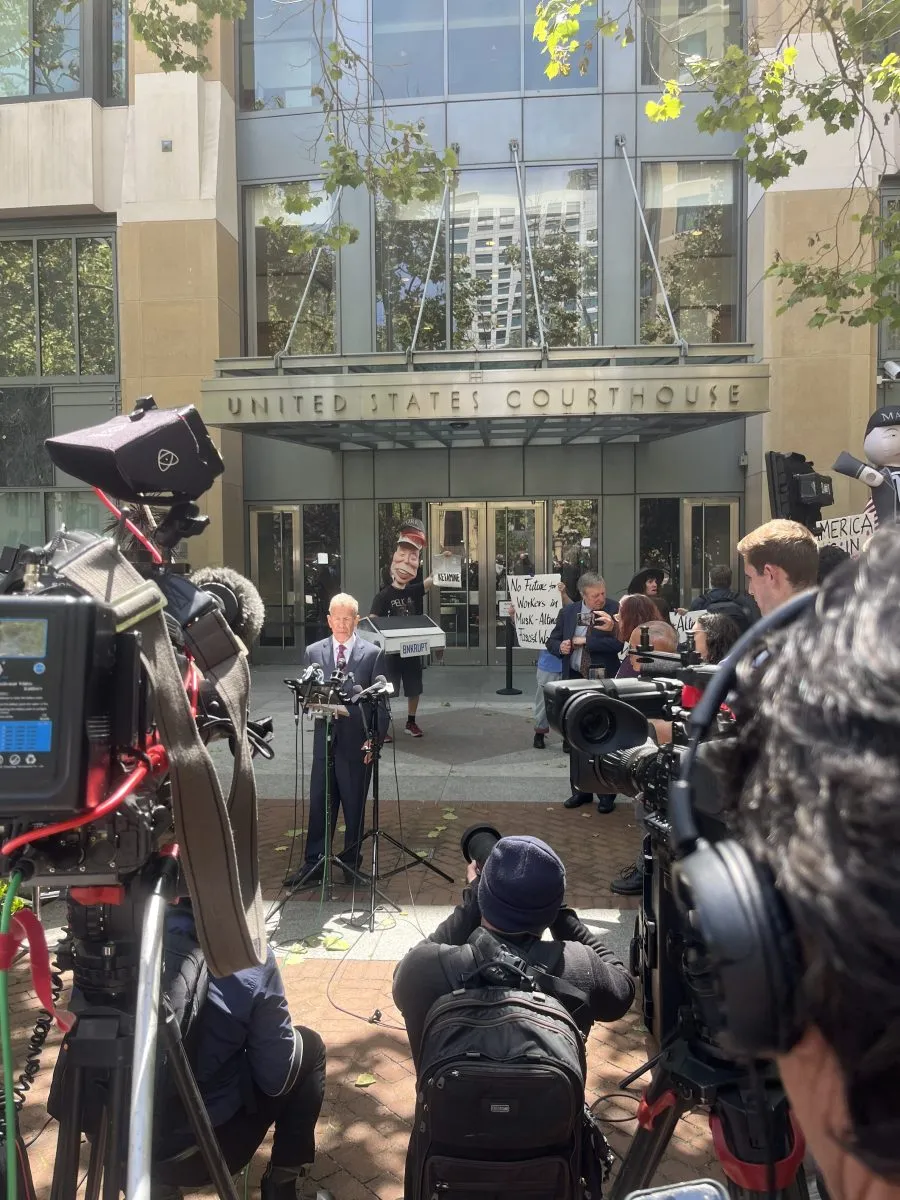
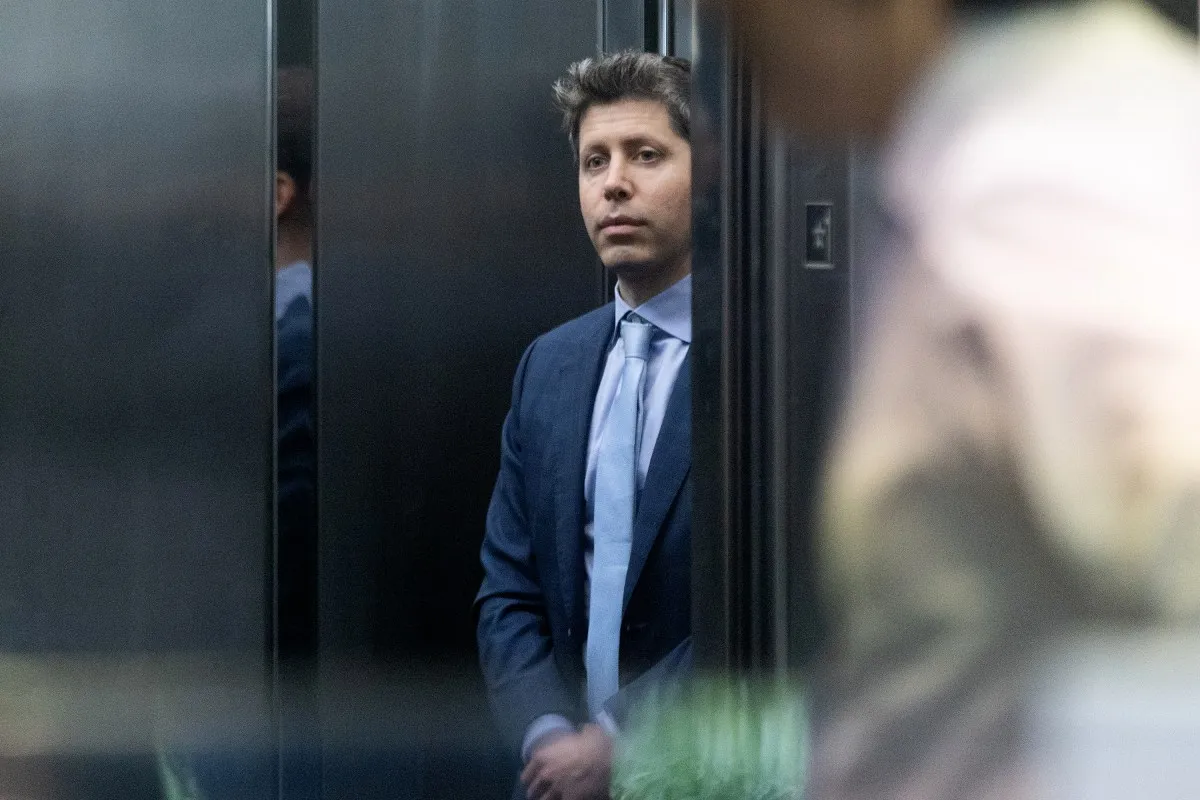
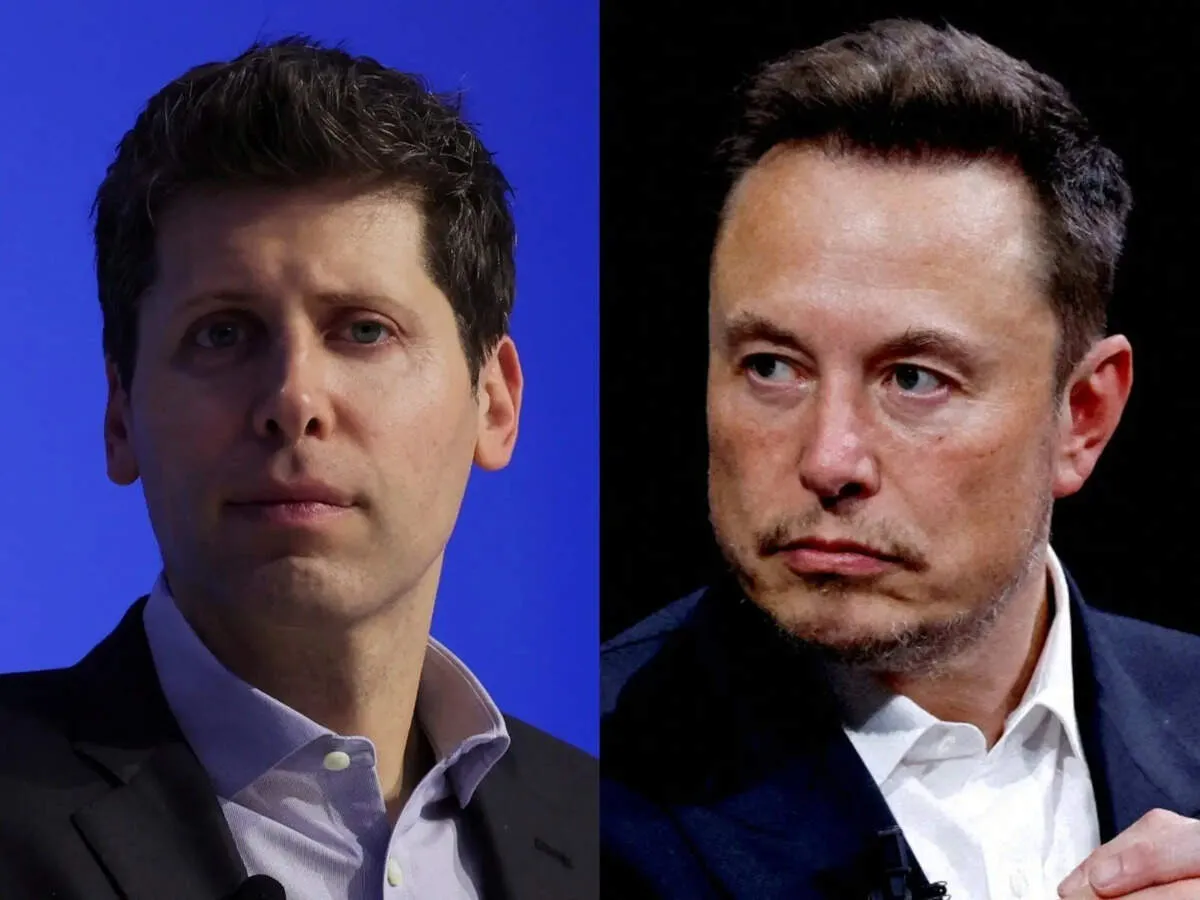
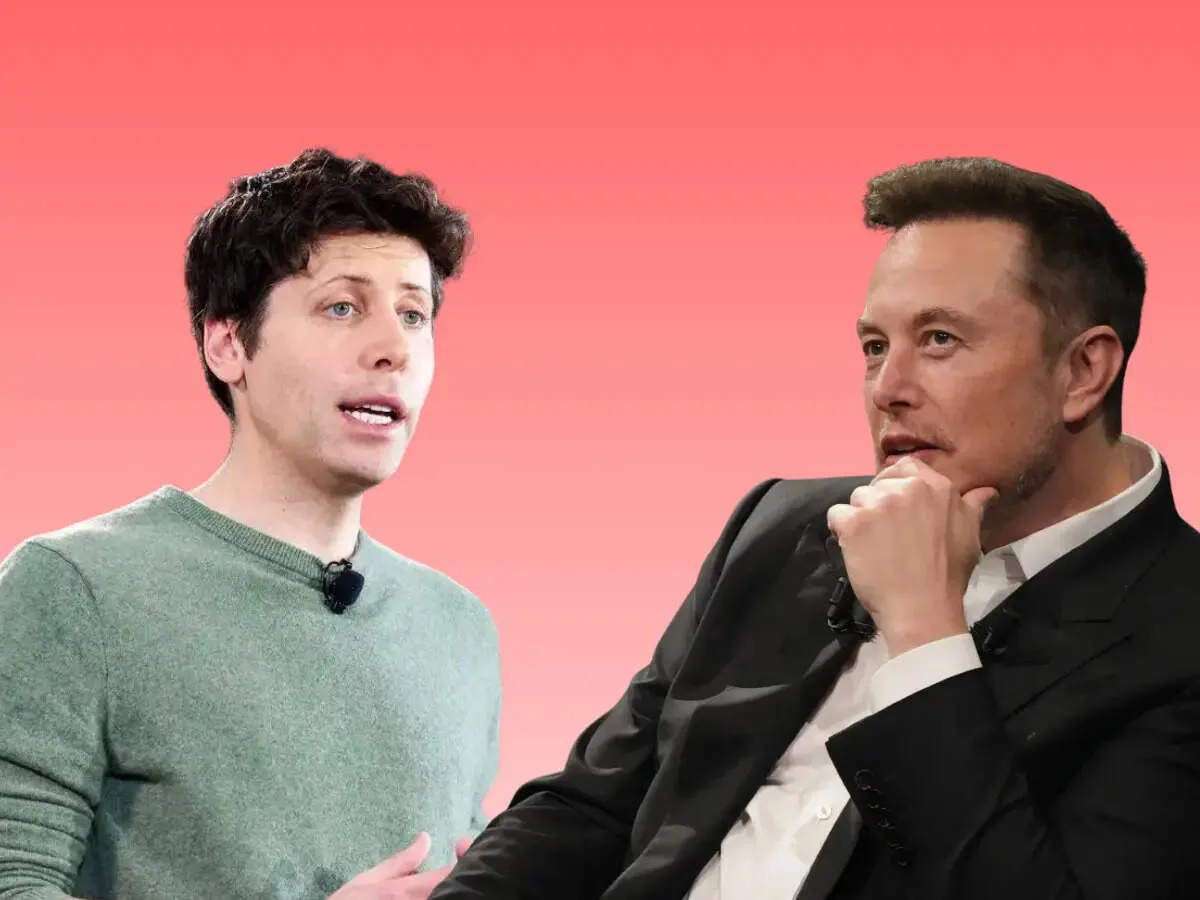
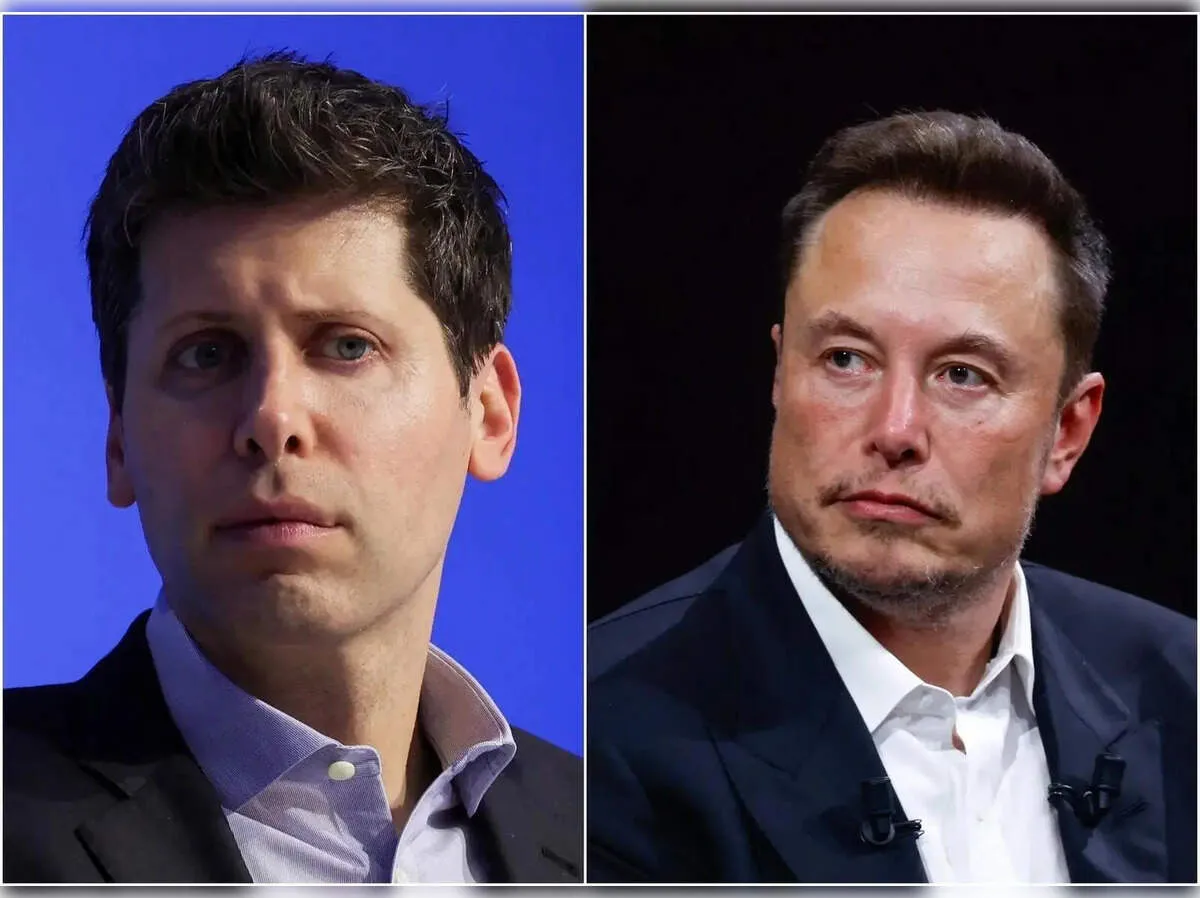
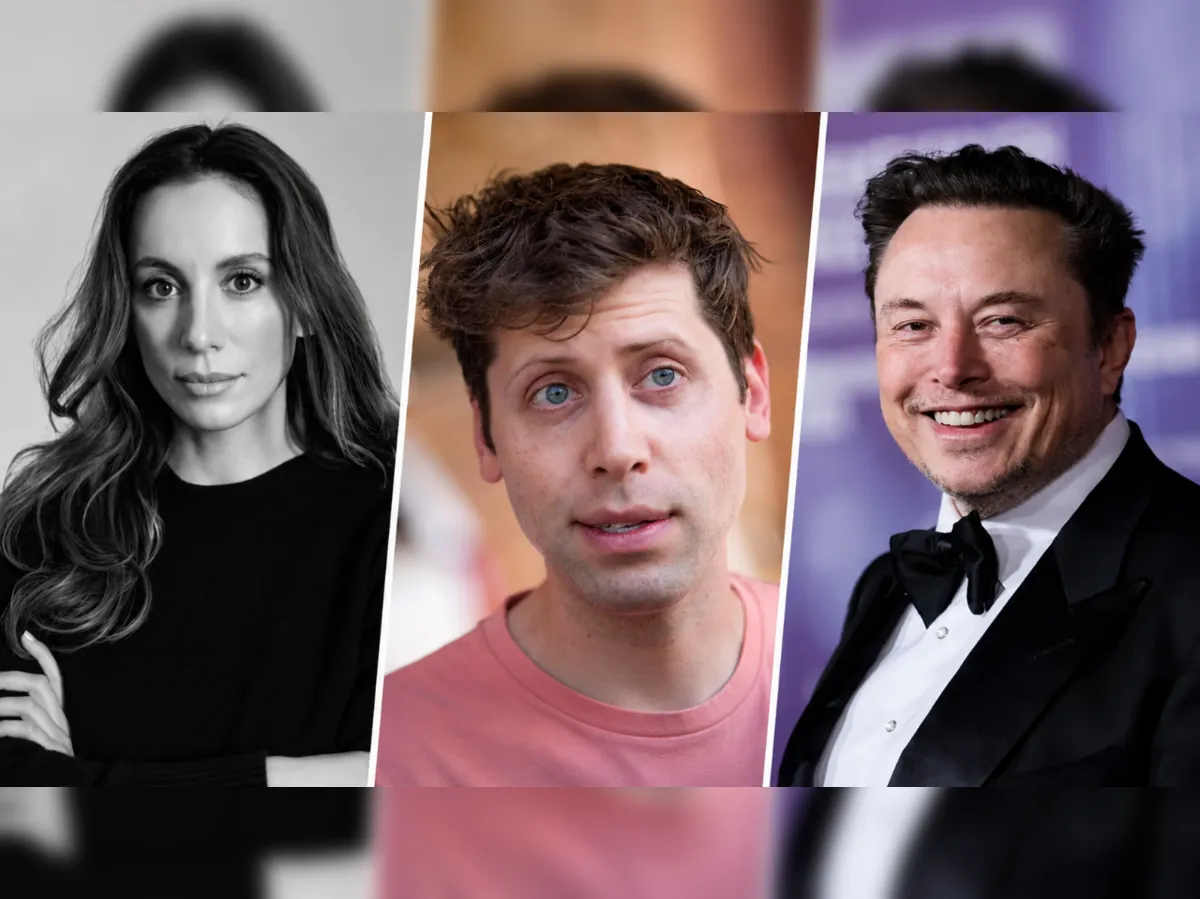
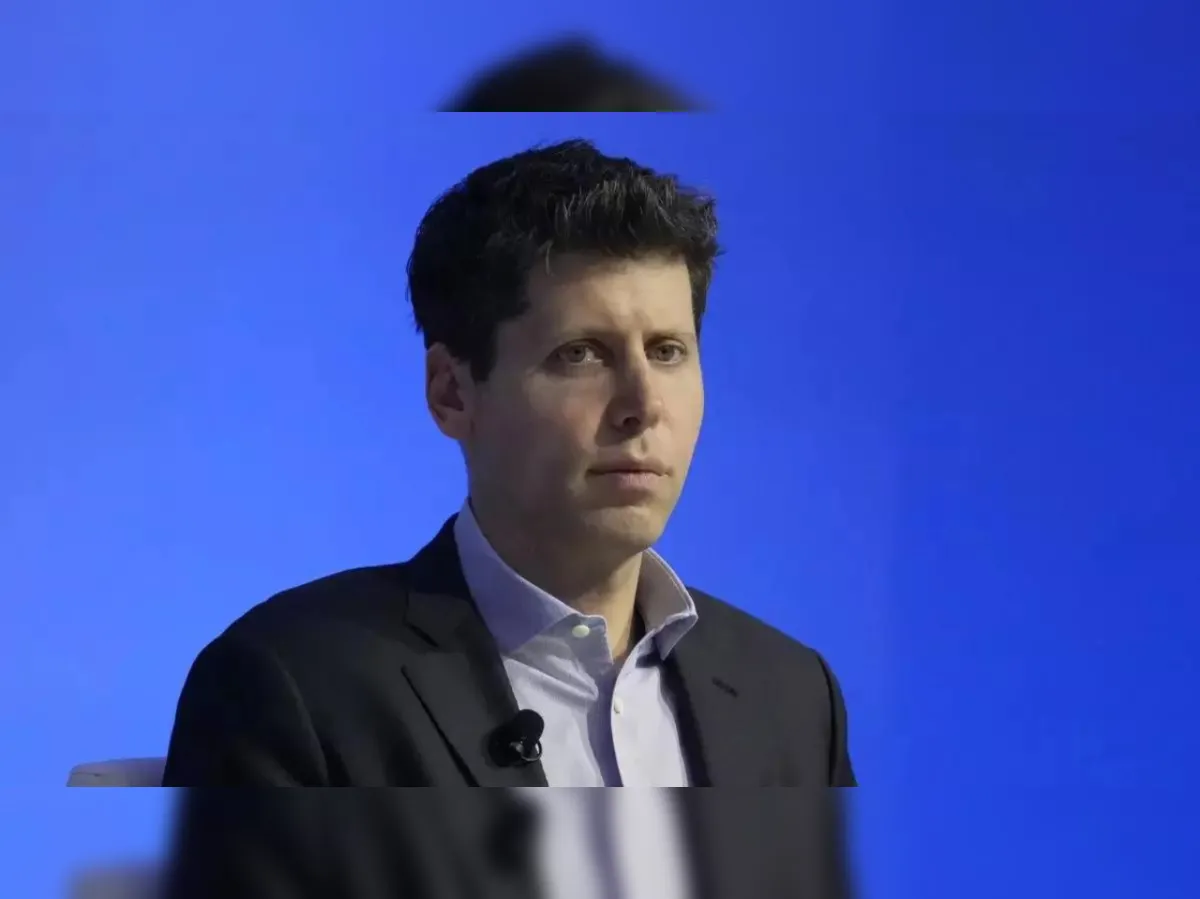
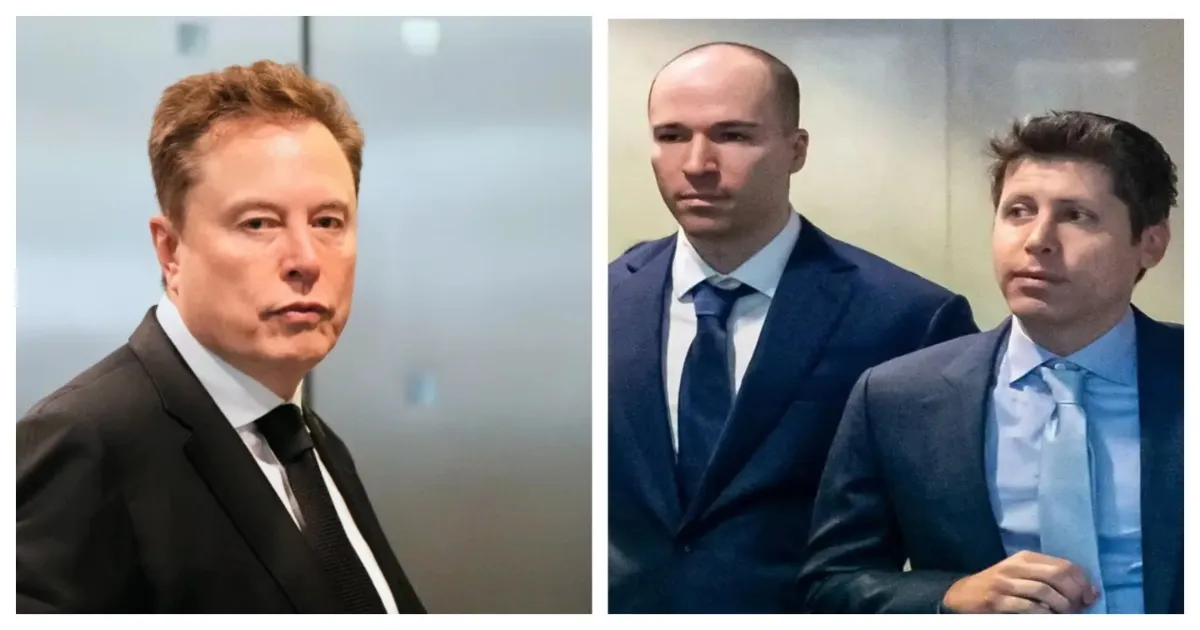
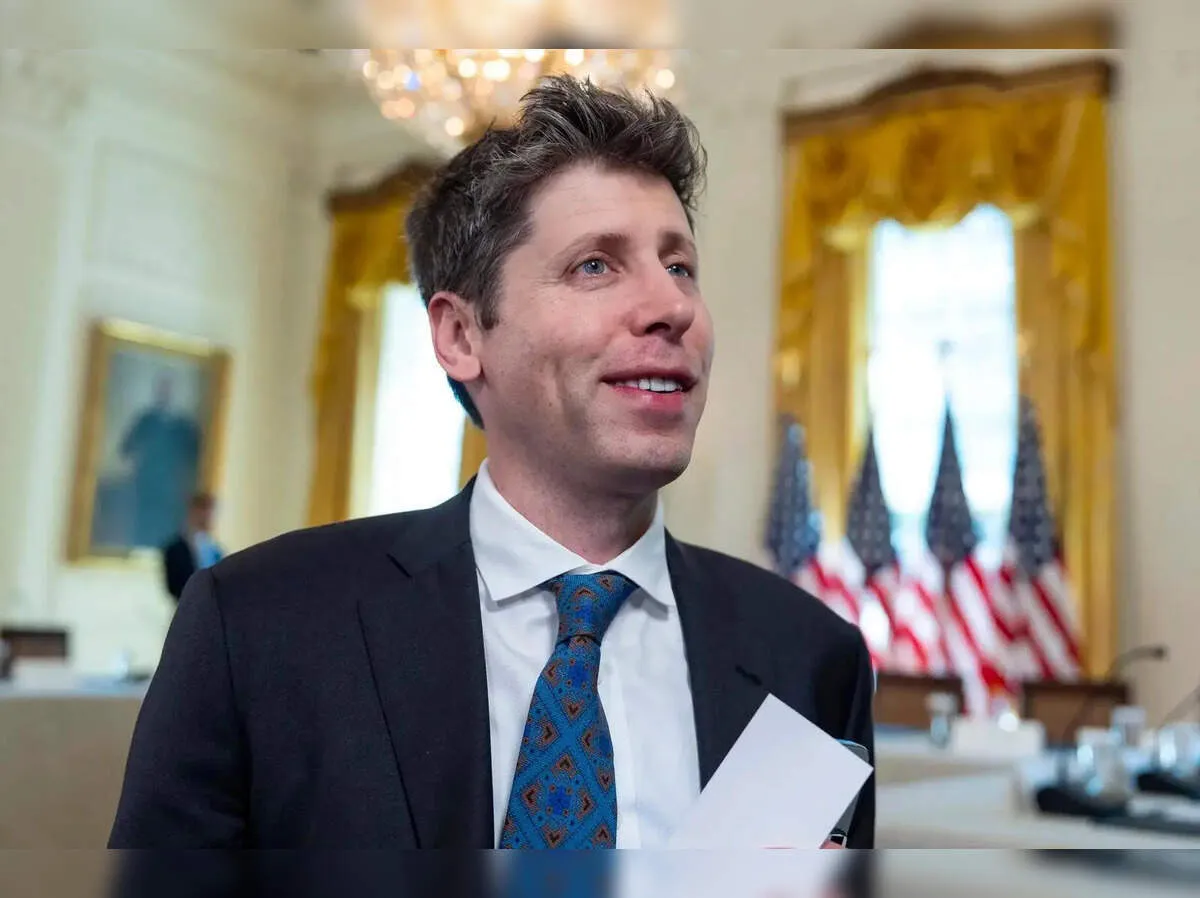
In closing arguments near the end of an Oakland federal trial, Elon Musk’s lawyers attacked OpenAI CEO Sam Altman’s credibility, arguing he misled investors and jurors in a dispute over whether OpenAI turned its nonprofit mission into an insiders’ profit engine. Musk claims he was manipulated into donating $38 million and wants about $150 billion in damages, alongside removal of Altman and Greg Brockman. OpenAI counters that Musk sought control and sued too late, blaming “selective amnesia.”
Nine California jurors are deliberating in Elon Musk’s case against OpenAI’s founders and Microsoft, but the courtroom fight boils down to a few specific legal questions. Jurors must weigh whether OpenAI breached a charitable trust tied to Musk’s donations, whether executives were unjustly enriched via OpenAI’s for-profit arm, and whether Microsoft knowingly aided any breach. OpenAI counters with statute of limitations, unreasonable delay, and “unclean hands,” while both sides prepare hearings on what a plaintiffs’ win could mean for OpenAI’s structure.
Your news, in seconds
Get the Beige app — every story in 60 words, updated hourly. Free on iOS & Android.
OpenAI CEO Sam Altman’s investments are facing fresh scrutiny after court documents reportedly showed stakes worth over $2 billion in companies that do business with OpenAI. State attorneys general and Elon Musk have alleged self-dealing, while a congressional investigation is also underway. Altman denies wrongdoing, saying he recused himself from key decisions.
In federal court testimony, OpenAI CEO Sam Altman said, “I believe I am an honest and trustworthy business person.” The statement lands amid scrutiny of how tech leaders earn credibility, especially when legal proceedings focus on trust, transparency, and business conduct. The case spotlights not just Altman’s words, but who still believes them and why.
OpenAI CEO Sam Altman testified that Elon Musk’s accusations of betrayal are false, saying Musk instead sought control and financial gain from the ChatGPT maker. Musk’s lawsuit seeks major damages and Altman and Greg Brockman’s removal. The high-stakes trial may influence OpenAI’s leadership and its road to a possible trillion-dollar valuation.
OpenAI CEO Sam Altman testified about a “particularly hair-raising” conversation with Elon Musk, recalling that Musk mulled handing OpenAI to his children. The remarks add new context to a long-running dispute over the company’s control and direction, underscoring how personal and governance questions have intertwined with the race to build advanced AI systems.
Never miss a story
Set alerts for the topics and sources you care about. Download Beige for free.
A high-stakes courtroom battle pits Elon Musk against OpenAI CEO Sam Altman, turning leadership scrutiny into a reputational risk. Testimony reportedly raises allegations of dishonesty and pushback against oversight, with potential consequences for Altman’s future. The trial also threatens to cloud the AI industry’s public image, especially as major IPO plans loom.
Former OpenAI executive Ilya Sutskever testified that he spent a year gathering evidence tied to claims of Sam Altman’s dishonesty. His account feeds into a high-stakes legal fight involving Elon Musk, who is suing OpenAI and Microsoft over allegations the company abandoned its nonprofit mission. The trial’s outcome could directly affect OpenAI’s future and control structure.
An OpenAI courtroom showdown is putting Elon Musk and Sam Altman under a harsh spotlight. Testimony alleges Musk faced claims over technical competency and temper, while Altman was accused by former board members of dishonesty and integrity lapses. Jurors must decide whose account is credible as the trial examines OpenAI’s leadership disputes and early history.
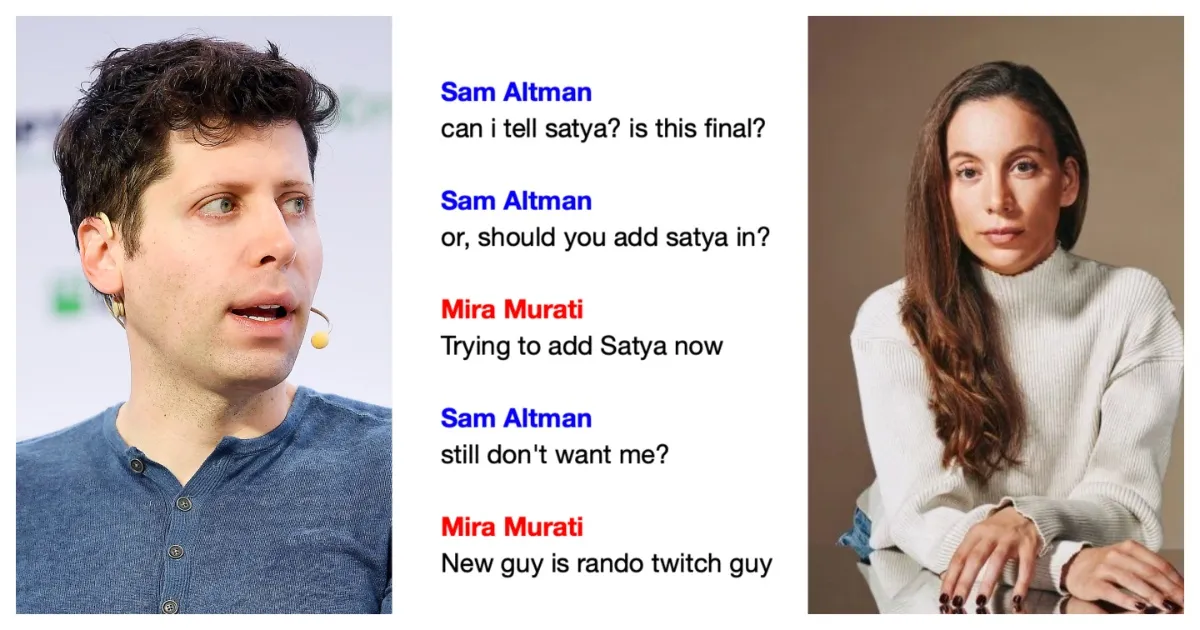
Newly revealed texts paint a picture of turmoil inside OpenAI right after Sam Altman was fired. Mira Murati warned Altman that the board was immovable even if employees walked out. Microsoft CEO Satya Nadella stepped in, while Altman discussed an acquisition. In the end, the board’s position collapsed and Altman returned quickly.
Reading on mobile?
Open Beige in the app for a smoother experience — free on iOS and Android.
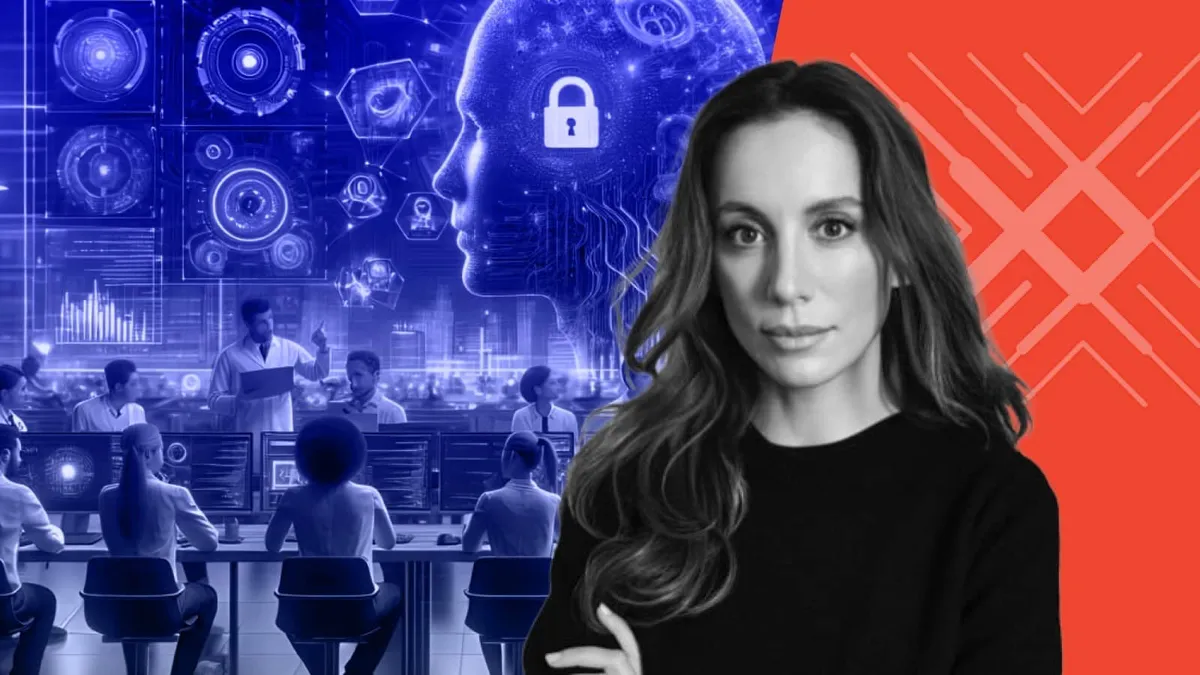
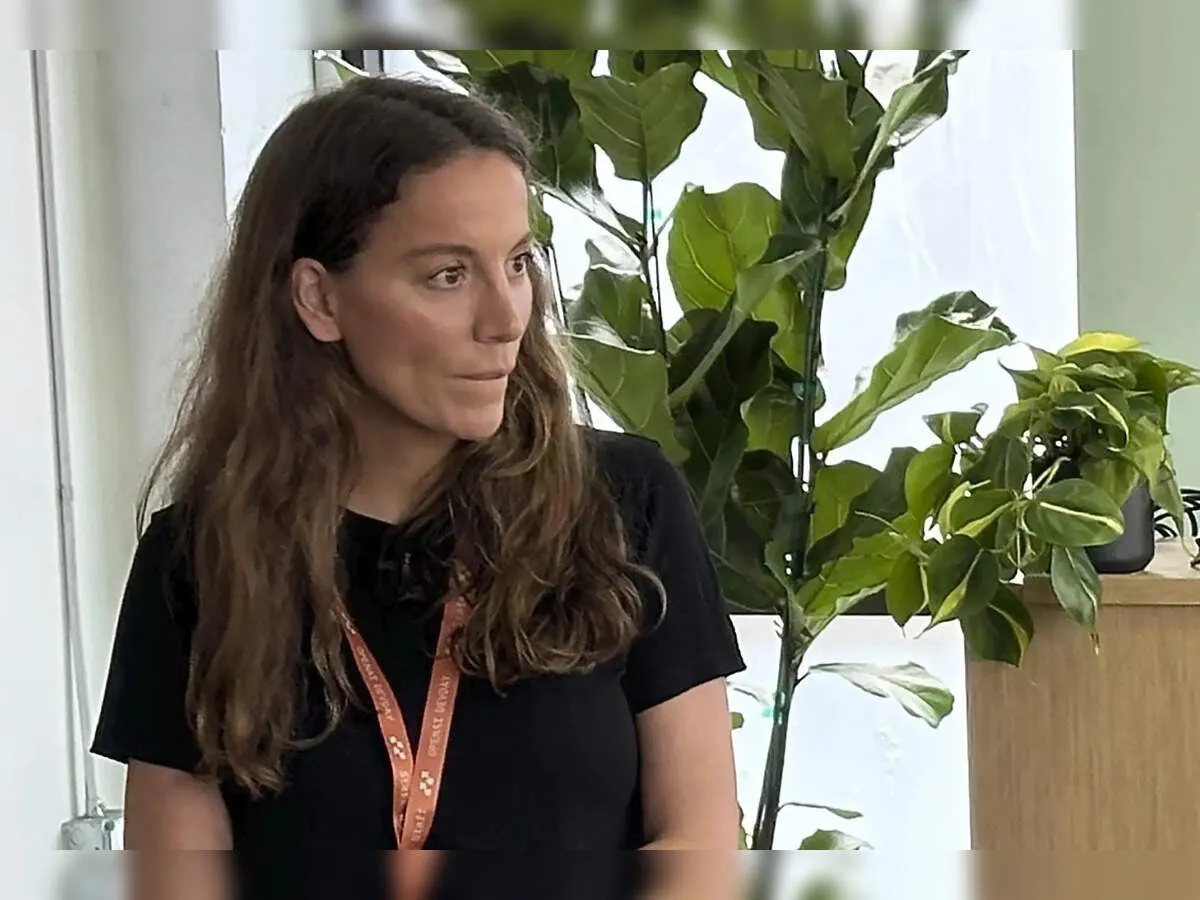
A former OpenAI technology chief testified in Elon Musk’s lawsuit, warning the company faced collapse amid its leadership turmoil. She accused CEO Sam Altman of sowing distrust among top executives while OpenAI raced ahead to develop and broadly deploy its AI systems. Another former board member raised concerns that major ChatGPT releases moved without proper oversight, adding to pressure on OpenAI’s future direction.
Freshly surfaced text messages add new detail to the chaotic days when Sam Altman was ousted from OpenAI. The messages reportedly capture urgent, high-pressure discussions involving Mira Murati, offering a more intimate view of how quickly events unfolded and decisions were debated as leadership and control were contested.
In Elon Musk’s lawsuit against OpenAI, a former executive testified that Sam Altman sowed “chaos” and distrust among senior leadership. Musk alleges OpenAI abandoned its nonprofit mission, arguing the company’s direction has shifted. The courtroom claims could shape how AI research is governed and who controls the technology’s future rollout.
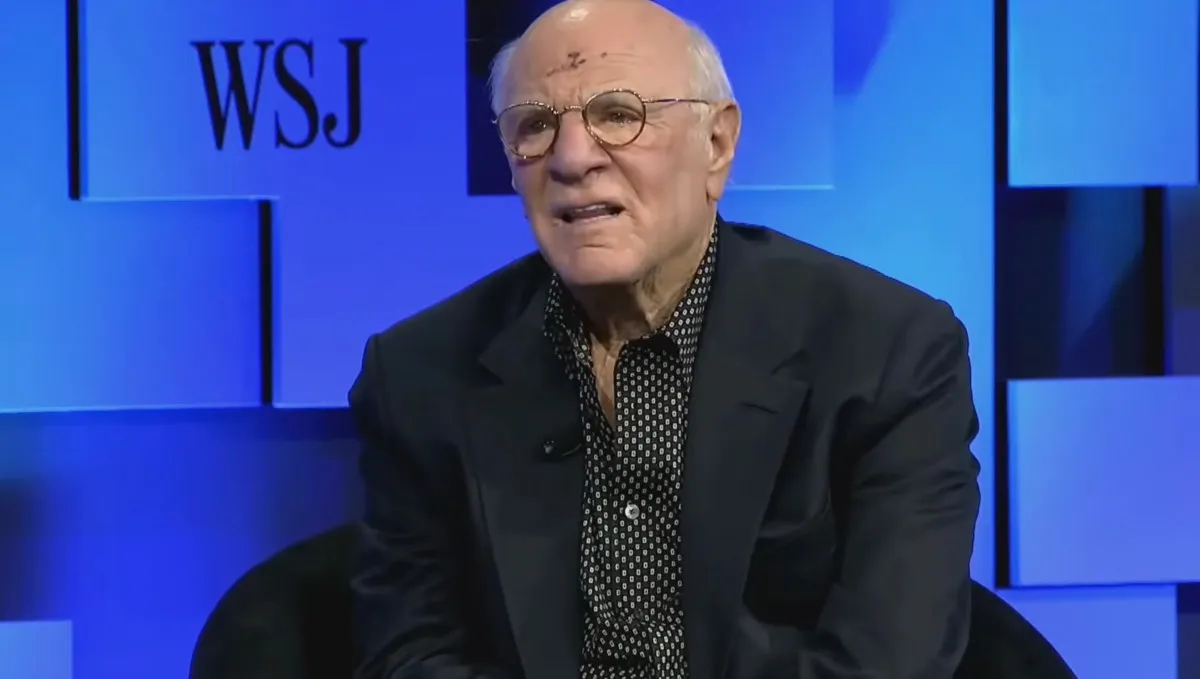
Media mogul Barry Diller came to Sam Altman’s defense, but his message was blunt: as AGI approaches, “trust is irrelevant.” Diller argued that advanced AI remains unpredictable and demands real guardrails, not assurances or personalities. His comments frame the debate over AI governance as more about safety systems than leadership credibility.
Follow your favourite sources
Track sources, tags and categories — all in the Beige app.
A man accused of throwing a Molotov cocktail at OpenAI CEO Sam Altman’s San Francisco home has pleaded not guilty to attempted murder and related charges. Prosecutors also allege he threatened to burn down OpenAI headquarters. The defense says the suspect was in a mental health crisis, and the court has ordered a mental health evaluation as the case proceeds.
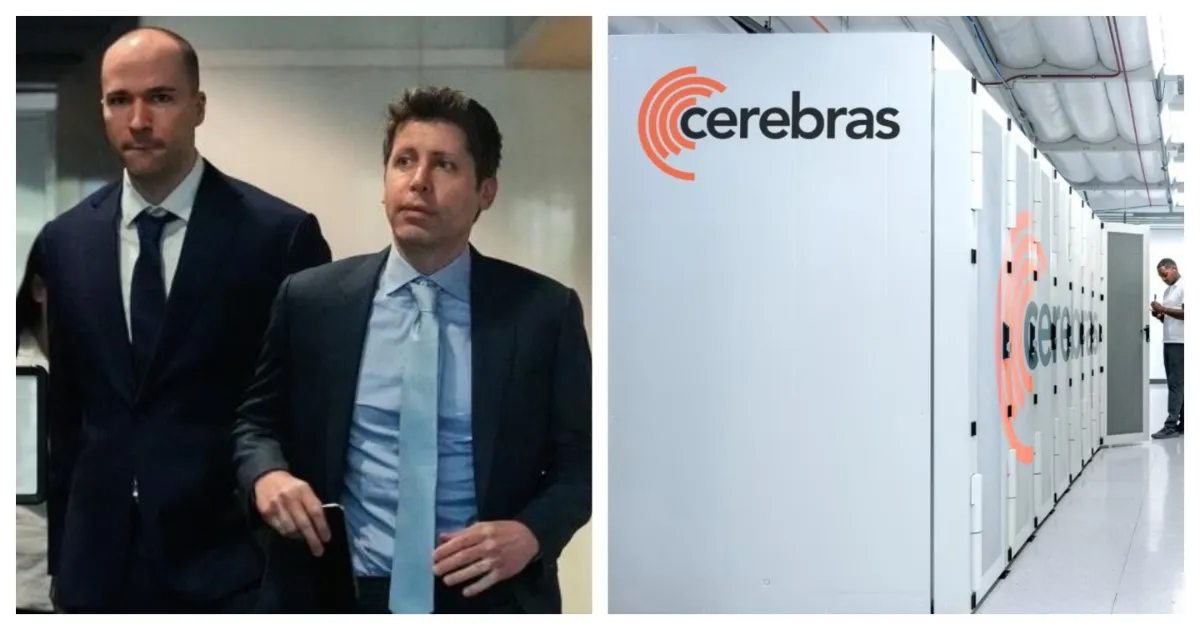
New reporting claims Sam Altman and Greg Brockman didn’t disclose their personal Cerebras investments to Elon Musk when OpenAI was exploring an acquisition of the company in 2017. While OpenAI’s structure is often described as non-profit driven, the story raises renewed questions about conflicts of interest and how founder-level stakes were communicated during major deal discussions.
New court proceedings add fuel to Elon Musk and Sam Altman’s dispute over OpenAI’s push to become a for-profit entity. The filings allege that in 2017, Sam Altman gave Greg Brockman $10 million without informing Musk. The revelation raises questions about transparency inside the company’s early decision-making and its current legal battle.
Court filings in Elon Musk’s lawsuit against OpenAI reveal that president Greg Brockman holds a stake worth nearly $30 billion and has financial ties to CEO Sam Altman. The disclosures include Brockman’s involvement with stakes in Altman-backed startups. Musk argues OpenAI improperly shifted toward a for-profit structure, and the trial could influence the AI giant’s future governance.
Stay informed on the go
Bite-sized news from 100+ trusted sources, right in your pocket.
OpenAI says Elon Musk texted key leaders Greg Brockman and Sam Altman after asking for a settlement, including an ominous message predicting that he and Altman “will be the most hated men in America.” The claim adds heat to ongoing disputes involving OpenAI and Musk, as both sides trade allegations in public filings and reported communications.
OpenAI CEO Sam Altman says the company’s next growth push will center on speeding up scientific research, improving economic productivity, and building “personal AGI.” He also emphasized robotics and automated manufacturing, arguing AI can support breakthroughs and even help create “automated startups,” pointing to a future where machines drive discovery and production.
Swipe through stories, personalise your feed, and save articles for later — all on the app.