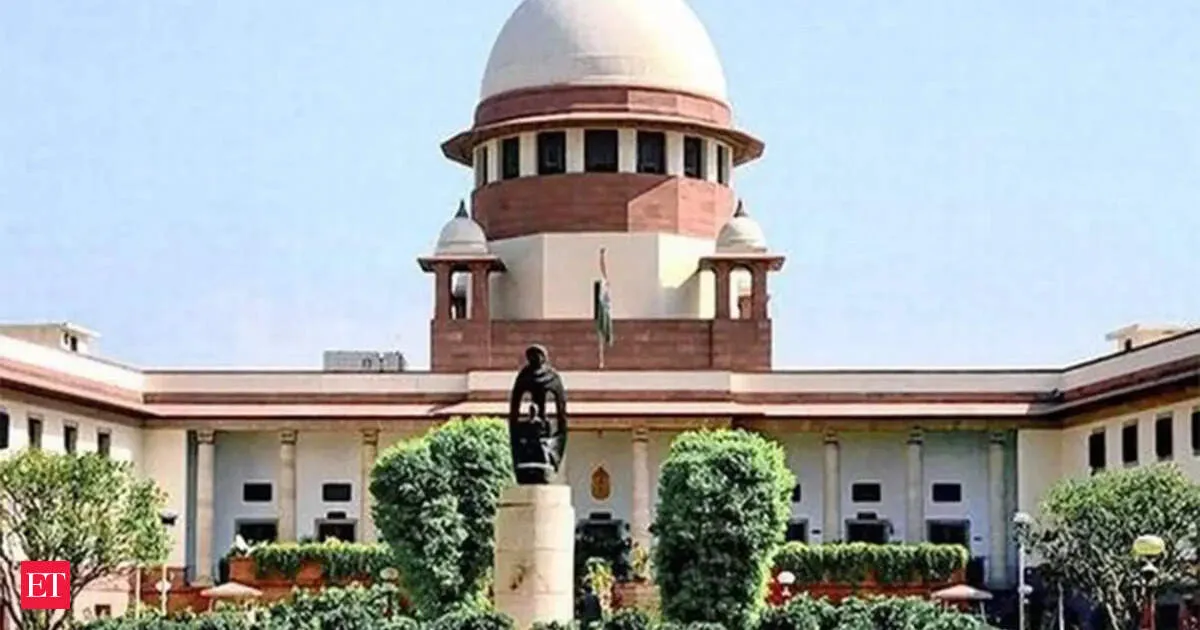
The Supreme Court said Hinduism is a “way of life” and that temple visits or rituals are not mandatory to remain Hindu. In hearings on discrimination at religious sites, including Sabarimala, a nine-judge bench observed that even lighting a lamp at home can demonstrate belief, shaping how religious freedom and faith protections are understood.
The Supreme Court criticized the Indian Young Lawyers Association over its 2006 PIL seeking to lift the Sabarimala temple ban on women’s entry. The bench questioned the group’s standing to file the case, calling the move an abuse of the process of law, and urged it to focus on bar welfare instead of religious matters.
Your news, in seconds
Get the Beige app — every story in 60 words, updated hourly. Free on iOS & Android.
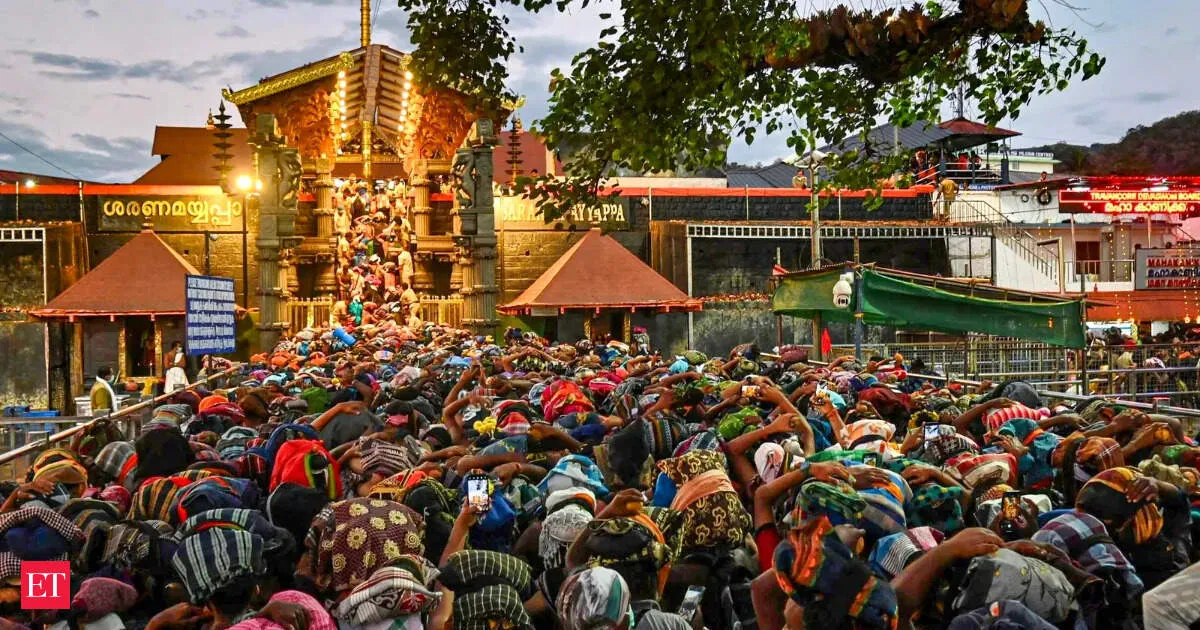
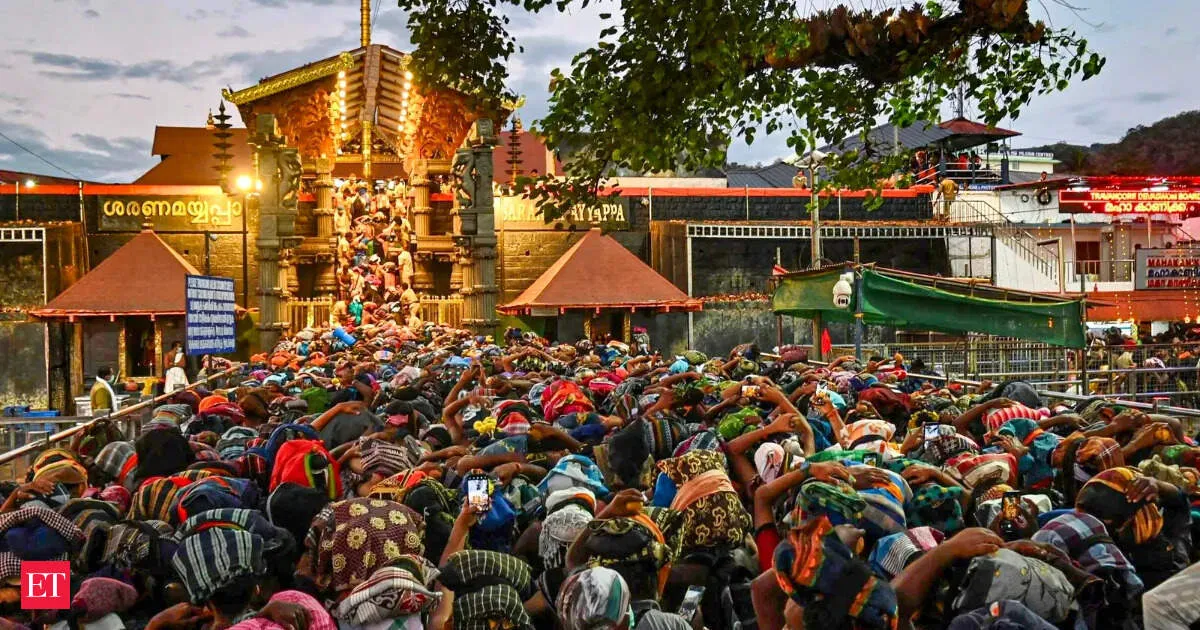
A nine judge Supreme Court bench is examining the scope of entry rights to religious places, hearing arguments tied to Sabarimala in Kerala. The court questioned how a non believer from North India could claim a right to enter. The hearing also overlaps with discrimination against women at religious sites and how far religious freedom protections extend.
The Supreme Court said every religious institution must function with norms and modalities, not anarchy, while hearing pleas challenging discrimination against women at Sabarimala. A nine-judge bench stressed that the right to manage religious affairs cannot be used to justify unchecked actions. Regulation is permissible only within constitutional limits, including safeguards against discrimination.
The Supreme Court has resumed hearing the Sabarimala Temple entry case, focusing on whether women aged 10 to 50 can enter. The court’s task is to weigh long-standing religious customs against the constitutional promise of individual equality. Whatever the outcome, it will likely influence the direction of other religious freedom disputes across India.
The Supreme Court, hearing petitions tied to religious freedom and discrimination, said it respects learned opinions but dismissed “WhatsApp University” information as unreliable. The remarks came during proceedings before a nine-judge bench examining rules around women’s entry into temples, including the Sabarimala matter. Lawyers cited scholarly works while arguing how constitutional rights should apply.
Never miss a story
Set alerts for the topics and sources you care about. Download Beige for free.
Swipe through stories, personalise your feed, and save articles for later — all on the app.