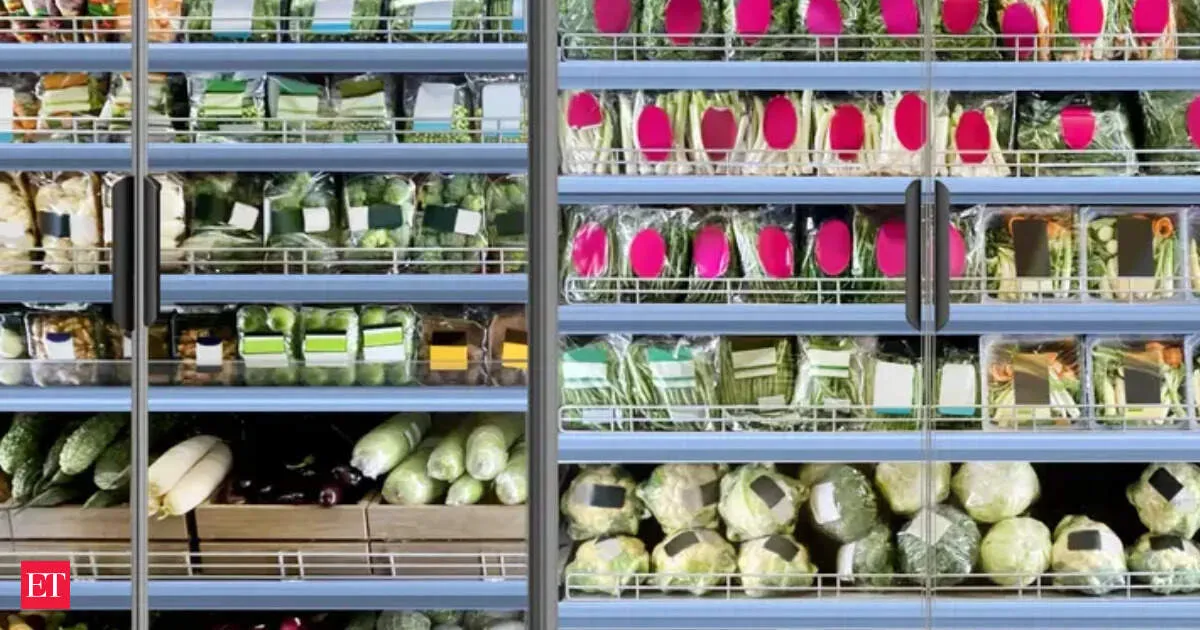
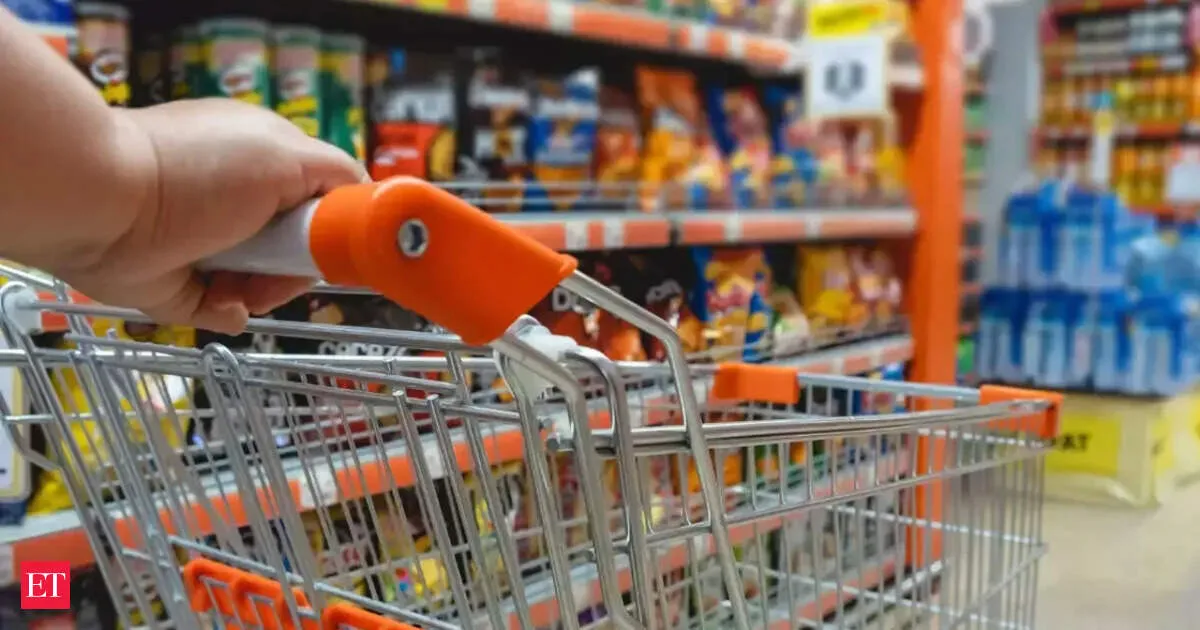
Rising fuel costs linked to the West Asia conflict are expected to ripple into India’s packaged foods and household staples. Analysts say higher freight, logistics, and input expenses will squeeze margins for FMCG firms already coping with 8 to 10 percent inflationary pressures. Several companies have begun calibrated price hikes of 2 to 5 percent, while Nestlé India and Hindustan Unilever are reportedly evaluating further increases. If oil volatility persists, firms may also cut “grammage,” hitting consumption recovery—especially in rural markets.
India’s FMCG sector is facing a fresh setback as the Gulf conflict raises crude-linked costs for packaging, transport and fuel. Worldpanel by Numerator has cut its 2026 growth forecast to 3% from 5% if the war continues past June and monsoon rains stay weak. While March-quarter volumes rose 5.4%—the strongest in two years—companies are already raising prices 2-5% or shrinking pack sizes, with rural and discretionary demand at risk as consumers trade down.
Your news, in seconds
Get the Beige app — every story in 60 words, updated hourly. Free on iOS & Android.
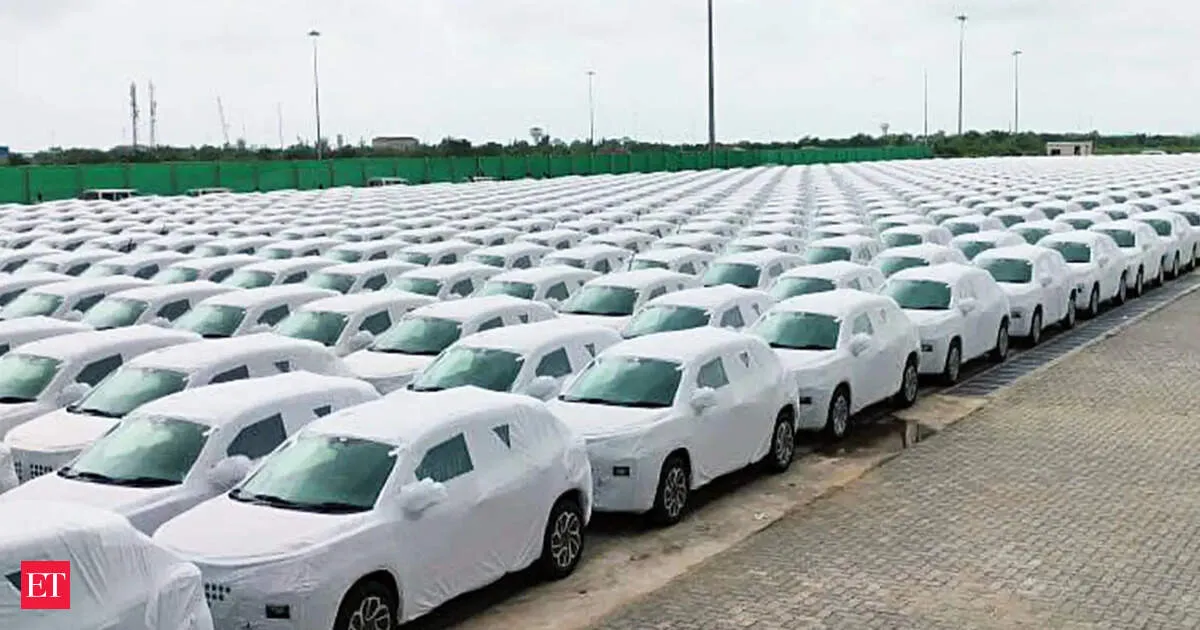
India’s auto sector is expected to sustain strong demand for the next 2–3 quarters, with growth likely to remain elevated through CY26. Improving affordability and a firmer rural sentiment are supporting volume gains across passenger vehicles, commercial vehicles, and two-wheelers. At the same time, rising global risks could weigh on exports and margins, even as EV adoption accelerates.
Vehicle sales rose 13 percent to 2.61 million units last month, delivering the best-ever April for most categories. Analysts attribute the jump to strong rural demand, GST benefits and easier financing with lower interest rates. With the new financial year starting on a firm note, experts expect the momentum to carry forward for the retail auto market.
Maruti Suzuki expects 10% volume growth in FY27, aided by new production lines and steady demand, notably from rural markets. Still, RC Bhargava cautions that margin recovery will be gradual as the firm manages input cost pressures. Exports are expected to remain stable, keeping the company broadly positioned for the year ahead.
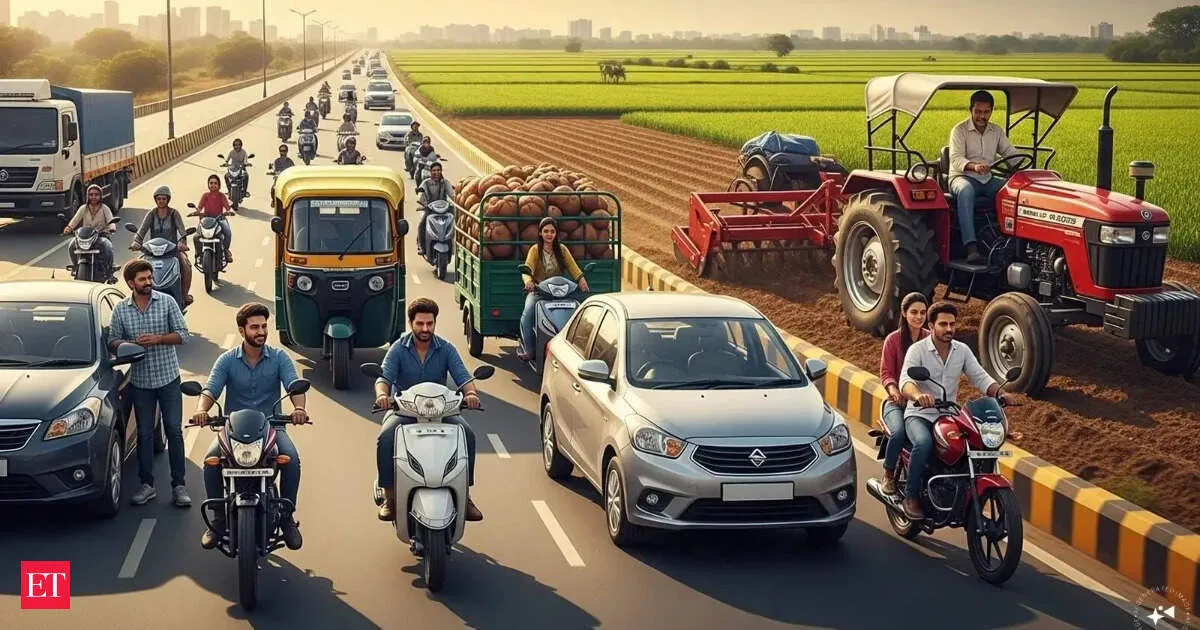
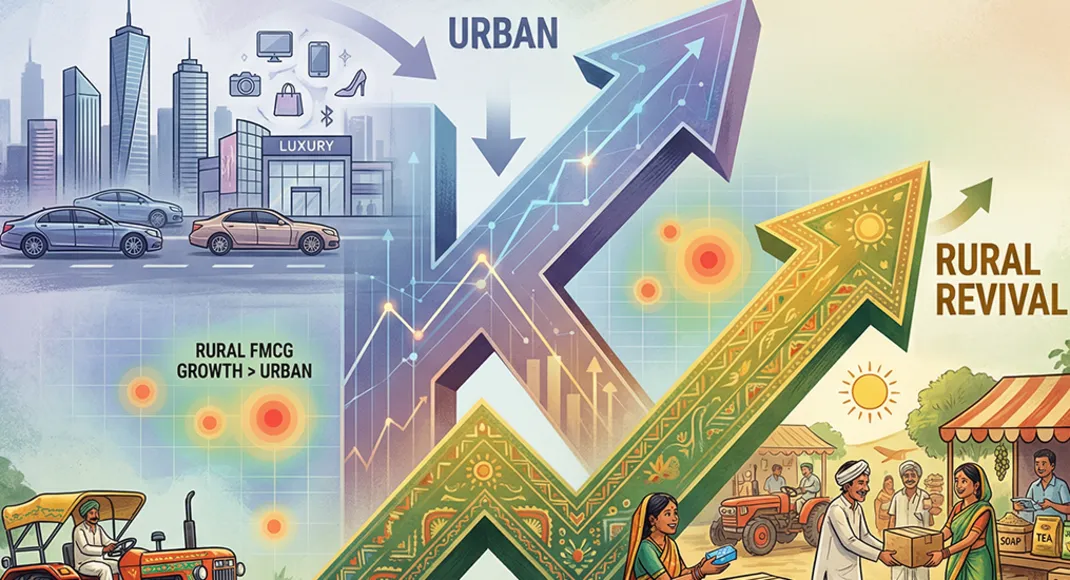
India’s post-pandemic K-shaped recovery is losing its sharp divide as rural demand begins to grow faster than urban momentum. The change is being powered by everyday FMCG consumption and welfare-linked spending, while urban markets mature. With city growth becoming more steady, the next mass-consumption wave appears increasingly rooted in India’s hinterlands.
Never miss a story
Set alerts for the topics and sources you care about. Download Beige for free.
Swipe through stories, personalise your feed, and save articles for later — all on the app.