SBI Research warns the rupee is at a critical depreciation threshold, where any further fall could cancel out benefits from the recent Rs 3 per litre petrol and diesel price hike. The report says even an extra Rs 2 depreciation increases the effective crude oil price, raising landed import costs enough to fully offset the relief to Oil Marketing Companies. OMC under-recoveries are soaring to about Rs 1,000 crore per day, and SBI also flags inflation and external risks from crude market pressures.
Former UN advisor and economist Santosh Mehrotra says India’s tax approach is worsening inflation and jobs. He argues the government should target super-rich and high-net-worth individuals with surcharges instead of raising regressive indirect taxes on fuel and gold duties. With tensions in West Asia escalating, Mehrotra warns the rupee could slide to ₹100 per US dollar within a quarter. He also cautions crude oil could exceed $150, stressing MSMEs and triggering worker reverse migration.
Your news, in seconds
Get the Beige app — every story in 60 words, updated hourly. Free on iOS & Android.
Telangana Chief Minister A Revanth Reddy has demanded the Centre roll back a recent increase in petrol and diesel prices, calling it unjustifiable and damaging to multiple sectors. In an X post, he said the justification tied to the US-Iran war amounts to breaking the backbone of the common man. Reddy claimed the government promised before elections in four states and one Union Territory that prices would not rise, yet increased them by more than Rs 3 within days.
As the US-Iran conflict shows no signs of ending, former UN Economic Advisor Santosh Mehrotra warns India faces a fresh oil-driven spiral. He says every USD 10 rise in global oil can widen India’s current account deficit by about 0.3% of GDP and similarly lift CPI. With GDP and CPI revisions already reflecting the “current situation,” he fears prolonged war effects. He points to Strait of Hormuz disruptions, tighter LPG supply hurting restaurants and ceramics, and a diesel hike that could further spread inflation to consumers.
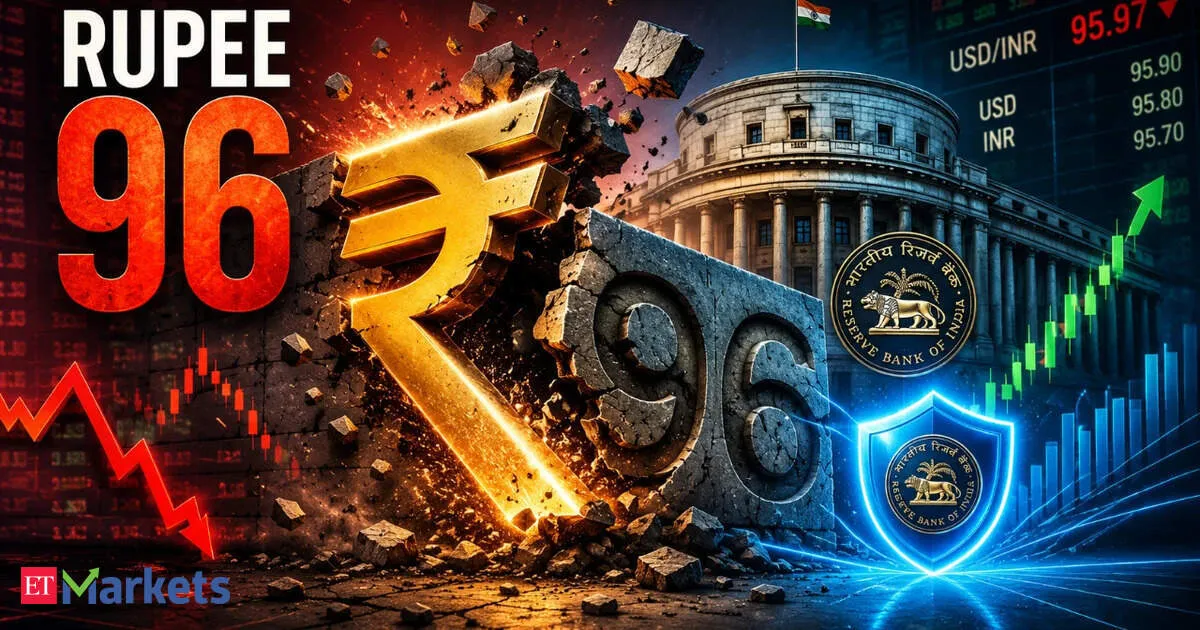
The Indian rupee breached 96 per US dollar for the first time as crude prices neared $110 a barrel, then recovered to close at 95.96 after RBI intervention late in the session. Analysts link the fall to persistent external pressure from the Russia Ukraine and West Asia conflict-driven energy costs and a widening need for long-term dollar inflows. Policymakers are discussing measures to attract direct FX, including step-by-step actions over the next 2-3 months, plus recent import duty hikes on bullion.
As more Indians book overseas vacations, foreign travel spending is adding pressure to the rupee, pushing the government toward interventions that are difficult to design without collateral damage. The editorial argues that while domestic tourism is expanding through aviation and highways, fuel prices being kept artificially low distorts consumer signals and can worsen the long-term impact if demand falls. It warns that India’s tourism mix is too concentrated in religious travel and calls for diversification, infrastructure, and skills across states.
Never miss a story
Set alerts for the topics and sources you care about. Download Beige for free.
Singapore Airlines CEO Goh Choon Phong said Air India’s turnaround is a “long game” with no quick fixes, blaming “largely external” pressures. In SIA’s briefing on its fiscal 2025-26 results, he pointed to Pakistan airspace closure for over a year, rupee depreciation, supply-chain disruptions, Middle East conflict, and post-AI171 crash capacity constraints. Air India posted losses of more than SGD 3.56 billion (over Rs 26,700 crore) for FY ended March 2026, while SIA highlighted workforce changes as part of Air India’s multi-year transformation.
The Indian rupee slid to a lifetime low of 96.05 per US dollar on Friday, driven by crude prices hovering near $110 a barrel. Union Bank of India links the fall to a mix of elevated energy costs, aggressive capital outflows and a resurgent dollar. Stronger-than-expected US Non-Farm Payrolls lifted Treasury yields and the DXY, weakening emerging market currencies. Meanwhile, India’s trade deficit remains wide, with foreign exchange reserves lower than February levels.
India’s merchandise trade deficit widened to $28.38 billion in April, beating Reuters’ $26.5 billion forecast, as imports surged and energy costs rose amid conflict in the Middle East. Exports rose to $43.56 billion, but imports climbed to $71.94 billion from $59.59 billion. Services trade offered partial support, lifting estimated overall exports of goods and services to $80.80 billion. The rupee took pressure and policymakers intervened, while Modi urged fuel conservation and curbs on non-essential imports and travel.
The Indian rupee weakened on Friday, edging close to its record low as oil stayed above $100 a barrel and US bond yields climbed. It fell 0.2% to 95.94, near the 95.9575 record hit the prior session, but state-run banks’ dollar sales helped prevent a deeper slide. Brent rose above $107 after fresh Iran-related uncertainty. India also raised petrol and diesel prices by more than 3% for the first time in four years, while markets priced about 90 bps of potential hikes, alongside expectations of Fed tightening.
Reading on mobile?
Open Beige in the app for a smoother experience — free on iOS and Android.
Titan shareholders are reeling after India hiked gold and silver import duties to 15%, triggering a sharp sell-off in jewellery stocks and fears of weaker demand and squeezed margins. But analysts are pointing to history: in 2013, tougher curbs on gold imports—including higher duties and the 80:20 export rule—did not sink organised players. Titan’s diversified sourcing, pricing discipline, and adaptable product mix helped it absorb shocks, and brokerages now expect a manageable impact across segments.
India’s benchmark indices jumped more than 1% on Thursday after a Bloomberg report said the government is considering cutting taxes on foreign investors’ holdings of Indian bonds. The news eased risk sentiment as the rupee rebounded from recent lows. Nifty gained 277 points to close at 23,689.6 and Sensex rose 789.74 points to 75,398.72, with Pharma, Metal and Financial Services leading. Foreign portfolio investors bought ₹187 crore of shares and domestic institutions added ₹684 crore.
Foreign currency borrowing by Indian corporates dropped sharply in March, falling 51% to $5.43 billion from $11.04 billion a year earlier. RBI data points to higher interest rates, a weakening rupee, and especially rising hedging costs that made overseas loans less attractive. Even FY26 figures reflect the slowdown, with ECBs and FCCBs down 30% to $42.87 billion. Instead of borrowing at higher costs, many firms allowed annual limits to lapse.
With the rupee slipping past 95 per dollar and West Asian tensions keeping risk elevated, India is weighing a return to NRI-focused dollar deposit schemes. The idea echoes 2000 and 2013, when incentives helped mobilise foreign currency and stabilise sentiment. But today’s backdrop is tougher: US rates are around 3.5%, making attractive coupons costlier. Estimates suggest a 3-year deposit rate of 6.0–6.25% may be needed, with funding support of 2.75–3.0%, potentially larger than earlier programmes.
Follow your favourite sources
Track sources, tags and categories — all in the Beige app.
India is bracing for a “crunch time” after the US-Israel conflict in Iran escalates and the Strait of Hormuz faces blockade risk, pushing up essentials via higher crude prices and disrupting trade. Policymakers have begun with import duties on gold and silver, but warn that the real vulnerability is India’s dependency on imported oil, amplified by capital outflows that weaken the rupee. The article argues RBI should prioritize financial stability, potentially raising rates despite reluctance, while long-term fixes require credible oil-and-gas investment.
The Indian rupee slid to its weakest closing level on record, dropping nearly 0.9% to 95.31 per dollar as crude prices surged amid a US Iran standoff. Brent rose 2.5% to $103.8 per barrel after President Trump rejected Iran’s response, keeping the Strait of Hormuz, which carries about a fifth of global oil and LNG flows, effectively paralysed. Indian equities fell 1.5% and government bond yields rose. Analysts warned stronger oil can widen the current account deficit and strain FX buffers.
S&P Global Ratings says India is handling global financial pressures better than headlines suggest, arguing that worries about foreign investment outflows are overstated. The agency’s view comes as an Iran-war driven oil shock and record selling in local shares push the rupee to fresh lows. S&P notes India has enough reserves and fiscal room to absorb a wider current-account deficit linked to higher crude prices, while emphasizing gross inflows remain strong. It also points to repatriated profits as a key driver behind net outflows.
Indian equities snapped lower on Friday as US-Iran tensions escalated, the rupee slid, and financial stocks saw heavy selling. The Nifty ended down 150.50 points at 24,176.15 and the Sensex lost 516.33 points to 77,328.19. Among the biggest movers, SBI dropped about 7% after margin pressure and weaker operating performance. Meanwhile, Titan hit fresh 52-week highs on a 35% YoY profit jump, while Urban Company slumped on a 57x surge in Q4 losses.
Stay informed on the go
Bite-sized news from 100+ trusted sources, right in your pocket.
Global oil prices spiked Tuesday as Brent crude jumped above $105 a barrel, driven by renewed worries about the fragile US-Iran ceasefire and a sustained disruption at the Strait of Hormuz. The Strait has been effectively closed for around 70 days, raising the threat of a widening supply gap. Saudi Aramco’s warning of 100 million barrels lost weekly underscores how long the crunch could last. India, which imports nearly 90% of oil, faces rising costs, OMC cash hemorrhaging, and fresh pressure on the rupee and equities.
India is exploring lower taxes for foreign investors in its bond market, aiming to draw in longer-term capital and stabilize the rupee. The idea is to reduce currency-risk concerns that have kept foreigners away after selling equities. Success depends on how much tax relief is offered and the size of any investment limits.
Swipe through stories, personalise your feed, and save articles for later — all on the app.