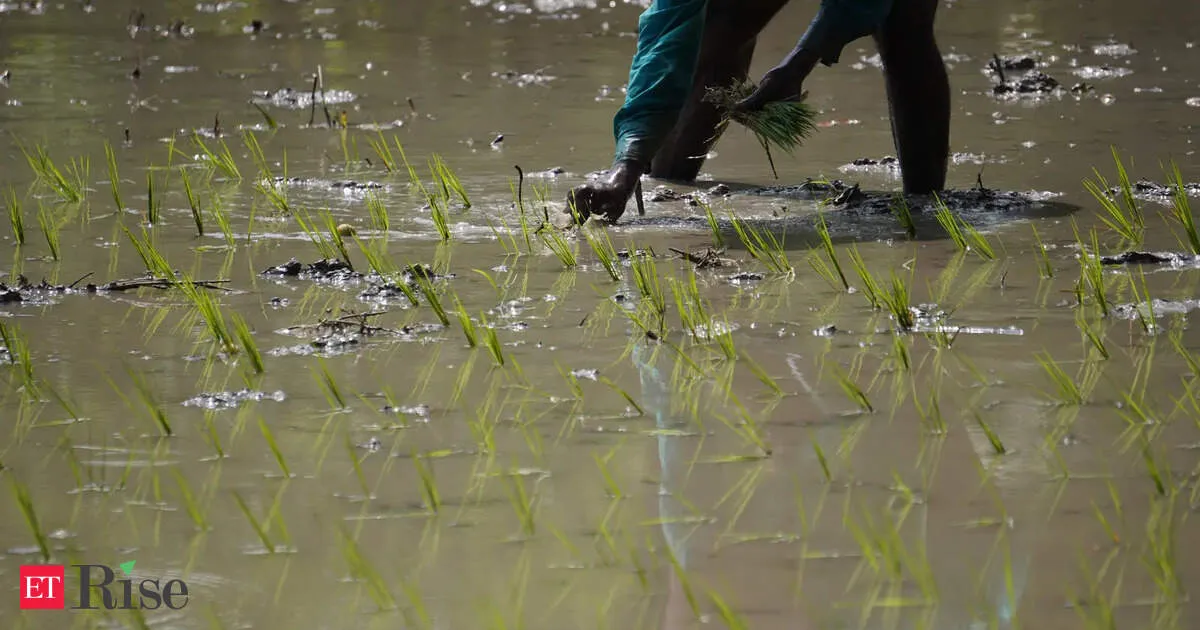
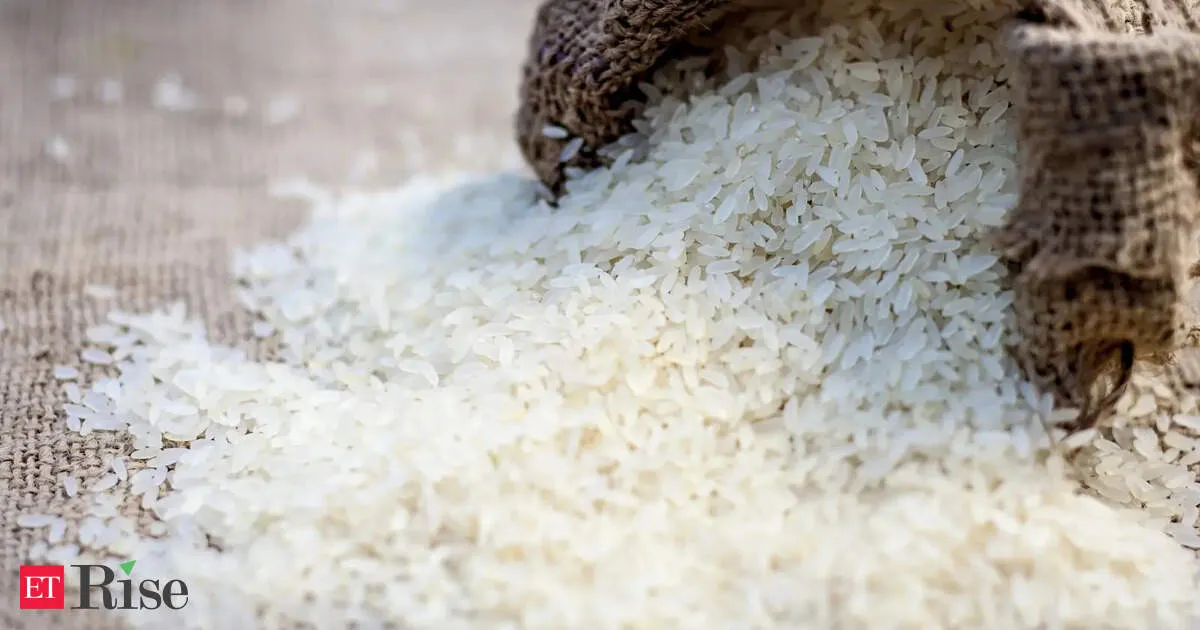
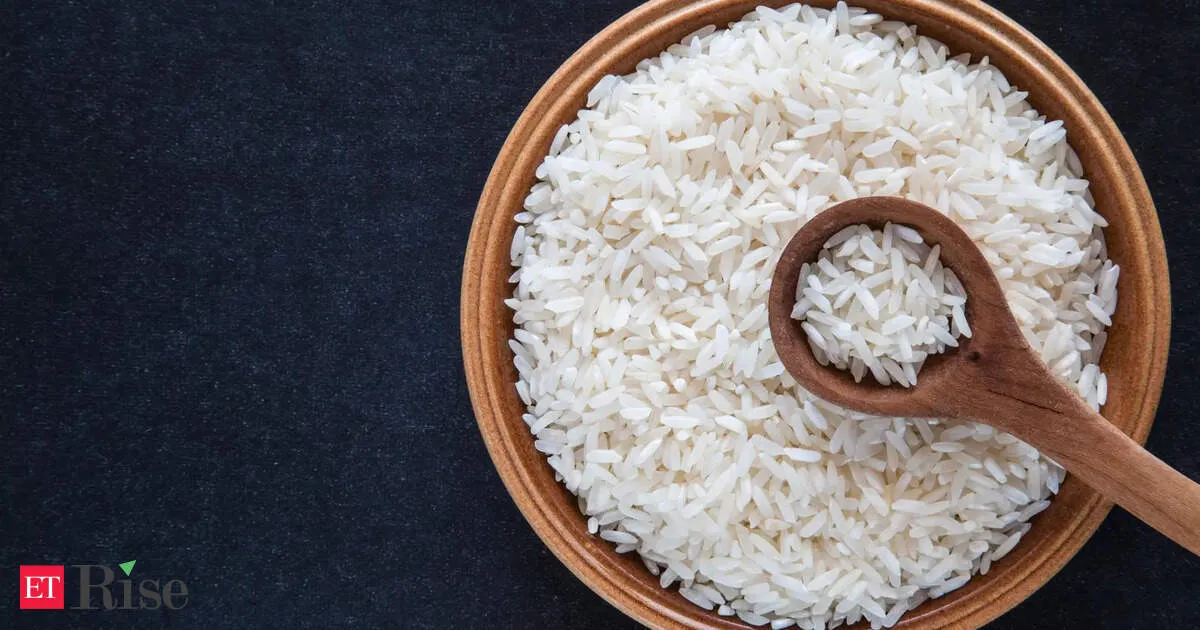
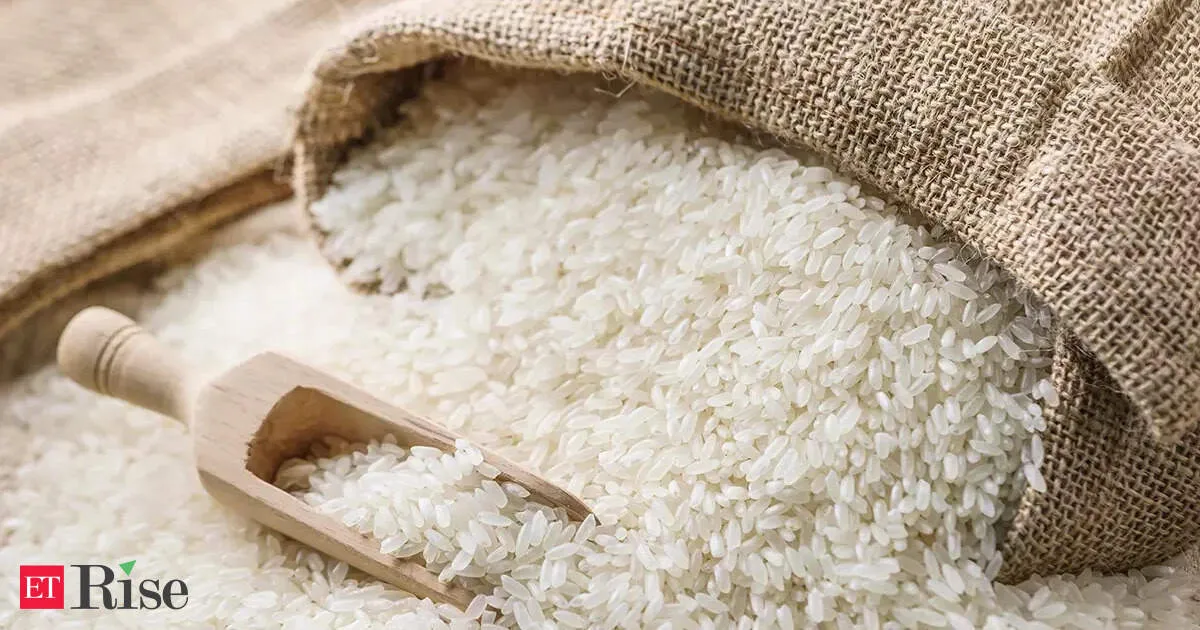
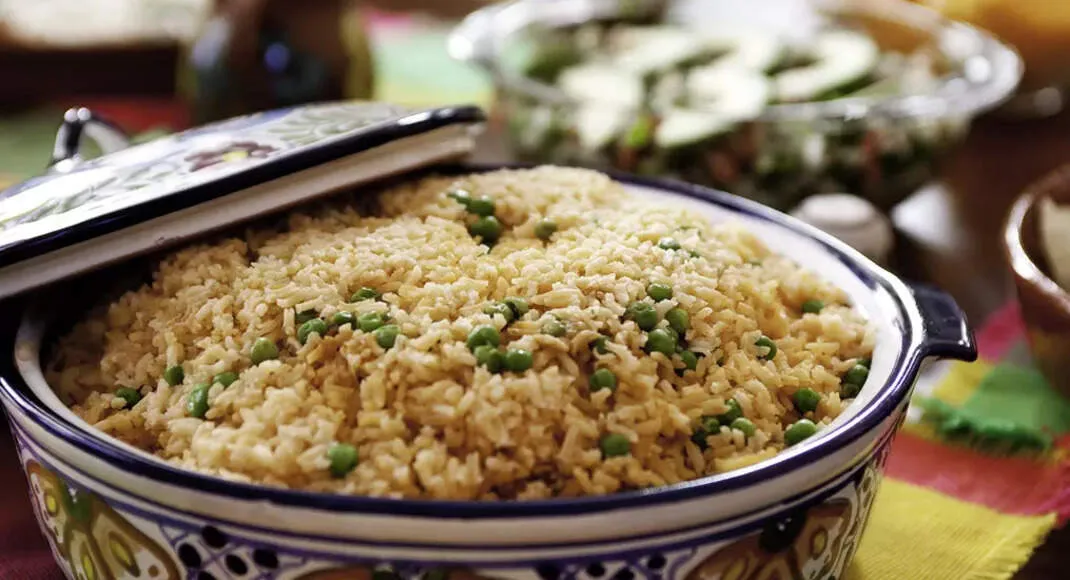
Global rice production is forecast to fall for the first time in a decade as declines in India, Myanmar, and the US collide with record consumption and trade. That mix is expected to reduce global stockpiles just as costs rise, with higher fertilizer and energy bills and possible monsoon disruptions in India adding further risk to supplies.
The Iran war is rippling through global rice markets, unsettling both major exporters and key importers. Farmers and traders in Thailand and Vietnam report disruption alongside growing weather pressures from El Nino, while countries dependent on imports such as the Philippines and Indonesia brace for tighter supplies. The result could be renewed price pressure as shipments and demand realign.
Your news, in seconds
Get the Beige app — every story in 60 words, updated hourly. Free on iOS & Android.
Muted demand across Asia and a weak rupee are pushing India rice prices lower, adding strain to already sensitive regional food security concerns. Thailand’s rice market remains steady despite subdued buying, while rising production costs are expected to prevent prices from falling further, potentially holding or nudging rates higher.
Thai rice prices have recorded their sharpest jump in over two years, as rising fuel and fertilizer costs tied to the Iran conflict squeeze farm economics. Even if tensions ease, experts expect higher input costs to linger, raising the risk of weaker rice output later. The ripple effect could tighten rice supplies across parts of Asia and lift food prices.
Asia’s rice prices are moving unevenly as India keeps export rates steady despite muted demand. Vietnamese rates edged higher on tighter supplies and rising production costs, while Thailand’s prices also inched up. In Bangladesh, rice remains costly for consumers even after a good harvest, highlighting how supply-side pressures are still feeding prices.
India has banned rice exports after consecutive bumper harvests swelled government stocks to record highs. The move raises urgent questions for farmers and traders: how long can prices stay supported, and can exporters reshape supply chains to deliver consistent, higher-quality rice that earns better margins in new markets?
Never miss a story
Set alerts for the topics and sources you care about. Download Beige for free.
Swipe through stories, personalise your feed, and save articles for later — all on the app.