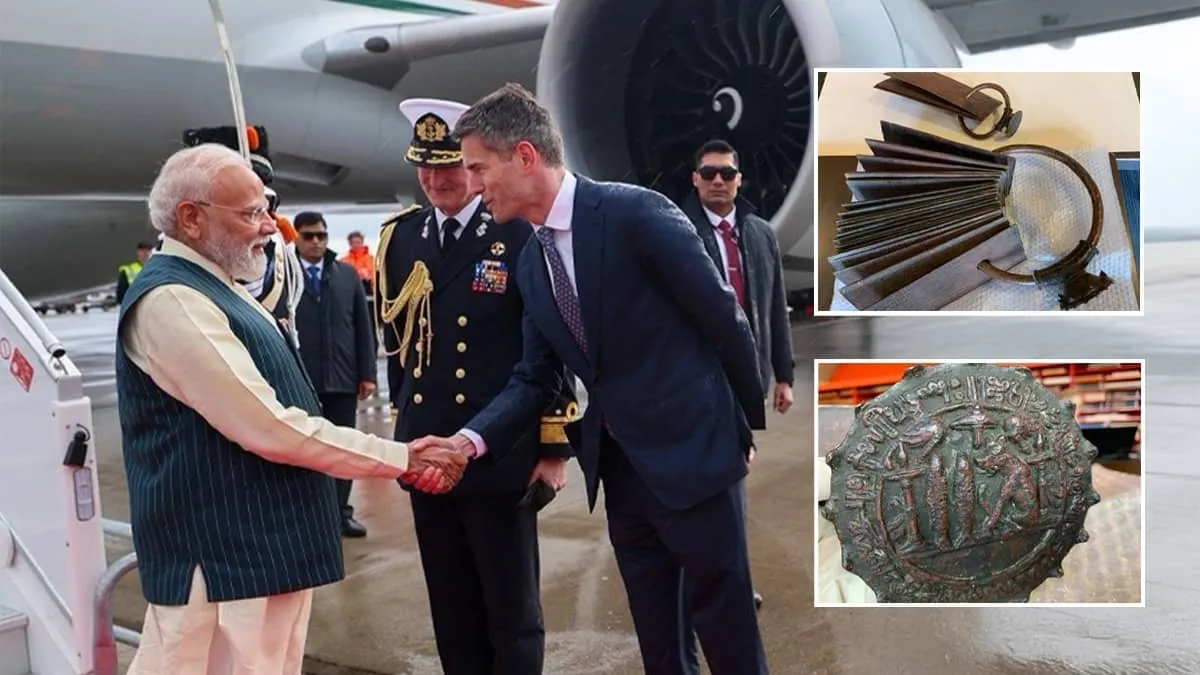
In a goodwill gesture after years of repatriation diplomacy, the Netherlands has handed Prime Minister Narendra Modi 11th-century Chola-era Anaimangalam copper plates. The 21 large and three small plates document historical grants tied to Chola King Rajaraja I’s contributions to a Buddhist vihara in Nagappattinam. Notably, they track a linguistic change in administrative customs terminology from “ulgu” to “sunkam,” reflecting shifts during Chola rule. After arrival, the Archaeological Survey of India will examine and secure the artifacts.
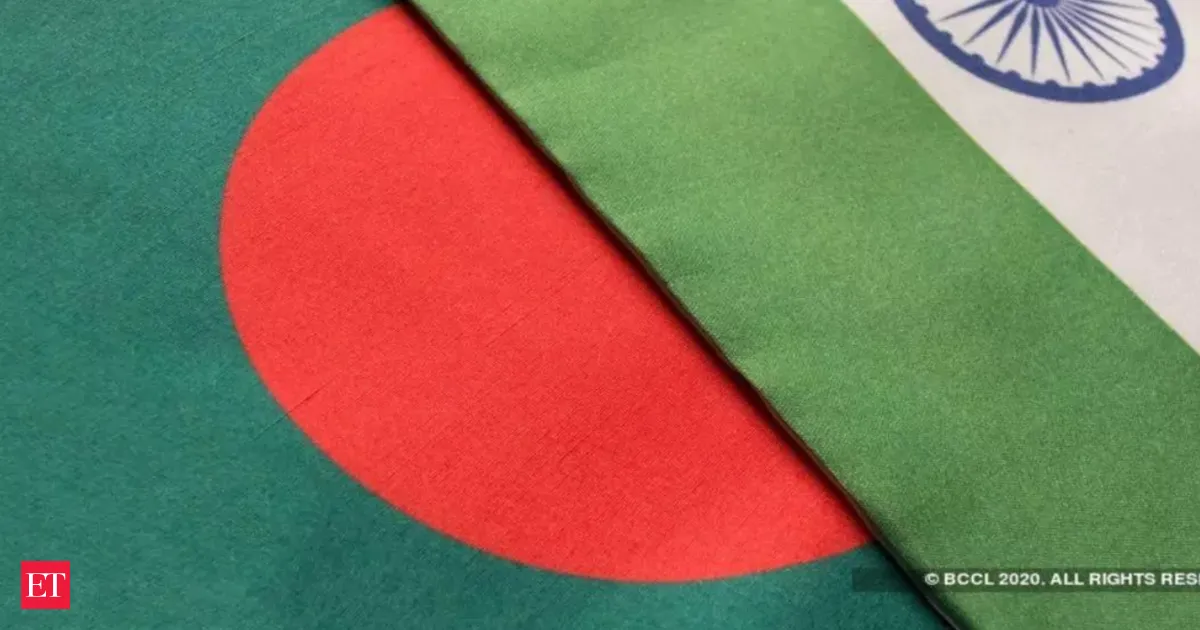
India says it is in talks with Bangladesh over illegal migration, urging Dhaka to verify the nationality of people listed as illegal migrants. The MEA says faster verification is needed to proceed with repatriation through established legal and bilateral channels, while emphasizing that border security remains a top priority for both sides.
Your news, in seconds
Get the Beige app — every story in 60 words, updated hourly. Free on iOS & Android.
In a rare humanitarian move amid tense India Pakistan relations, Pakistan returned the body of 7 year old Zulkarnain Ali to India via the Teetwal Bridge. The child from Ladakh was swept away by the Suru River into Pakistan occupied Kashmir. His repatriation followed weeks of negotiations and culminated in a final handover to his family.
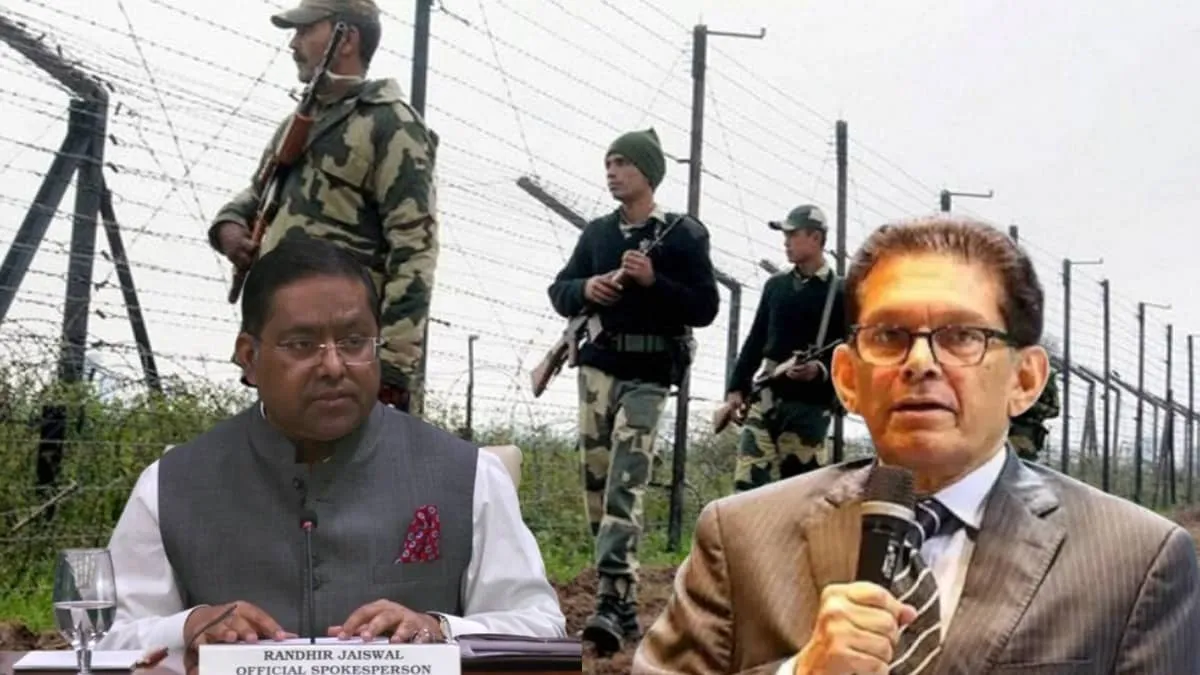
India has urged Bangladesh to extend full cooperation for the repatriation of illegal nationals, after a Bangladesh minister’s “pushback” remark. The MEA said more than 2,860 nationality verification cases remain pending with Bangladesh authorities, including several stuck for over five years, and called for faster processing to resolve them smoothly.
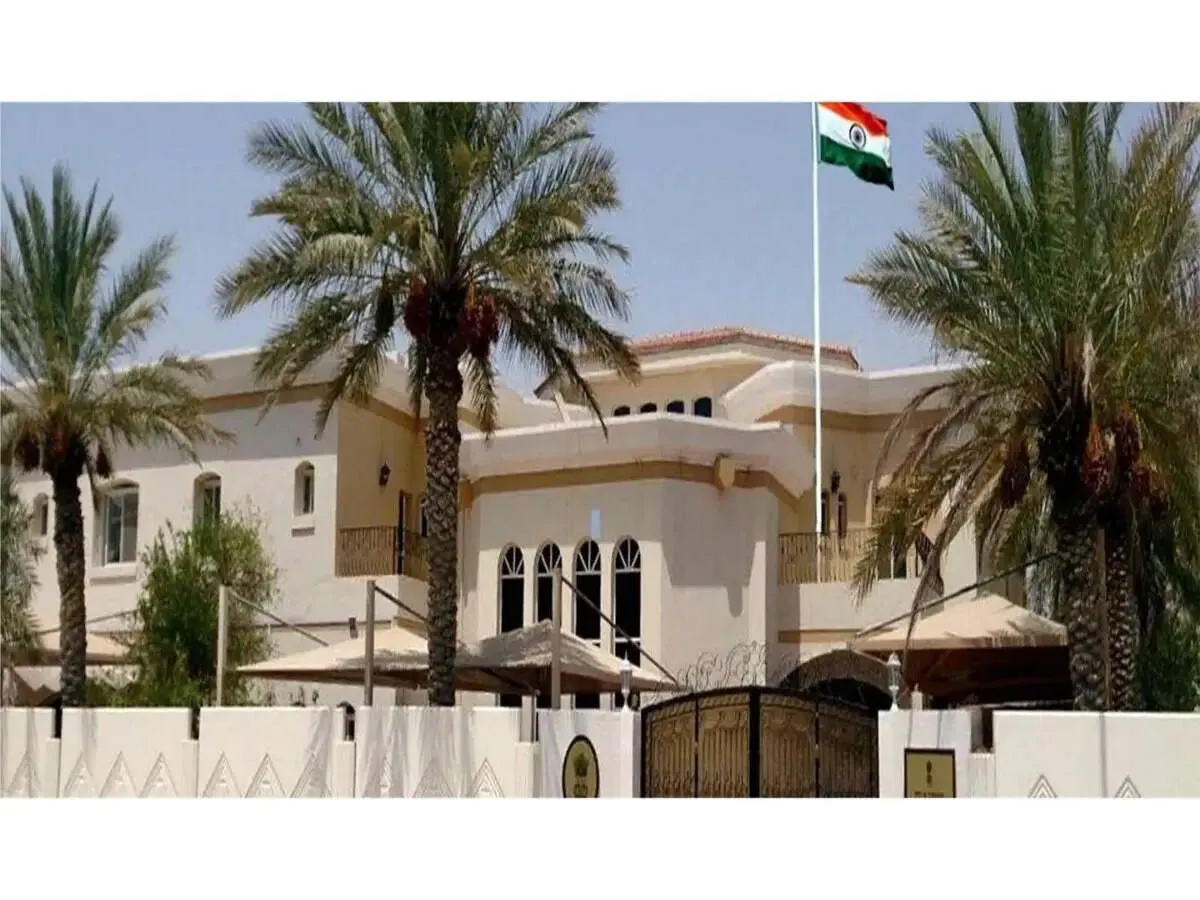
A terminally ill Indian national diagnosed with advanced cancer has been repatriated from Qatar to India. The coordinated effort involved the Singh Sewa Group and community support networks, working alongside the Indian Embassy in Doha to arrange the return and ensure safe transfer. The case highlights how local groups and diplomatic channels can move quickly for urgent medical circumstances.
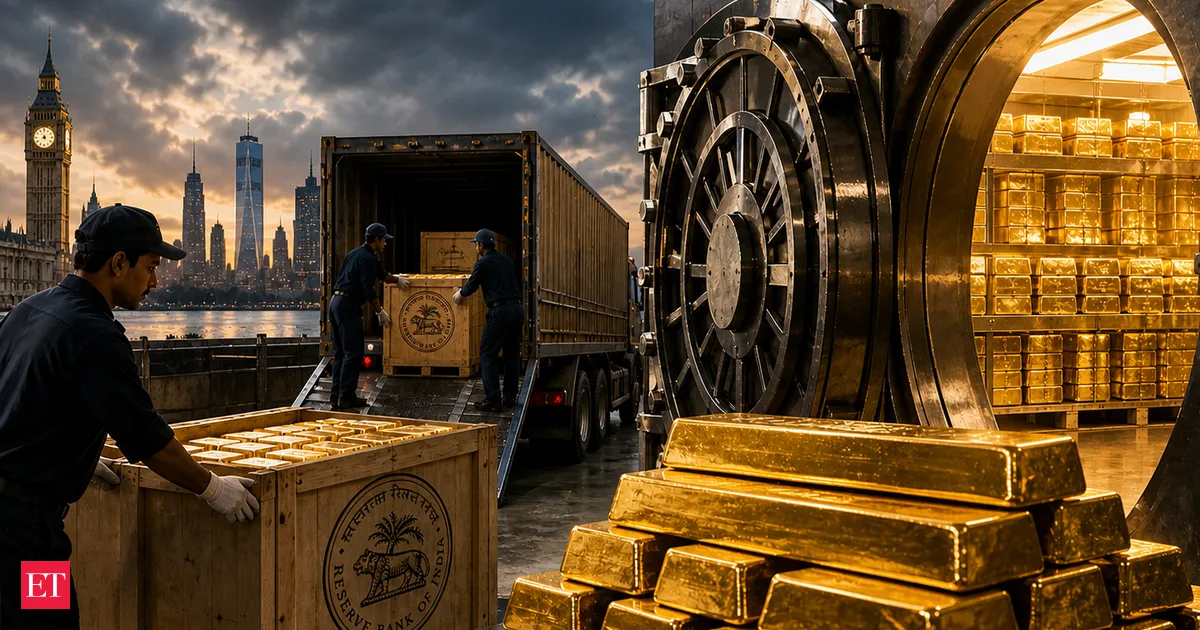
India is rapidly repatriating its gold reserves, moving the bulk from overseas vaults back to domestic custody. The push is fueled by concerns about trust and the need for stronger control, echoing a wider global shift toward physical sovereignty. With wealth more readily accessible during uncertainty, the plan is reshaping what “safety” means in international finance.
Never miss a story
Set alerts for the topics and sources you care about. Download Beige for free.
The Reserve Bank of India is accelerating the onshoring of its bullion reserves, aiming to bring nearly 77% of its gold home by March 2026. RBI has already repatriated a large portion and the decision follows global concerns about holding sovereign gold abroad after recent events, with several countries moving to return their reserves.
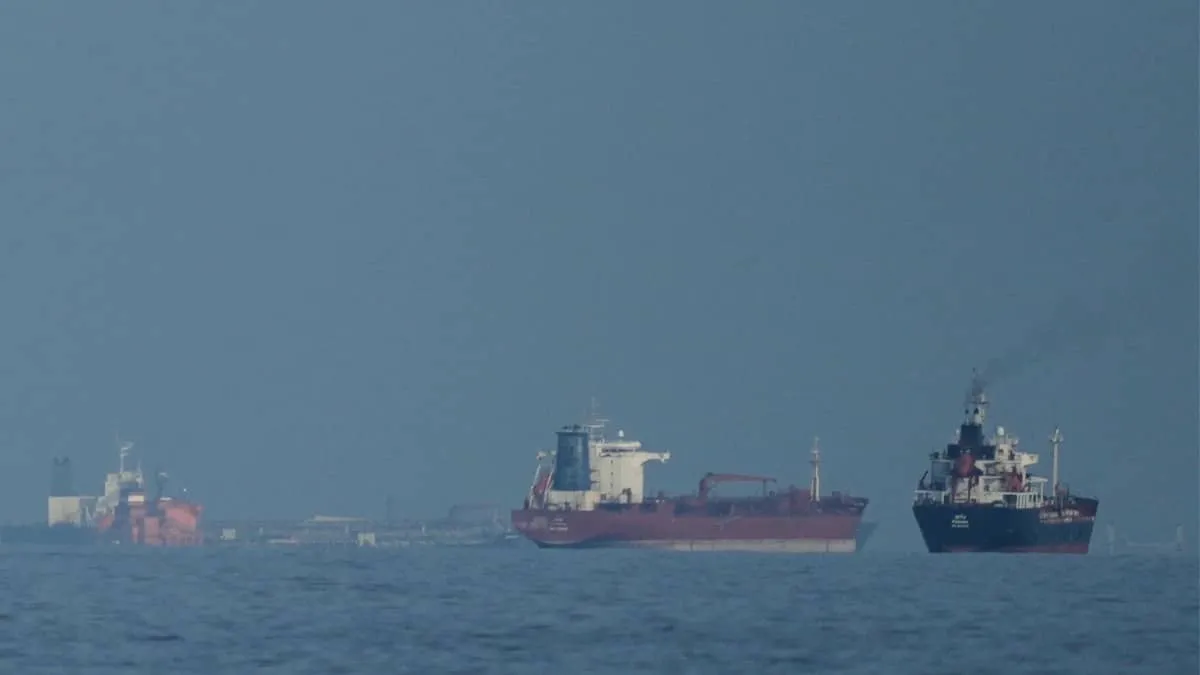
India is continuing repatriation operations from West Asia and the Gulf as the security situation evolves, with officials confirming that more than 2,500 Indian seafarers are being brought back. The DG shipping control room, activated to manage coordination, has reportedly received 6,918 calls and 14,605 emails, with safety prioritized across locations.
Swipe through stories, personalise your feed, and save articles for later — all on the app.