Aditya Birla Group and KKR have emerged as the two top contenders to buy Shell’s renewable energy firm Sprng Energy after binding bids were submitted by multiple suitors. Shell will now negotiate exclusively with Aditya Birla and KKR next week, following internal screening at its London headquarters. NIIF and Actis have been eliminated. The transaction is estimated at about $2 billion enterprise value. Sprng Energy runs a 5 GW generation portfolio with long-term contracted offtake.
Inox Clean Energy has agreed to buy Boviet Solar’s US solar manufacturing assets for $750 million, including module and cell production units in North Carolina. The acquisition is designed to give Inox Clean a stronger foothold in the expanding US solar market and accelerate its manufacturing and supply capabilities as demand grows.
Your news, in seconds
Get the Beige app — every story in 60 words, updated hourly. Free on iOS & Android.
India held an inter ministerial meeting focused on speeding up battery storage rollout and grid upgrades. Officials discussed boosting transmission capacity and exploring variable time of day pricing, with the goal of expanding renewable energy adoption while improving grid stability. The talks aim to translate policy levers into faster deployment of technologies that balance fluctuating power supply.
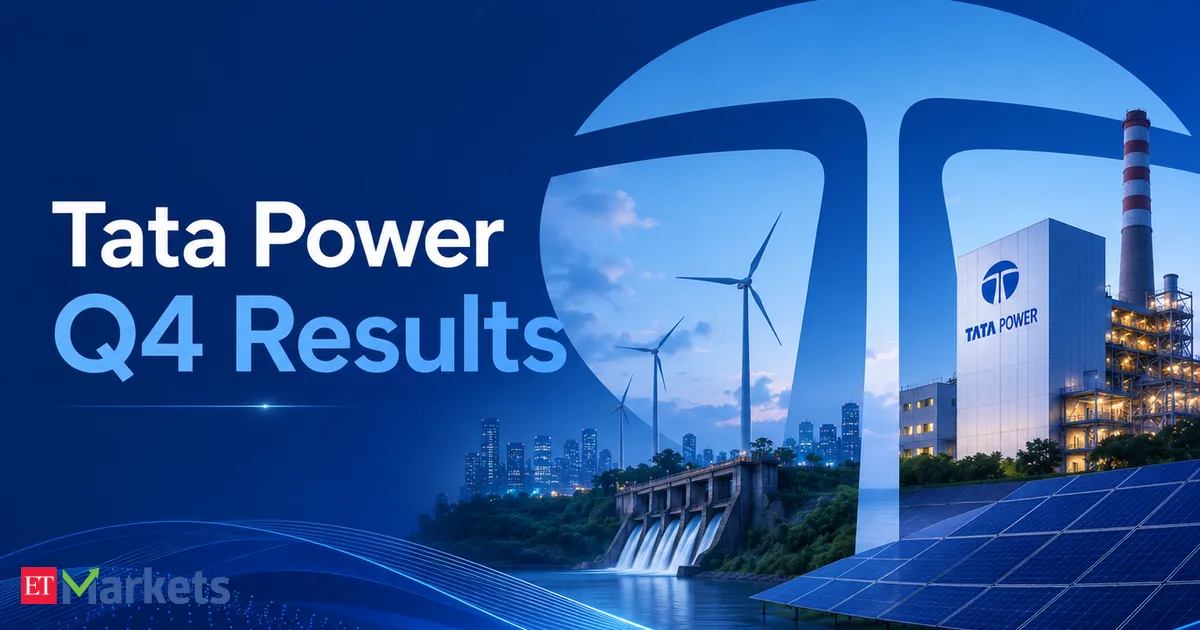
Tata Power’s consolidated net profit for Q4 FY26 fell 4% year-on-year to Rs 996 crore, while revenue dropped 13%. The quarter’s softness contrasts with a strong full-year performance: FY26 saw Tata Power achieve its highest-ever annual PAT of Rs 5,118 crore, supported by renewables, solar manufacturing, and transmission and distribution.
REC’s consulting arm plans to enter India’s emerging carbon market by operating as an accredited carbon verification agency. The company has invited expressions of interest from agencies to join as empanelled players for validation and verification work tied to compliance and offset mechanisms. The carbon market is expected to launch in 2026, bringing new verification roles for accredited agencies.
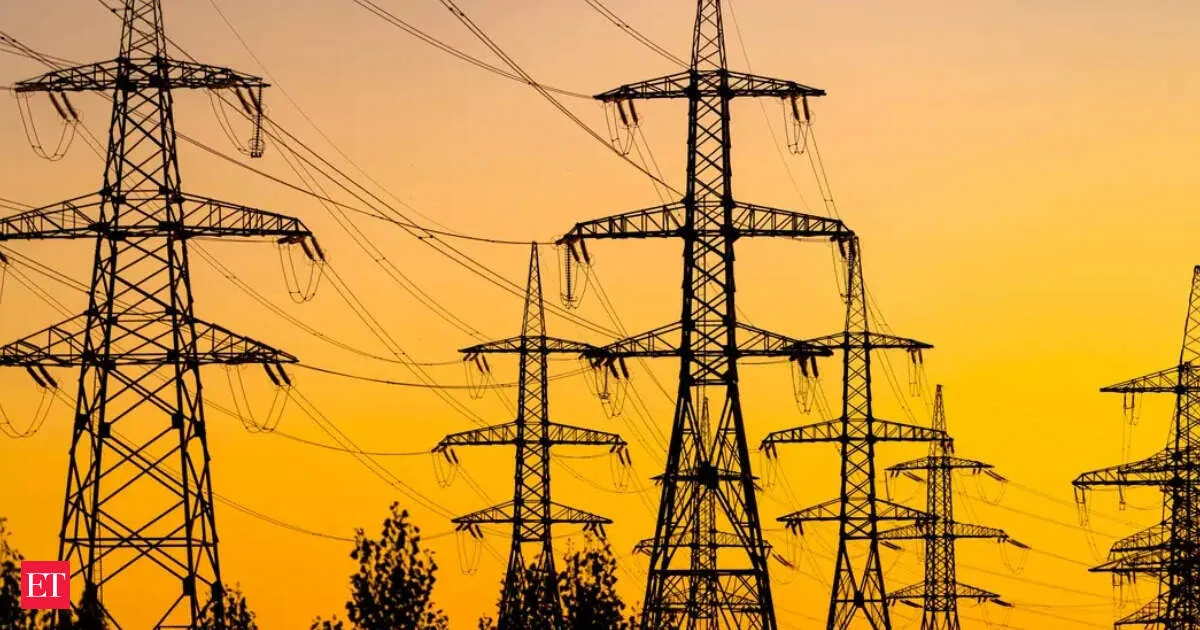
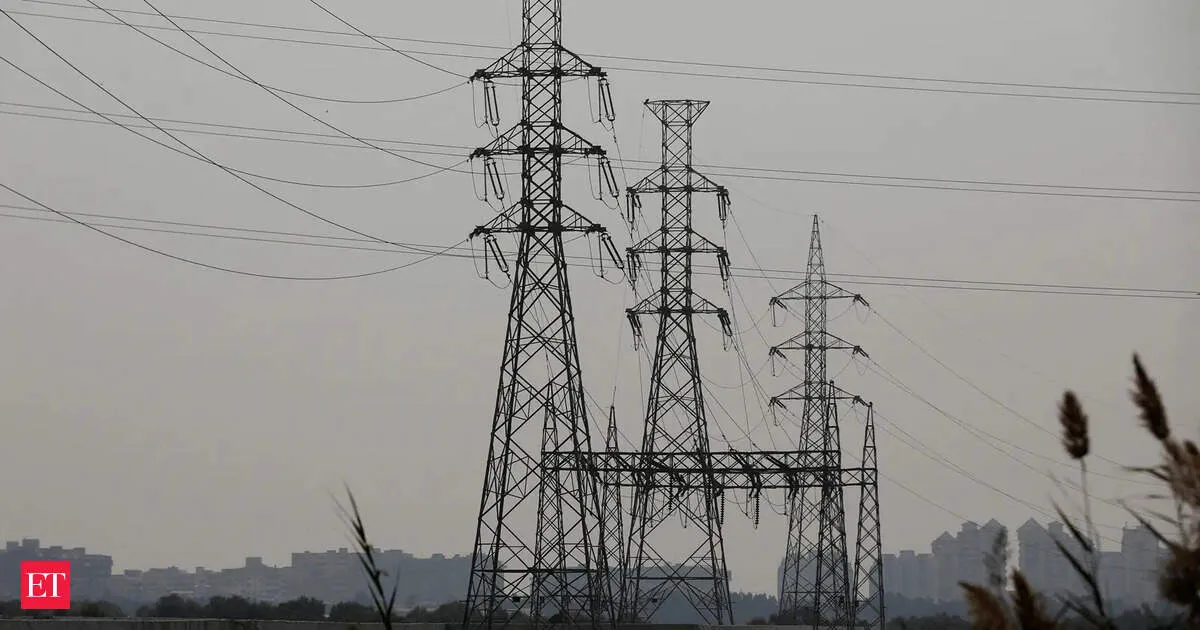
India is targeting 1,800 GW of renewable energy by 2050, but officials say it will only work with a “super grid” approach modeled on China. The government’s plan includes spending about $574 billion by 2030 on high-voltage transmission lines. Policymakers are also pushing states to secure equipment and storage to smoothly integrate more renewable power and reduce evacuation delays.
Never miss a story
Set alerts for the topics and sources you care about. Download Beige for free.
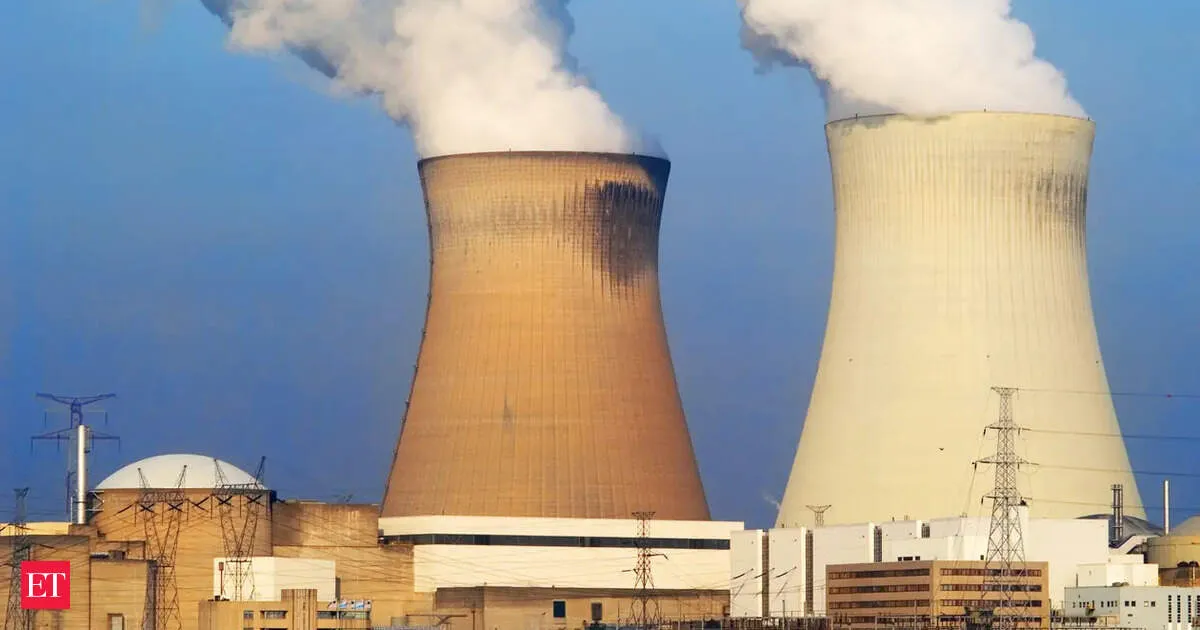
NTPC will submit its first nuclear project feasibility study to India’s Department of Atomic Energy, aiming to unlock approvals for standalone nuclear projects. The power producer targets 2 GW of nuclear capacity by 2032 and is actively scouting locations, including in Bihar and other states, to support its expansion plans.
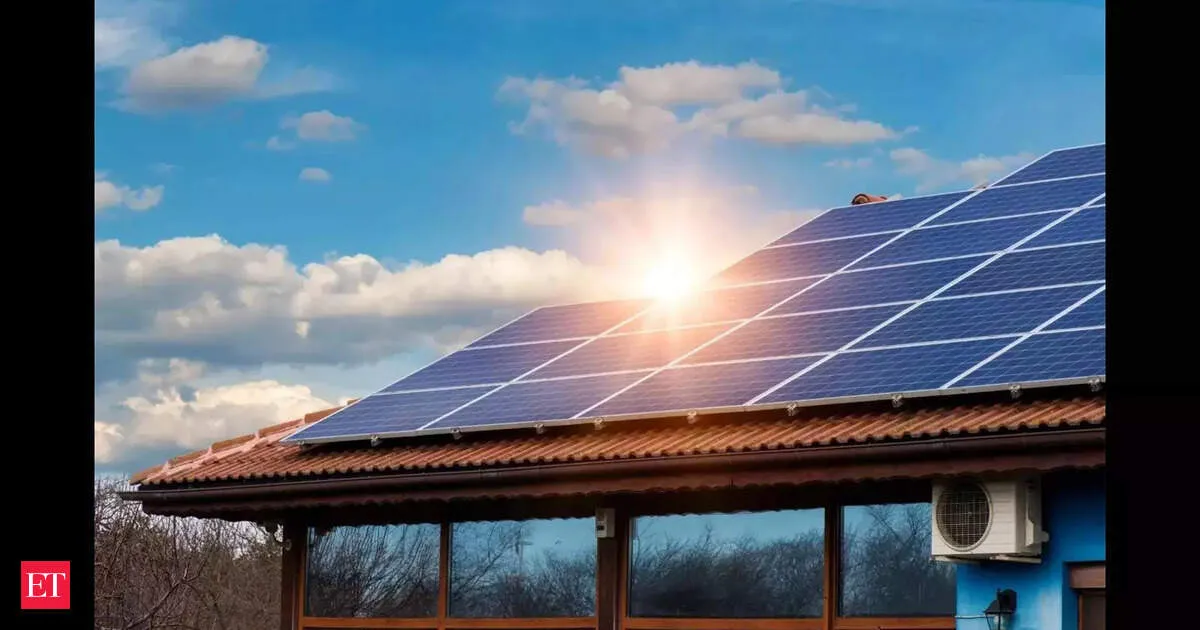
Waaree Energies is looking to expand aggressively in the United States, with plans that may include building a solar cell manufacturing facility. The move comes after the company increased its solar module manufacturing capacity. Waaree wants to gain market share in the growing US solar sector while also continuing to build an energy transition ecosystem in India.
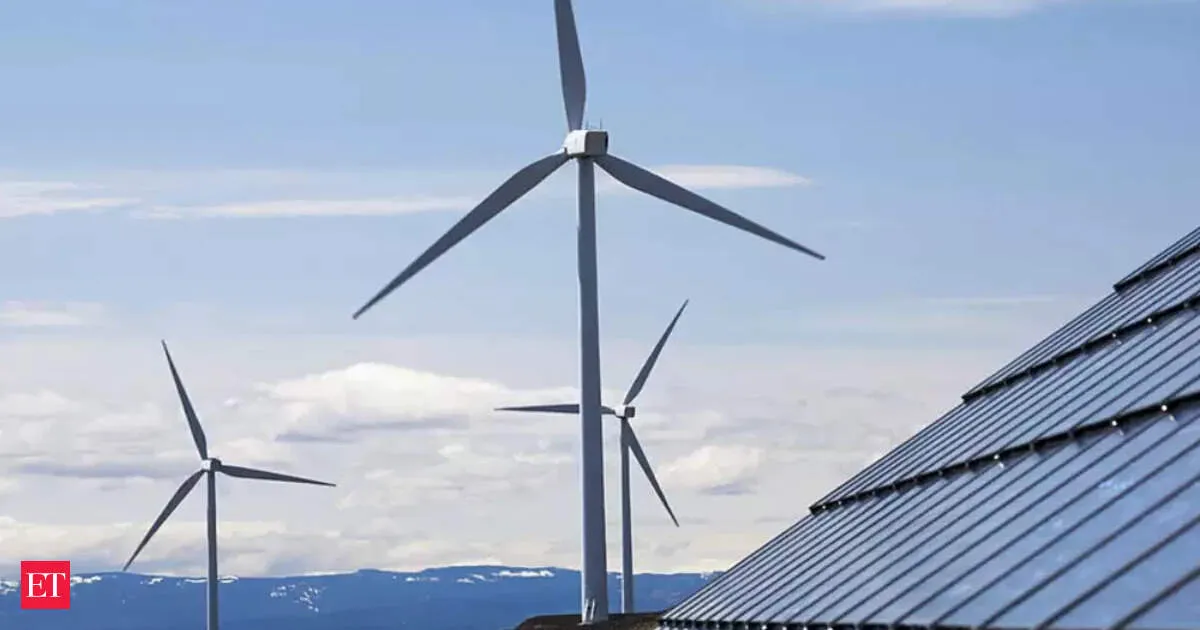
India’s power sector is set for sustained growth, with Citi projecting a 5–6% CAGR in the medium term. The bullish outlook is driven by electrification demand and rising load from data centers and cooling, alongside manufacturing expansion. Citi flags the start of India’s first multi-vector capex upcycle covering thermal, renewables, transmission and grid storage.
Tata Power and Bhutan’s Druk Green Power Corporation (DGPC) have broadened their hydropower partnership by adding the 404 MW Nyera Amari I & II Integrated Hydropower Project. The move raises the collaboration’s identified hydropower capacity to 5,033 MW, up from 4,500 MW earlier, strengthening long-term clean energy supply plans.
Reading on mobile?
Open Beige in the app for a smoother experience — free on iOS and Android.
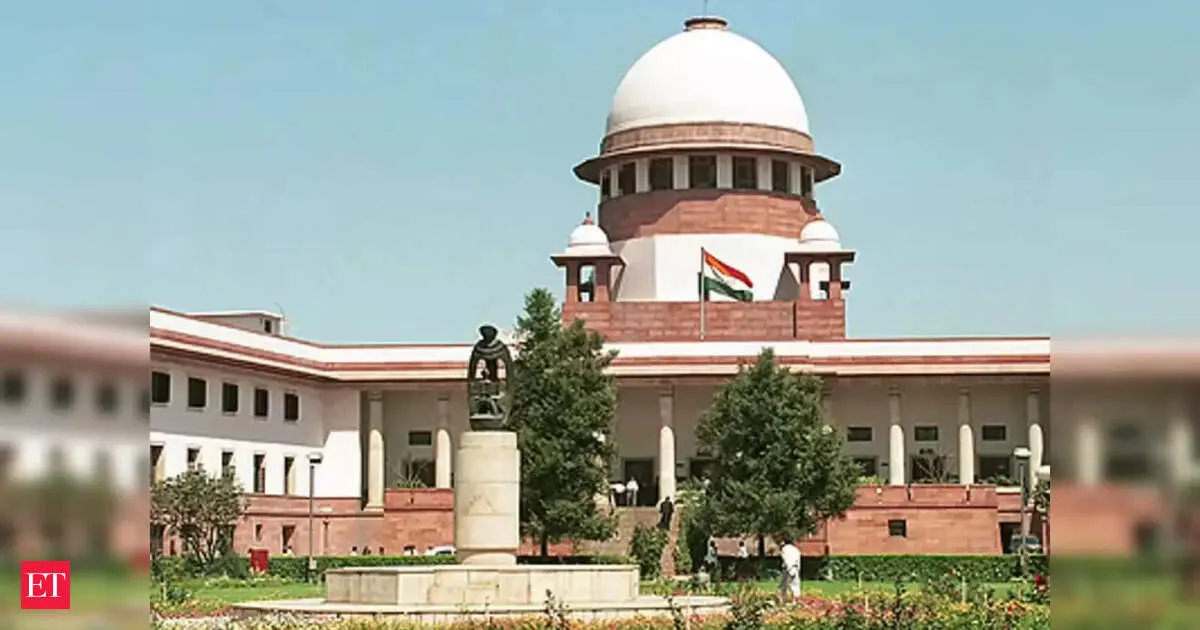
The Supreme Court ruled that electricity consumers are not liable for tariff charges tied to a power plant that has stopped supplying electricity. Restoring an earlier order against Tata Power Delhi Distribution Ltd., the court held that consumers should not be forced to bear costs of plants that are no longer operational. The decision is a major relief for power consumers facing legacy tariff claims.
GE Vernova has secured an order to supply nine pumped-storage units for Megha Engineering & Infrastructures’ Upper Sileru hydropower plant in Andhra Pradesh. The 1.35 GW project, due by 2030, is set to become one of India’s largest. Pumped storage will help stabilize the grid and balance renewable power, with GE handling design, manufacturing, commissioning, and control systems.
Battery storage firms say an HSN classification muddle is driving up costs and delaying compliance for long-life projects. The sector is pushing for separate HSN codes, an approved manufacturer list, stricter local content norms, and clear rules on customs duty deferment under warehouse provisions lasting the full 12-year project life.
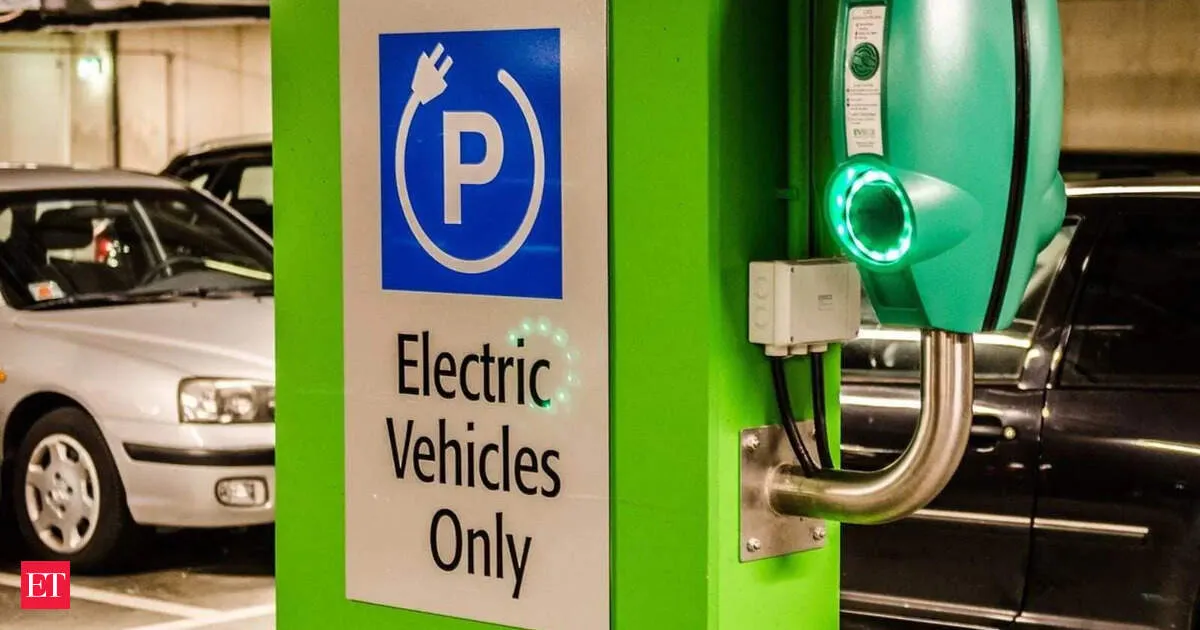
Rising environmental awareness is driving Indian consumers toward electric vehicles, but the real accelerant is state policy. Incentives and supportive measures are lowering the barrier to EV ownership, reshaping purchasing patterns across key markets. Maharashtra, Uttar Pradesh, and Karnataka are seeing sharp sales jumps, and the broader EV sector is positioned for steady expansion ahead.
Follow your favourite sources
Track sources, tags and categories — all in the Beige app.
UN climate chief Simon Stiell says the war in West Asia is triggering an oil price shock that is squeezing the global economy and accelerating the transition to renewable energy. Speaking at an IEA energy transition meeting in Paris, Stiell described a “fossil fuel cost crisis” that has effectively tightened its grip, giving renewables an unexpected boost.
India’s power system is at a turning point as summer demand is growing faster than generation can flex, especially during evening peaks. Renewables handle daytime loads, but the grid struggles to balance later when power needs spike. Analysts warn that if storage capacity does not expand quickly, shortages could emerge while missed profits linger for developers who move first.
A Karnataka court has temporarily stopped new, stricter penalties for solar and wind producers that deviate from scheduled grid supply. Industry groups challenged the rules, saying they were introduced without sufficient public consultation and failed to account for weather-driven variability in renewable generation. The order keeps the older penalty regime in place until the next hearing.
West Asia unrest is pushing India to rethink risk management by identifying key economic chokepoints across energy, agriculture, and mineral supplies. Officials say diversifying sourcing, expanding renewable energy, and targeting supply and price risks together can blunt disruptions. The message also notes inflation remains manageable, but preparation for shock scenarios is now urgent.
Stay informed on the go
Bite-sized news from 100+ trusted sources, right in your pocket.
The Iran conflict is reviving global dependence on hydrocarbons, undermining clean energy momentum. Renewables still struggle with storage and grid upgrades, while alternatives such as green hydrogen remain costly. As countries prioritize energy security, the spotlight is returning to gas supplies and nuclear expansion, with EV targets in danger of slipping.
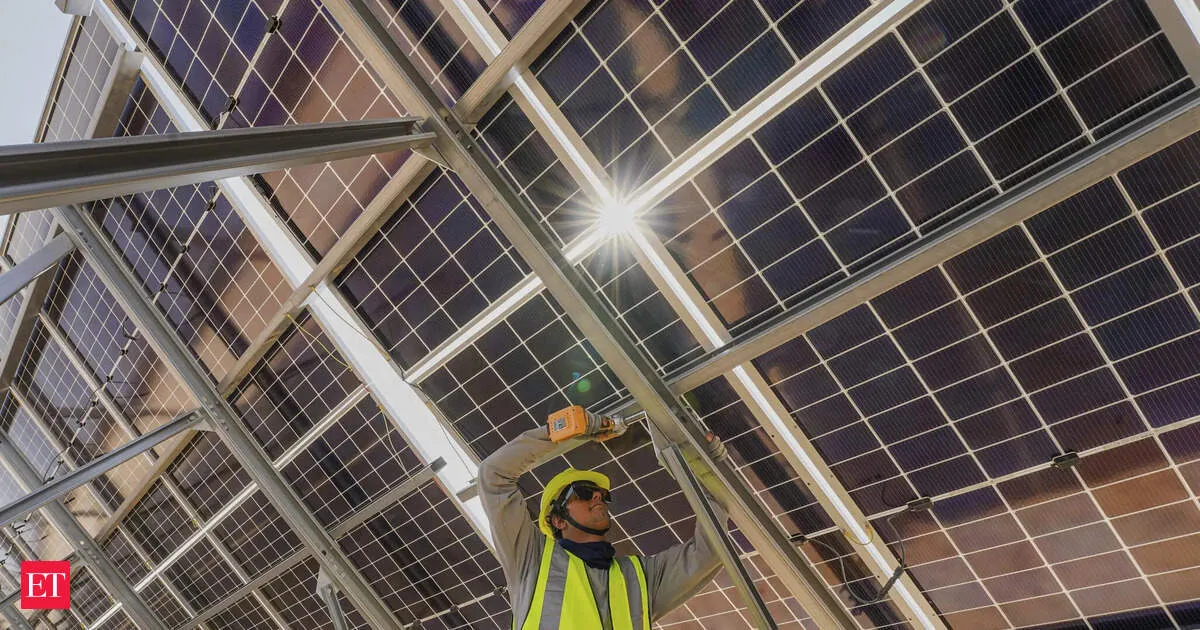
The US Commerce Department has announced preliminary antidumping duties on solar cells and panels imported from India, Indonesia, and Laos, alleging the products were sold in the US at unfairly low prices. The move could reshape costs and competition for exporters, while US industry groups backed it. Final determinations are expected later this year.
Swipe through stories, personalise your feed, and save articles for later — all on the app.