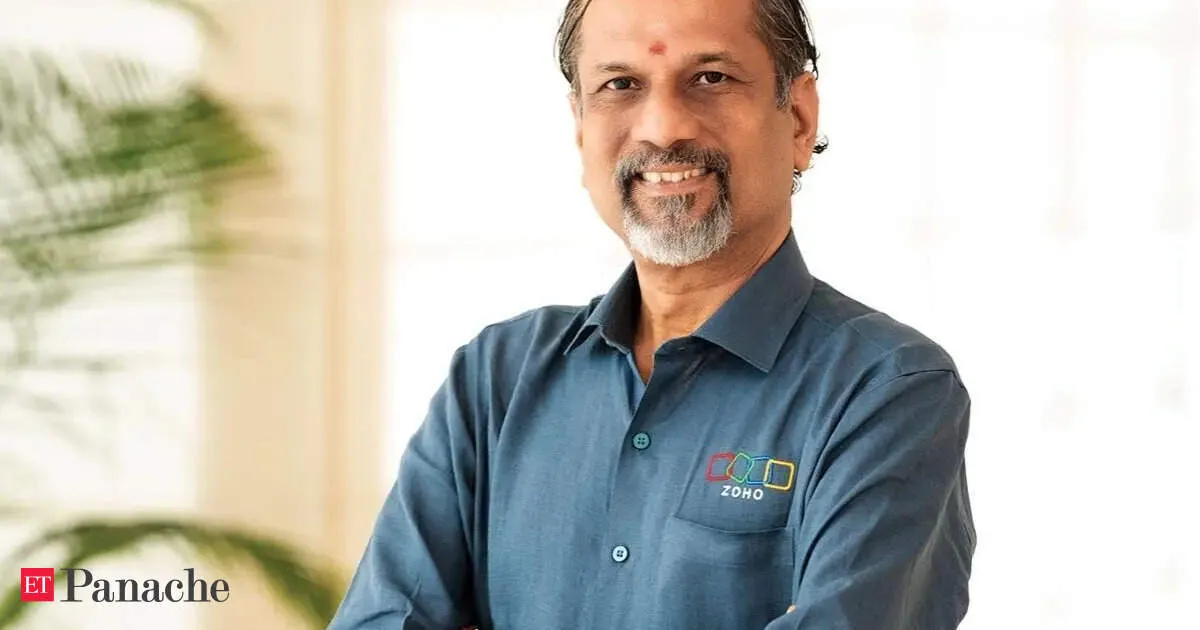
Zoho founder Sridhar Vembu says the company is bringing employees back to the office to improve practical collaboration and experiential learning. While he admits remote work can handle some tasks, he argues that in-person interaction drives better innovation, especially for R&D work. Still, he hints Zoho will move toward a partial WFH model later.
PM Narendra Modi’s renewed push for work from home has reignited questions about whether employers can refuse remote work in India. The debate turns on what the latest Labour-related framework actually requires—public encouragement may influence expectations, but it doesn’t necessarily create a direct right to WFH for every employee. Courts, contracts, and workplace policies remain central.
Your news, in seconds
Get the Beige app — every story in 60 words, updated hourly. Free on iOS & Android.
With uncertainty rising across the Middle East, Indian IT firms are accelerating remote and hybrid work to protect employees and keep operations flexible. Alongside this shift, companies are upgrading energy efficiency across campuses. Nasscom, backing a $315 billion technology industry, says it is closely monitoring geopolitical developments that could affect work patterns and business continuity.
An Indian woman turned down a work-from-home offer after the hiring company demanded all-day webcam access and frequent screenshots every 10 minutes. Her viral question, “Hiring humans or robots?”, has sparked a wider debate on workplace surveillance, trust, and whether remote work is becoming as invasive and stressful as office monitoring—or worse.
Cedar Rapids, Iowa is offering remote workers a $5,000 cash relocation bonus, targeting people who currently live outside the state and earn at least $55,000 annually. Applicants can also access over $4,000 in added perks, aiming to attract new residents while they keep working remotely. The program details and eligibility requirements determine who gets the full incentive.
Thousands of Pakistani women doctors are restarting their careers through telemedicine. The initiative links home-based physicians to patients in underserved regions, helping doctors who previously stepped away due to family duties and workplace barriers. By shifting care online, the platform creates flexible schedules that let doctors balance professional work with family responsibilities—turning a digital solution into a career lifeline.
Never miss a story
Set alerts for the topics and sources you care about. Download Beige for free.
Bansko, Bulgaria’s top ski destination, is countering climate-driven uncertainty by leaning into an all-seasons strategy that attracts digital nomads. Winter schedules get a boost from its one-hour time difference with London, allowing remote workers to ski early. With 75 km of World Cup-ready slopes, the resort is building a cosmopolitan base beyond peak season.
India’s GCC sector is grappling with a widening gap in specialized skills while talent increasingly moves to newer hubs offering higher packages. Younger professionals are also choosing roles with purpose and fast-changing work environments, pushing GCCs to overhaul hiring and retention strategies. Remote work and GCC expansion into Tier-II and Tier-III cities are adding fresh complexity—forcing more employee-centric approaches to win the talent war.
Swipe through stories, personalise your feed, and save articles for later — all on the app.