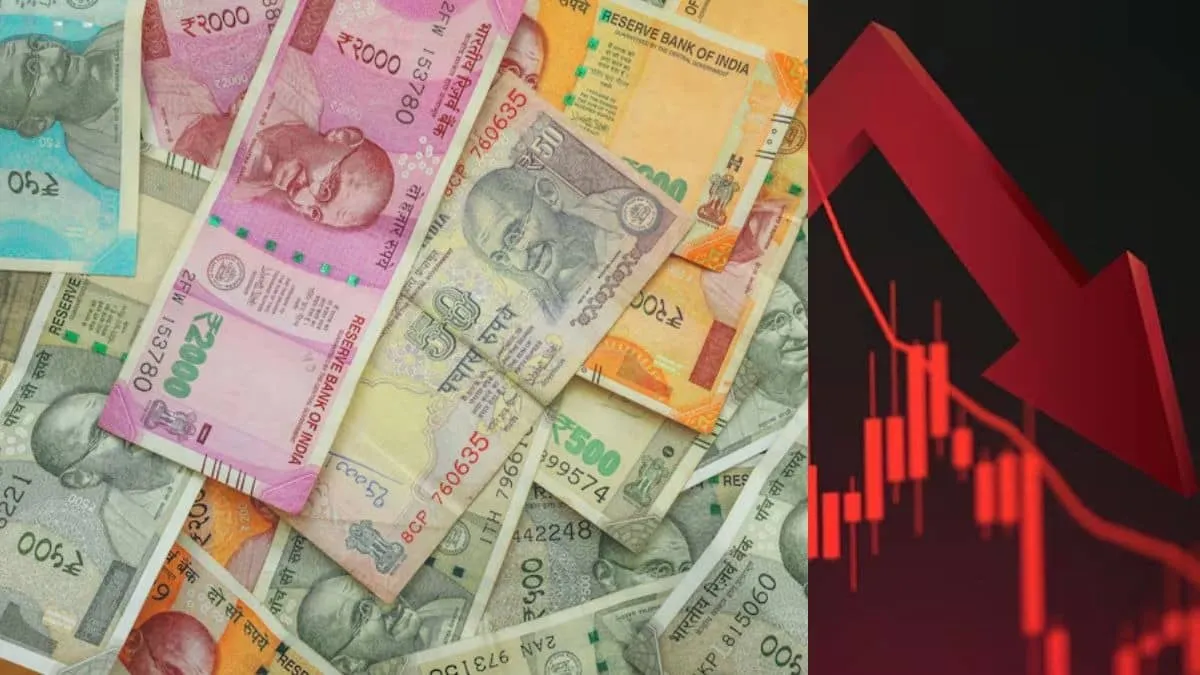
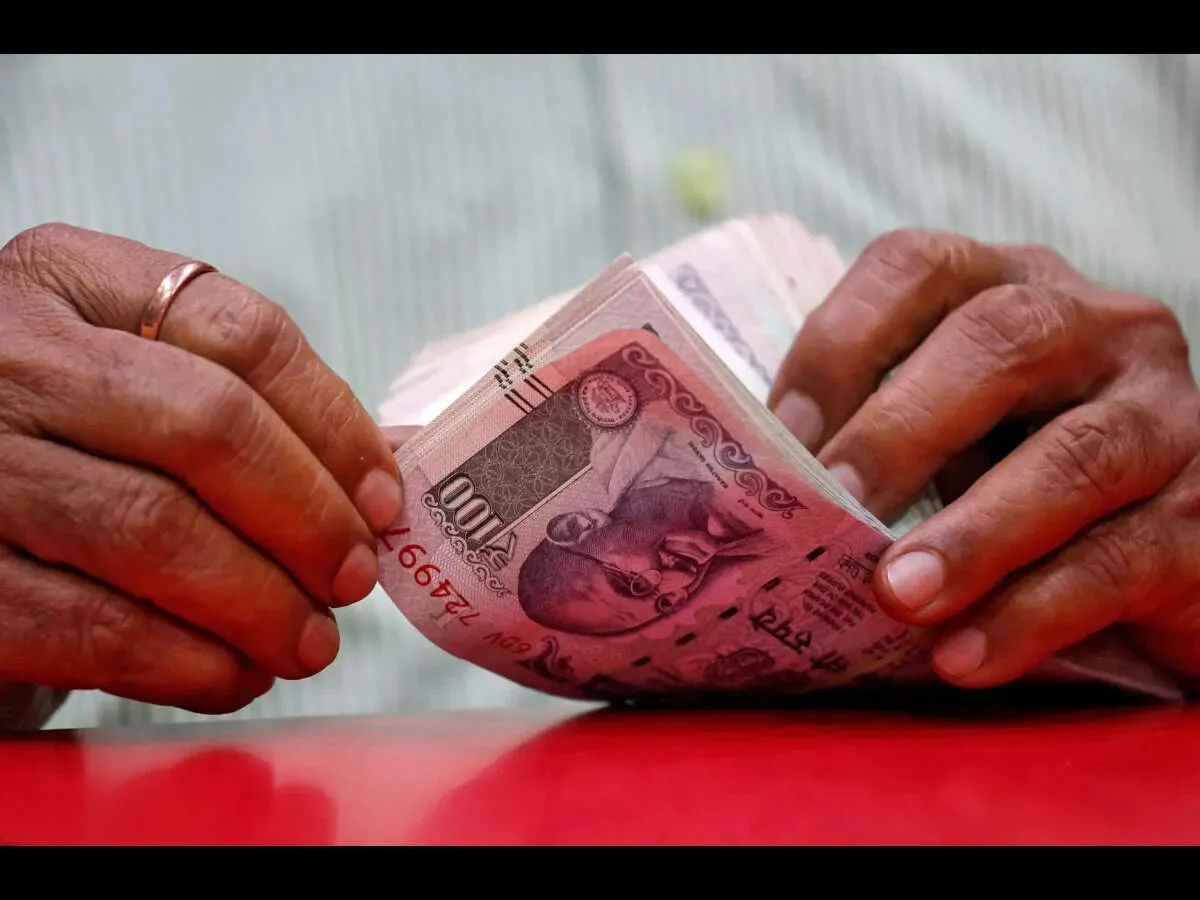
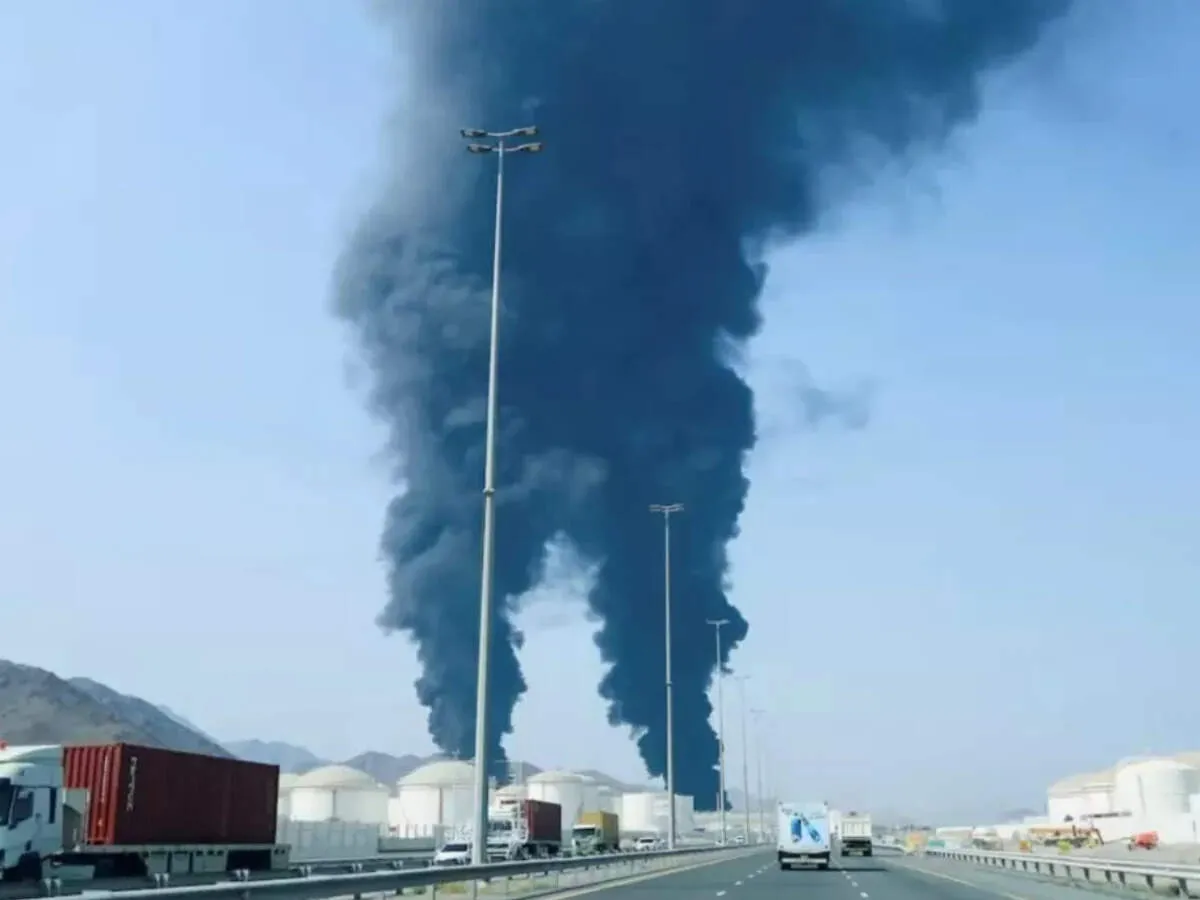
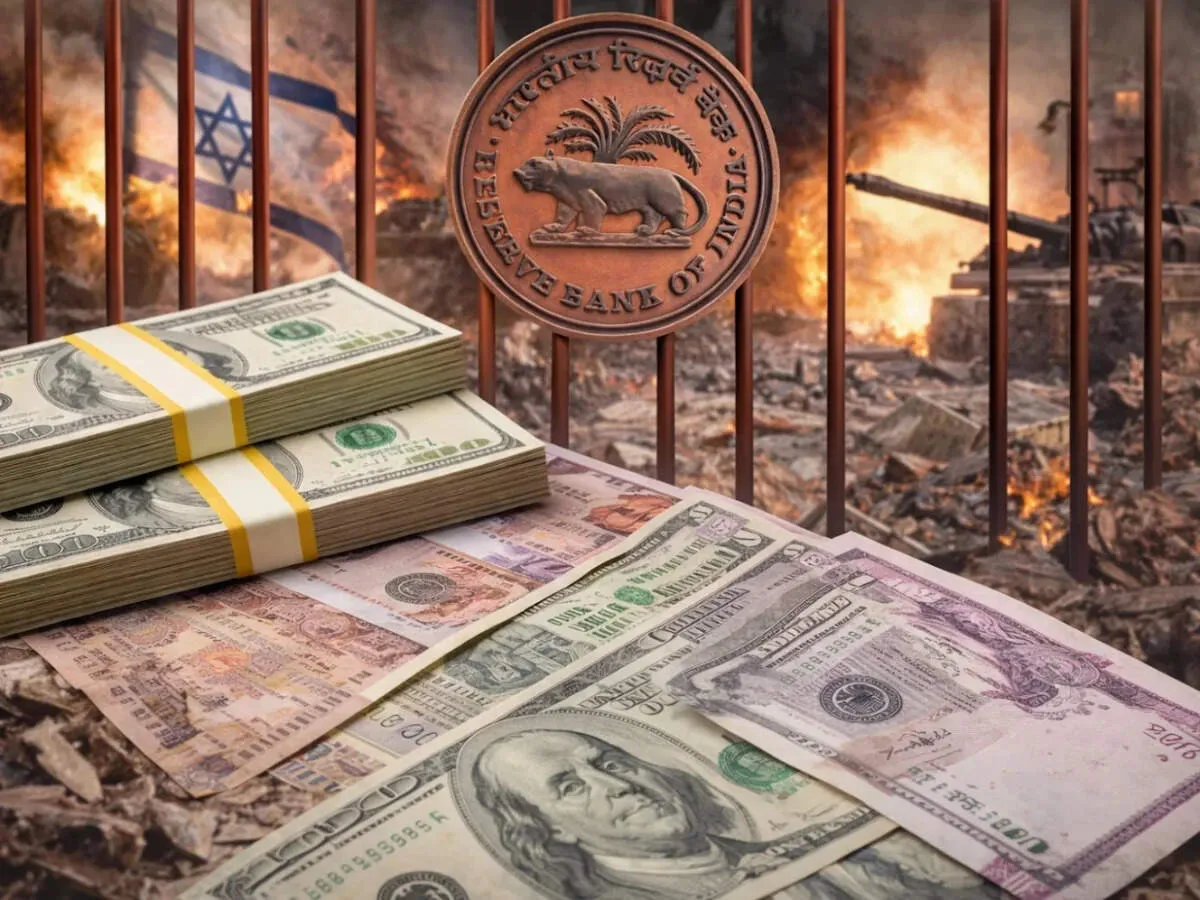
The Indian rupee slid to an all-time low of 96.14 against the US dollar on Friday, fueled by foreign fund outflows and a stronger dollar index (99.28). The bigger trigger was Brent crude jumping to $109.20 per barrel after shipping disruptions in the Strait of Hormuz. While experts urge citizens not to panic, they warn of a gradual squeeze on wallets as higher energy import costs ripple into transport, logistics, and ultimately food and essentials.
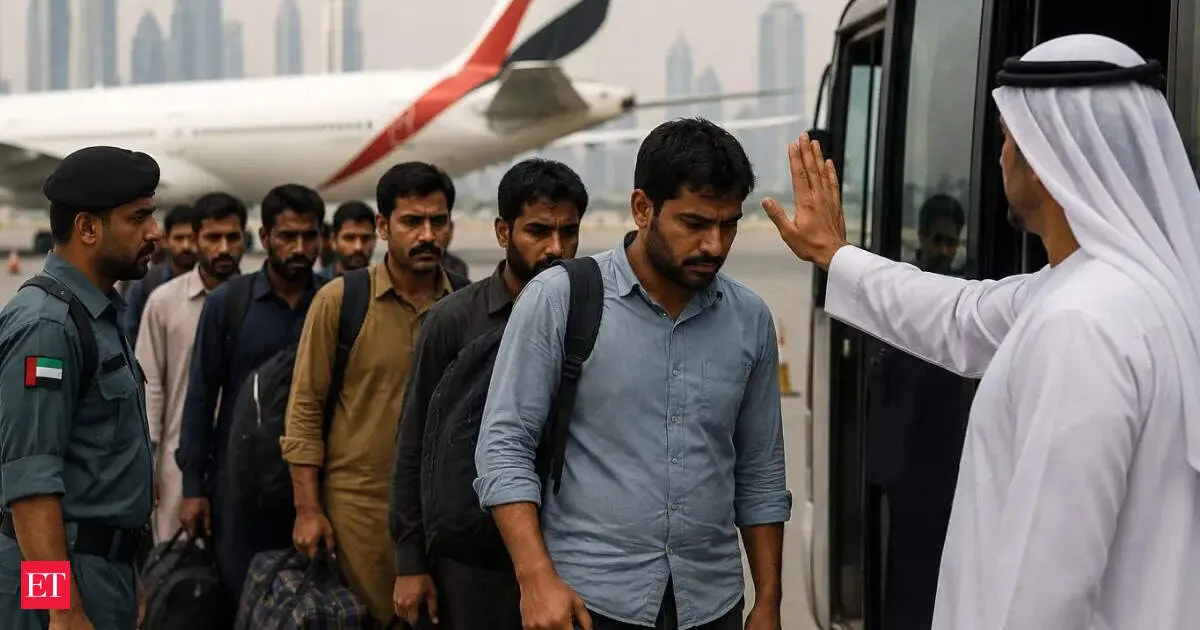
Thousands of Pakistani Shia workers are reportedly being expelled from the UAE, deepening strains with Abu Dhabi. The move follows a reported demand for loan repayment and comes amid wider regional tensions tied to shifting alliances. With remittances crucial to Pakistan’s economy, the expulsions could quickly hit household incomes and create new political pressure back home.
Your news, in seconds
Get the Beige app — every story in 60 words, updated hourly. Free on iOS & Android.
India topped the world in remittance inflows in 2024, pulling in $138 billion, according to the latest figures. The amount is supported by a diaspora of about 19 million and a decade-long rise in outbound work. The report also flags a shift toward high-skilled migration, especially in technology and healthcare, reshaping where earnings originate.
Foreign remittances to Kerala are staying resilient even as West Asia faces unrest. Bank deposits linked to non-resident Indians, including Federal Bank and South Indian Bank, are growing. Analysts point to a weaker rupee that increases rupee value of remittances. Inflows are expected to continue unless job losses hit the Middle East, though a prolonged conflict could become a long-term risk.
A son abroad in Canada was praised for monthly remittances, but the family never really asked how he was living day to day. Behind the financial success, he faced loneliness and hunger and quietly sent nearly all his earnings home. The revelation exposes how immigrant families can fixate on achievements while missing the most important question: his well-being.
India has retained its position as the world’s top remittance recipient, receiving about $137 billion, according to the UN’s World Migration Report 2026 by the International Organization for Migration. Mexico ranks second in the global list. The report highlights India’s consistent dominance in international money flows despite shifting migration patterns.
Never miss a story
Set alerts for the topics and sources you care about. Download Beige for free.
India’s remittance inflows, pegged at about $138 billion, are becoming more shock-resistant as sending networks diversify. Advanced economies are increasing their contribution and moving ahead of Gulf-linked remittances, strengthening India’s economic cushion even as regional conflicts pose near-term risks. The result: a more fortified external financing base than before.
India’s steady remittance inflows from Gulf nations are at risk as the Iran conflict drags on. Economies such as Kerala and Maharashtra, which rely heavily on these funds, could feel the squeeze through weaker earnings and employment. While business activity looks stable for now, a prolonged fight may translate into job losses for laborers and lower income for professionals across sectors tied to Gulf demand.
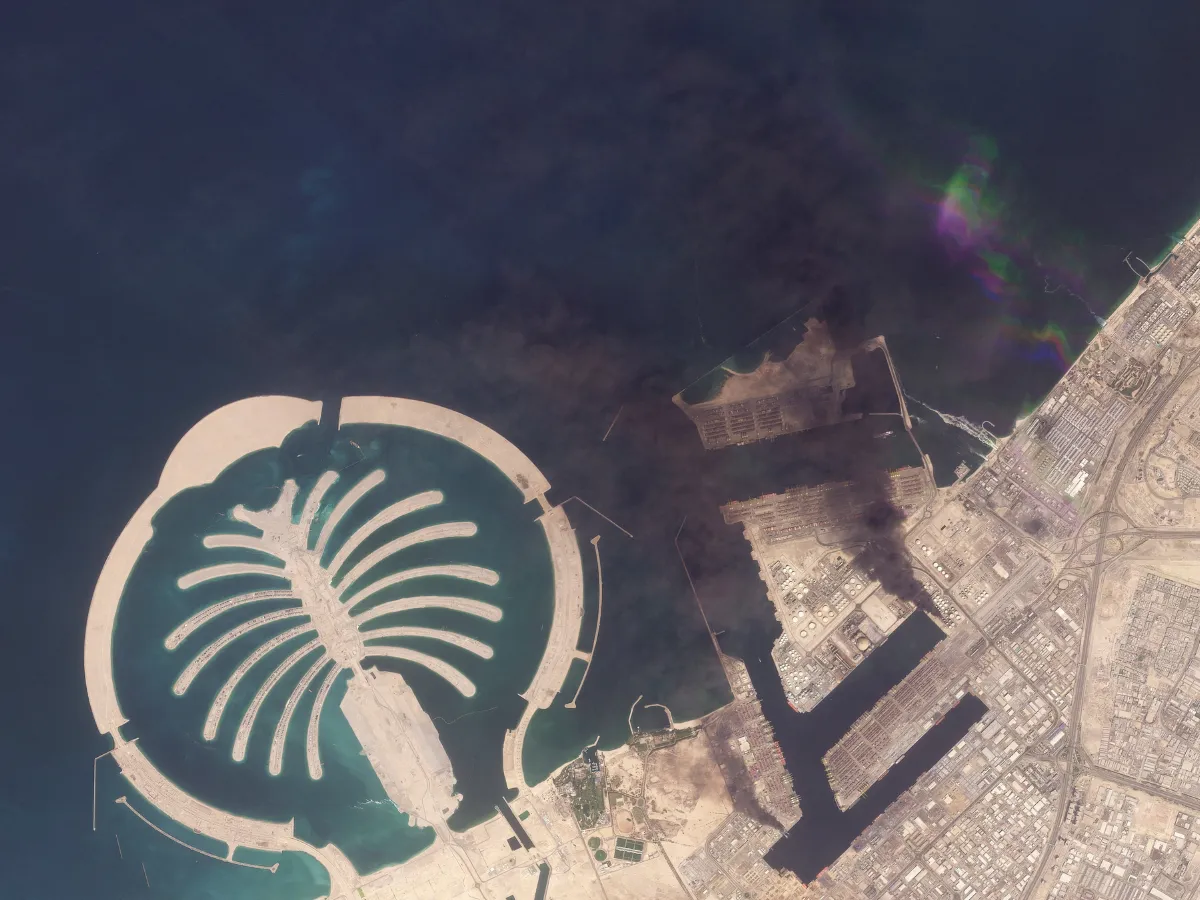
Escalating tensions in the Persian Gulf are raising fears for millions of Indians employed across the UAE and other Gulf states. Their remittances—amounting to billions—support households and strengthen India’s rupee while funding broader development needs. If shipping routes are disrupted and regional economic fallout deepens, the impact could extend to India’s financial stability.
Crisil has warned that the West Asia conflict could reduce remittance inflows into India. With around a third of diaspora inflows linked to Gulf Cooperation Council countries, any dip in migrant incomes may widen pressure on India’s current account. The risk arrives as the trade deficit is already under strain, despite India being the world’s largest remittance recipient.
Reading on mobile?
Open Beige in the app for a smoother experience — free on iOS and Android.
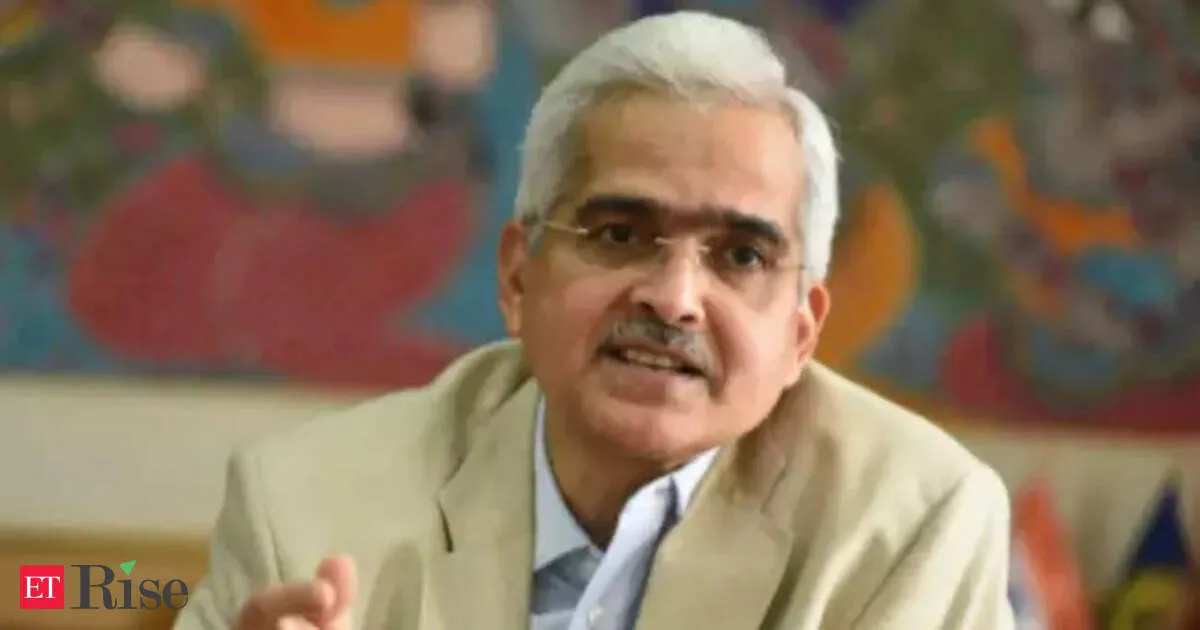
RBI Governor Shaktikanta Das said India’s trade deficit may narrow if services exports stay strong and remittances hold up. He pointed to a solid performance in July and August this year for services exports, suggesting improving external receipts. The RBI’s view links near-term trade balance trends to sustained momentum in services and inflows from overseas workers.
As the Gulf war continues, the UAE’s economy is showing early signs of stress. Hospitality, travel, and food and beverage firms are cutting jobs and reducing salaries, shifting focus from targets to survival. If the slowdown deepens, it may weigh on remittances sent to India by workers, with companies turning to cost controls similar to earlier pandemic measures.
Rising West Asia turmoil is unsettling millions of Indians working abroad, raising fears that remittance inflows to India could fall sharply. Analysts warn a slowdown in money transfers may strain the current account and add pressure to currency health, especially if job security and banking channels remain disrupted amid escalating tensions involving Iran and the US and Israel.
The RBI has reassured India that the West Asia conflict is unlikely to meaningfully disrupt remittances from Indians abroad. With remittance sources spread across multiple regions and channels, inflows are expected to stay strong. The central bank also pointed to services exports as a buffer to support external finances, even as inflation risks remain a concern.
Follow your favourite sources
Track sources, tags and categories — all in the Beige app.
Swipe through stories, personalise your feed, and save articles for later — all on the app.