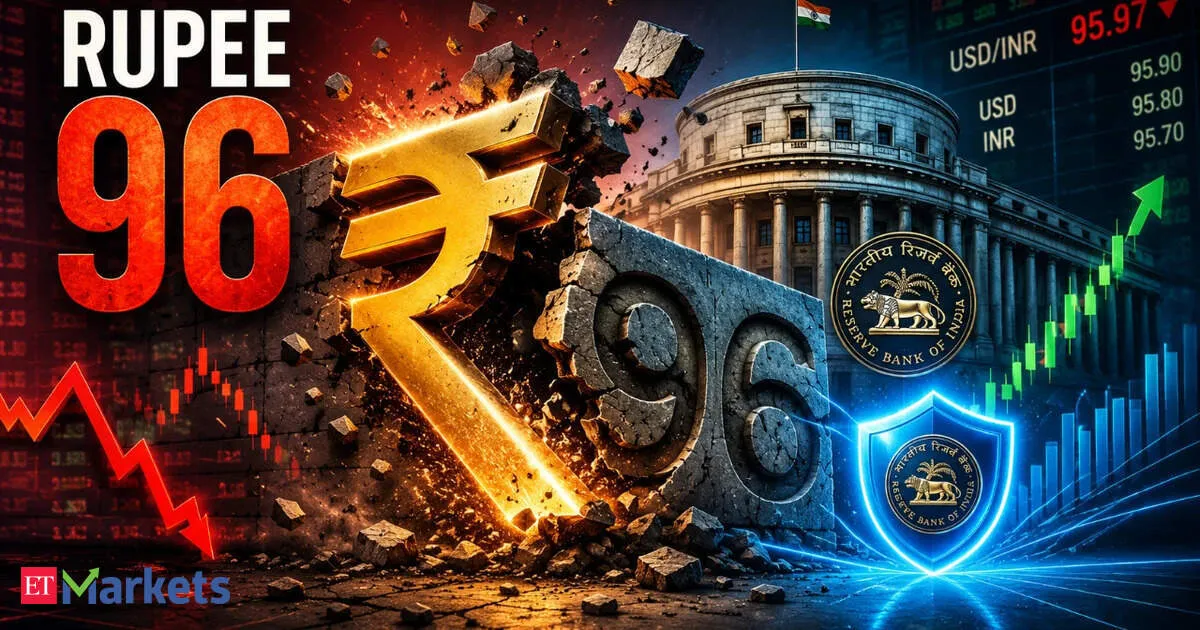
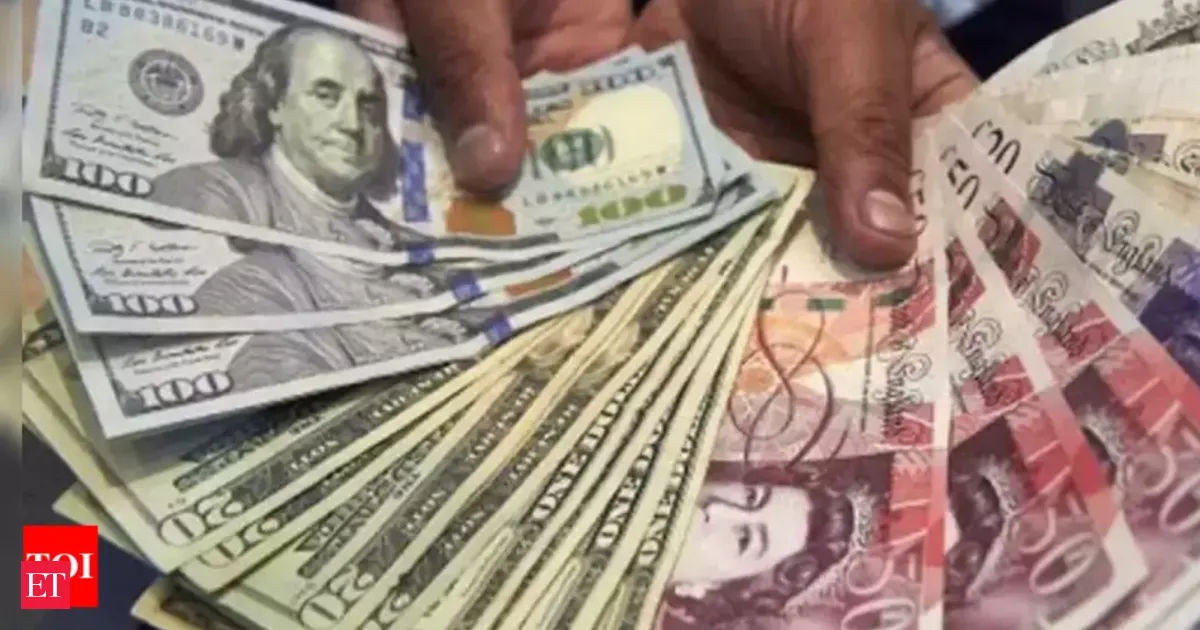
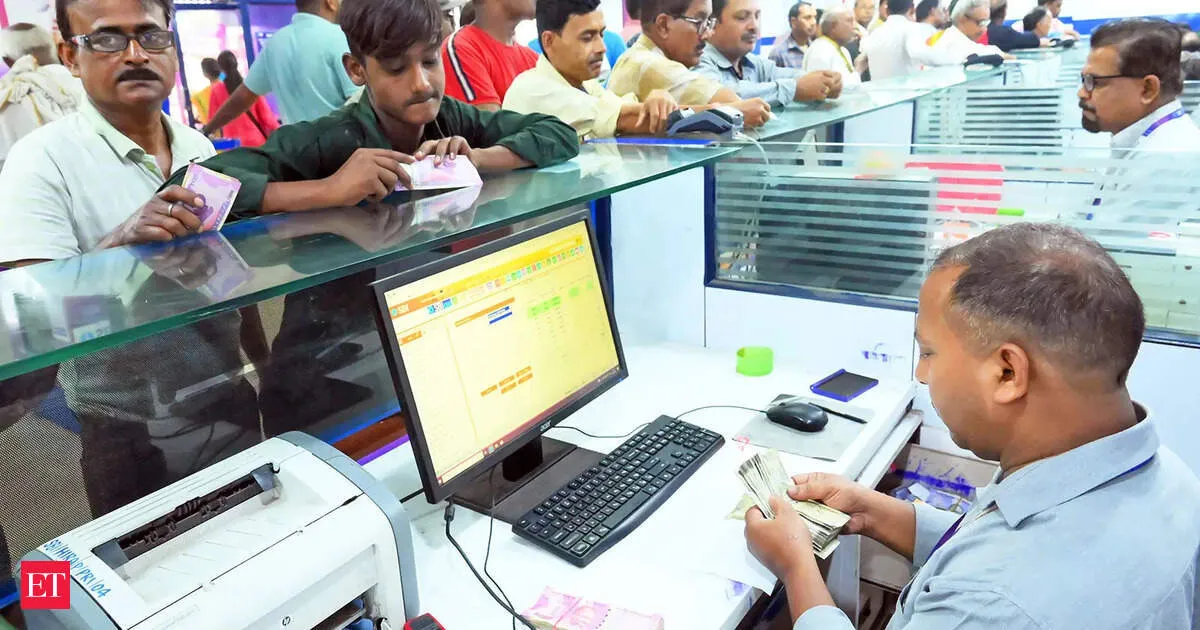
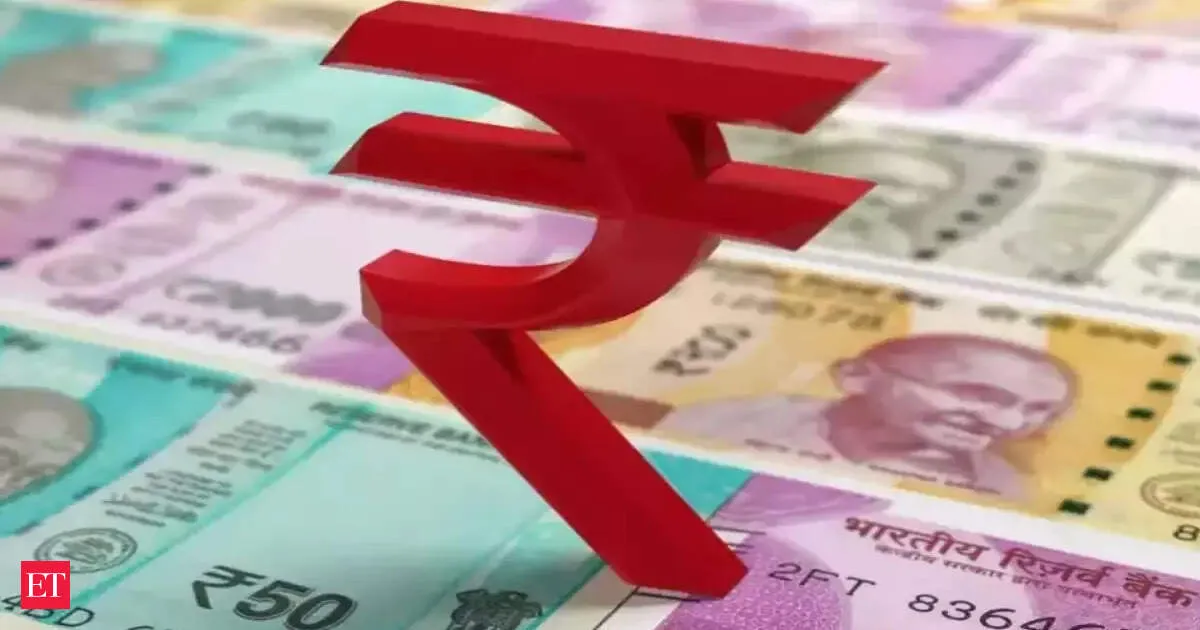
The Indian rupee breached 96 per US dollar for the first time as crude prices neared $110 a barrel, then recovered to close at 95.96 after RBI intervention late in the session. Analysts link the fall to persistent external pressure from the Russia Ukraine and West Asia conflict-driven energy costs and a widening need for long-term dollar inflows. Policymakers are discussing measures to attract direct FX, including step-by-step actions over the next 2-3 months, plus recent import duty hikes on bullion.
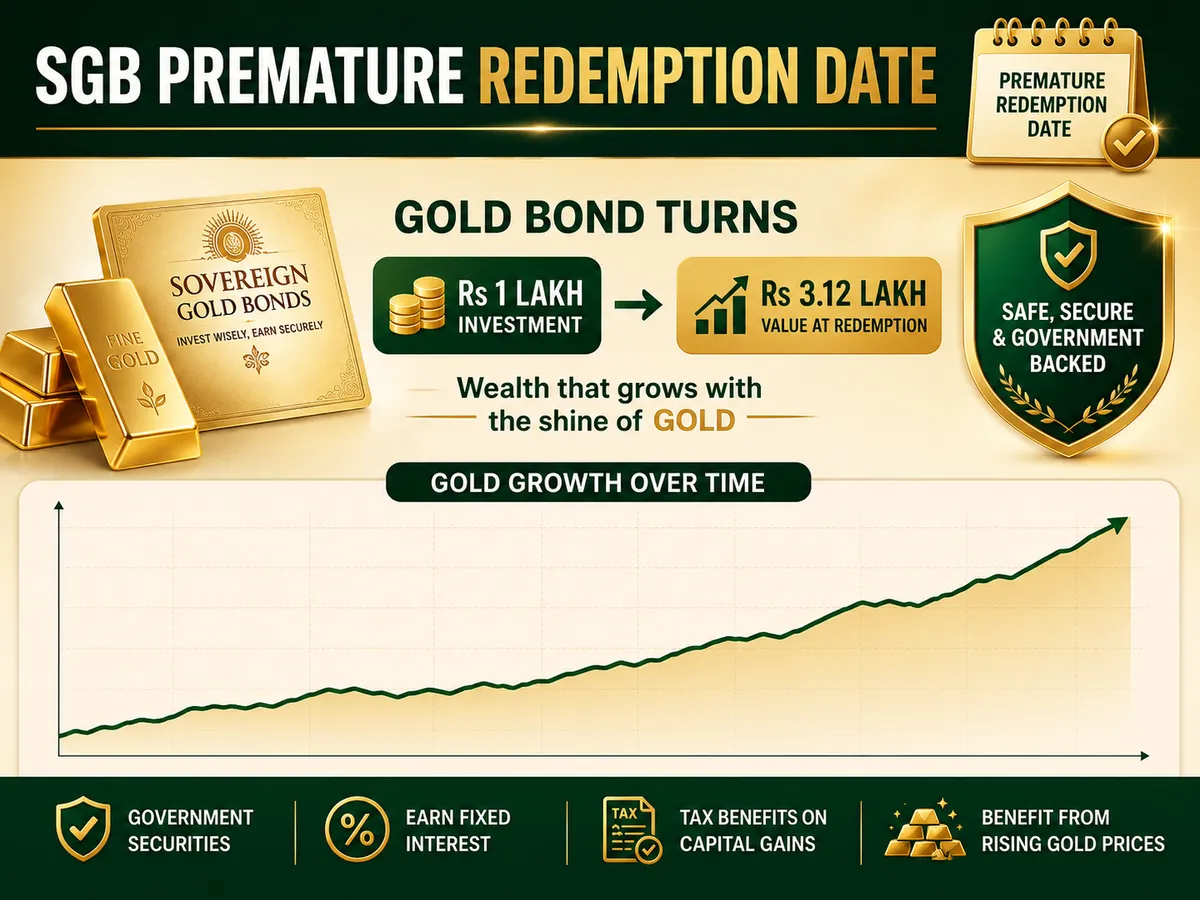
The RBI has announced the premature redemption price for Sovereign Gold Bond (SGB) 2020-21 Series-VIII, enabling investors to exit from May 18, 2026. The redemption is permitted after five years, on an interest-payment date. The RBI calculates the price using a simple average of 999-purity gold’s closing rates from the prior three working days (May 13 to May 15, 2026). The fixed rate comes to Rs 16,012 per unit, against an issue price of Rs 5,127 per gram for online buyers.
Your news, in seconds
Get the Beige app — every story in 60 words, updated hourly. Free on iOS & Android.
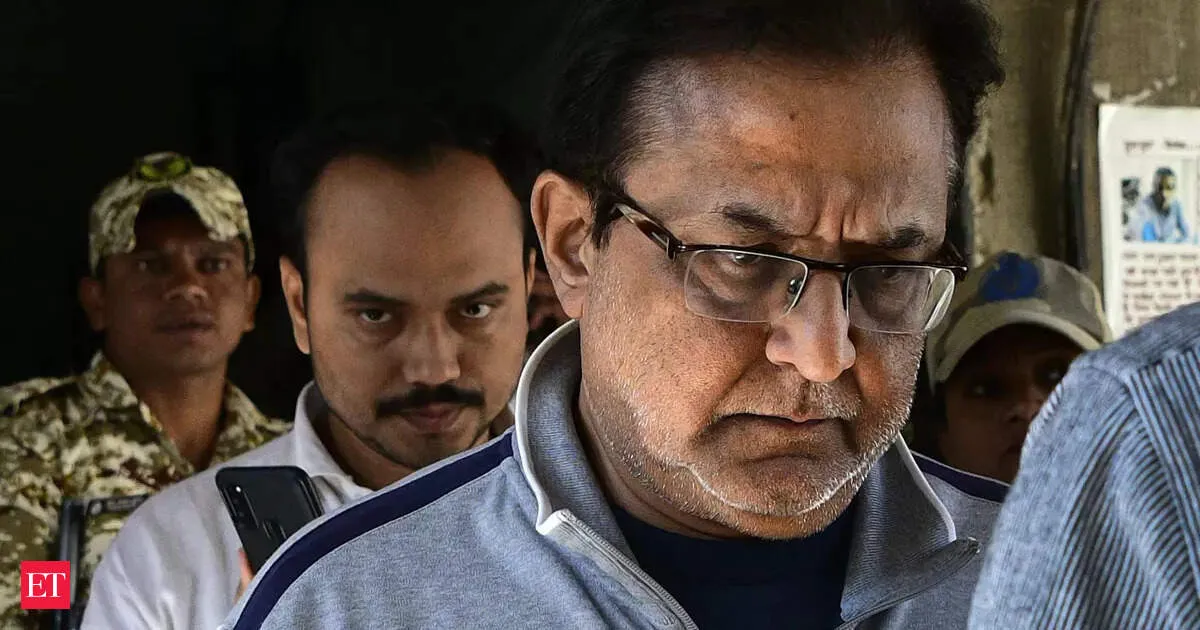
Mumbai Police’s Economic Offence Wing has registered a fresh FIR against former Yes Bank co-founder Rana Kapoor, investor Sudhir Valia, and unnamed officials, alleging a ₹1,000-crore fraud tied to loan assignment and sale of mortgaged assets. The complaint says Sapphire Land Development secured a ₹150-crore credit facility in September 2016, but recovery rights were transferred to Suraksha ARC within 10 months despite a 36-month repayment period. The FIR also alleges prime properties were sold at undervalued rates without proper NPA classification or independent valuation.
Retail inflation in India may rise by 15–20 basis points in the coming months after a Friday fuel price hike of ₹3 per litre for petrol and diesel, analysts say. With petrol and diesel carrying 4.8% weight in the CPI, a 3–5% fuel increase could add 15–25 bps directly, plus 10–15 bps from transport, logistics and agricultural input costs. Effects will spread across May and June inflation, with broader impacts visible over 3–4 months.
Jana Small Finance Bank is set for a major capital boost with a fundraise that could reach up to ₹700 crore through a mix of primary and secondary deals. TVS Venu Srinivasan-led TVS Venu Group plans to buy a 10% stake for around ₹450 crore, alongside three to four additional investors, including an overseas player. It will be Jana’s first equity raise since its February 2024 IPO, while TPG Capital with 8.11% could reduce to about 5%.
The Reserve Bank of India has imposed a Rs 3.1 lakh penalty on IIFL Finance after a supervisory inspection found regulatory compliance failures. RBI said IIFL Finance did not pay certain borrowers the surplus proceeds from auctions of pledged gold items, over and above the loan outstanding. Separately, RBI fined Appnit Technologies Rs 5.8 lakh for KYC and prepaid payment instrument violations, including allowing Aadhaar OTP e-KYC based PPI accounts to run beyond one year without required identification. RBI cited these issues as compliance deficiencies.
Never miss a story
Set alerts for the topics and sources you care about. Download Beige for free.
India’s foreign exchange reserves climbed by $6.295 billion to $696.988 billion in the week ended May 8, the RBI said. The previous week saw reserves fall by $7.794 billion to $690.693 billion. The increase was driven by higher foreign currency assets, which rose by $562 million to $552.387 billion, and a major $5.637 billion jump in gold reserves to $120.853 billion. SDRs and India’s IMF reserve position also edged up.
Indian banks are showing financial stability even as profit margins come under pressure after the RBI’s December 2025 repo rate cut, according to Systematix Institutional Equities. The report notes that lower lending rates have reduced banks’ interest income, dragging net interest margins, though slippages remain broadly controlled. Asset quality in January-March FY26 stayed stable across most banks, while deposit growth remained healthy and loan growth continued to hold up. Banks are also preparing for new ECL credit-loss rules.
Tata Sons, the holding company behind 31 Tata group firms, is facing intensifying pressure to list on stock exchanges. Shareholders including the Shapoorji Paloonji Group are pushing for a listing, while revised RBI rules for core investment companies could require it if assets exceed Rs 1 lakh crore or if public funds are accessible. A Saturday meeting of Sir Dorabji Tata Trust and Sir Ratan Tata Trust will discuss RBI implications, with internal trustee views reportedly split.
As the rupee weakens, India’s Income Tax department says it is intensifying checks on suspicious outward flows via banks and crypto wallets. Using information-sharing with Thailand, it flagged remittances routed to Thailand’s money-laundering ecosystem, including cases where the “overseas education” purpose code S0305 and incorrect PAN details were used to bypass the RBI’s LRS cap of $250,000 per year. Investigators also traced transactions tied to UPI IDs linked to gaming operations across multiple countries and to crypto-linked adult and betting networks.
Reading on mobile?
Open Beige in the app for a smoother experience — free on iOS and Android.
India is bracing for a “crunch time” after the US-Israel conflict in Iran escalates and the Strait of Hormuz faces blockade risk, pushing up essentials via higher crude prices and disrupting trade. Policymakers have begun with import duties on gold and silver, but warn that the real vulnerability is India’s dependency on imported oil, amplified by capital outflows that weaken the rupee. The article argues RBI should prioritize financial stability, potentially raising rates despite reluctance, while long-term fixes require credible oil-and-gas investment.
The PIB has moved to crush viral social media rumors claiming the RBI plans to discontinue the ₹500 currency note. The scare began with an Instagram reel from the account “insightswithnicky,” which alleged the denomination would soon be withdrawn and become invalid. In its official fact check, PIB said there is no such announcement from the RBI and confirmed ₹500 notes remain legal tender with no plans for removal from the banking system. Authorities urged people to rely only on verified official sources.
The Reserve Bank of India has cancelled the certificates of registration of two core investment companies after they requested surrender, including RR Holdings and Anjali Capfin. RBI said the cancellations fit criteria for unregistered CICs that need no fresh registration. Separately, it cancelled HDFC Holdings’ CoR because the NBFC ceased to exist as a legal entity after amalgamation or merger, linked to HDFC Bank’s consolidation with HDFC Ltd. RBI also reported CoR surrenders by four other NBFCs and cancelled 150 registrations overall.
Indian companies and lenders cut foreign borrowing filings sharply in March, with ECB intentions falling to USD 5.43 billion. RBI data points to global financial market uncertainty behind the slowdown. While the figure is down from last year’s level, it is still higher than February’s filings, even as major firms moved ahead with new projects and loan refinancing.
Follow your favourite sources
Track sources, tags and categories — all in the Beige app.
The Reserve Bank of India has cancelled the registrations of 150 non-banking financial companies, effectively barring them from conducting financial business. The highest number of affected firms are registered in Delhi (about 67) and West Bengal (about 75). The move, taken under the RBI Act, 1934, impacts lending, leasing, and investment activities tied to these NBFCs.
Rama Subramaniam Gandhi, a former RBI deputy governor, has been appointed non-executive chairman of Sahamati, the industry alliance backing the Account Aggregator ecosystem. Sahamati has also added new independent directors as adoption of consent-based financial data sharing expands across sectors, signaling growing trust and momentum for smoother, permissioned access to user financial information.
India is reportedly weighing a major cut in taxes on foreign investments in bonds, a proposal backed by the Reserve Bank of India and under serious consideration by the Finance Ministry. The rationale: align with global norms, attract more inflows, and help curb the rupee’s recent slide, which recently hit a fresh record low against the US dollar.
The rupee is inching toward Rs 100 per dollar as crude oil prices rise and foreign investors pull back. The slide can lift imported inflation, making RBI decisions harder while pressuring some sectors more than others. Market watchers say investors should tilt toward businesses with strong pricing power and steadier earnings as currency swings continue.
Stay informed on the go
Bite-sized news from 100+ trusted sources, right in your pocket.
India’s biggest banks are publishing increasing climate disclosures, but the data is not being used to steer lending decisions. As physical risks like flooding and extreme heat intensify, they threaten loan portfolios. Only a small number conduct climate stress tests or reduce coal exposure. The RBI supplies information but has not made disclosures mandatory, raising fears of financial instability and stranded assets.
With RBI’s June meet approaching, economists are split: only a small share expects a policy rate hike this fiscal year, while most forecast a prolonged pause. Still, a majority expects inflation to run above RBI’s FY27 forecast, and bond markets are already reflecting the possibility of tighter monetary policy.
Swipe through stories, personalise your feed, and save articles for later — all on the app.