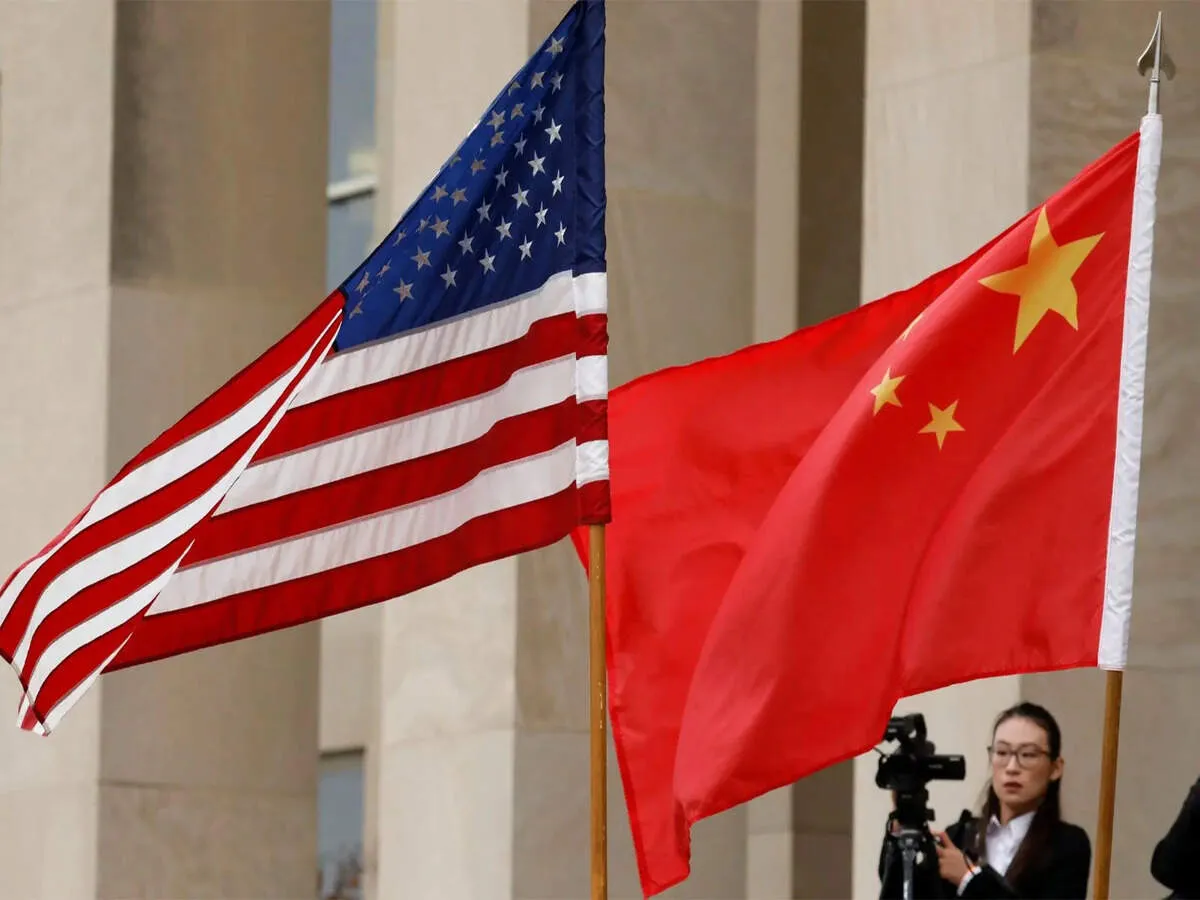
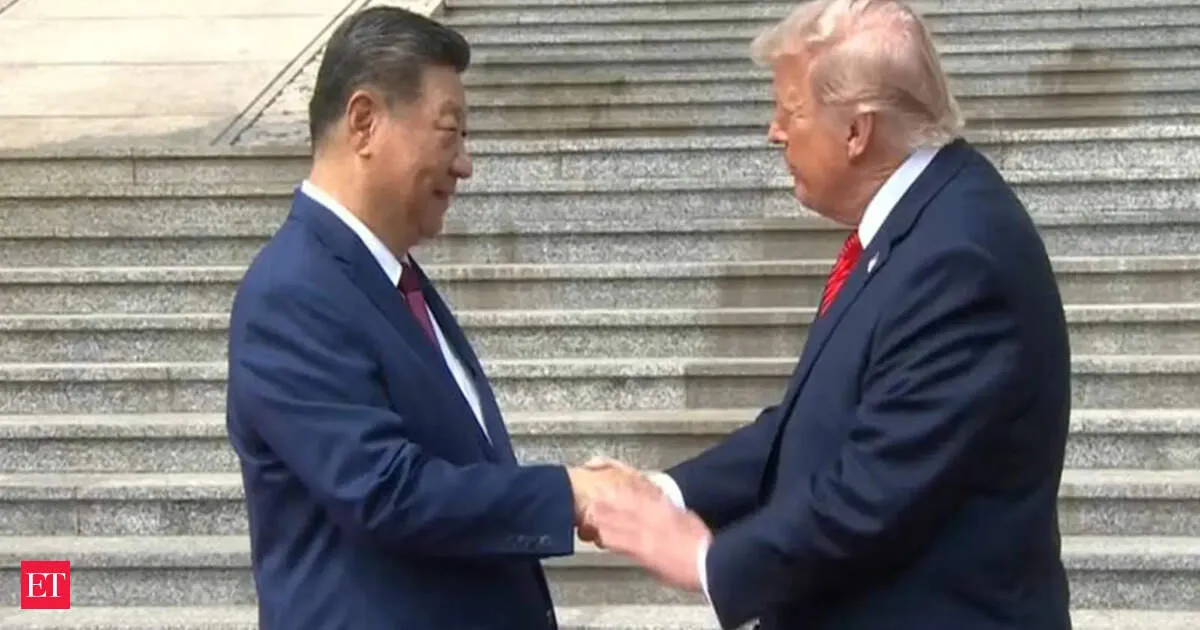
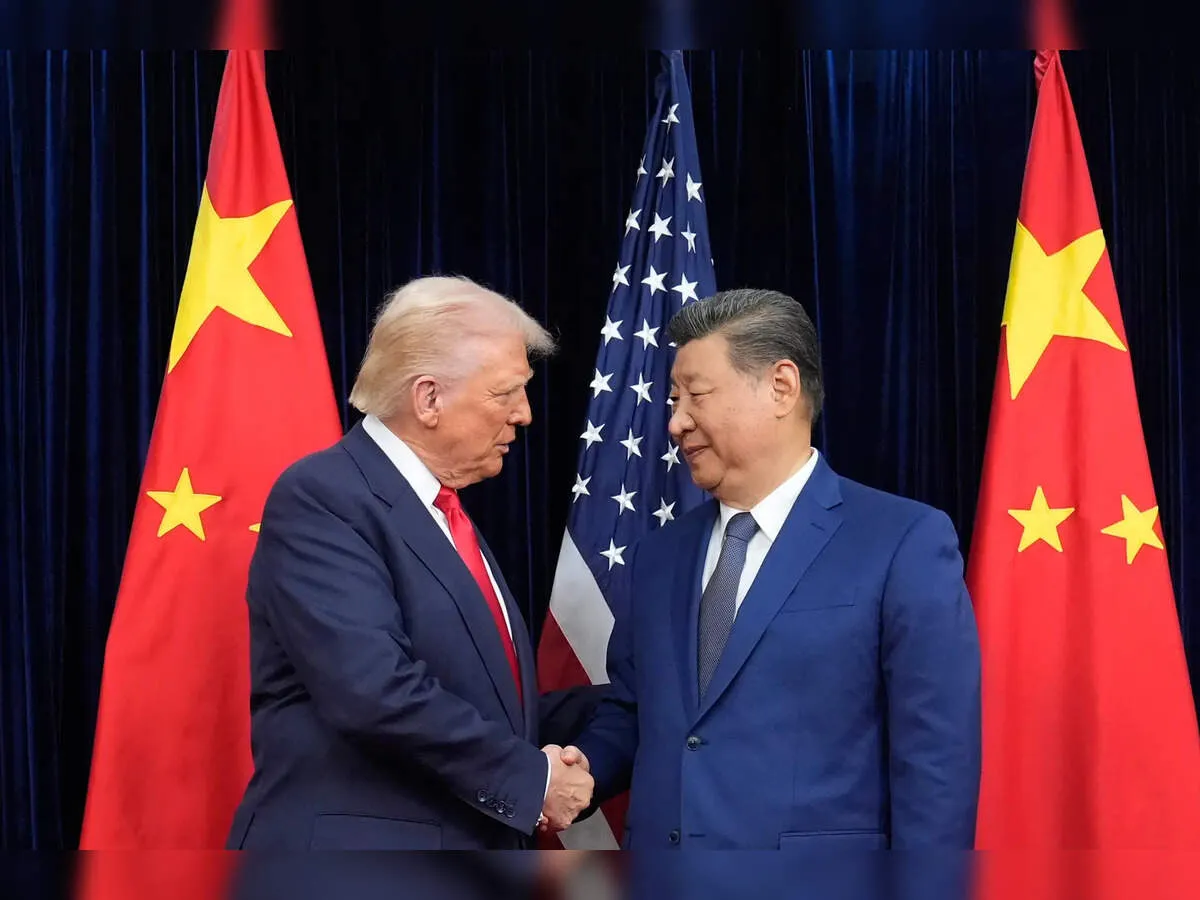
Korean semiconductor firms are caught between profit and long-term risk after the Trump Xi summit in Beijing reignited US China negotiations on chip export controls and rare earth leverage. Washington has tightened equipment limits to slow AI and high performance computing, and may loosen some curbs if China secures stable rare earth supplies and buys more US goods. Meanwhile, US approval for H200 chip purchases by about 10 Chinese companies suggests broader policy movement, but the stakes hinge on whether China gains advanced EUV lithography access.
A Rubix Data Sciences report says Trump and Xi’s US China summit will be dominated by trade and technology, with semiconductors, rare earth minerals, aerospace, and farm goods shaping the agenda. The US is expected to seek higher Chinese purchases of aircraft, soybeans, and beef, while China is likely to press for relief from US restrictions on advanced chip-making. Semiconductor exports fell from $12 billion in 2021 to $5 billion in 2023, then recovered to nearly $10 billion in 2025. Rare earth imports also fluctuated sharply, reflecting leverage and supply-chain risk. Overall trade has been shrinking.
Your news, in seconds
Get the Beige app — every story in 60 words, updated hourly. Free on iOS & Android.
Donald Trump is heading to China aiming for a tangible win ahead of the midterms, even as West Asia remains a volatile backdrop. The talks are expected to focus on rare earth supply and tech goods, but any progress will depend on both sides balancing economic demands with domestic political needs, limiting the odds of sweeping breakthroughs.
India and Russia are reportedly in advanced talks for a critical minerals pact that would span exploration, processing and technology for resources like lithium and rare earths. The proposed framework is designed to reduce India’s dependence on China while enabling easier corporate investment. If finalized, it could strengthen long-term access to inputs key for clean energy and high-tech manufacturing.
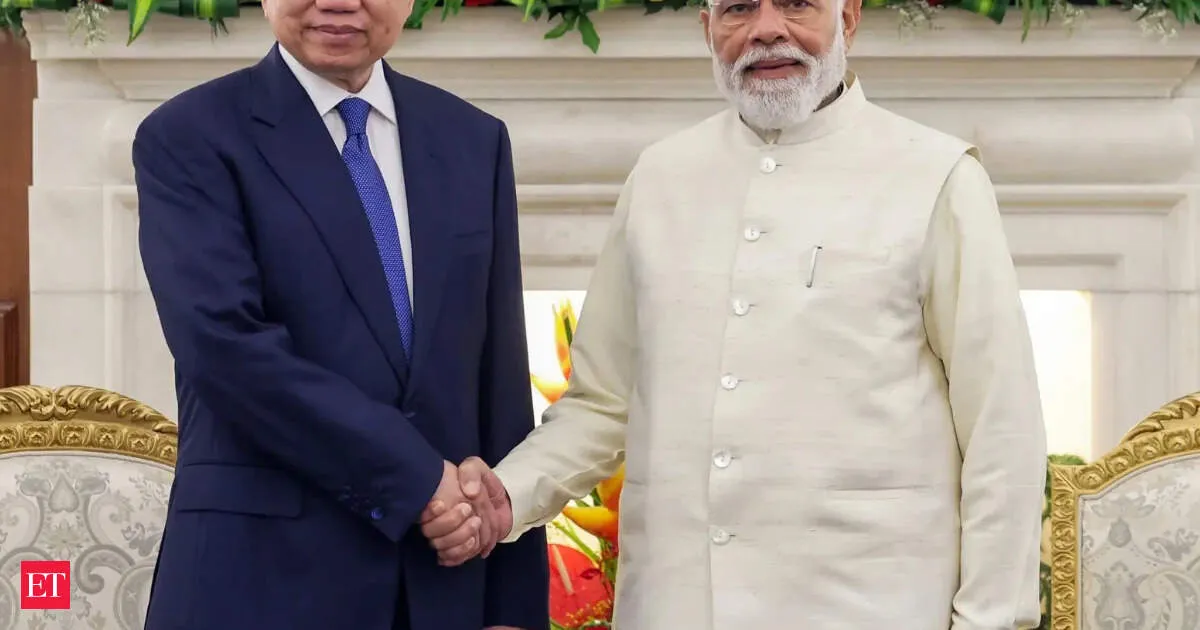
India and Vietnam upgraded ties to an Enhanced Comprehensive Strategic Partnership as President To Lam visited New Delhi. Modi and To Lam set a USD 25 billion bilateral trade target by 2030 and signed 13 MoUs spanning defence, rare earths, digital payments, pharmaceuticals, and emerging tech. The package also moves agricultural access, including durian and grape openings.
Prime Minister Narendra Modi announced a major upgrade in India and Vietnam ties, spanning critical minerals, rare earths, and energy security. Thirteen MoUs were signed across areas like digital technologies, pharmaceuticals, and tourism, while an agreement aims to connect India’s UPI with Vietnam’s payment network. The move is framed as boosting economic and defence cooperation for regional stability.
Never miss a story
Set alerts for the topics and sources you care about. Download Beige for free.
India’s FDI fast track has been updated with a new SOP covering 40 sub-sectors, including strategic areas like rare earths and PCB-linked activities. The government is also issuing reporting guidelines for investments in India where the investor has direct or indirect ownership connections to citizens or entities from countries sharing a land border with India.
Rare Earths Americas has kicked off its U.S. IPO roadshow, seeking a valuation of up to $368.4 million. The company is riding a wave of investor enthusiasm for critical minerals that power modern electronics and clean-energy products, including electric vehicles and consumer devices like iPhones.
China is tightening economic pressure tools aimed at the United States, setting new laws to punish foreign companies shifting supply chains. It has also tightened rare earth licensing and banned foreign AI chips, moves analysts view as direct responses to US policies. The strategy signals Beijing’s intent to protect its leverage ahead of high-stakes diplomacy, including the Trump–Xi summit.
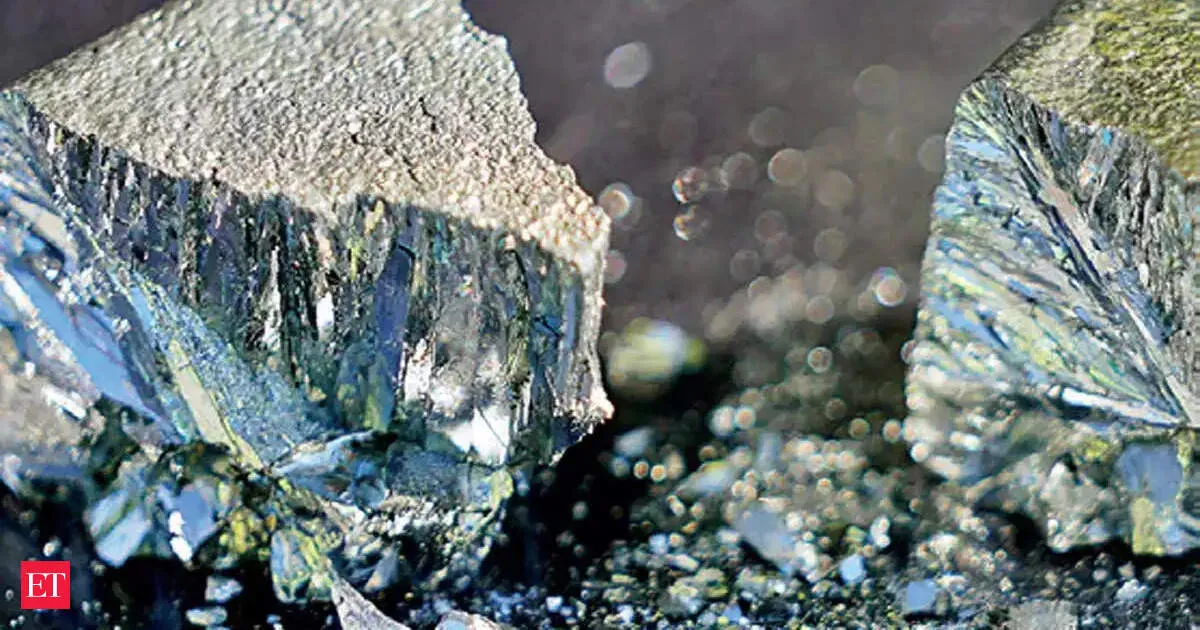
Rare earths power modern devices, from electronics to industrial machinery, making their supply a strategic battlefield. Recent events underscore how China’s leverage extends beyond tariffs and into critical minerals access. The takeaway for the world: diversify supply, secure alternatives, and reduce dependence on a single source to protect technology, jobs, and national resilience.
Reading on mobile?
Open Beige in the app for a smoother experience — free on iOS and Android.
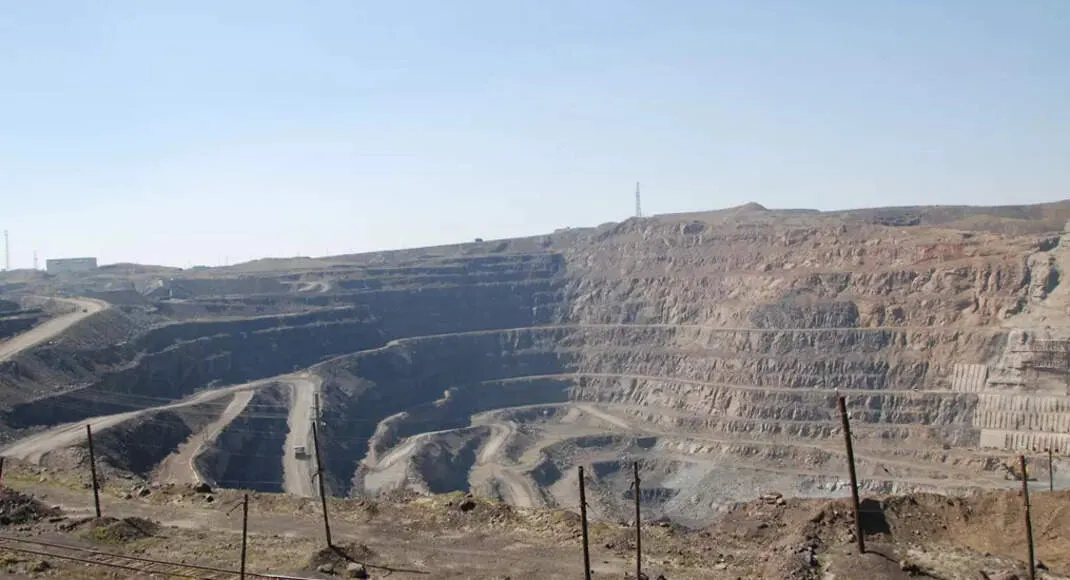
China controls most of the refining of rare earths used in chips, clean energy systems, and advanced manufacturing, even though deposits exist elsewhere. That concentration gives Beijing major leverage, raising supply-chain and geopolitical risks for Europe and other Western economies. Now governments are scrambling to secure access and reduce dependency, with industrial planning tied to mineral strategy.
Swipe through stories, personalise your feed, and save articles for later — all on the app.