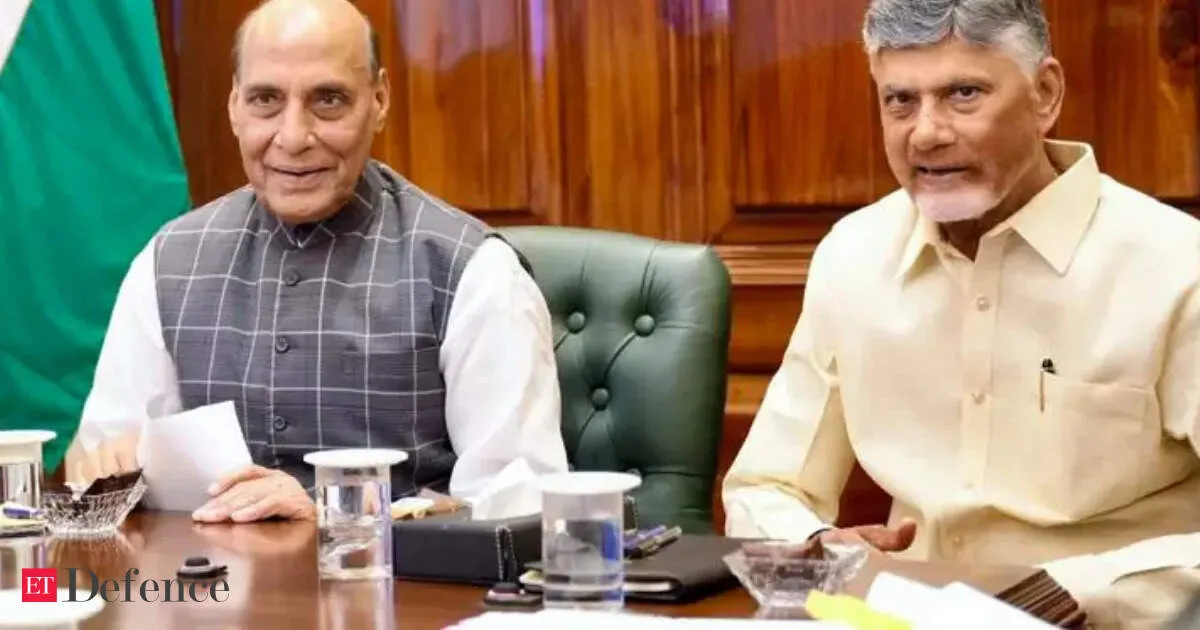
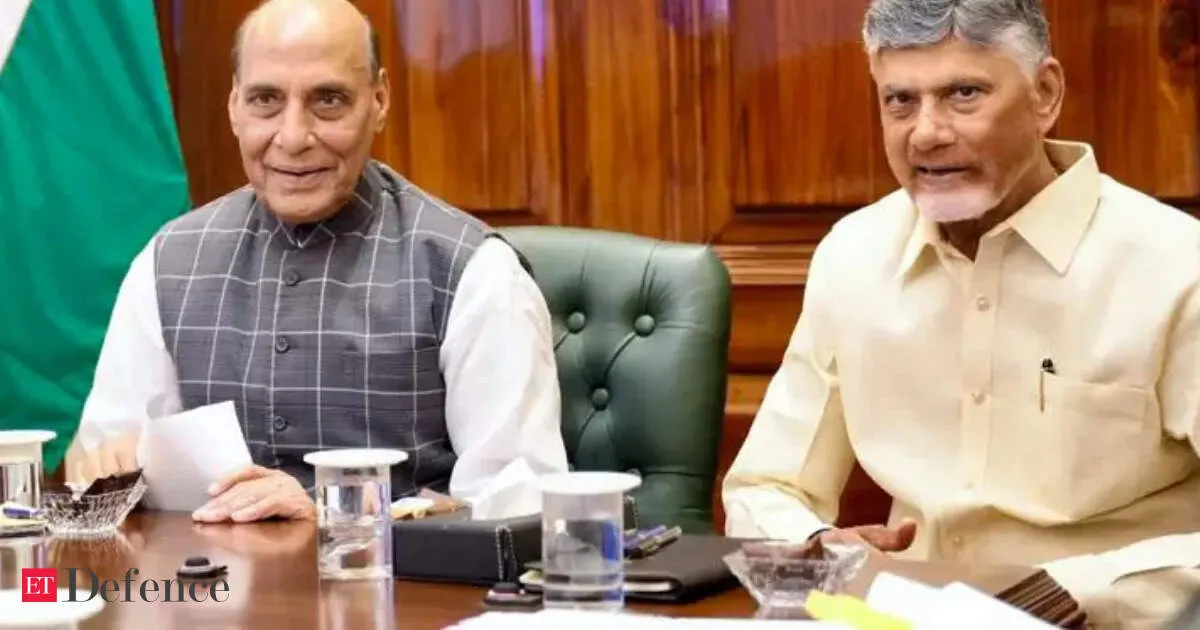
India has formally launched the Advanced Medium Combat Aircraft (AMCA) project in Puttaparthi, Andhra Pradesh, with Defence Minister Rajnath Singh and Chief Minister N Chandrababu Naidu attending the groundbreaking. The manufacturing unit for India’s next-generation stealth fighter jets will come up on 600 acres near the Karnataka border, backed by an ₹15,803 crore investment. Andhra’s bid reportedly gained momentum through land availability and proximity to the Aeronautical Development Agency in Bengaluru, critical for a dedicated flight-testing range.
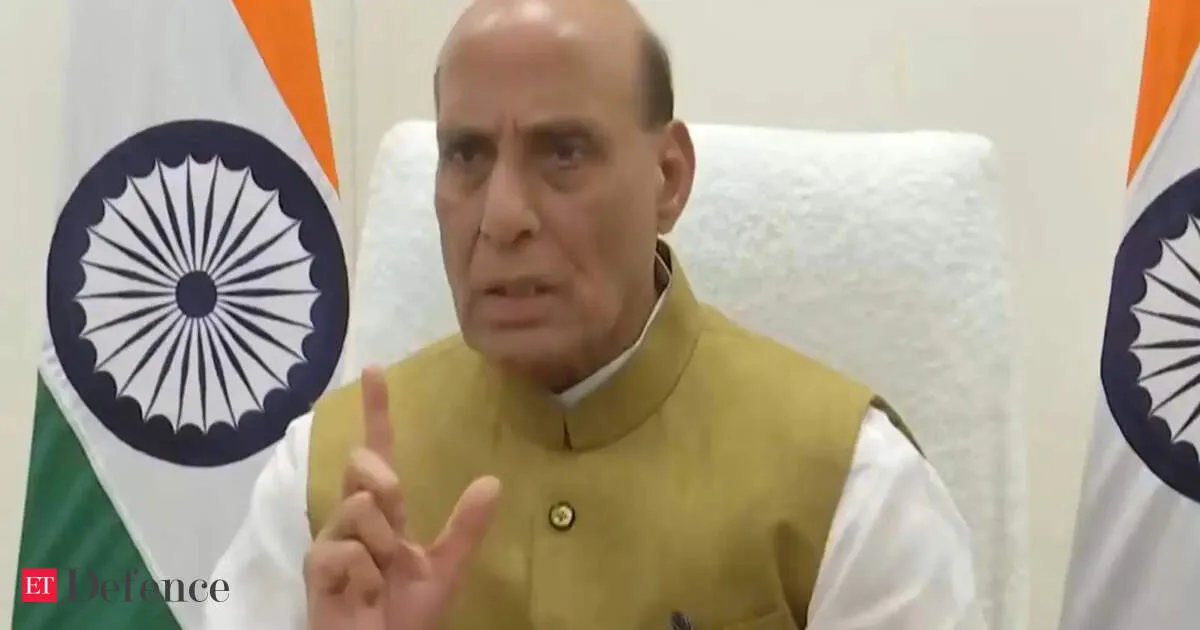
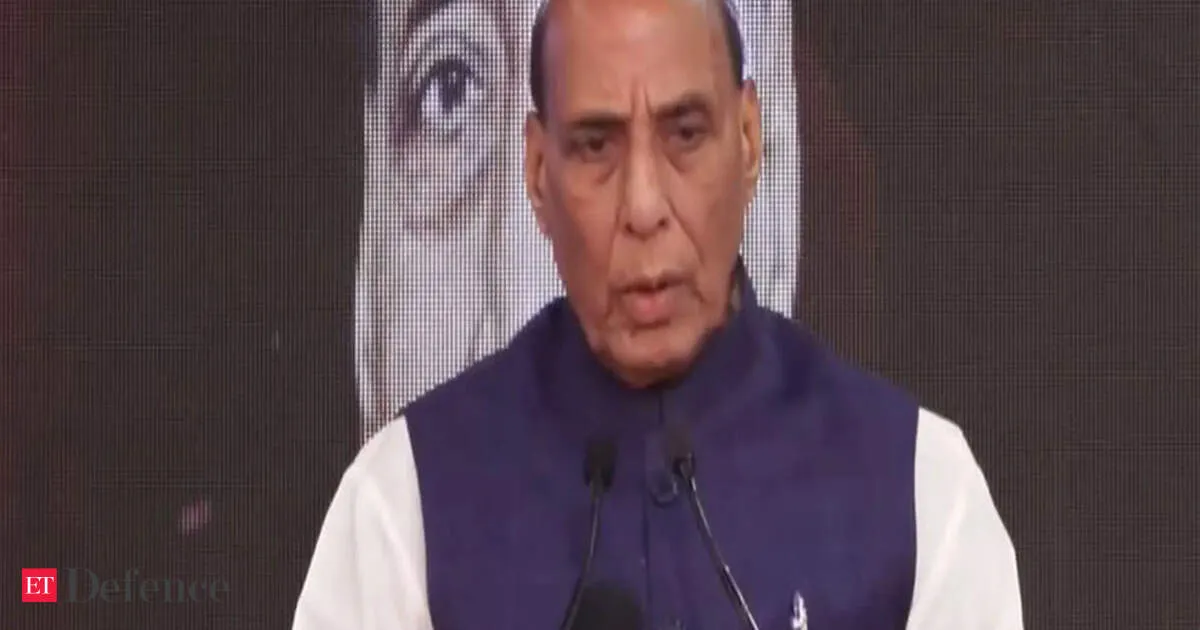
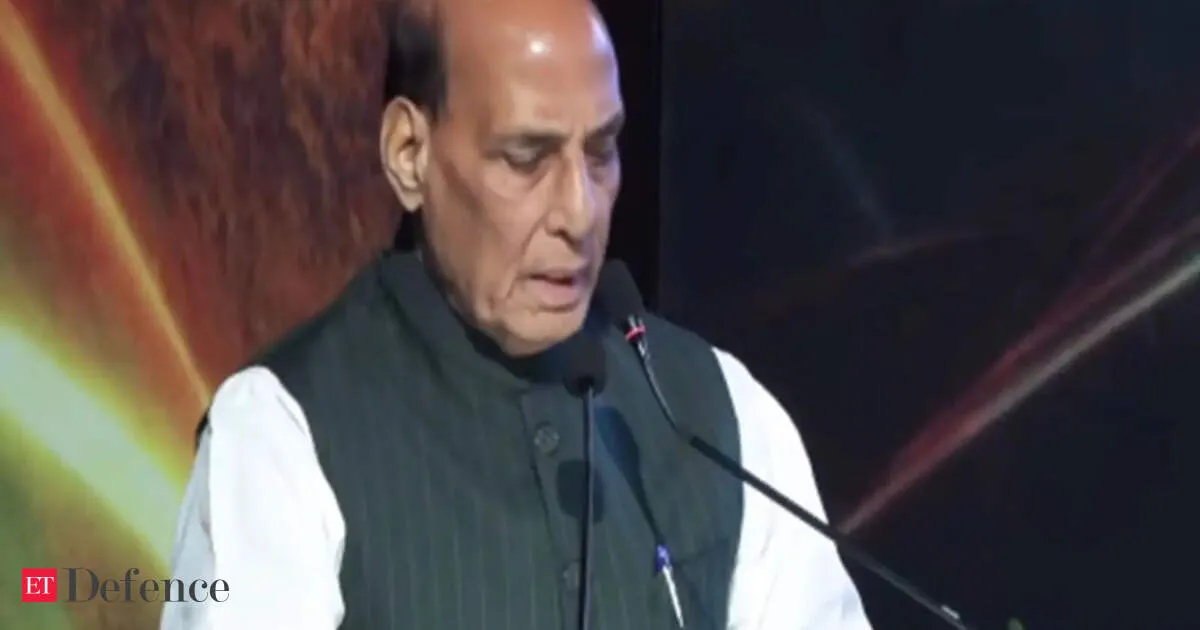
Defence Minister Rajnath Singh said modern warfare “does not respect silos,” arguing India’s edge will come from faster integration across land, sea, air, space and cyberspace. In a video message at the ‘Kalam & Kavach’ defence conclave, he stressed self-reliance, jointness, and shortening the gap between an idea, a prototype and operational deployment. He also warned national security can’t rely on old assumptions amid cyber risks, hybrid threats, and supply-chain vulnerabilities. The event highlighted indigenous innovation, AI-enabled warfare, C4ISR and Operation Sindoor.
Your news, in seconds
Get the Beige app — every story in 60 words, updated hourly. Free on iOS & Android.
Defence Minister Rajnath Singh and Andhra Pradesh Chief Minister N Chandrababu Naidu will lay the foundation stone for Advanced Medium Combat Aircraft (AMCA) programme infrastructure in Sri Sathya Sai district. The event will also see launches of multiple defence, aerospace, and drone manufacturing initiatives—signaling Andhra Pradesh’s push to become a central hub for these industries.
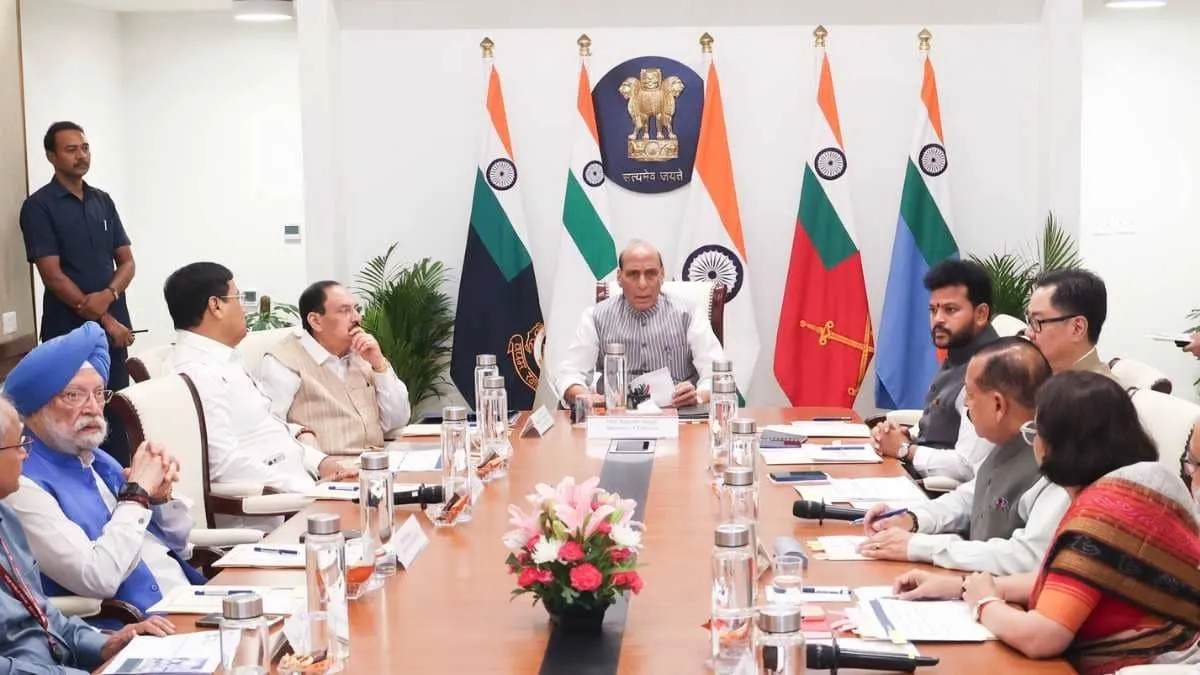
Amid instability in West Asia, Defence Minister Rajnath Singh said India is taking concrete steps to protect key supply chains and maintain reliable energy for citizens. He chaired a meeting focused on maritime security and economic resilience, noting the country’s petroleum reserves and urging fuel conservation to reduce financial pressure as global risks mount.
Defence Minister Rajnath Singh asked citizens to stay calm and avoid panic amid a West Asia crisis, as supply chain concerns grow. He echoed Prime Minister Narendra Modi’s call for behavioral changes, including cutting back on petrol use, to limit excess foreign expenditure. Singh said the government’s steps will strengthen self-reliance and support energy security.
Defence Minister Rajnath Singh will chair a meeting of an informal group of ministers to review the West Asia situation at 10:30 am. Prime Minister Narendra Modi simultaneously called for collective economic resilience, urging citizens to cut fuel use, prefer public transport, support local products, boost domestic tourism, and spend foreign exchange mindfully.
Never miss a story
Set alerts for the topics and sources you care about. Download Beige for free.
On the first anniversary of Operation Sindoor, Indian ministers including Rajnath Singh and Amit Shah changed their social media profile pictures to the Op Sindoor logo. Prime Minister Narendra Modi urged citizens to do the same to honor the armed forces. The operation followed the Pahalgam terror attack, with precision strikes reported across Pakistan and Pakistan-Occupied Kashmir.
Defence Minister Rajnath Singh commemorated Operation Sindoor, presenting it as a decisive response to a terror attack. Indian forces targeted terror launchpads across Pakistan and Pakistan-occupied Jammu and Kashmir, eliminating over 100 terrorists. Pakistan retaliated, sparking broader conflict, after which India’s strikes were followed by a ceasefire that ended hostilities.
On the anniversary of Operation Sindoor, Defence Minister Rajnath Singh will lead a national security review in Jaipur. The operation followed the Pahalgam terror attack, with India reportedly carrying out precision missile strikes on nine terror camps in Pakistan and Pakistan-occupied Kashmir, eliminating at least 100 terrorists. Officials will review the security fallout and next steps.
Defence Minister Rajnath Singh said Operation Sindoor showcased the Indian military’s technological prowess, describing it as a rare, decisive display of capability against terror groups and their patrons. He credited the outcome to advanced missile systems and the latest equipment, calling it a message to the world about India’s operational strength.
Reading on mobile?
Open Beige in the app for a smoother experience — free on iOS and Android.
Defence Minister Rajnath Singh says India’s struggle against terrorism is anchored in protecting humanity’s core values, not slogans. He points to a shift toward decisive action, citing Operation Sindoor as a showcase of India’s integrated military capability. Singh adds that India has taken a tougher stance against terrorism and its sponsors, while defence exports continue to rise.
Defence Minister Rajnath Singh on Wednesday underscored India’s strategic strengths, saying the country excels in information technology while Pakistan is associated with international terrorism. He further stated that India is ready for a prolonged conflict and has improved its surge capacity, signaling tighter preparedness for extended operational demands.
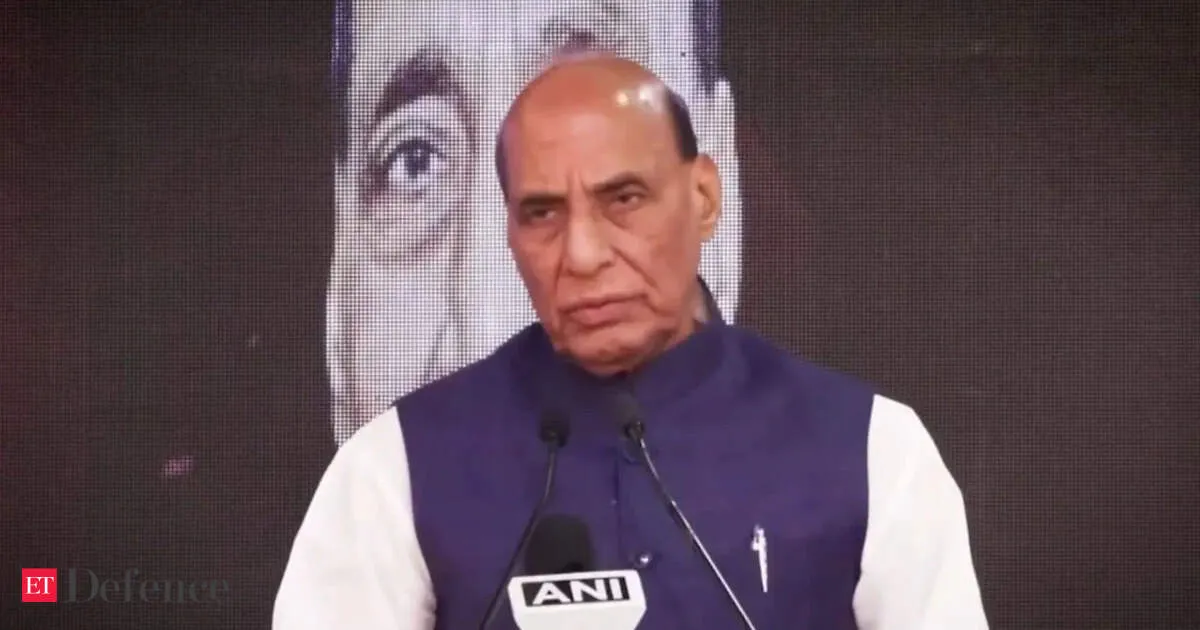
Defence Minister Rajnath Singh told the ANI National Security Summit 2.0 that lasting deterrence is vital to peace and stability in international relations. He linked India’s preparation for Operation Sindoor with the credibility of indigenous weapons, framing the operation as a clear demonstration of New Delhi’s deterrence posture to potential adversaries.
Defence Minister Rajnath Singh said India voluntarily stopped Operation Sindoor and was prepared for a prolonged conflict with Pakistan. Calling Pakistan the epicentre of international terrorism, he argued that tackling terrorism requires uprooting its ideological and political foundations. Singh also pointed to India’s growing military capabilities, signaling a broader push for readiness and deterrence in the region.
Follow your favourite sources
Track sources, tags and categories — all in the Beige app.
Congress has attacked Defence Minister Rajnath Singh over his terrorism remarks at an SCO meeting, alleging he effectively gave Pakistan a “clean chit” and calling his comments “anti-national.” The remarks, delivered in Bishkek, are now under scrutiny, with Congress also claiming the stance aligns with the Modi government’s broader approach toward the US and China.
Defence Minister Rajnath Singh urged SCO members to confront state sponsored terrorism without double standards. Speaking at the regional forum, he flagged rising extremism and radicalism amid ongoing geopolitical upheavals. Singh called for coordinated global action to address evolving security threats, stressing that responses should be consistent across countries and conflicts.
Defence Minister Rajnath Singh is set to attend the SCO Defence Ministers’ meeting in Bishkek, where West Asia’s volatile situation and broader geopolitical shifts are expected to dominate talks. India will underline its commitment to global peace and zero tolerance for terrorism, while discussing practical steps to limit the spillover impact of ongoing conflicts. Bilateral meetings with counterparts are also scheduled.
Arunachal Pradesh Chief Minister Pema Khandu met Defence Minister Rajnath Singh in New Delhi to seek continued support for crucial border infrastructure. Khandu pointed to progress in border districts, linking development to improved security and everyday lives. The talks focused on the Akajan Likabali Bame corridor and the need to build or upgrade a key bridge to keep the connectivity push moving.
Stay informed on the go
Bite-sized news from 100+ trusted sources, right in your pocket.
On the one-year anniversary of the Pahalgam attack, Union Defence Minister Rajnath Singh delivered remarks in Germany that were cryptic yet direct toward Pakistan. He stressed India has never attacked anyone unprovoked, while implying that provocations will not be tolerated. The comments have reignited attention on India’s security stance and cross-border tensions.
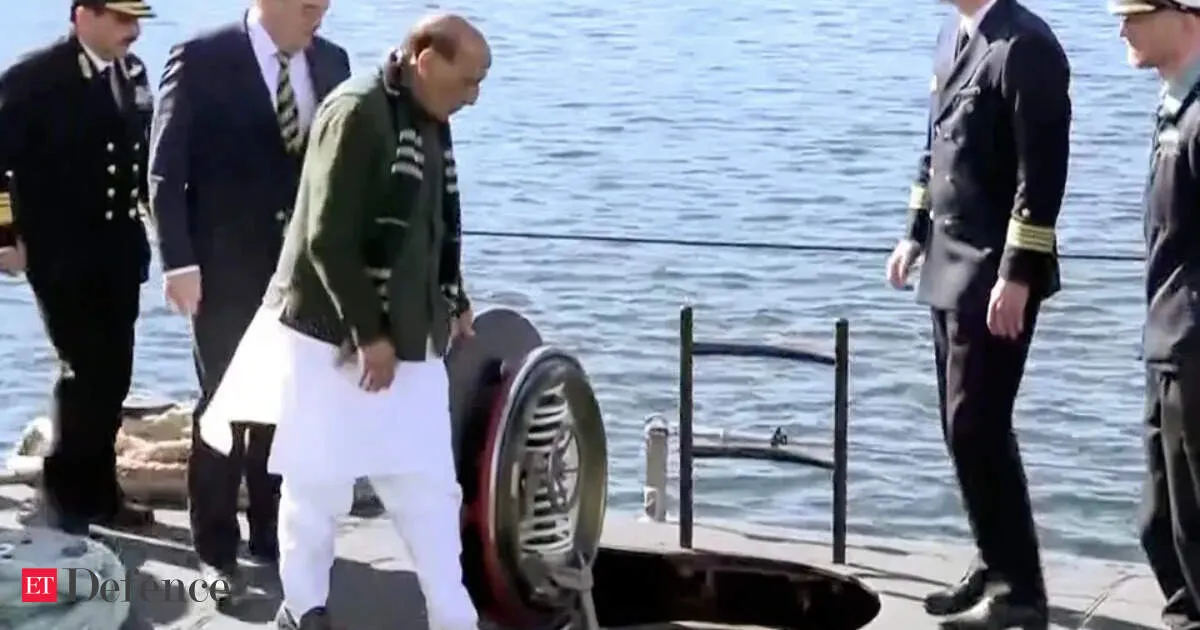
Defence Minister Rajnath Singh toured Germany’s TKMS shipyard and inspected a Type 212 submarine, during a visit that also followed key India Germany defence cooperation agreements. The deals focus on joint training, capability development, and closer security collaboration, signaling deeper alignment on future defence equipment cooperation between the two countries.
Swipe through stories, personalise your feed, and save articles for later — all on the app.