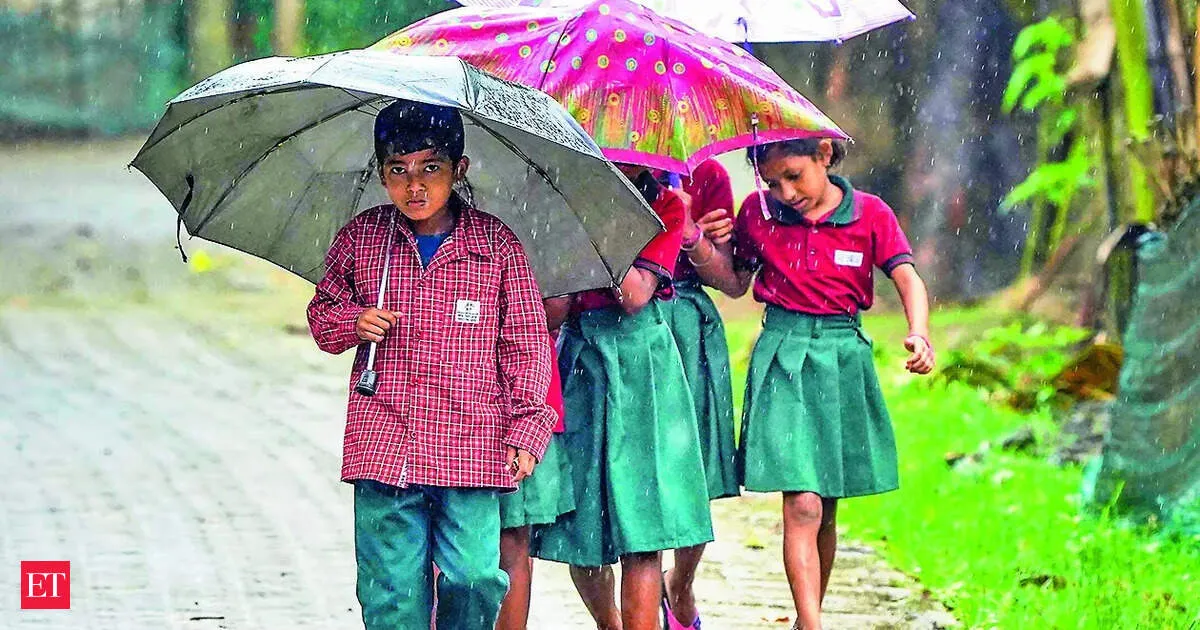
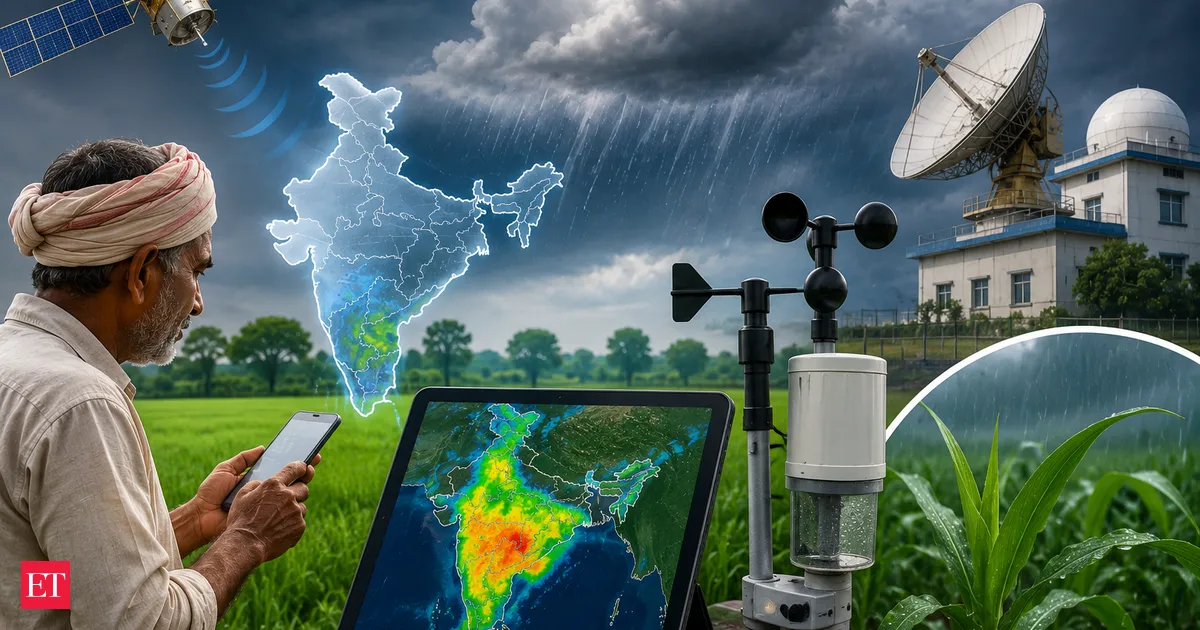
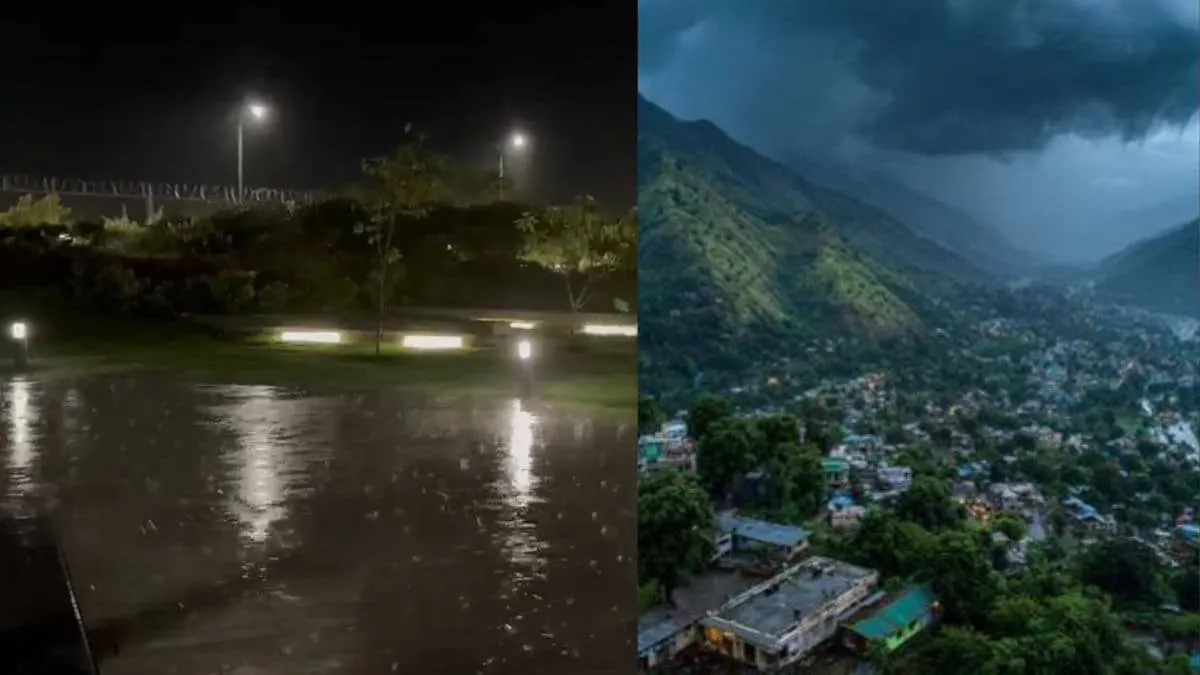
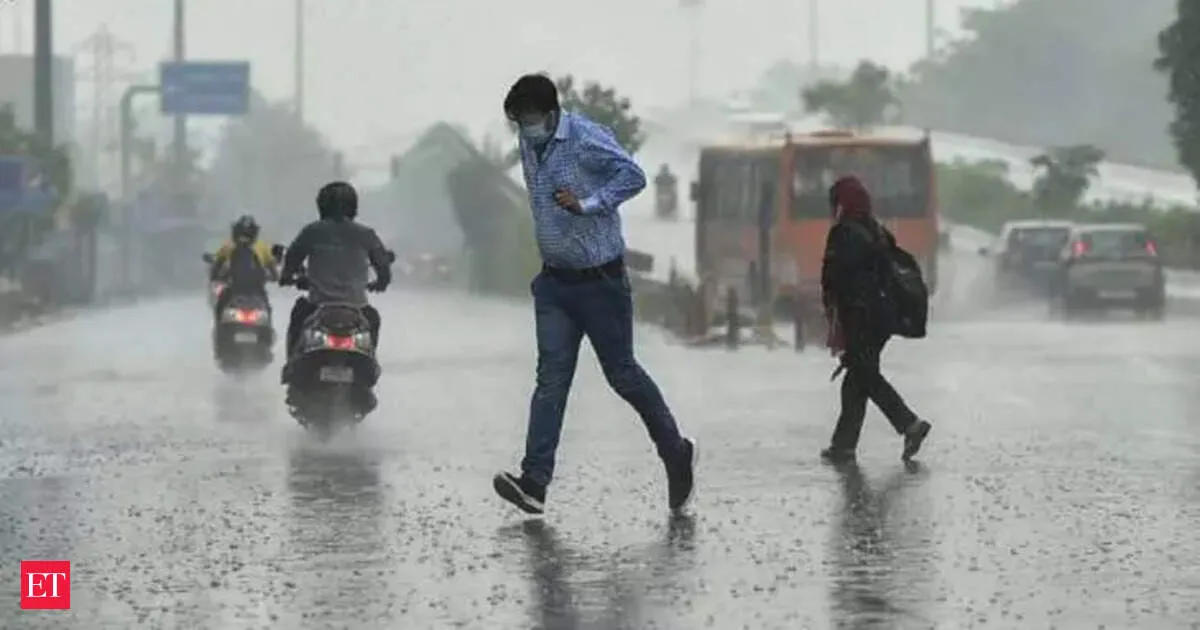
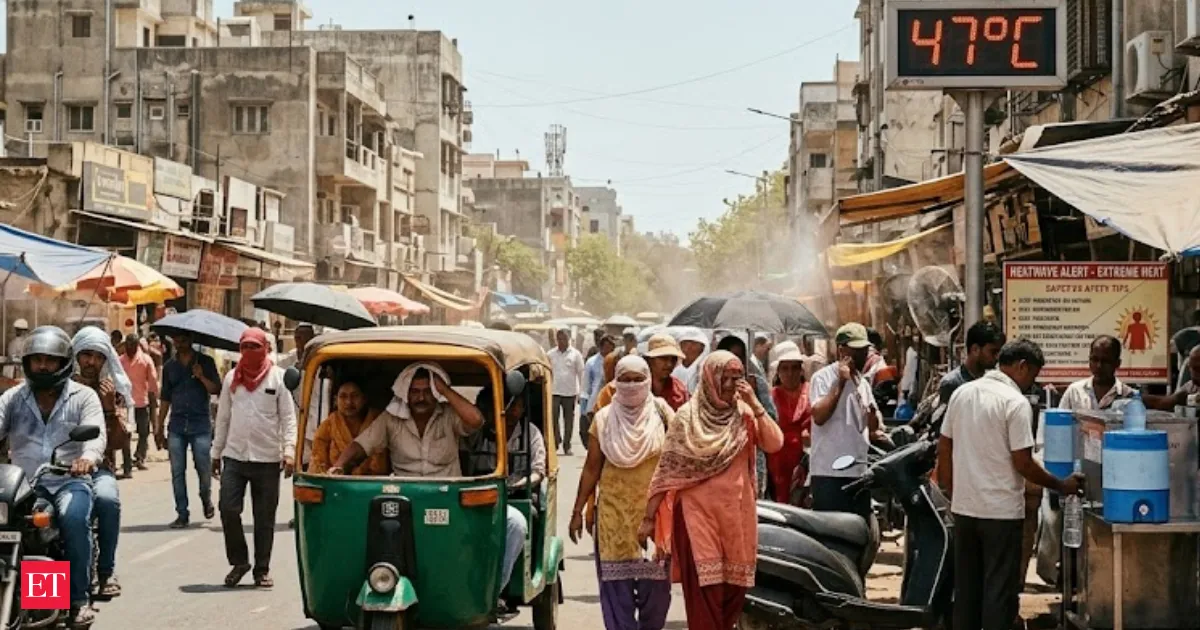
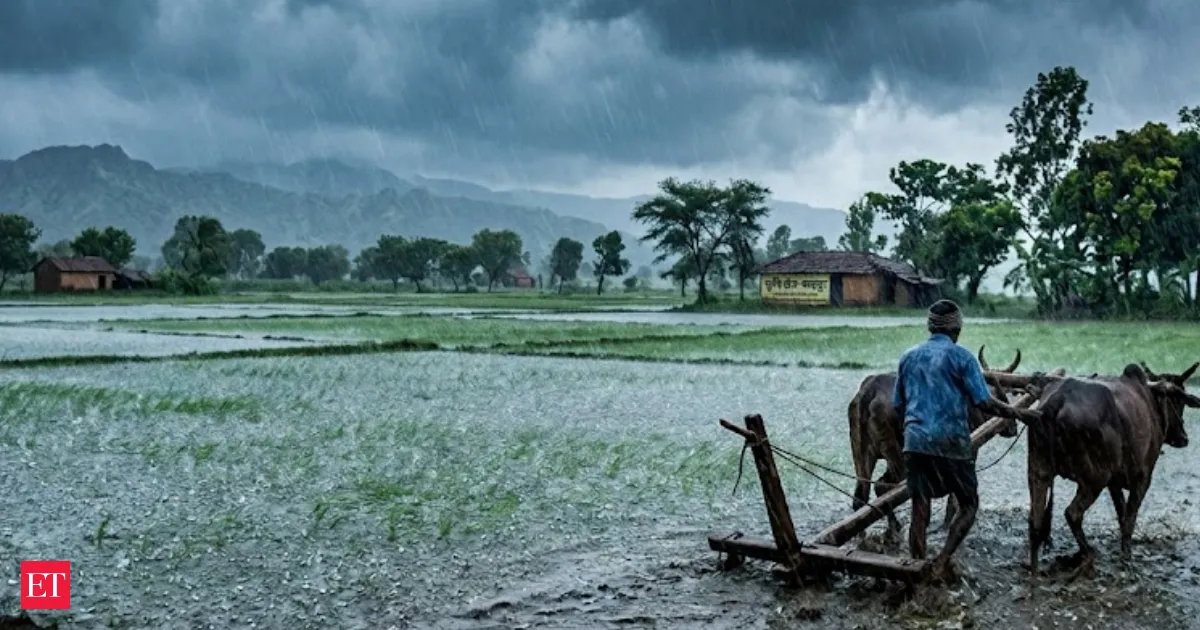
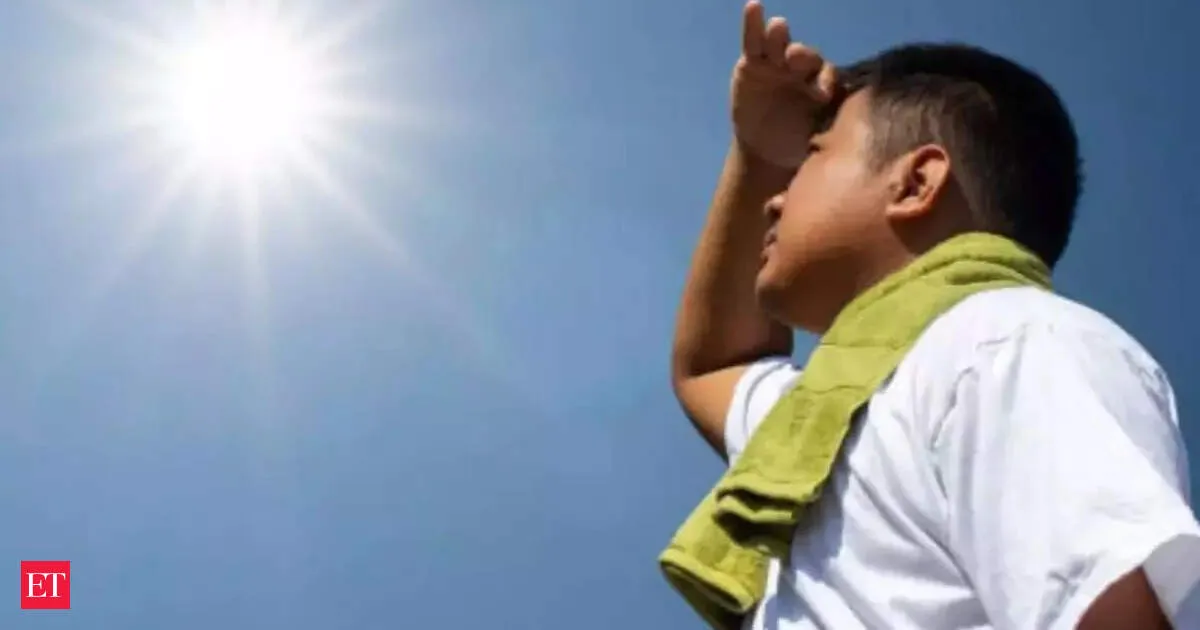
India’s southwest monsoon is expected to begin over Kerala on May 26, six days earlier than the normal June 1 date, according to IMD. The early onset matters because it kickstarts sowing of kharif crops such as rice, pulses, oilseeds, cotton and sugarcane. But the season comes with a warning: IMD forecasts 2026 rainfall at 92% of the long-period average, citing El Nino concerns. Meanwhile, heatwave to severe heatwave conditions persist over northwest and central India.
India Meteorological Department has launched an AI-enabled monsoon advance forecasting system, along with a high-resolution spatial rainfall forecast for Uttar Pradesh. The services are designed to deliver precise, location-specific rainfall information up to four weeks in advance. IMD says this will help farmers and other stakeholders make better decisions as monsoon planning depends on timely and accurate weather forecasts.
Your news, in seconds
Get the Beige app — every story in 60 words, updated hourly. Free on iOS & Android.
The southwest monsoon is expected to reach the Bay of Bengal and Andaman Islands by the week’s end, signaling the start of India’s critical rainfall season. But the India Meteorological Department is forecasting below-average rainfall for the country overall, raising concerns for water supply and farm output. Crops such as paddy, pulses, and oilseeds depend on timely rains.
India’s southwest monsoon may be on track this year, with IMD forecasts pointing to heavy rainfall and storms across parts of southern India over the next week. Weather agencies say intensifying pre-monsoon showers and shifting atmospheric patterns over Australia are aligning in a way that could support timely monsoon onset, offering early relief from the heat.
Delhi is grappling with a fast-rising dengue outbreak as April’s erratic rains leave behind stagnant water that fuels mosquito breeding. Reports say more than half of the year’s dengue cases have already been recorded since April began, prompting civic agencies to step up anti-larval and control measures. Authorities are also monitoring malaria and chikungunya alongside dengue.
Relief is on the way in parts of northern India as rains develop after intense heat. Delhi recorded a minimum temperature of 24.6°C and the India Meteorological Department expects thunderstorms with rain. The forecast points to short-term cooling, though weather can change quickly as monsoon-linked conditions shift across the region.
Never miss a story
Set alerts for the topics and sources you care about. Download Beige for free.
The IMD forecasts above-normal heatwave days in May for the Himalayan foothills, the east coast, Gujarat, and Maharashtra. Minimum temperatures are likely to run above normal across most of India, though parts of northwest and central regions may see exceptions. Rainfall is expected to be above normal in most areas, with fewer chances in some eastern regions.
India is set for a mixed May, with IMD projecting above-normal rainfall nationwide. While maximum temperatures in many regions may stay normal to below normal, southern peninsular areas could see hotter days. Warmer nights are expected across the country, and IMD has flagged possible heatwave conditions in specific pockets, even as rains increase.
New projections by CEEW warn that India is likely to experience 15 to 40 additional unusually hot days each year over the next two decades. The change won’t be limited to daytime heat, with unusually warm nights also expected to rise—straining health and productivity. Central and southern regions may face sharper increases, alongside more frequent heavy rainfall events.
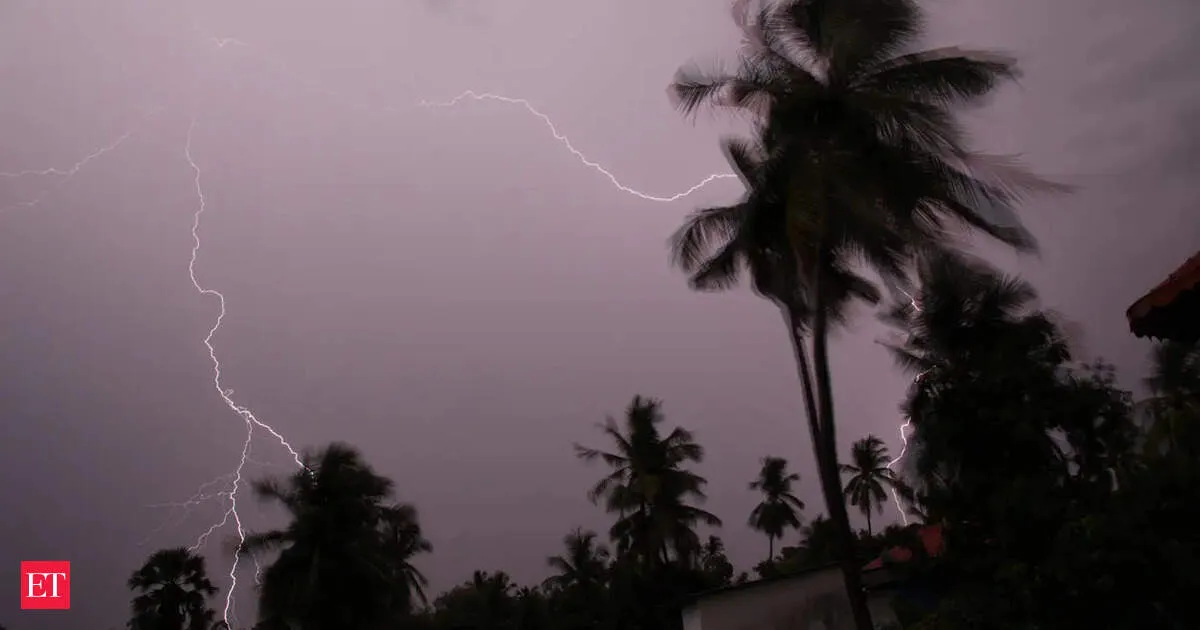
The IMD has issued an orange alert for thunderstorms across Bihar, Gangetic West Bengal, Odisha and Jharkhand. It also expects thunderstorm activity in Punjab and Haryana, with temperatures possibly dropping by 2-4°C. Over the next week, heavy to very heavy rainfall is likely in northeast India, raising concerns for disruptions and localized flooding.
Reading on mobile?
Open Beige in the app for a smoother experience — free on iOS and Android.
IMD says Delhi, Chandigarh and Haryana may see light rainfall today, offering some local relief. Meanwhile Rajasthan and Uttar Pradesh could cool after a heatwave stretch. For northwest India, IMD expects no major change in maximum temperatures until Tuesday, then a gradual fall of 3 to 5°C on Wednesday and Thursday.
The World Meteorological Organisation says the Equatorial Pacific is shifting as sea surface temperatures rise, making a return of El Niño likely by May to July 2026. Its Global Seasonal Climate Update also predicts nearly global dominance of above normal land surface temperatures, alongside uneven rainfall patterns across regions—raising concerns for heat stress and water planning worldwide.
The IMD projects monsoon rainfall will hit about 100% of the Long Period Average for India, with a small model error margin. But the catch is regional: monsoon patterns have historically varied sharply across different parts of the country, meaning “normal” overall may not feel normal everywhere.
Swipe through stories, personalise your feed, and save articles for later — all on the app.