Flipkart has put its IPO plans on indefinite hold as market volatility and a crowded listing pipeline squeeze investor appetite. The pause comes after Walmart CEO John Furner visited India and follows other Walmart-linked delays, including PhonePe’s IPO postponement. Flipkart had aimed to file draft papers in late 2026 or early 2027 after NCLT approval to move its domicile back to India. Meanwhile, it is scaling quick commerce “Minutes” with nearly 100 stores a month, even as heavy investment pushes profitability further out.
Walmart-owned Flipkart has indefinitely paused its IPO plans, citing heightened market volatility, a crowded slate of upcoming listings, and weak investor appetite for a still-loss-making company. The move follows PhonePe’s $1.3 billion IPO postponement and comes as geopolitical shocks are blamed for further market jitters. Instead, Flipkart is pouring resources into quick commerce via Flipkart Minutes, expanding by nearly 100 stores a month since March and targeting 1,100–1,200 stores by July 2026.
Your news, in seconds
Get the Beige app — every story in 60 words, updated hourly. Free on iOS & Android.
Flipkart has reportedly deferred its IPO plans to at least next year, with Walmart—the retailer holding 80%—pushing the company to prioritize EBITDA breakeven in FY27. Walmart is said to have asked Flipkart to pause fundraising, putting its planned $2–2.5 billion pre-IPO round on hold. The move also raises questions about Flipkart Minutes, its quick commerce arm, which is capital- and cash-burn heavy amid fierce competition. Flipkart’s internal restructuring and cost efforts have not yet convinced Walmart.
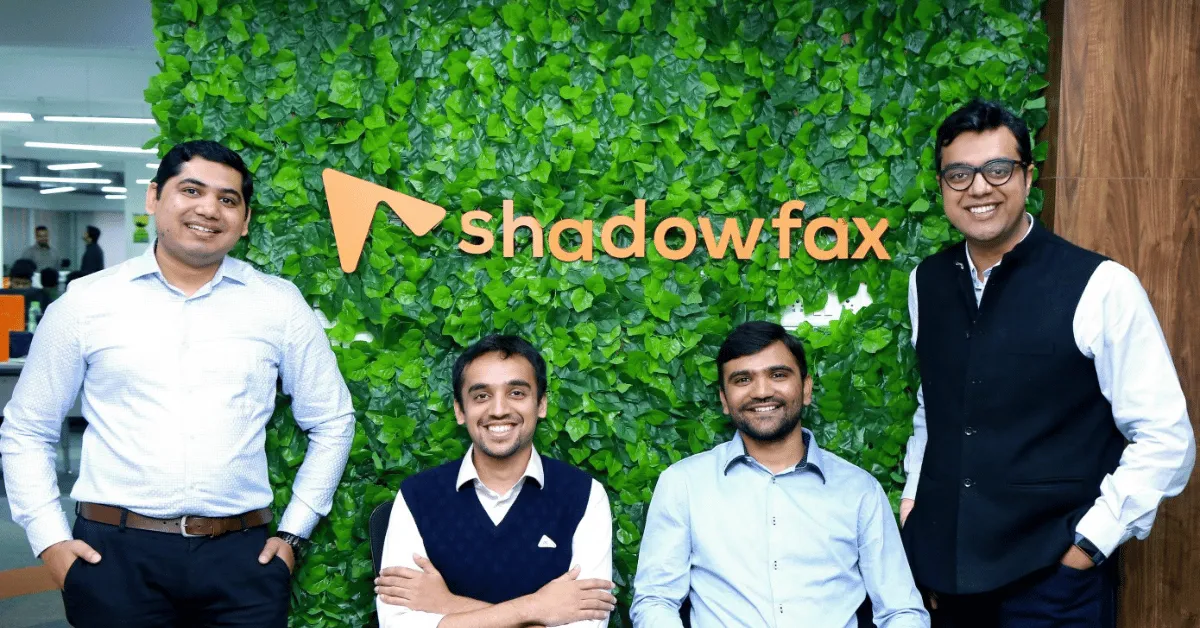
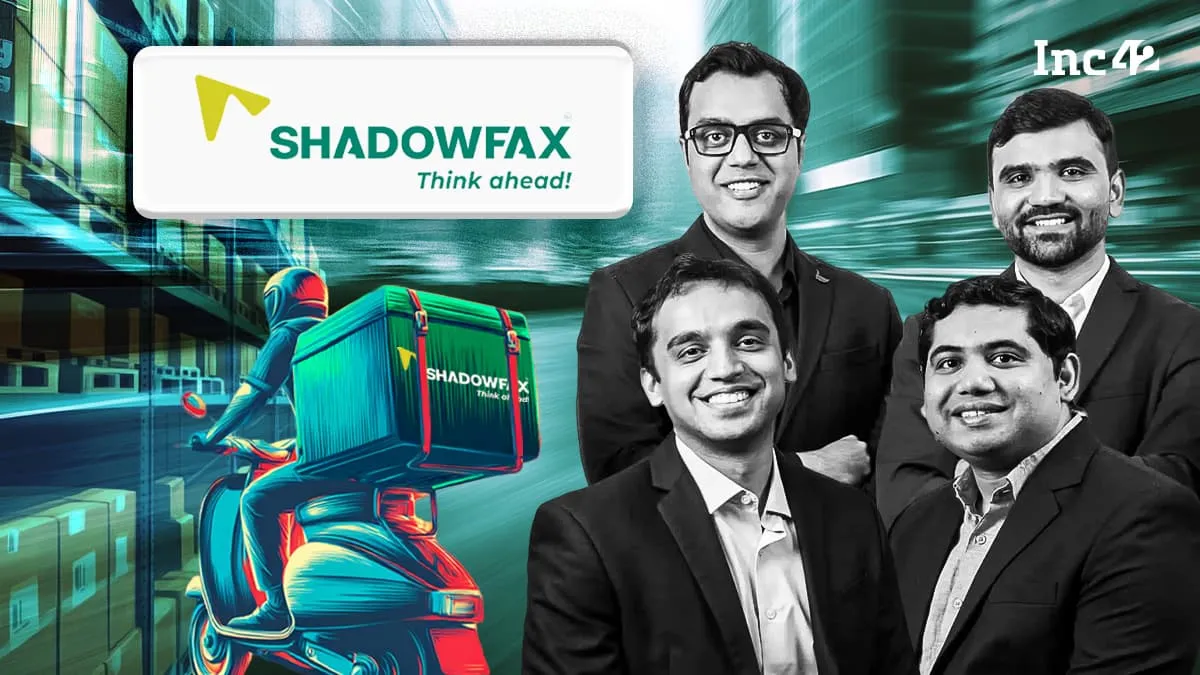
Shadowfax shares surged as much as 17.2% to an all-time high of ₹192.35 on the BSE after a strong Q4 update, though profit booking later pulled it to about 9% higher at ₹178.8. The company reported Q4 FY26 net profit of ₹55.8 crore versus a net loss of ₹9.9 crore a year earlier, alongside 73.6% jump in operating revenue to ₹1,237 crore. Adjusted EBITDA rose to ₹58 crore as margins expanded, supported by AI-led automation and quick commerce expansion.
IAN Angel Fund, the evergreen fund of IAN Group, has led a ₹70 lakh early-stage funding round in The Sweet Change, a clean natural sweetener brand, with participation from Udaan Angel Partners. Founded in 2024 by Manvi Agnihotri and Sheen Hitashi, the company aims to use the capital to boost product development, expand via e-commerce and quick commerce, and grow brand awareness and headcount. It claims early traction, crossing ₹1.5 crore in revenue and fulfilling 12,000+ website orders.
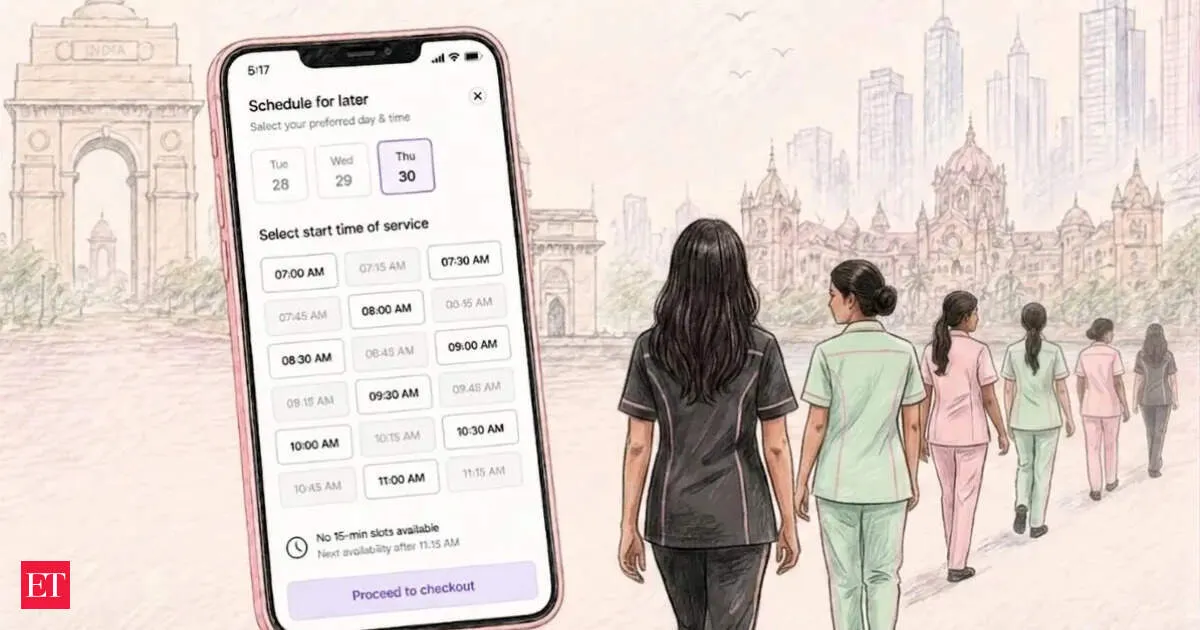
India’s quick commerce boom is spilling into domestic help, with startups like Snabbit and Pronto drawing investor attention for on-demand cleaners and helpers. Workers can be booked for household chores starting around Rs 99, in a market investors estimate at $60 billion. Backers say reliability and standardization solve absenteeism, and repeat use could shift recurring tasks to apps. But consumers cite higher repeat prices, limited availability, inconsistent support, and weak grievance resolution, making “instant” reliability uncertain.
Never miss a story
Set alerts for the topics and sources you care about. Download Beige for free.
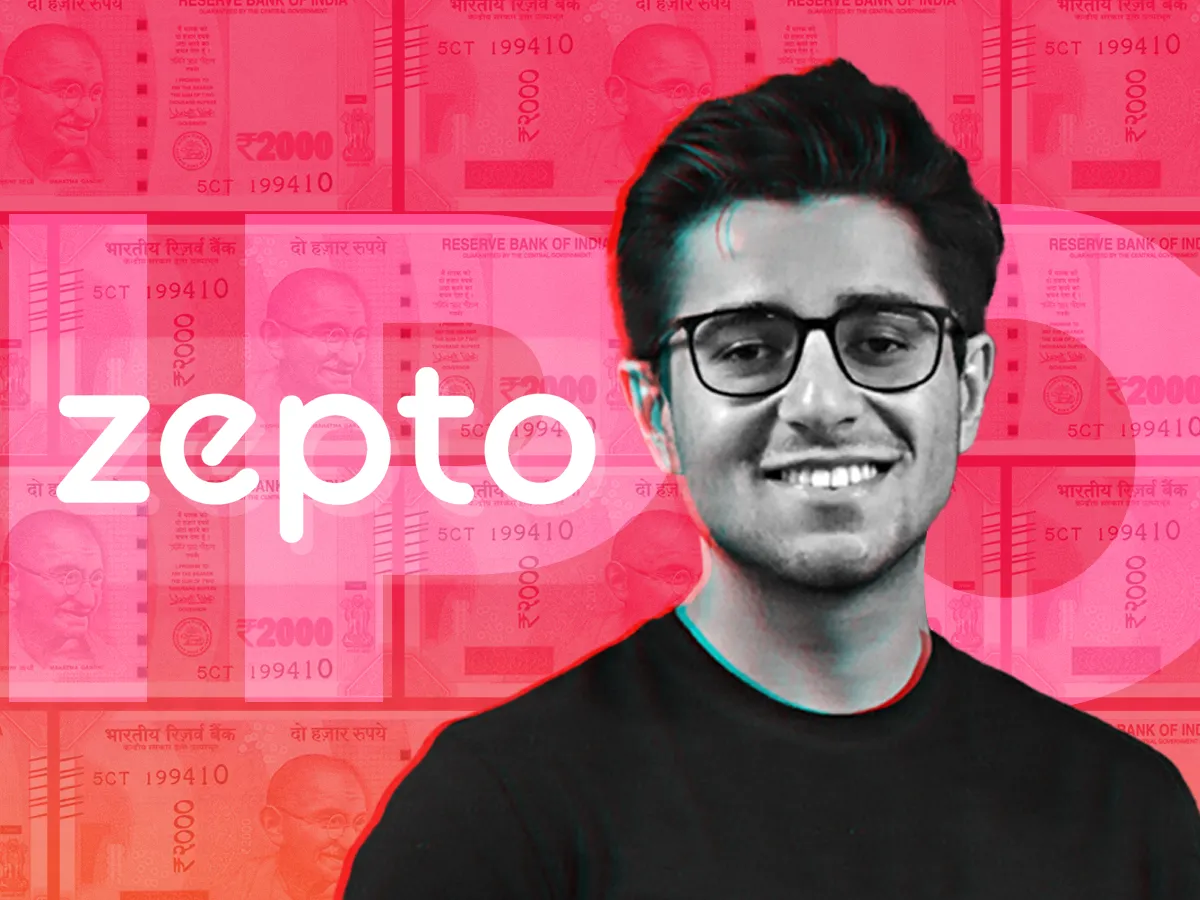
Quick commerce firm Zepto has received SEBI approval to proceed with its IPO, paving the way for an updated draft red herring prospectus to be filed in about six to eight weeks. Sources say the company is targeting a sizable listing potentially worth Rs 11,000–12,000 crore, with sizing and pricing still not final. Zepto is also reported to hold Rs 6,000–7,000 crore in cash. The move comes as rivals like Blinkit and Instamart see growth moderation but improving profitability.
Logistics firm Shadowfax plans to expand its dark store footprint from 15 to 100 stores by FY27, targeting a tight 7 km operating radius for ~30 minute delivery. It expects vertical quick commerce platforms to deliver higher value per engagement, while AI automation helps speed sorting breakeven and cut scaling overheads. The company also reported a sharp Q4 FY26 profit rebound.
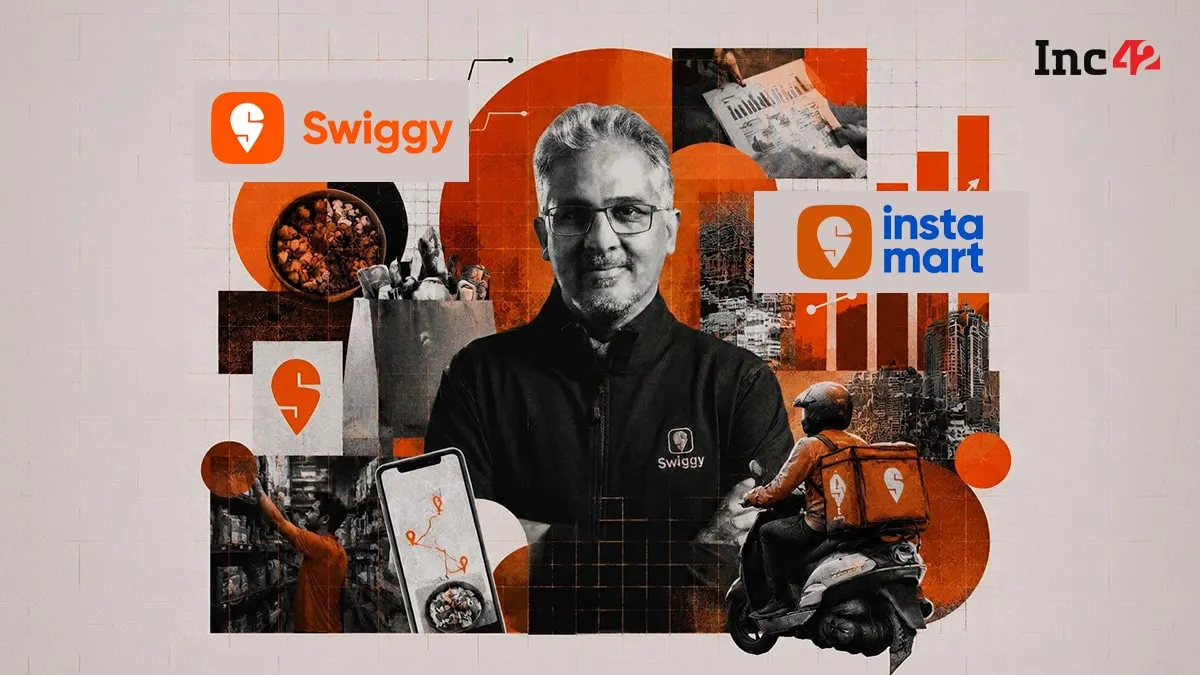
Swiggy has started steps to become an Indian Owned and Controlled Company by seeking shareholder approval to amend its articles and board nomination rules. The move is designed to satisfy FEMA IOCC conditions and strengthen domestic control. It also appears linked to Instamart’s shift from a marketplace approach to an inventory-led model that could boost margins and supply-chain control.
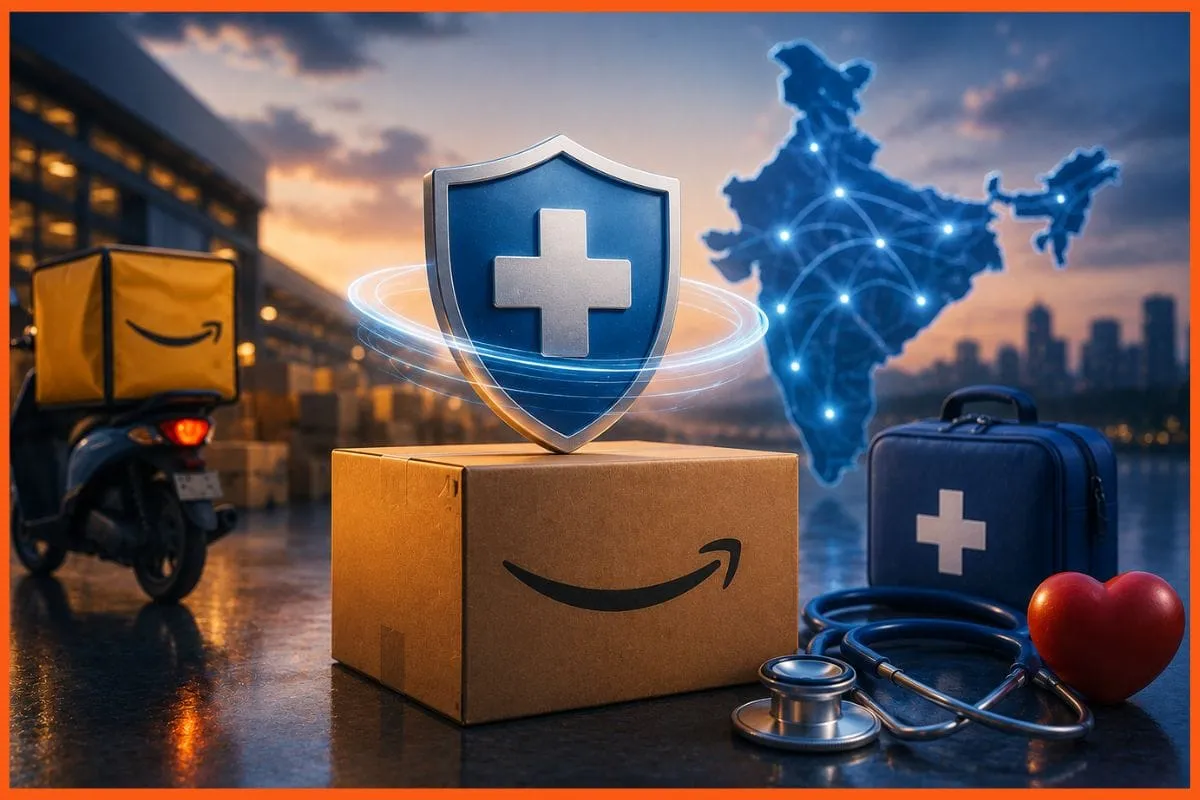
Amazon India has upgraded health and insurance benefits for 90,000 delivery partners, adding outpatient coverage, hospitalisation support, and compensation for temporary and permanent disabilities. The package also includes higher group personal accident coverage, capped out-of-pocket costs, and mediclaim top-ups. Amazon is also running free health screening camps nationwide and linking the initiative to a 2,800 crore investment.
Reading on mobile?
Open Beige in the app for a smoother experience — free on iOS and Android.
Flipkart’s attempt to escape GST on delivery charges via a goods transport agency structure has been rejected by the West Bengal Appellate Authority for Advance Ruling. The WBAAAR said the model was contractual “legal fiction” rather than a real transport transaction, putting the doorstep delivery flow squarely under 18% GST. The decision could reshape tax strategies for ecommerce and quick commerce.
Wipro Consumer Care Ventures has invested in pan-Asian food brand Moi Soi from Ceres Foods, with the deal value undisclosed and GVFL also participating. The brand plans to expand distribution in modern trade and quick commerce, broaden flavours, and strengthen branding. Moi Soi sells across D2C, quick commerce and retail, operating in multiple countries and delivering to thousands of pin codes.
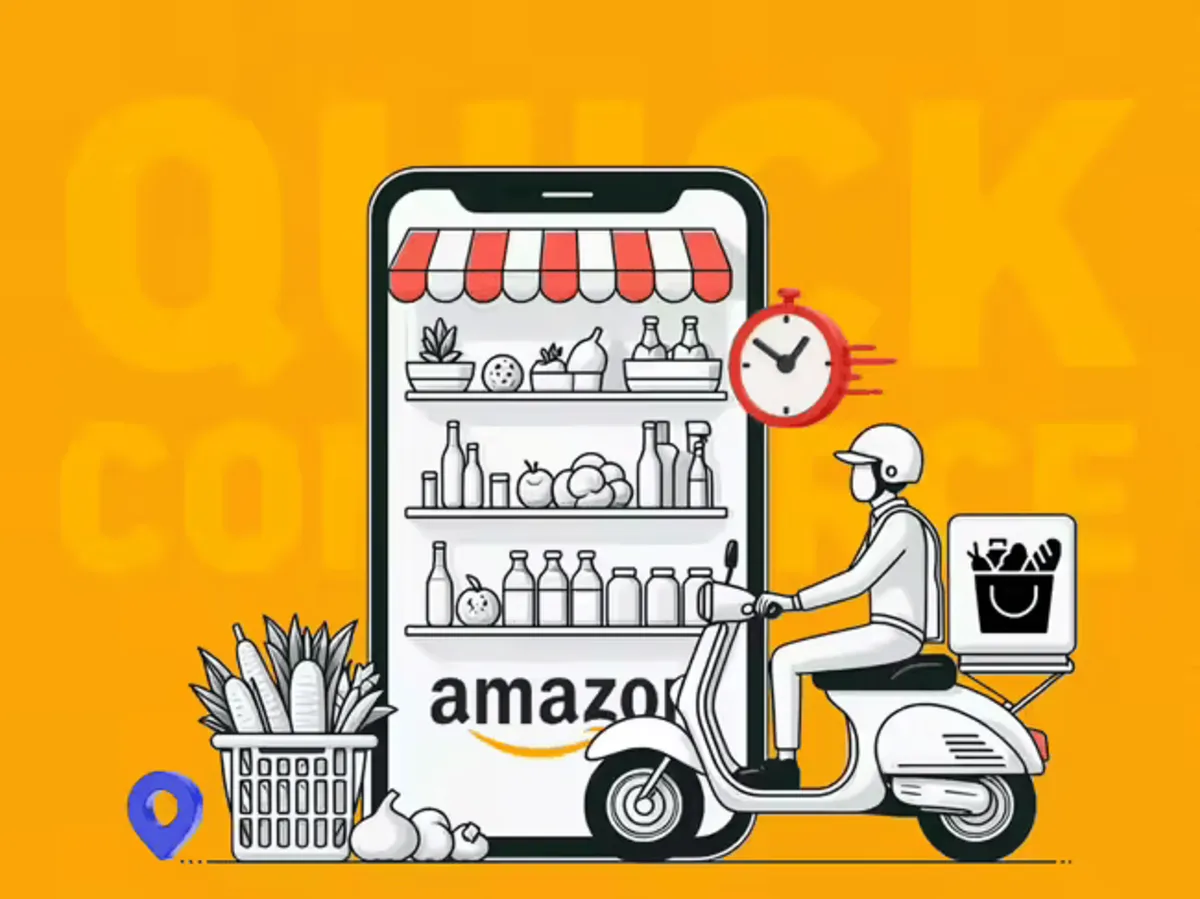
Amazon has rolled out a new ultra-fast delivery option in the U.S., promising select items to arrive at customers’ doors in about 30 minutes. The service focuses on groceries, household essentials, and other everyday needs, aiming to cut wait times for last-mile shopping and raise the bar for competitors in rapid commerce.
Amazon’s 10-minute delivery push is escalating pressure on India’s quick commerce leader Blinkit. As rivals battle for the same urban, high-frequency shoppers, Blinkit is adjusting beyond its earlier premium-focused strategy. Amazon, meanwhile, leans on Prime membership to combine speed with a wider selection, aiming to steal share where timing matters most.
Follow your favourite sources
Track sources, tags and categories — all in the Beige app.
Amazon’s push into quick commerce is unsettling Blinkit, despite the move arriving later than competitors. The latest ETtech dispatch also flags fresh insurance models gaining traction, signaling how marketplaces and adjacent services are reshaping consumer expectations. Together, these developments point to intensifying competition and faster product and policy journeys for customers.
Swiggy’s stock fell about 7% even after reporting a 45% jump in Q4 FY26 revenue to Rs 6,383 crore and a narrowed net loss. The pressure, analysts say, comes mainly from weakness in quick commerce via Instamart, where growth is slowing—despite solid performance in the core food delivery business.
Swiggy’s momentum in India’s quick-commerce race faces a hard reality check: profitability pressures, aggressive competition, and rising delivery economics. The question is whether yesterday’s growth and market gains can be defended—or if operational strain could flip a strong period into a costly reversal.
Swiggy’s stock fell up to 6.88% on Monday after its Q4 update showed the company’s net loss narrowed to Rs 800 crore, from Rs 1,081 crore a year earlier. Despite improving losses, the market reaction suggests investors were focused on other signals in the results and forward outlook, sparking sharp selling.
Stay informed on the go
Bite-sized news from 100+ trusted sources, right in your pocket.
Swiggy shares fell about 7% after reporting a Q4 FY26 net loss of Rs 800 crore, even as the company showed narrowing losses and strong traction in food delivery and Instamart. While some brokerages like Nuvama, Nomura and Citi held bullish views on improving margins and execution, concerns remain about intensifying competition in quick commerce.
Swiggy says food delivery defied LPG crisis fears, with adjusted revenue up 23% year-on-year to ₹2,304 crore and sequential loss shrinking 24.9%. Profitability improved as margins edged higher and incentives were used more selectively. But quick commerce cooled: Instamart’s average order value fell to ₹700, with quarterly gross order value dropping—while Swiggy avoids chasing growth via aggressive pricing.
Swipe through stories, personalise your feed, and save articles for later — all on the app.