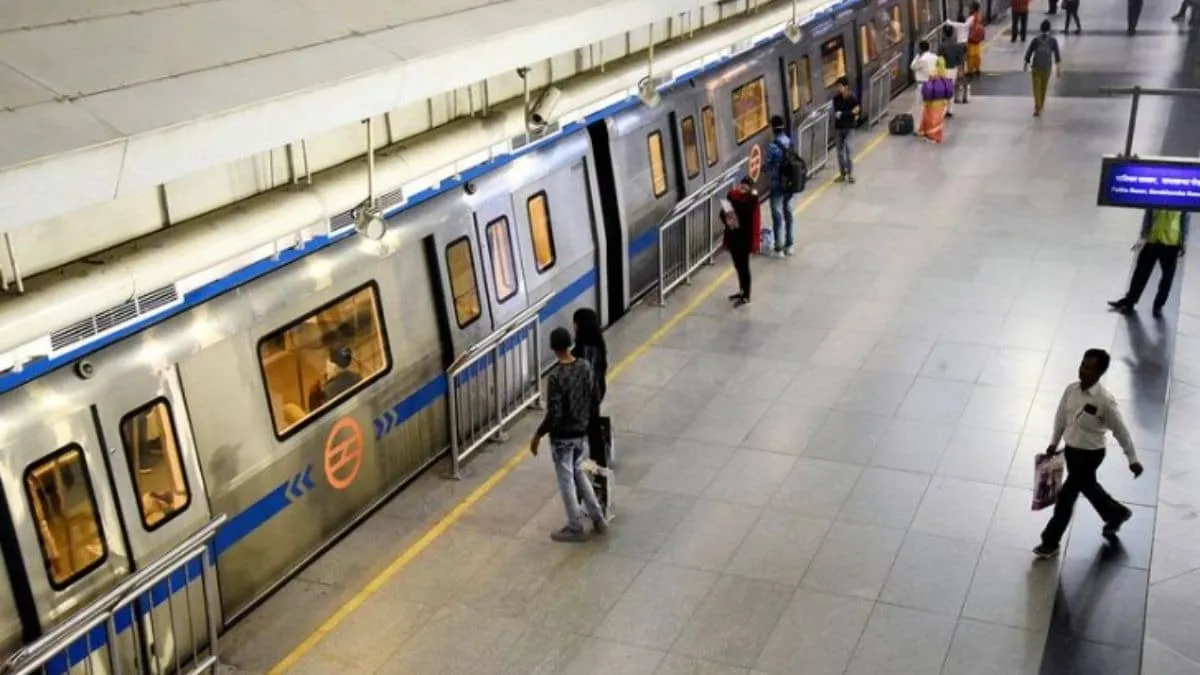
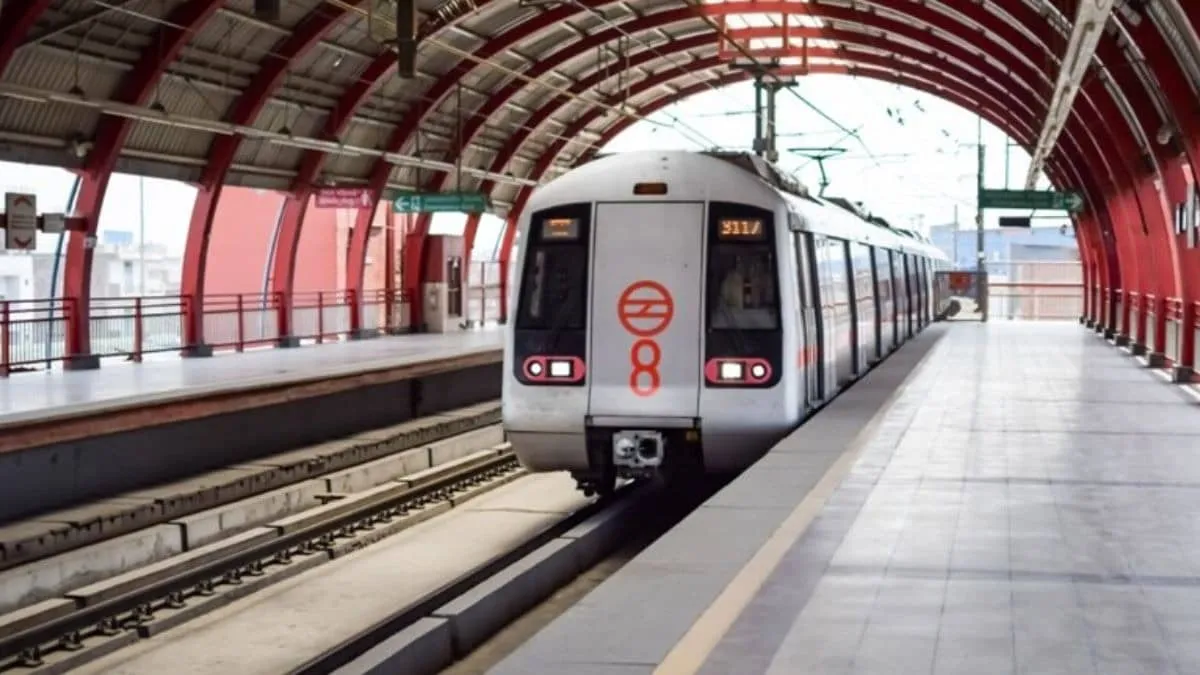
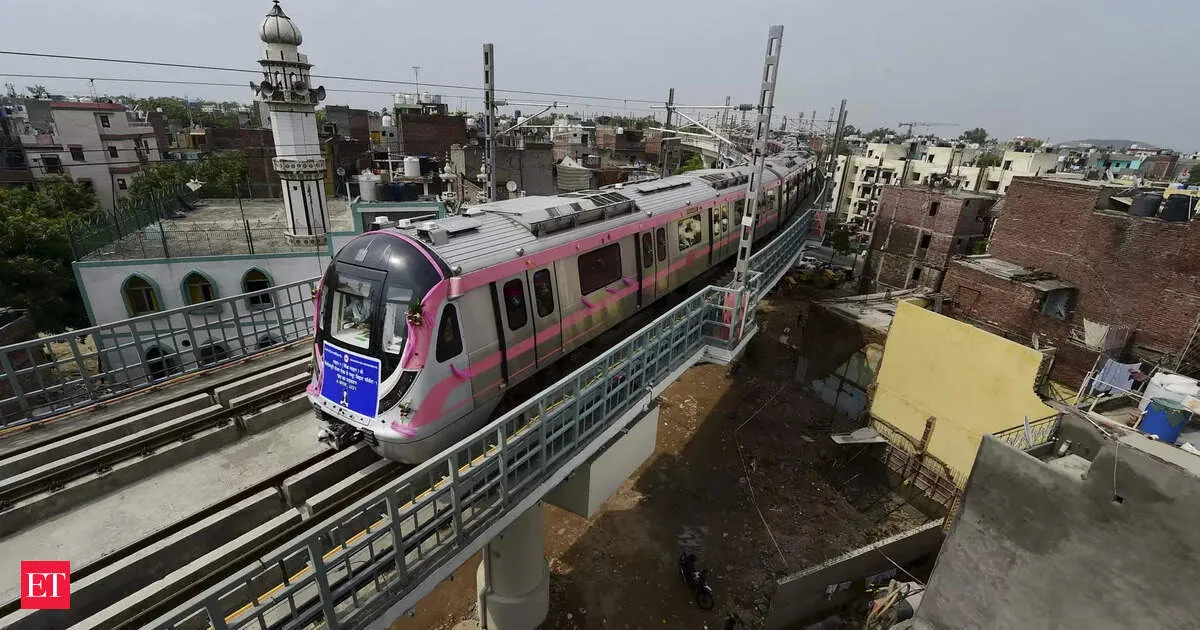
Delhi Metro has extended last train timings across operational lines for the DC vs Rajasthan Royals IPL match at Arun Jaitley Stadium on Sunday, May 17. With the game starting at 7:30 PM and expected to finish after 11:00 PM, DMRC has pushed back terminal departures to prevent fans from being stranded. Examples include a 11:35 PM last train from Dwarka Sector-21 to Noida Electronic City and a final Samaypur Badli to Millennium City Centre Gurugram service at 12:20 AM.
The power ministry has advised its public sector undertakings to test a modern work arrangement: allowing employees to work from home for one day each week. The guidance asks PSUs to assess operational feasibility and, where possible, permit up to 20% of staff to work remotely on any given day. The move aligns with wider reassessments of hybrid work after pandemic-era changes, including new pressures from the Iran conflict’s economic fallout.
Your news, in seconds
Get the Beige app — every story in 60 words, updated hourly. Free on iOS & Android.
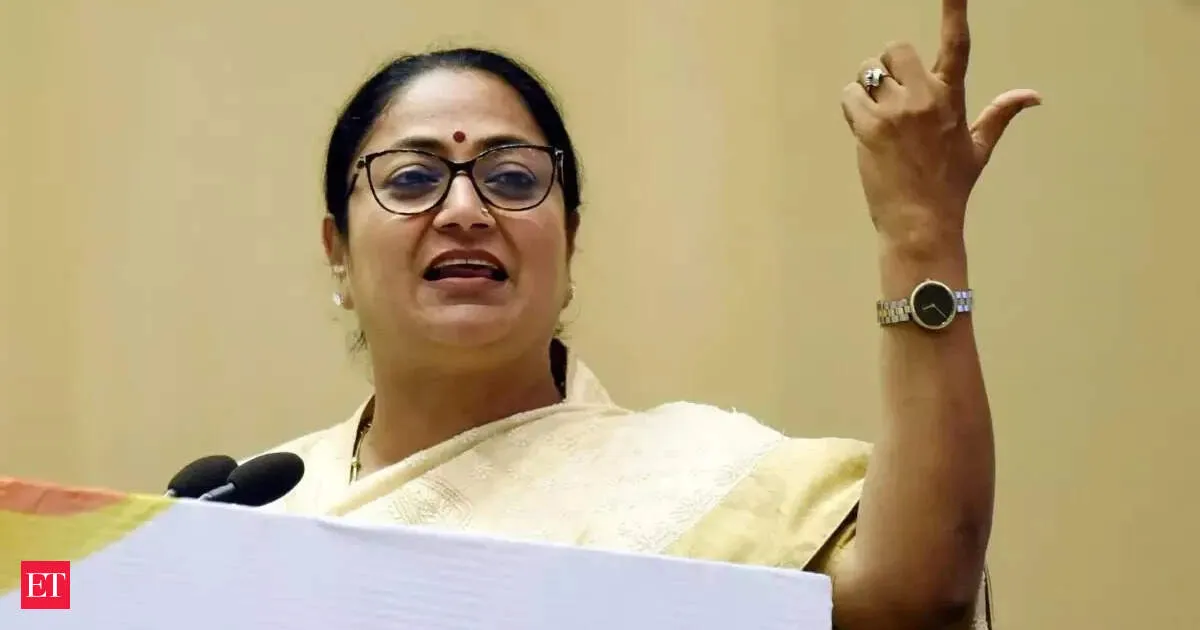
Delhi Chief Minister Rekha Gupta has cut her official convoy size by about 60%, using only four vehicles and including two electric cars, while operating with reduced security amid West Asia tensions. Lieutenant Governor Taranjit Singh Sandhu also used EVs and urged metro, carpooling, and public transport for energy security and greener air. Gupta announced Metro commute for ministers every Monday, two-day weekly WFH for government offices, a voluntary no-vehicle day, reduced petrol-diesel quotas, and cancelled foreign visits for a year.
Delhi Metro is set to launch a hydrogen-powered shuttle bus service in Central Vista to encourage government employees to commute by public transport. The weekday service will connect Central Secretariat and Seva Teerth metro stations with major government offices, using just two hydrogen-fuelled buses during peak office hours. The move is part of wider energy-saving efforts in the area.
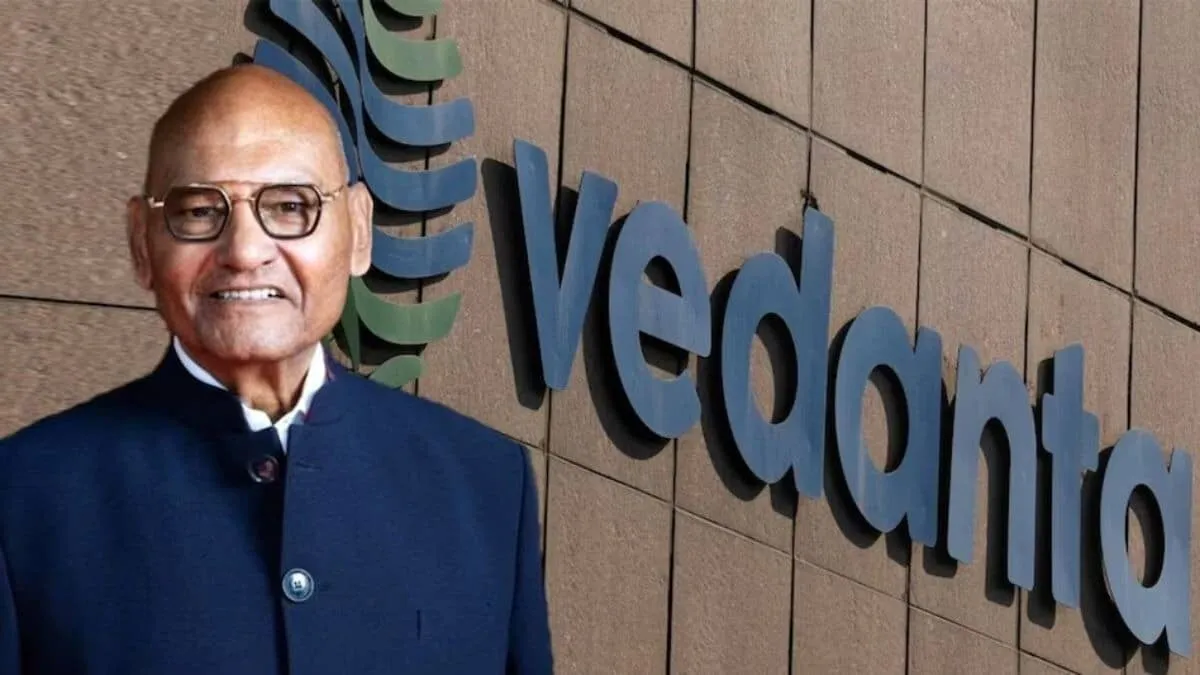
Vedanta founder Anil Agarwal backed PM Narendra Modi’s push to protect India’s foreign exchange, linking it to lower fuel use and smarter consumption. After Modi urged citizens to shift to public transport, Agarwal said one path is “to consume less,” while the other is “to produce more,” signaling Vedanta’s commitment to support the country’s forex goals.
After Prime Minister Modi’s fuel conservation call, multiple Indian states have rolled out austerity steps. Governments are reducing official vehicle use, cutting down VIP convoys, and encouraging work-from-home alongside greater use of public transport. The moves are framed as efforts to curb unnecessary spending and conserve fuel amid ongoing global uncertainty and budget pressures.
Never miss a story
Set alerts for the topics and sources you care about. Download Beige for free.
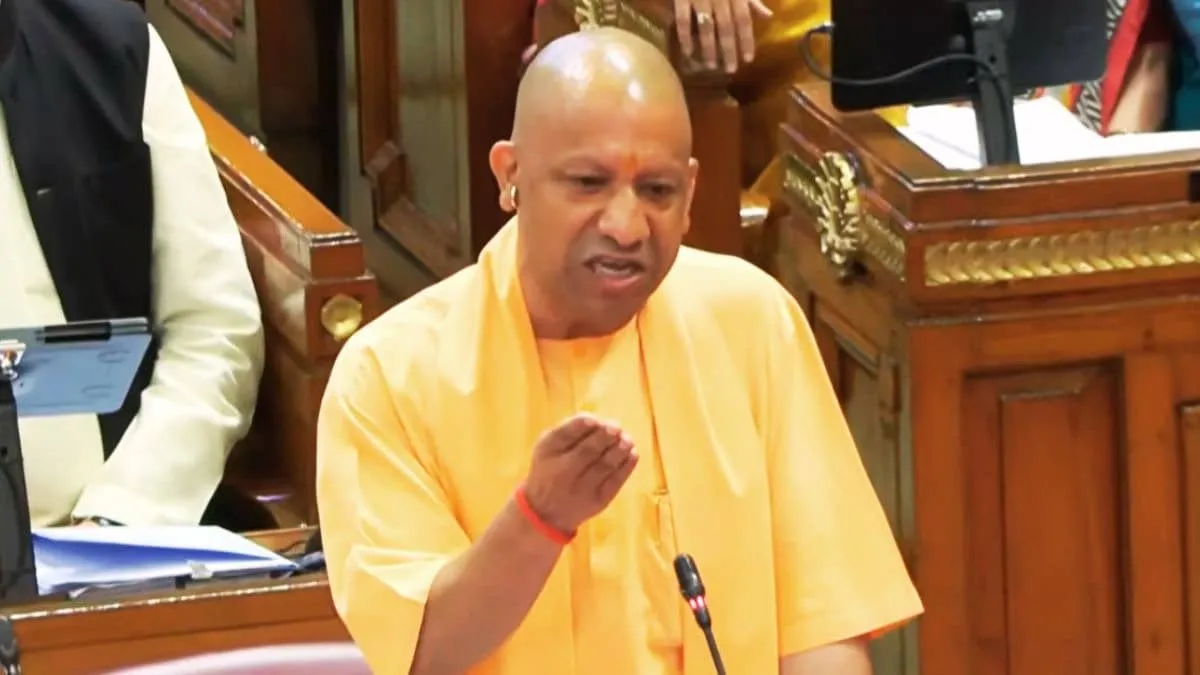
Uttar Pradesh Chief Minister Yogi Adityanath has ordered a 50% reduction in vehicle convoys for himself, cabinet ministers, and other senior officials. The move comes as the state aligns with Prime Minister Narendra Modi’s nationwide austerity push, encouraging fuel-saving steps including more virtual meetings to cut operational spending.
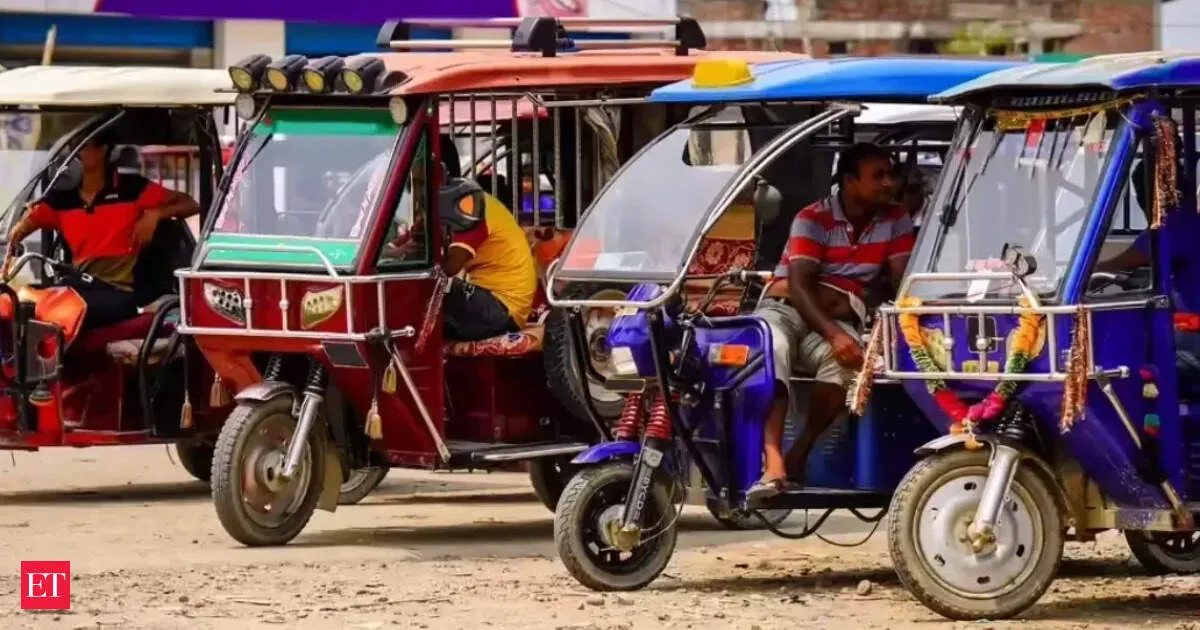
Delhi Education Minister Ashish Sood made a public show of eco-friendly commuting by taking the Delhi Metro followed by an e-rickshaw. The surprise trip follows Prime Minister Narendra Modi’s appeal for citizens to reduce fuel use and rely more on public transport. Sood used the route to reach an education engagement with a school in east Delhi.
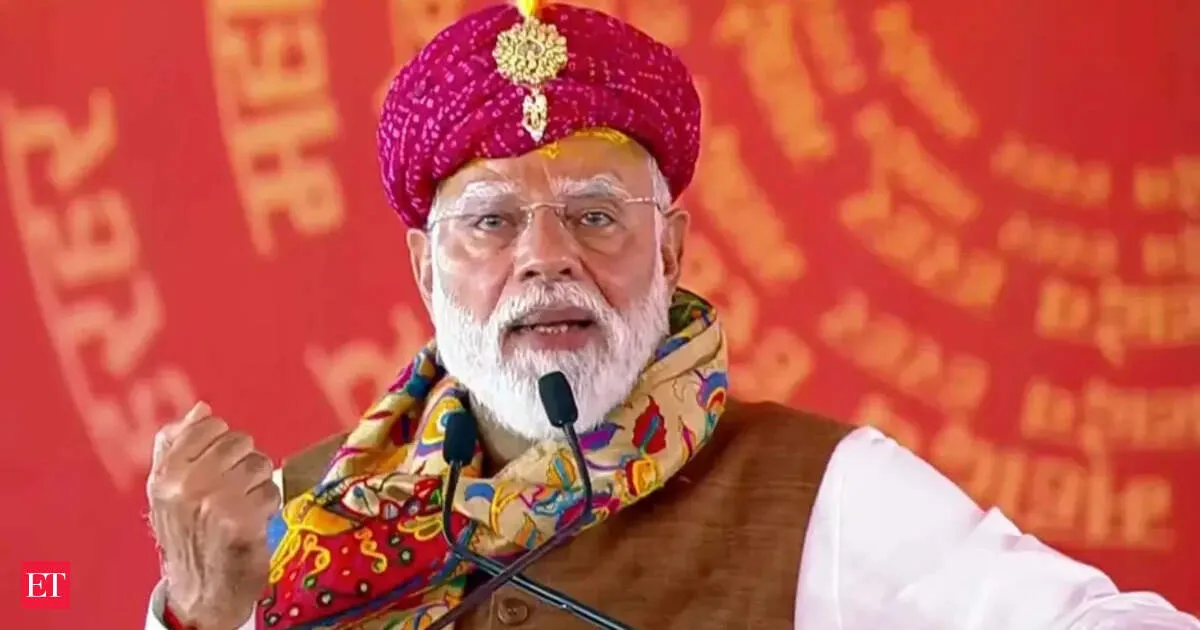
Prime Minister Narendra Modi called for austerity to manage fallout from the West Asian crisis, warning about rising import costs and supply risks. He asked citizens to cut private vehicle use in favor of public transport and carpool. Offices should increase virtual meetings, schools can switch to online classes, and people should temporarily reduce spending on edible oil and gold.
Kerala’s new government is set to roll out free bus travel for women on state buses, but private bus operators are resisting. They argue the move will squeeze their business and demand government support before implementation. The dispute is fueled by Karnataka’s experience with a similar scheme, which reportedly carried a steep cost—raising concerns about Kerala’s transport finances.
Reading on mobile?
Open Beige in the app for a smoother experience — free on iOS and Android.
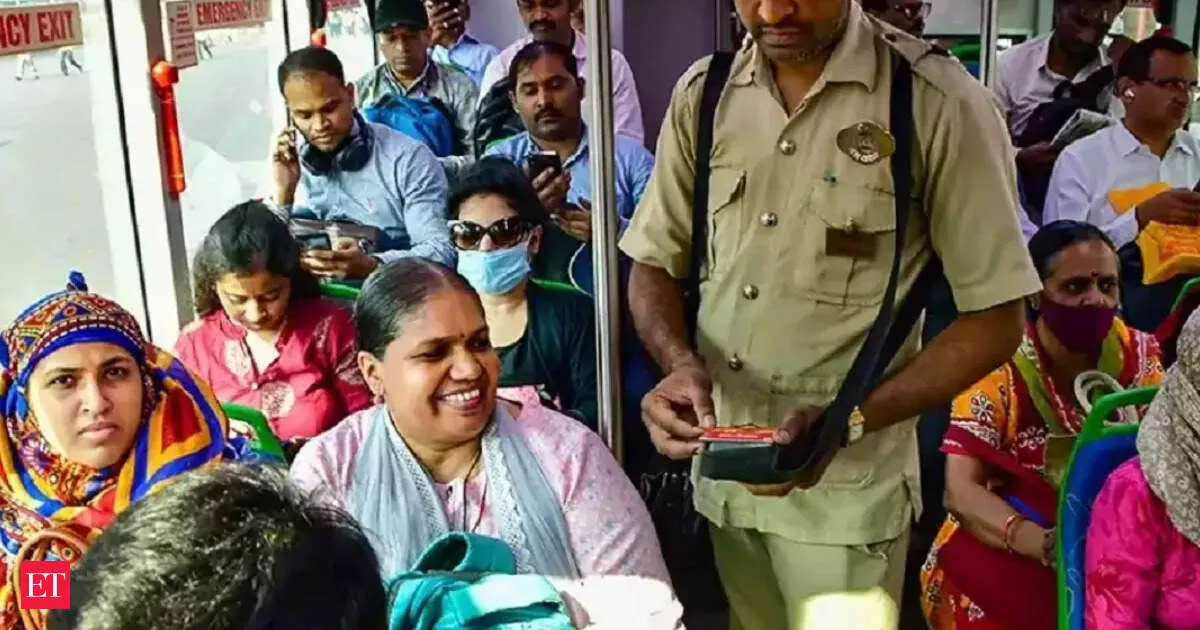
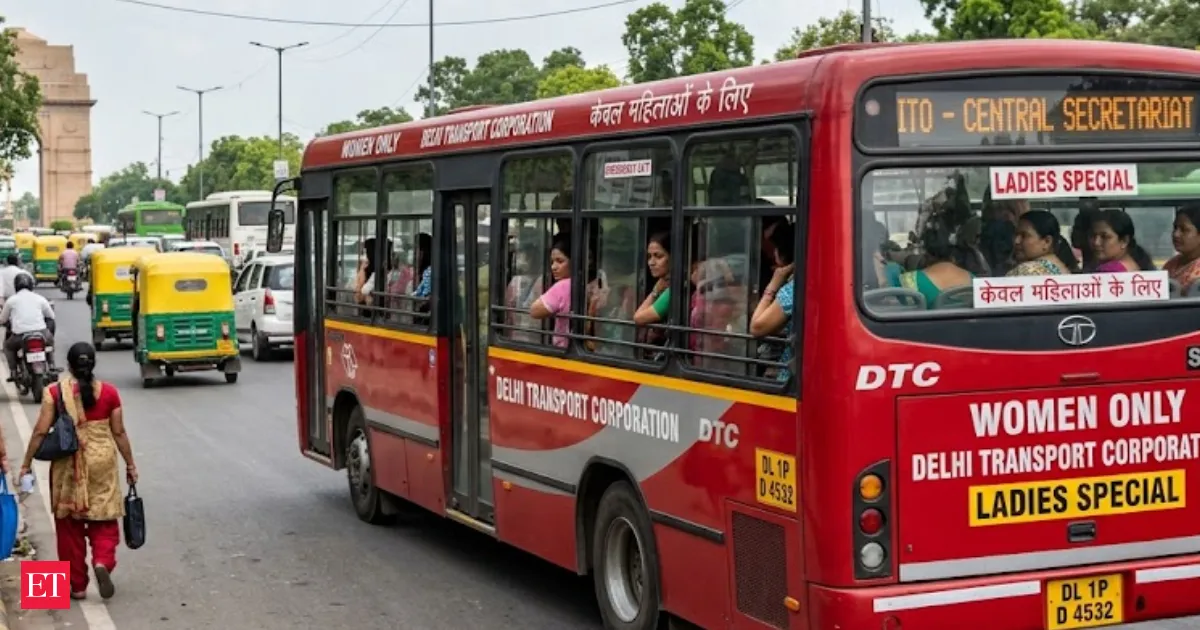
Delhi plans to phase out pink tickets for women’s free travel on DTC and cluster buses from July. Officials say the change will streamline subsidies and link benefits with the National Common Mobility Card via Pink Saheli Smart Cards. About six lakh women have already registered, and awareness drives are set before enforcement tightens.
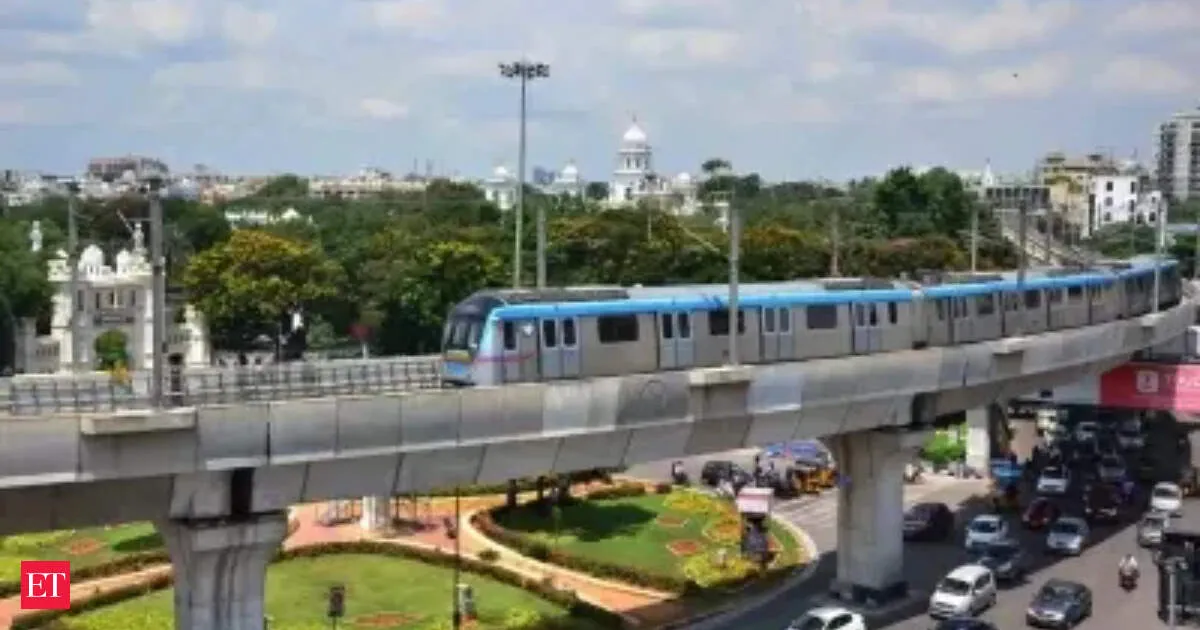
Telangana has sought Union government approval for the ₹38,595 crore Hyderabad Metro Rail Phase II, with a 122.9 km expansion proposed through a joint venture. Chief Minister Revanth Reddy met Union Minister Manohar Lal Khattar to expedite clearances, citing Hyderabad’s rapid growth and the need for stronger urban transport infrastructure.
Delhi’s government has cleared the Phase V(B) Metro expansion, approving 97 km of new lines and 65 stations across seven corridors at a cost of Rs 48,204 crore. The network will link outer areas such as Narela, Najafgarh, Rohini, and Mithapur with central Delhi, aiming to reduce traffic congestion and air pollution while accelerating regional connectivity.
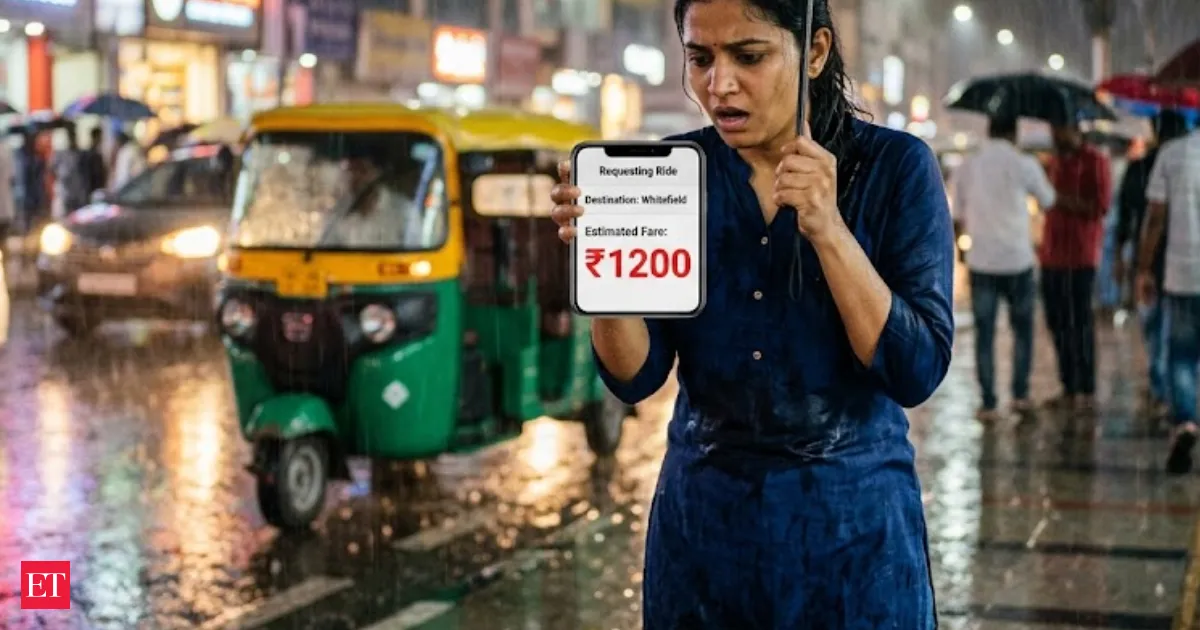
A Bengaluru content creator’s video has triggered outrage after a friend allegedly paid ₹1,200 for a 15 km auto ride during heavy rain and peak traffic. The journey stretched to about three hours, with the driver reportedly charging more to avoid cancellations. Viewers across the city said limited public transport and high demand often push fares higher in bad weather.
Follow your favourite sources
Track sources, tags and categories — all in the Beige app.
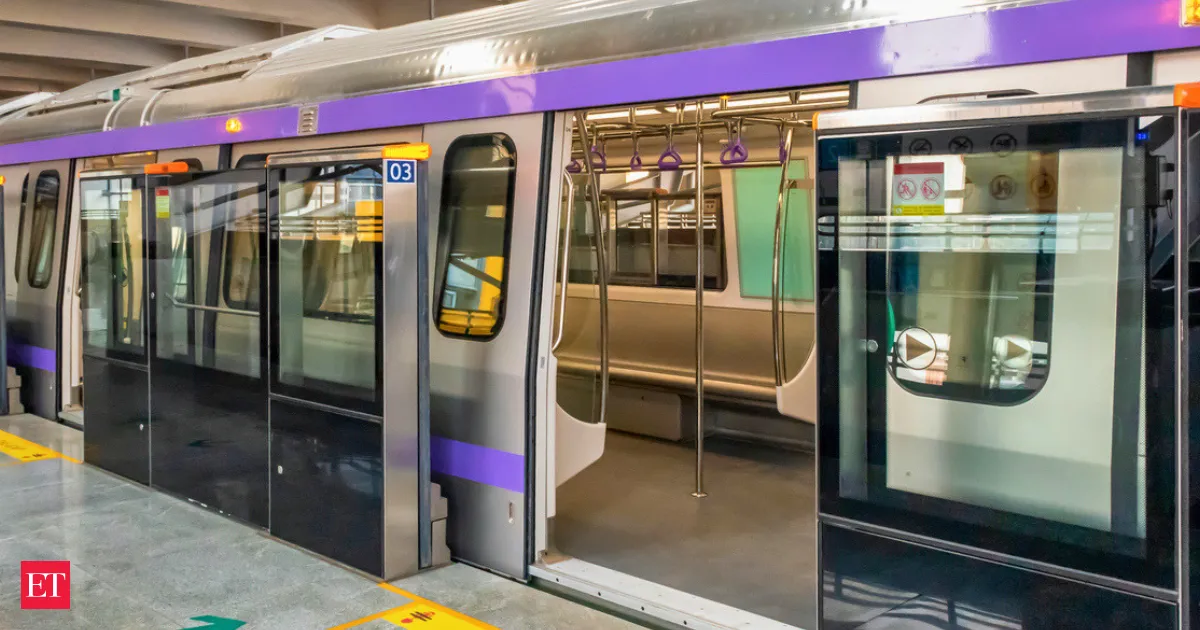
Delhi Metro has approved indigenously manufactured platform screen doors for stations across its upcoming Phase IV and Phase V corridors, aligning with the Centre’s push for at least 75% local manufacturing. Full-height PSDs will be installed at underground stations for better safety and climate control, while half-height doors will be used on elevated stretches.
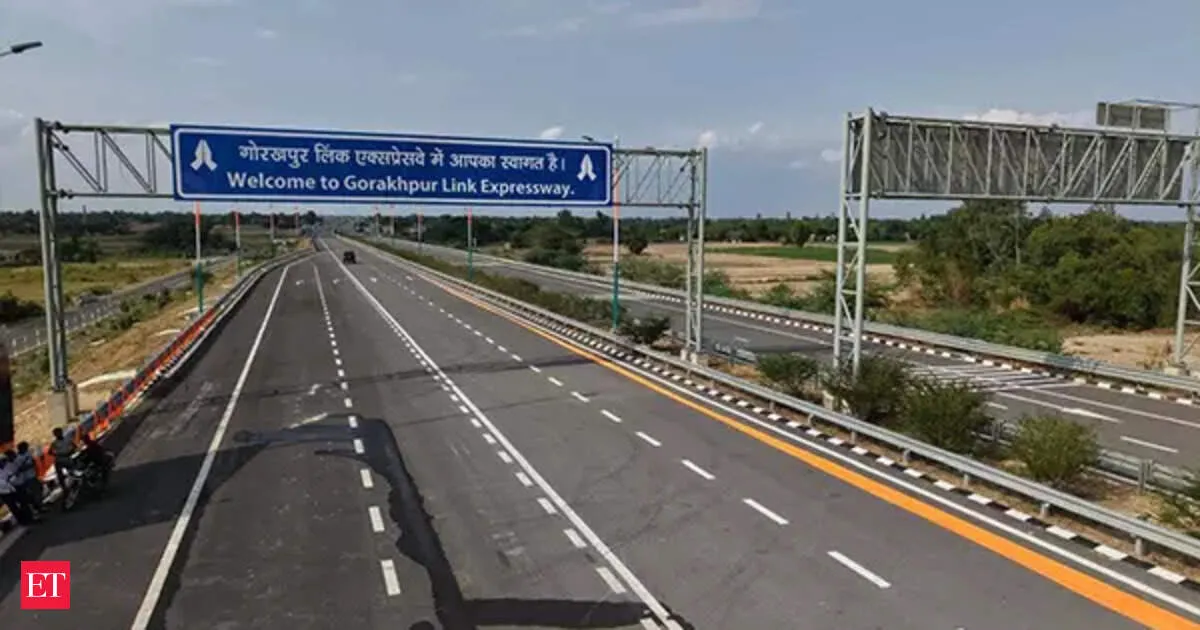
The Uttar Pradesh government has announced a 15-day toll waiver on the Ganga Expressway, encouraging people to drive the newly opened stretch without paying toll fees. Officials say the move aims to boost traffic, improve public confidence, and help more residents experience the state’s longest expressway firsthand during the free ride window.
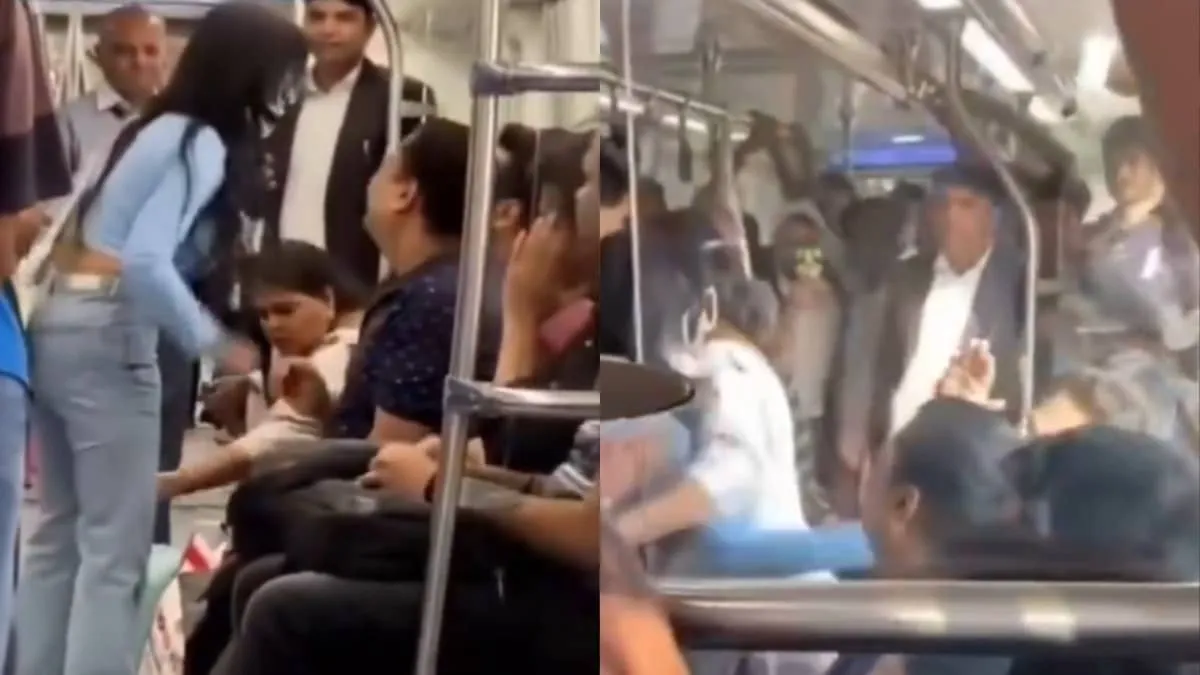
A heated argument over a seat inside a crowded Delhi Metro coach turned physical when a woman slapped a man. The incident was captured on video and quickly went viral, prompting immediate intervention from other commuters. The clip highlights how everyday transit stress can spiral into violence in seconds.
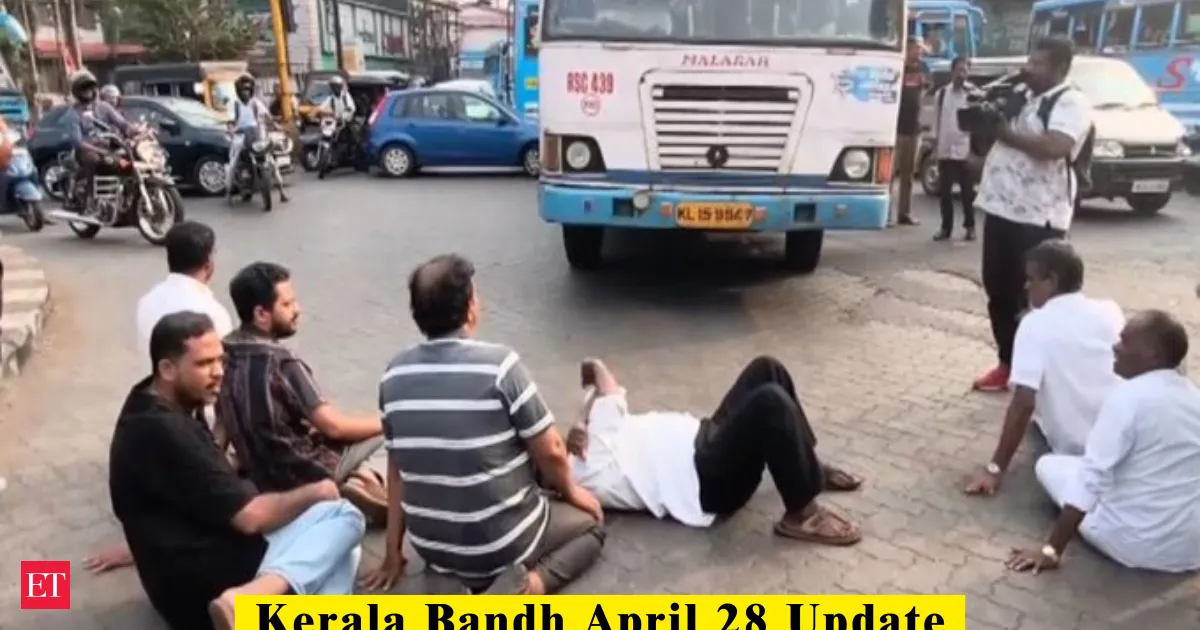
Kerala is observing a 12-hour statewide hartal on April 28 after the death of dental student Nithin Raj. Dozens of organizations are demanding justice, and the protest is already affecting public transport and daily commercial activity. Authorities say the shutdown will vary by locality, so commuters and shoppers need to plan ahead for what remains open.
Stay informed on the go
Bite-sized news from 100+ trusted sources, right in your pocket.
Delhi Metro has issued a key advisory for commuters on the Blue and Green Lines, warning of minor inconvenience due to maintenance work on escalators at select stations. Passengers are urged to use lifts where available and plan their journeys in advance to avoid delays and crowded station areas during the maintenance window.
Mumbai’s local train app Yatri promises real-time tracking with live updates on delays, platform changes, and disruptions. Built by Lakhi and Reeva Sakaria with Indian Railways, it uses proprietary GPS devices and source-verified data flowing directly from railway control rooms—rather than crowd inputs—solving the near-total absence of reliable information on trains.
Swipe through stories, personalise your feed, and save articles for later — all on the app.