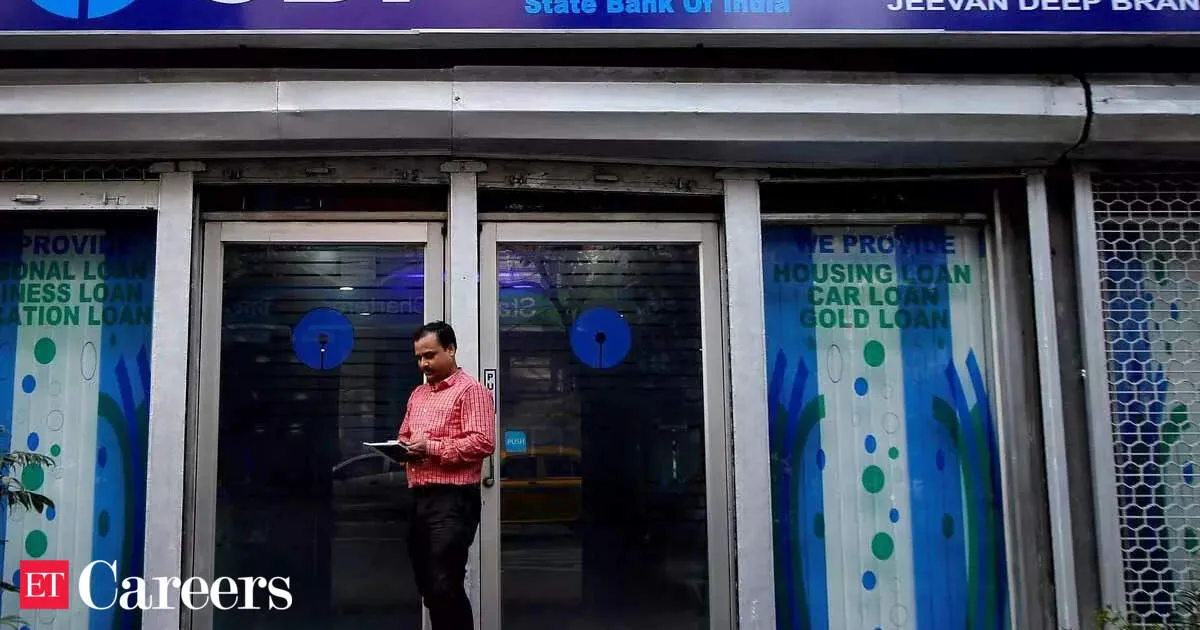
Bank of Baroda, India’s second-biggest state lender, says it aims to double its balance sheet within five years. CEO Debadatta Chand points to expected economic growth, rising credit demand, and a push into fee-based income. He also argues that scale and capital strength will be crucial as policymakers discuss creating even larger state-run banks.
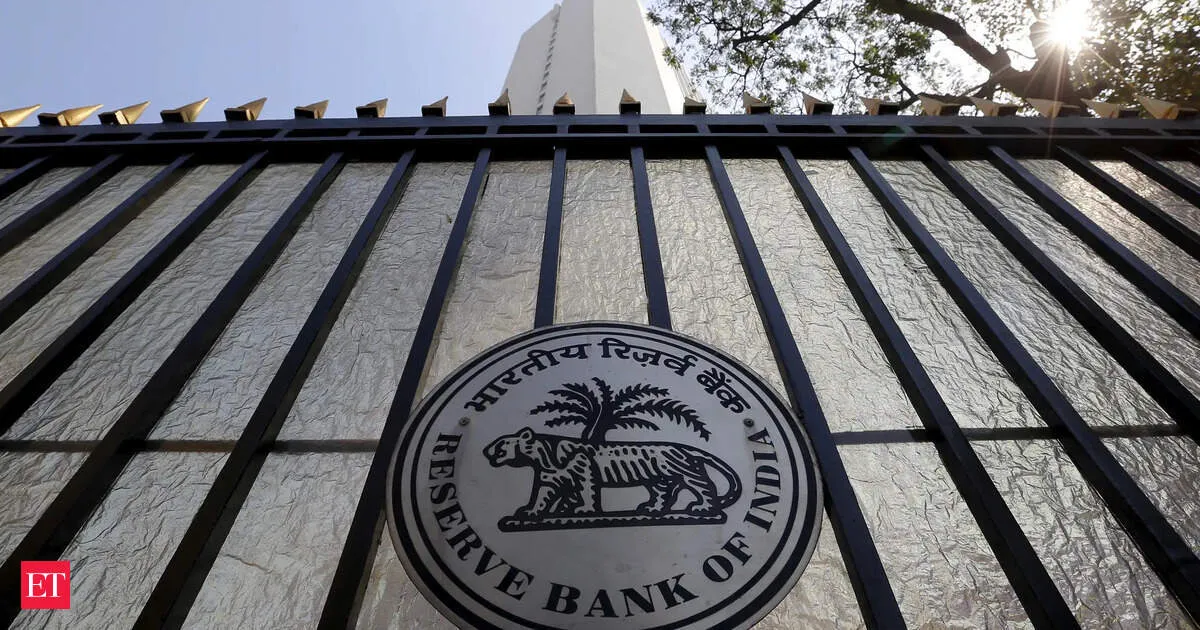
The Reserve Bank of India is expected to transfer its highest-ever dividend to the central government, giving the Centre a fresh fiscal cushion. The RBI board will decide the exact amount this month. The news also aligns with reports of record profits at public sector banks, lifting expectations for government revenue.
Your news, in seconds
Get the Beige app — every story in 60 words, updated hourly. Free on iOS & Android.
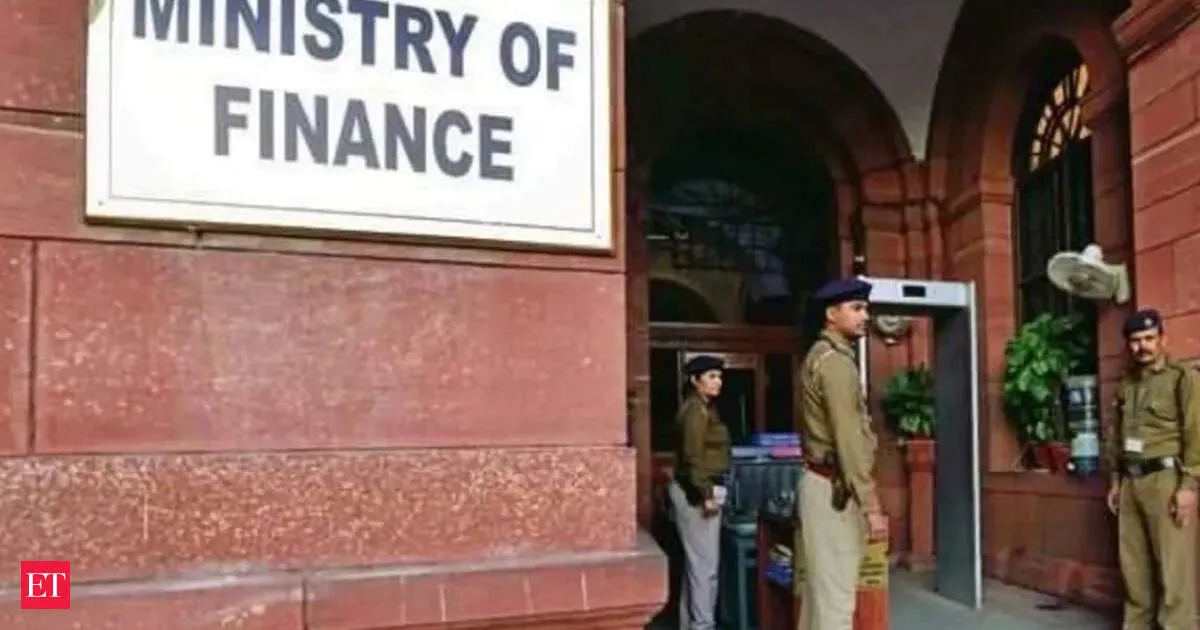
Public sector banks hit an all-time high net profit of Rs 1.98 lakh crore in FY 2025-26, extending four straight years of strong performance. FinMin attributes the jump to improved asset quality, faster credit growth, and higher incomes. With capitalization also strengthened, these banks are expected to back India’s next phase of economic expansion.
Financial services secretary M Nagaraju reviewed progress on financial inclusion schemes with public sector and major private banks, urging them to expand digital infrastructure for stronger last-mile reach. The focus is to improve access for underserved communities, moving services beyond physical branch networks by widening connectivity and adoption of digital financial tools.
Public sector banks are building wealth management businesses as Indian households shift savings from bank deposits to market linked instruments and risk products. Indian Bank plans a dedicated wealth management vertical for high net worth customers, while State Bank of India wants to multiply wealth assets under management fivefold to Rs 15 lakh crore by 2030 to boost customer engagement.
Indian public sector banks are accelerating IT spending to protect customer data and core financial systems as newer AI tools raise the cybersecurity stakes. Tools such as Anthropic’s Claude Mythos are being flagged for their potential to enable or amplify attacks. Banks are simultaneously upgrading defenses while a government panel evaluates AI-driven cyber risks to keep the sector secure.
Never miss a story
Set alerts for the topics and sources you care about. Download Beige for free.
The Finance Ministry has directed public sector banks and financial institutions to reserve roles for people with benchmark disabilities in both direct recruitment and promotions. The Department of Financial Services issued the instructions and also mandated regular meetings with PwD Employees Welfare Associations, ensuring concerns are reviewed and employees have a structured voice in decisions.
The Finance Ministry has asked public sector banks to kick off wage revision discussions for employees and officers, setting a tight timeline. Negotiations for the 13th Bipartite settlement are expected to be finalised within 12 months, ahead of the revision becoming effective from November 1, 2027. The government wants an early closure to protect industrial harmony.
Indian public-sector banks are highly exposed to climate risk because their lending is concentrated in energy, metals, and mining. While a few banks have started taking small steps, many still under-assess how climate change affects their portfolios and fail to manage the environmental impact of their operations—leaving deposits indirectly linked to rising emissions.
The finance ministry has asked India’s public sector banks to explore quantum-resistant encryption as a shield against future quantum computing threats. Experts say quantum computers could eventually break today’s widely used encryption. The push aligns with the National Quantum Mission’s work on quantum communication networks, aiming to keep financial systems secure as the technology landscape shifts.
Reading on mobile?
Open Beige in the app for a smoother experience — free on iOS and Android.
The Finance Ministry has revised recruitment examination and result-declaration timelines for public sector banks to streamline processes and boost transparency. Under the new sequence, SBI will announce results first, followed by nationalised banks, and then regional rural banks. The change is intended to reduce candidate attrition and support better workforce planning across these institutions.
Swipe through stories, personalise your feed, and save articles for later — all on the app.