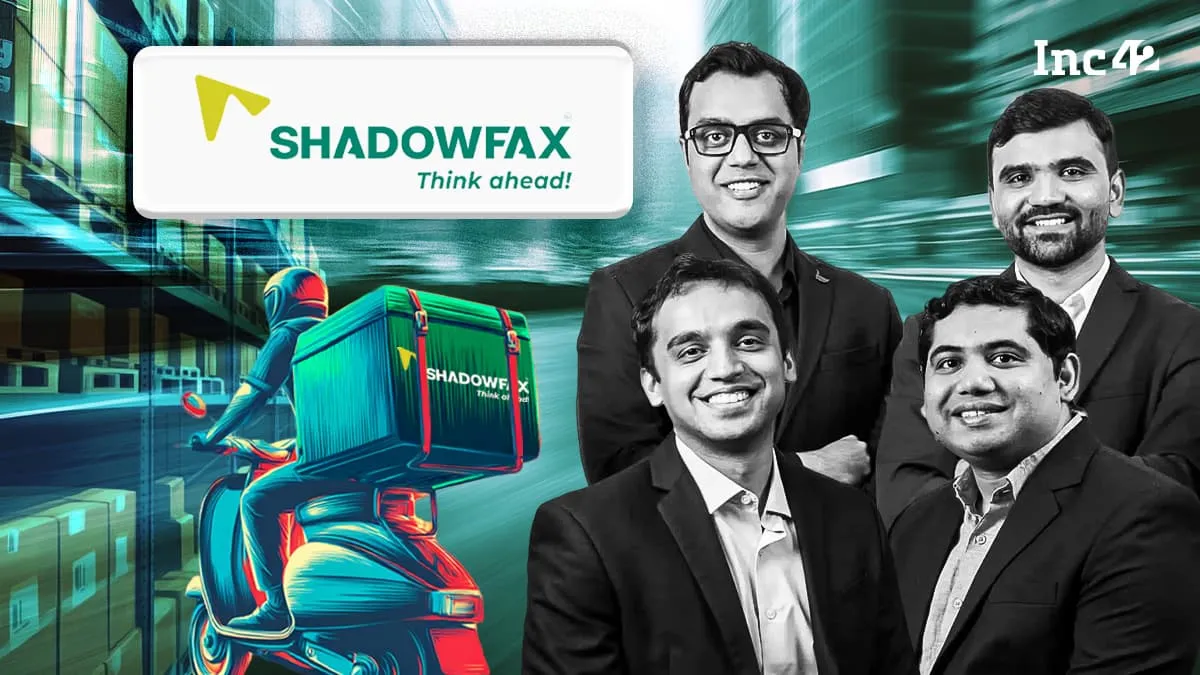
Shadowfax reported a consolidated net profit of ₹55.8 crore in Q4 FY26, reversing a ₹9.9 crore loss in the year-ago quarter. Revenue from operations jumped 73.6% YoY to ₹1,237 crore, with total income at ₹1,242.6 crore. Costs also rose 64.2%, but profit still grew nearly 60% sequentially.
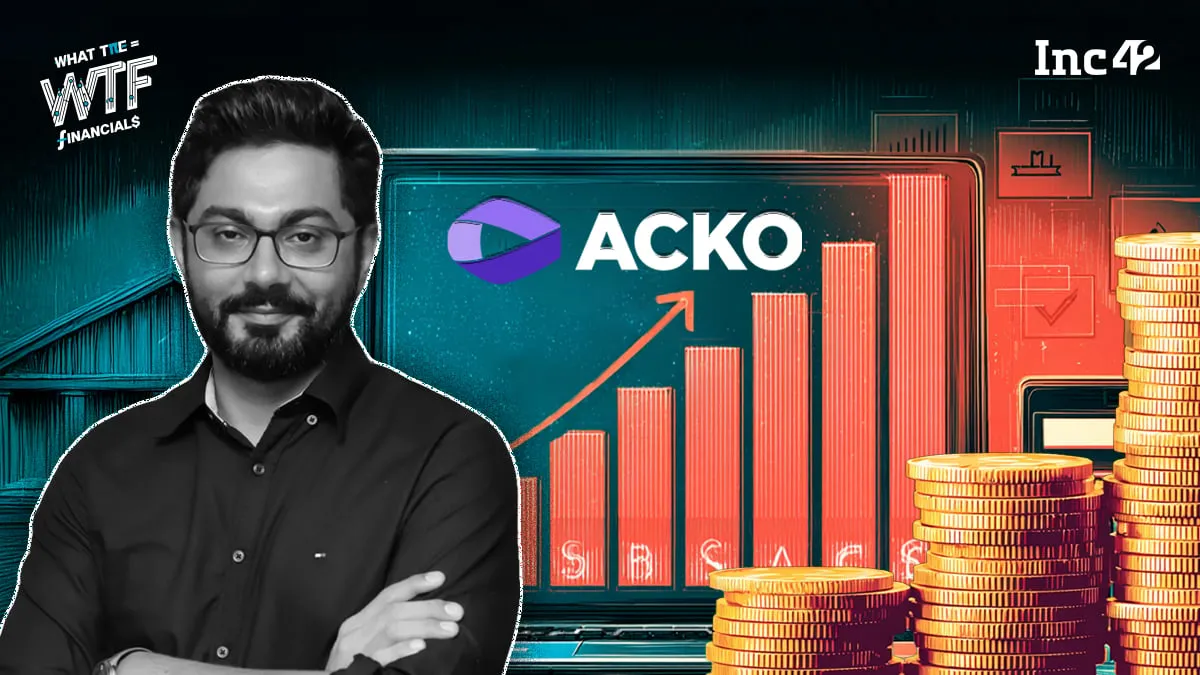
Insurtech unicorn Acko says it turned profitable in FY26 with net profit of ₹43.6 crore, swinging from a ₹193.4 crore loss in FY25. Net earned premium rose 26% to ₹191.8 crore as operating expenses fell 12.3%. Investment income declined, but gains from investment sales improved. The turnaround comes as Acko gears up for an IPO, after laying off about 5% of its staff.
Your news, in seconds
Get the Beige app — every story in 60 words, updated hourly. Free on iOS & Android.
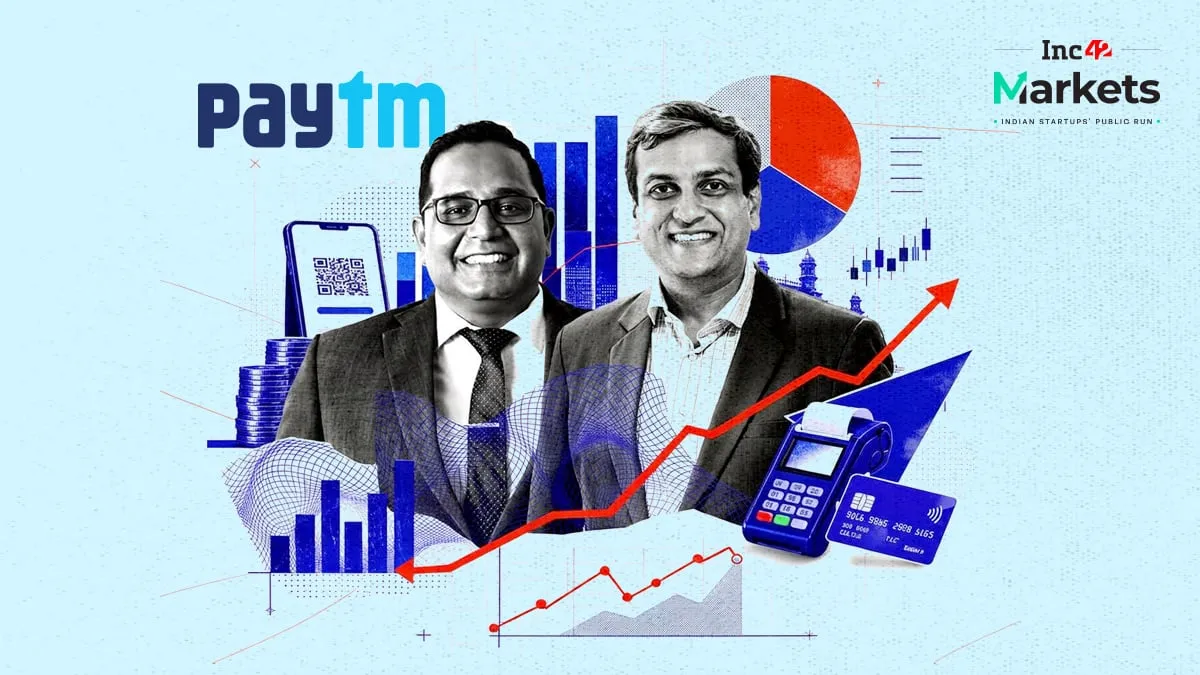
Paytm parent One97 delivered its first full-year profit of ₹552 crore in FY26, after a ₹663 crore loss in FY25. But the win has caveats: interest and investment income from its large cash pile helps materially. Core businesses are improving margins and cash generation, with AI driving cost cuts and growth levers like merchant payments and loans.
After the Middle East war began, Indian state-owned oil marketing companies kept petrol, diesel and LPG supplies running with prices far below cost. But those under-recovery losses are building quickly, and analysts warn that Q1 fuel losses could erase entire fiscal-year earnings for the companies—unless pricing and reimbursement keep up.
Wingreens Farms closed a ₹120 crore Series D and acquired Safe Harvest via a share-swap, banking on farmer partnerships and EBITDA profitability for a listing in two years. InCred Holdings filed its UDRHP for a ₹1,250 crore IPO, while Acko swung to ₹43.6 crore FY26 profit ahead of its own listing. Elsewhere, Ather hit a record high and Urban Company slid after a steep Q4 loss.
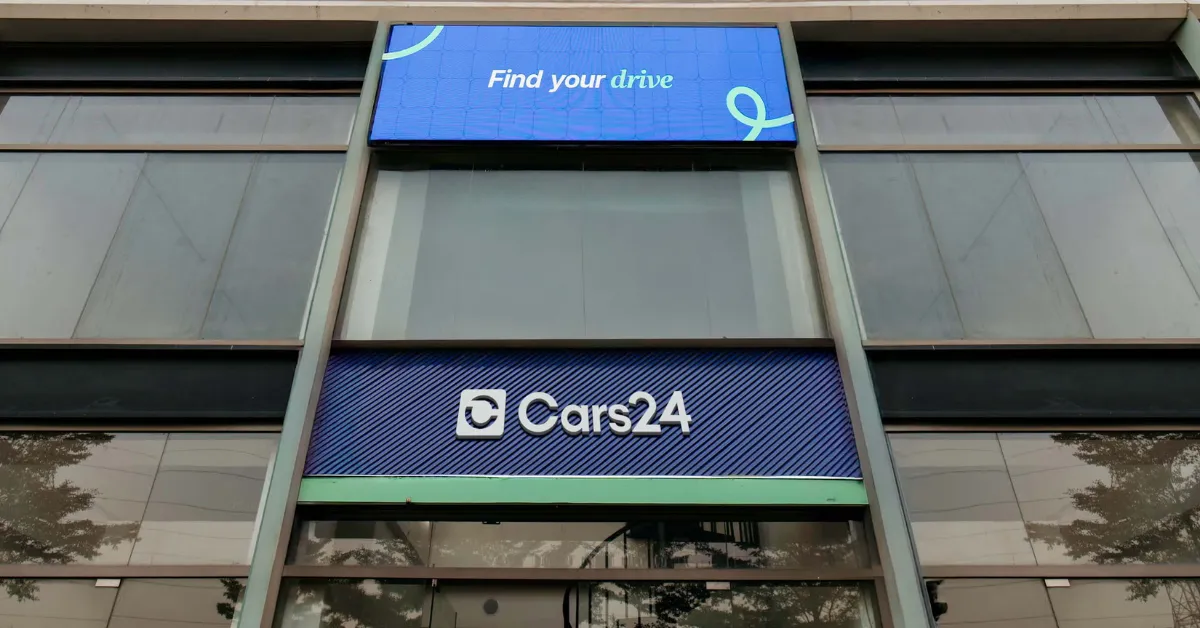
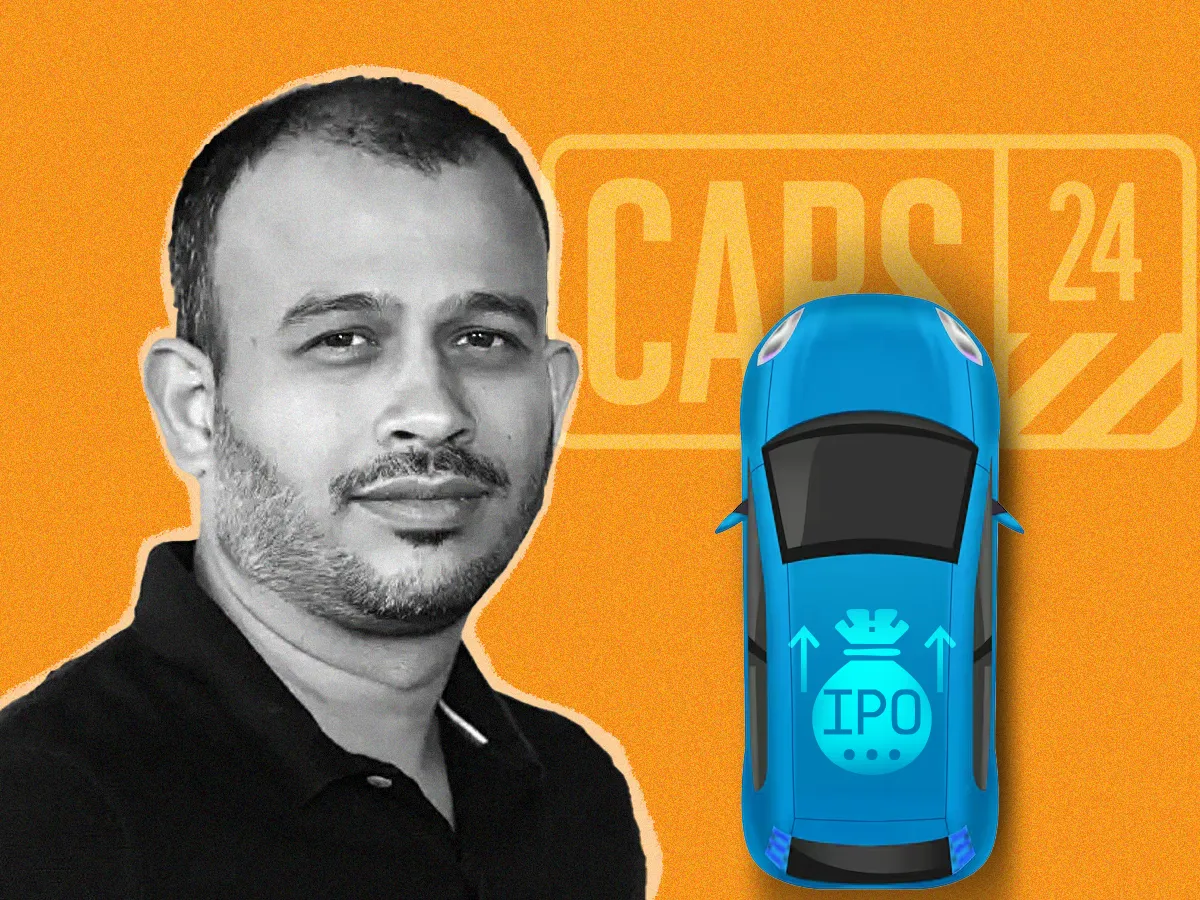
Cars24, the IPO-bound used-car marketplace, says it became profitable for the first time in Q4 FY26 with ₹20 crore adjusted EBITDA. The company also claims “structurally positive” margins in the UAE and operating profitability in Australia, attributing gains to AI-led efficiencies, lower acquisition costs, and lending momentum. Full FY26 EBITDA loss narrowed, while transaction volumes shifted toward vehicle ownership services.
Never miss a story
Set alerts for the topics and sources you care about. Download Beige for free.
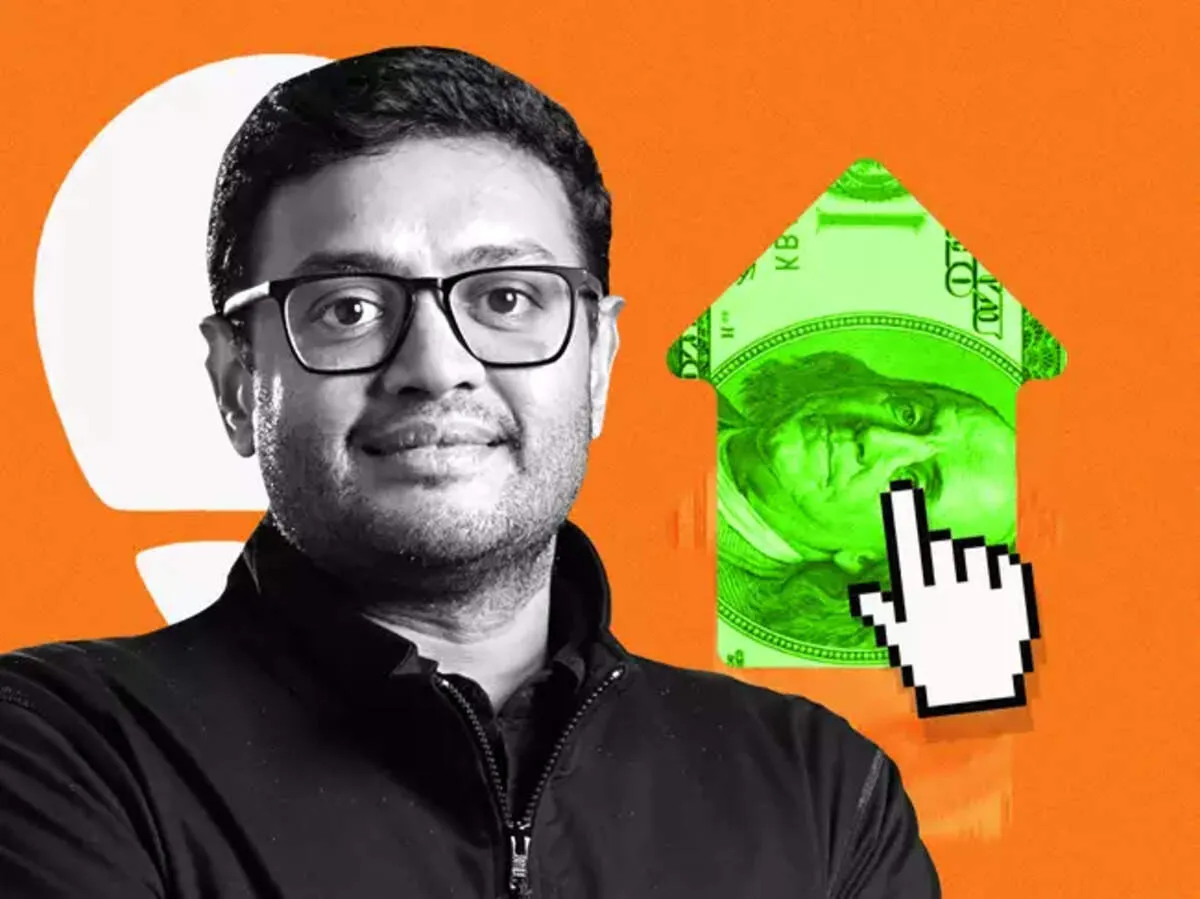
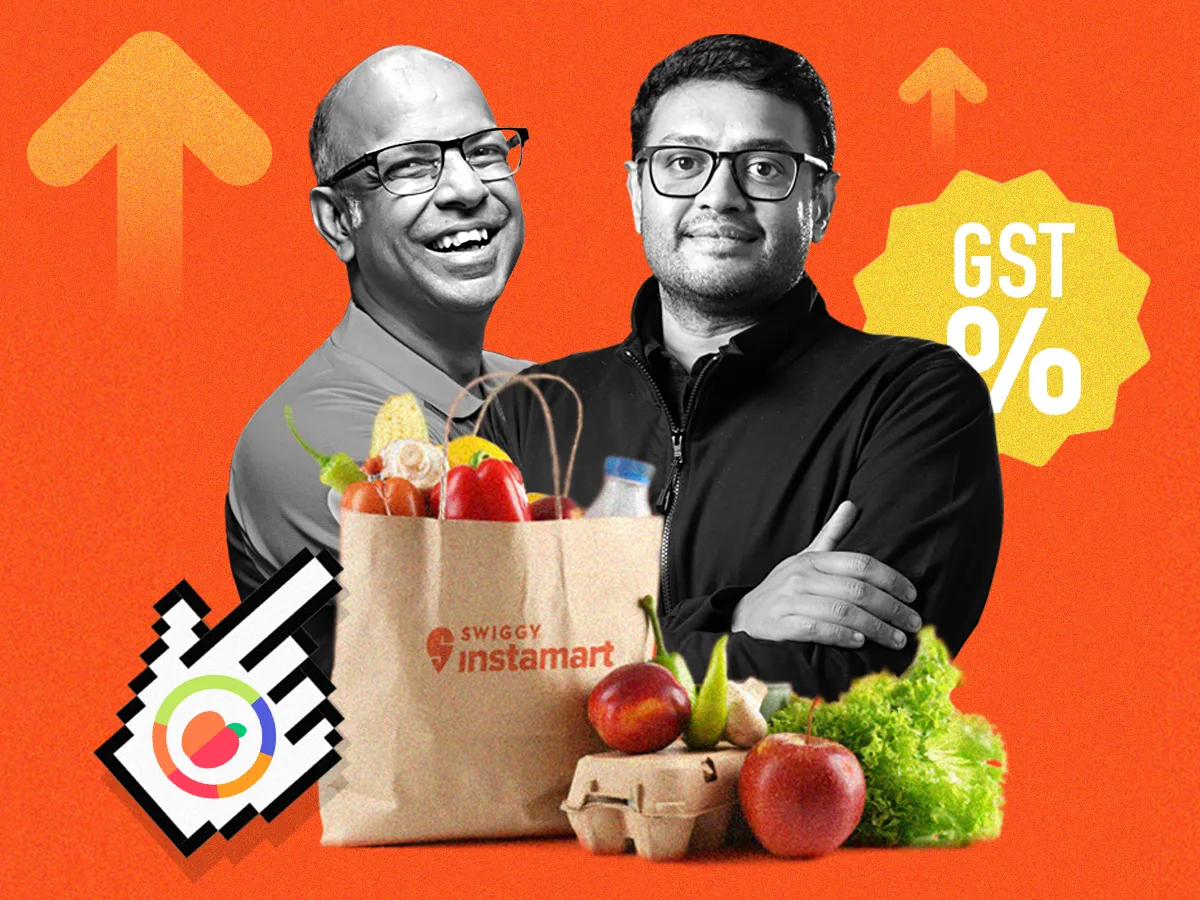
Swiggy founder Sriharsha Majety says the current quick commerce frenzy mirrors earlier telecom booms, where aggressive spending decided winners and losers. He argues strategic clarity matters most during cycles of heavy investment, and stresses Swiggy is balancing growth with profitability. The goal, he says, is long-term durability, not sacrificing market share for short-term relevance.
Swiggy Instamart’s gross order value fell 0.7% sequentially to Rs 7,881 crore in the March quarter, even as it rose 68% year-on-year. The slowdown reflects a wider quick commerce shift: operators are prioritizing unit economics and profitability over chasing higher volumes at any cost.
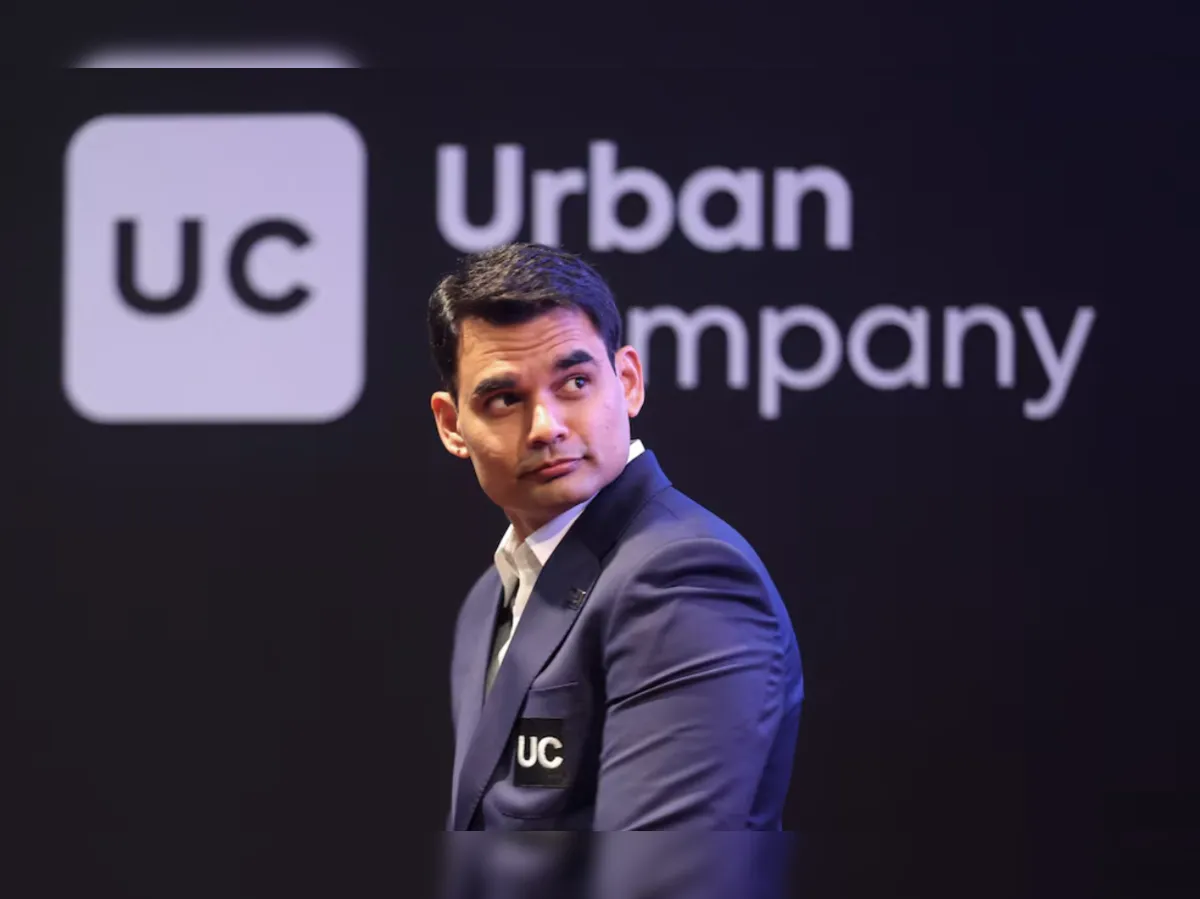
Urban Company’s InstaHelp grew quickly in the March quarter, but the momentum came with a sharp rise in net losses. The company is pouring money into its on-demand domestic help business and says it will keep investing despite the drag on profitability. Meanwhile, competition in the segment is intensifying, raising pressure on margins.
Paytm’s parent One 97 Communications gained around 2% after investors cheered the fintech’s first full year of profitability. Shares rose to an intraday high of ₹1,219.10 as brokerages like Goldman Sachs and Citi kept Buy or Outperform ratings, pointing to stronger revenue momentum and growing payments market share even as regulation continues to reshape the landscape.
Reading on mobile?
Open Beige in the app for a smoother experience — free on iOS and Android.
Citigroup is betting on a major turnaround, setting 2027 to 2028 adjusted return on tangible common equity targets of 11 to 13 percent. CEO Jane Fraser tied the goals to a company wide overhaul and announced a $30 billion share buyback, aiming to strengthen consistency and expand organic growth, especially in wealth management.
After posting its first full year of profitability in FY26, Paytm is shifting focus to an AI-led makeover aimed at driving FY27 momentum. Management says it will cap new investments to AI, avoid building its own data centre by renting capacity instead, and automate services across consumers and merchants using applied models and agentic interfaces. The call also sidestepped PPBL fallout while upbeat growth tailwinds lifted shares.
Muthoot Microfin outperformed a shrinking lending market, expanding assets by more than 13% while industry growth fell about 20%. The CEO attributed the turnaround to improved repayment performance and lower bad loans. New individual loan products are gaining traction, and further margin expansion and profitability gains are expected in the coming years.
Cars24’s FY26 numbers show a strong turnaround: revenue rose 27% to Rs 1,411 crore and operating losses narrowed by 36%. The company reported EBITDA positivity in January, attributing the shift to AI adoption that reduced marketing and tech costs. Loan disbursals also climbed 57%, adding momentum to its growth story.
Follow your favourite sources
Track sources, tags and categories — all in the Beige app.
McKinsey says India’s banking sector is shifting from a phase of strong profits and balance sheet improvement to a tougher era of structural pressures. Higher operating costs and emerging credit risks are likely to weigh on profitability, forcing banks to navigate “turbulence” as the operating environment grows more complex than in recent years.
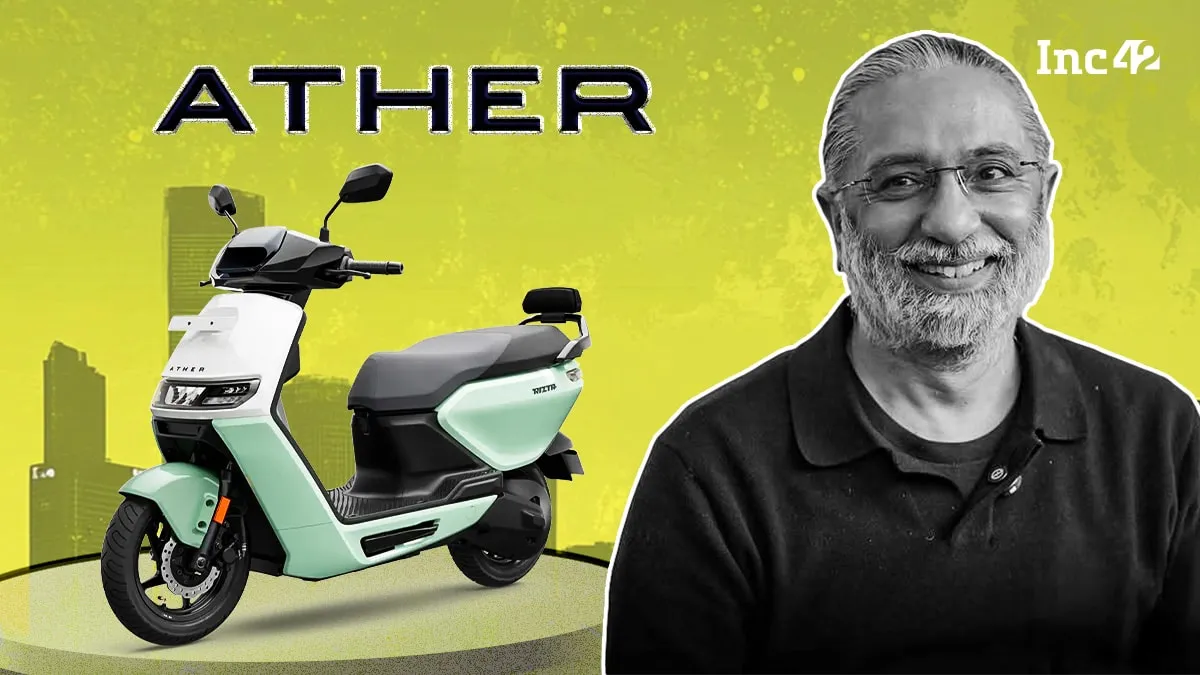
Ather Energy stock jumped after its Q4 FY26 performance, with losses narrowing sharply and revenue surging. The company reported a 36.3% drop in FY26 loss, strong quarterly growth, and improved EBITDA margins, despite higher costs and pressures like lithium price volatility and production disruptions from rare-earth magnet export limits. Brokerages stayed bullish, citing long-term growth and network expansion.
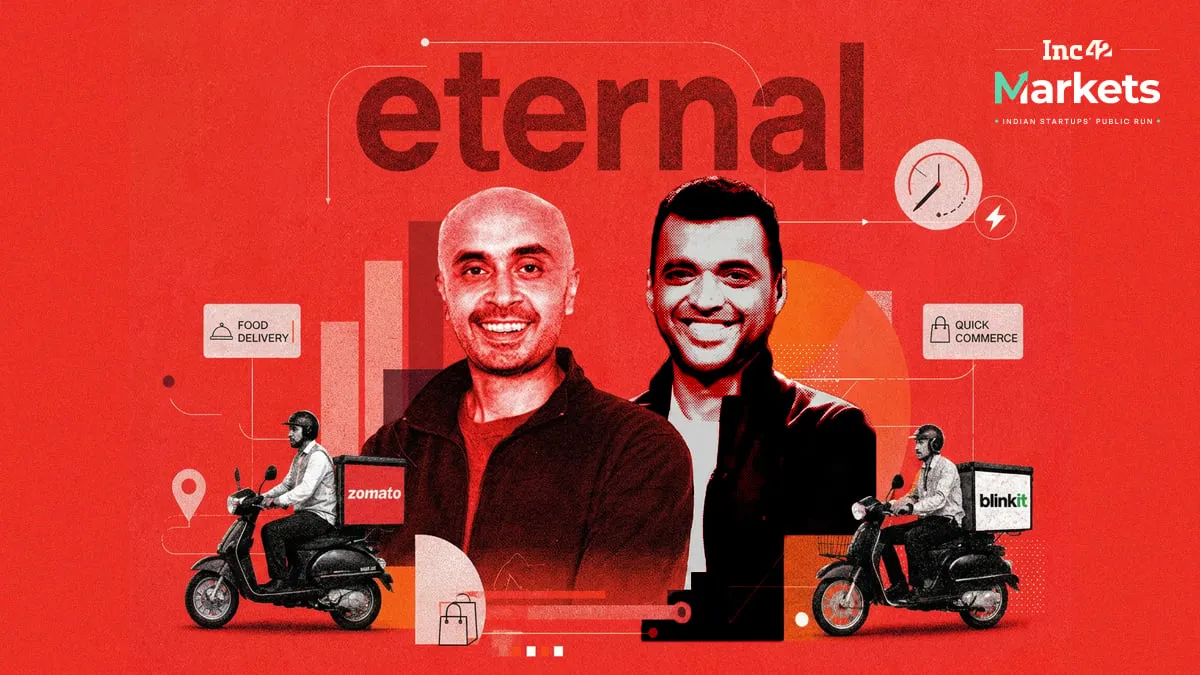
Eternal’s new CEO Albinder Dhindsa inherits a strong-looking Q4 FY26, with profits up 4.5x YoY. But the key red flag is under the headline: without other income, the quarter turns into a loss as expenses spike 185%. The firm’s triple play—Blinkit quick commerce, Zomato delivery, and District going-out—shows scale now, margins later.
Global tech giants are pouring money into AI, pushing capital expenditure to near record levels compared with operating cash flow. But monetisation is still unclear, leaving investors worried about profitability as competition heats up. Jefferies’ Chris Wood says the AI race could become capital intensive, similar to industries where heavy spending doesn’t guarantee early returns.
Stay informed on the go
Bite-sized news from 100+ trusted sources, right in your pocket.
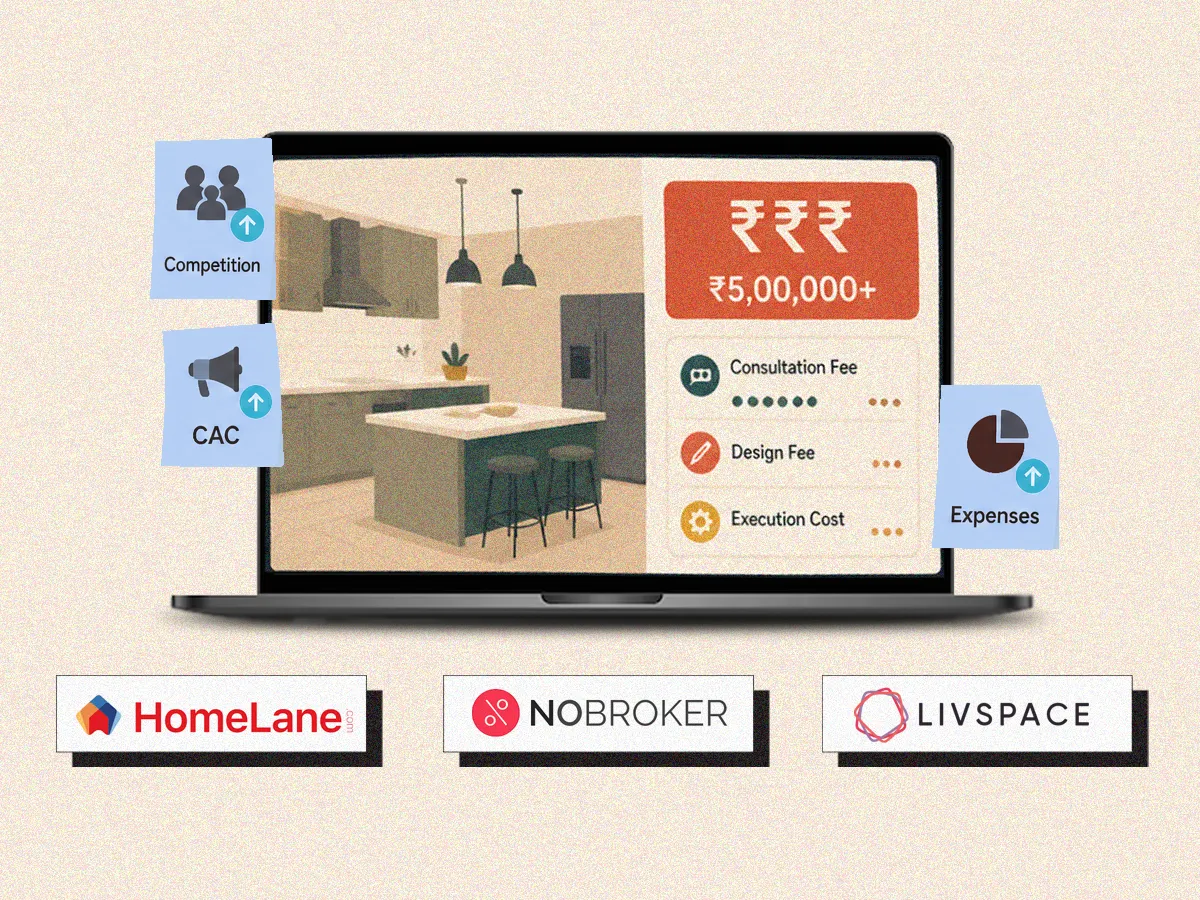
India’s home interior startups are increasingly betting on AI to fight soaring customer acquisition and day-to-day operating costs. Firms such as Homelane and Livspace say AI helps improve designer productivity and streamlines internal workflows, helping them compete more effectively against the unorganized market and move toward profitability.
Smartworks posted strong FY26 results with revenue rising 31% to Rs 1,796 crore, along with its first full year of profitability. The flexible workspace provider became the first listed platform in India to cross 10 million square feet and expanded to 16.1 million square feet across 66 centres. Contracted rental revenue also surged past Rs 5,200 crore.
Swipe through stories, personalise your feed, and save articles for later — all on the app.