Anthropic’s Claude Code product head Cat Wu argues the next phase of AI won’t just respond to prompts—it will act proactively. These systems can understand workflows, anticipate needs, and automate repetitive tasks, reshaping software development and productivity. But Wu stresses that human oversight and decision-making remain essential as AI becomes more autonomous.
Notion has launched a new developer platform that lets teams connect AI agents with external data sources and custom code directly inside their workspace. The move deepens Notion’s push toward “agentic productivity,” where AI does more than answer questions—running workflows tied to the tools and information teams already use.
Your news, in seconds
Get the Beige app — every story in 60 words, updated hourly. Free on iOS & Android.
A central government employees’ association has urged the Centre to issue clear guidelines for work from home and virtual meetings, citing Prime Minister Narendra Modi’s push to cut avoidable spending amid the West Asia crisis. The group says a structured WFH framework can improve productivity while supporting a “green secretariat” agenda.
The Bank of Canada says there is no evidence of widespread job losses from AI so far. Instead of outright elimination, AI is reshaping how tasks are done, with some roles changing while new jobs emerge. Early signals also suggest modest productivity improvements, which could eventually translate into better wages and lower costs for consumers.
A new study suggests AI could contribute more than $500 billion to India’s economy by 2030, driven by business optimism about GDP growth. But adoption remains patchy, with many firms stuck in pilot mode. Hurdles like cloud infrastructure, poor data quality, and a widening skills gap could slow impact. India is also pushing a human-centric AI approach.
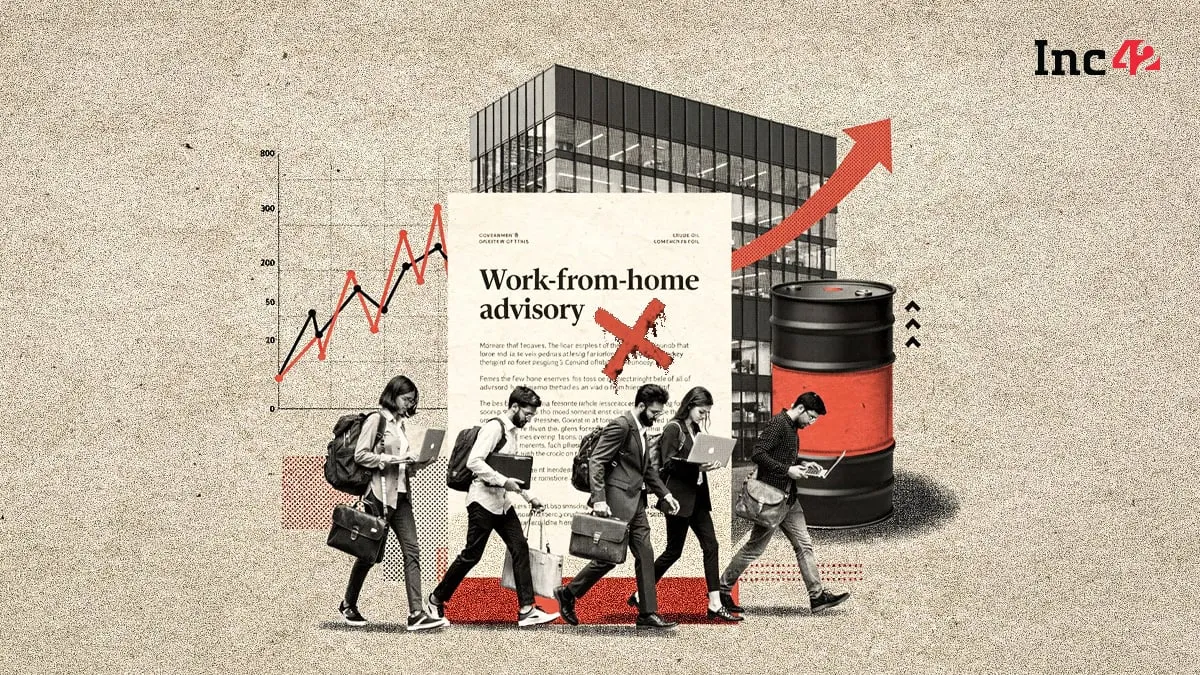
Prime Minister Narendra Modi’s WFH advisory amid West Asia tensions has sparked debate in corporate India, but many Indian startups are holding back. Founders across Delhi NCR, Bengaluru and Mumbai cite pandemic lessons: remote work allegedly slowed execution, complicated collaboration, and made office culture harder to reverse—plus many are stuck with long-term leases.
Never miss a story
Set alerts for the topics and sources you care about. Download Beige for free.
Google is rolling out a new Android feature called Pause Point designed to curb addictive doomscrolling. Instead of letting distracting apps launch immediately, the system can require a brief wait before opening them, creating friction at the exact moment you’d otherwise fall into a scrolling loop. The goal is simple: make “one more app” harder.
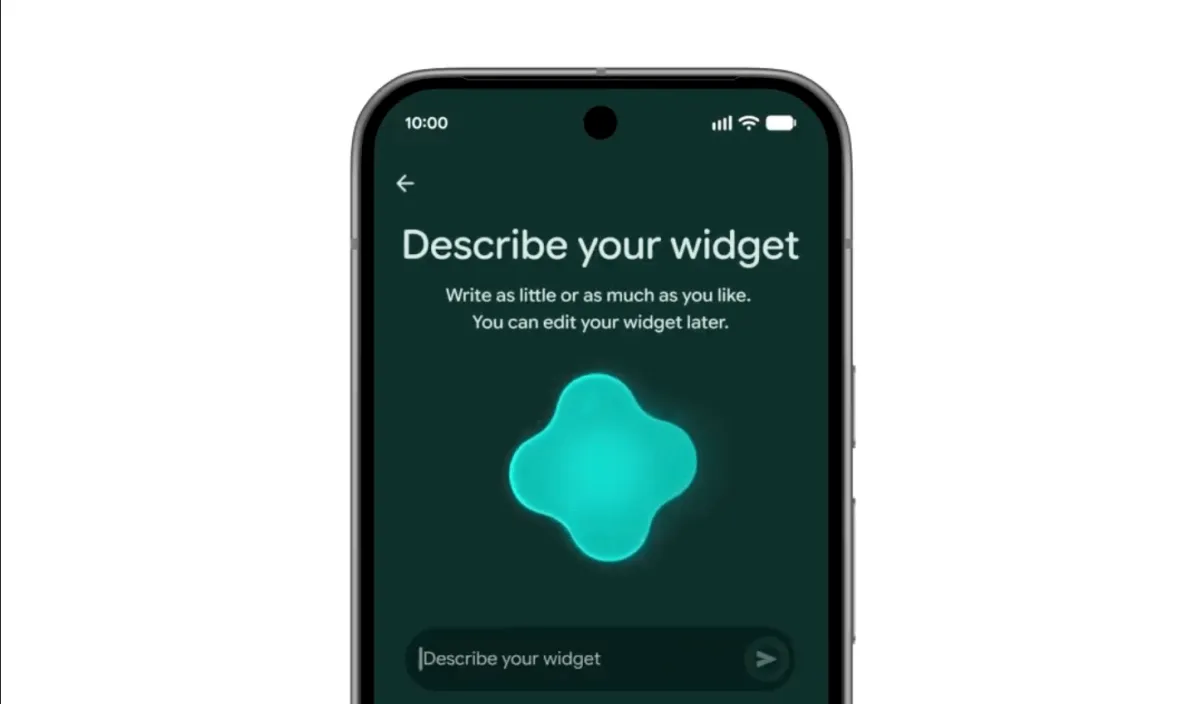
Google is rolling out “Create My Widget,” a new way to design custom home screen widgets directly on your phone. The feature is expected to launch this summer on the latest Samsung Galaxy and Google Pixel devices first. Instead of only choosing from preset options, users will be able to build their own widget experience with a more hands-on creation flow.
A Gurgaon-based founder’s viral LinkedIn post has ignited a heated debate about India’s long-hours work culture. Nistha Tripathi argues that being reachable around the clock doesn’t equal being valuable, after professionals described burnout, late-night calls, and judgment for logging off on time. The post has quickly become a flashpoint for workplace expectations and boundaries.
Indian firms are moving to reduce non-essential domestic and international travel after the Prime Minister urged work from home. Many companies already run hybrid models and are now looking to broaden remote work further. The shift is framed as a proactive way to conserve resources while aligning with national efforts, with travel cuts expected to accelerate across sectors.
Reading on mobile?
Open Beige in the app for a smoother experience — free on iOS and Android.
India has launched a Rs 5,659-crore Mission for Cotton Productivity to reverse declining farm yields, improve seed quality, and cut rising import dependence. The plan leans on technology upgrades, stronger research, and traceability across the cotton chain, aiming to restore the country’s competitiveness and long-term global leadership position.
The Union Cabinet has approved a five-year mission worth Rs 5,659.22 crore to raise India’s cotton productivity. The plan targets key bottlenecks in the cotton sector by funding high-yielding seed development and wider adoption of advanced crop production technologies. The effort is designed to improve cotton yield and quality, supporting farmers’ incomes and strengthening India’s export competitiveness.
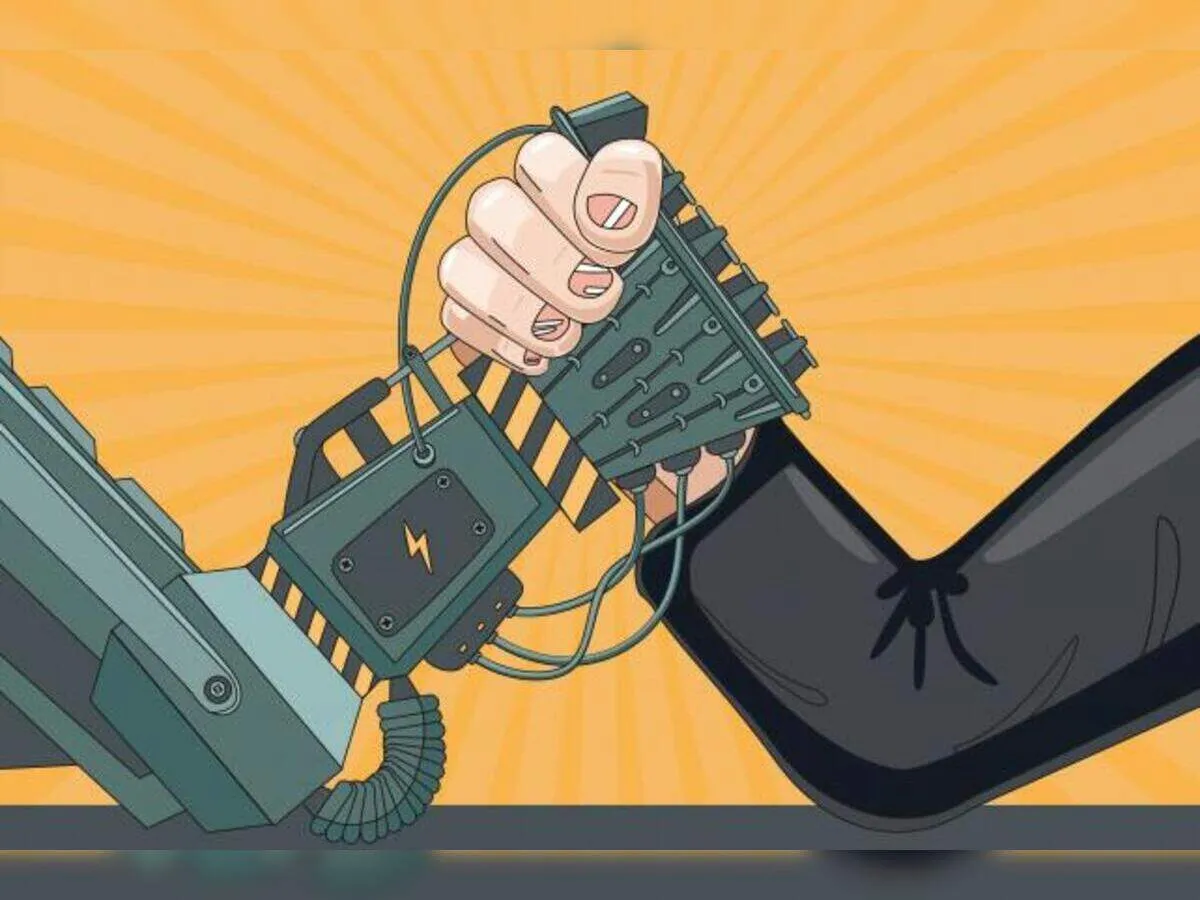
India’s manufacturing sector is moving toward AI for better efficiency and quality, and early adopters are seeing tangible gains. But a new report argues the biggest barrier isn’t the technology—it’s execution. Companies struggle with integration and data readiness, while startups push practical tools to help factories deploy AI effectively. The outlook: human-AI collaboration, not job losses.
Meta CTO Andrew Bosworth says he experiences genuine stress only four or five times a year. Rather than blaming deadlines or workplace conflict, he calls it a signal that his schedule has grown too cluttered to focus on meaningful work. His response is not to push harder, but to reprioritise—backed by exercise, breathing, and intentional family time.
Follow your favourite sources
Track sources, tags and categories — all in the Beige app.
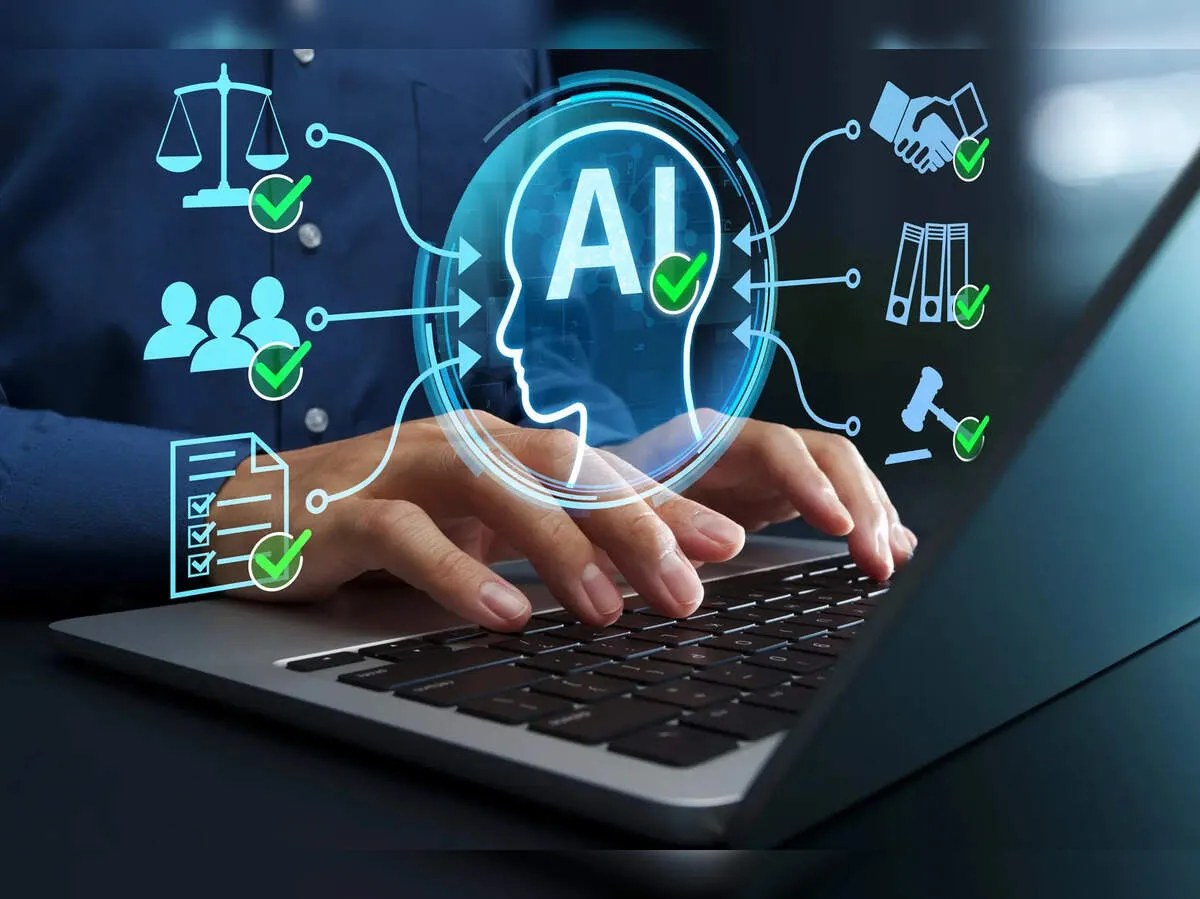
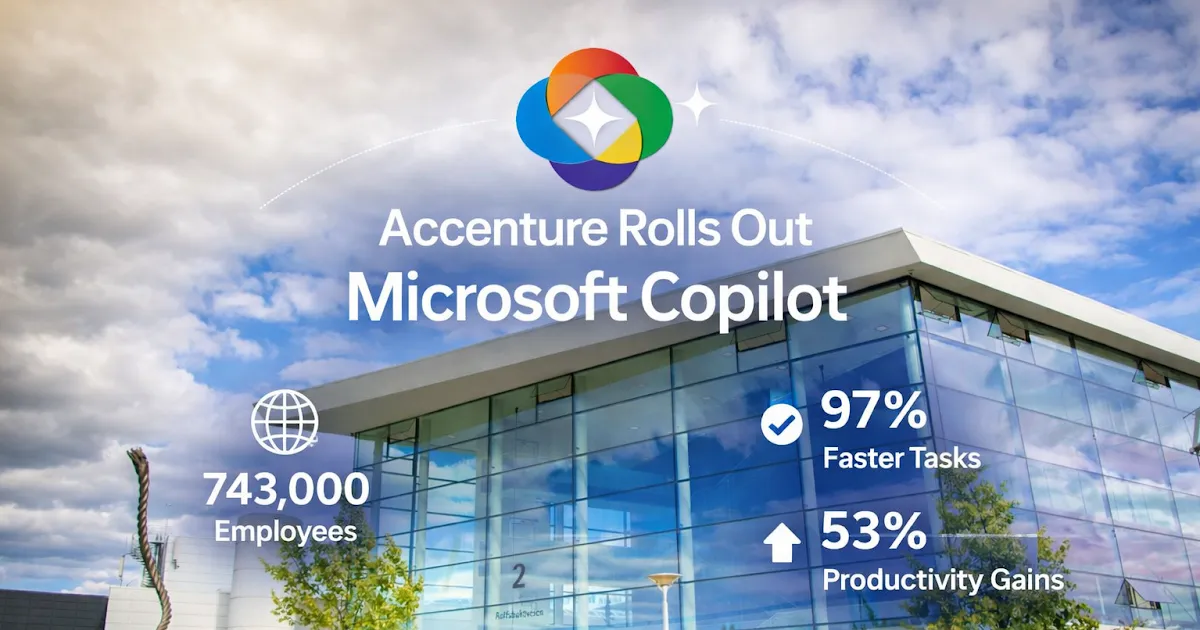
Accenture has deployed Microsoft Copilot to its entire global workforce of about 743,000 employees, calling it the biggest enterprise AI rollout to date. The company reports that 97% of surveyed employees finish routine tasks faster, while 53% cite meaningful productivity improvements. Copilot is built into Microsoft apps like Word, Excel, Outlook, Teams, and SharePoint, with pilot usage climbing to 89% monthly active.
India’s top IT services firms are reporting higher revenue per employee, a sign that AI and automation are improving productivity across major players like TCS, Infosys, HCLTech, and Tech Mahindra. The results point to a shift away from pure headcount-based delivery toward efficiency and value creation—potentially reshaping how growth is measured in the sector.
An IMF working paper says Indias digitalisation of public administration has raised productivity in MSMEs, with the biggest gains in states that rolled out more reforms. The study credits simpler digital systems for reducing compliance costs, improving transparency, and enabling faster growth for smaller firms—while also helping narrow productivity differences across the country.
India’s leading IT firms are rewriting hiring playbooks by cutting mid-tier roles while expanding AI-enabled entry-level recruitment. The shift is designed to control costs, boost efficiency, and drive productivity, with companies tracking higher revenue per employee. Analysts say this could reshape careers and competition across the sector as AI becomes the default workplace skill.
Stay informed on the go
Bite-sized news from 100+ trusted sources, right in your pocket.
Accenture is rolling out Microsoft’s Copilot 365 AI assistant to all 743,000 employees, marking the largest enterprise deal for the chatbot. The company says workers are completing routine tasks much faster, reporting meaningful productivity gains. Microsoft, meanwhile, is expected to use the deal to expand its paying user base for AI services across enterprises.
New research finds firms with women in leadership tend to perform better, with female managers more accurately spotting and promoting talent—improving productivity. But the expected fade of discrimination doesn’t show up. Even in wealthy countries, persistent gender gaps and workplace conventions continue to limit women’s rise into top roles.
Swipe through stories, personalise your feed, and save articles for later — all on the app.