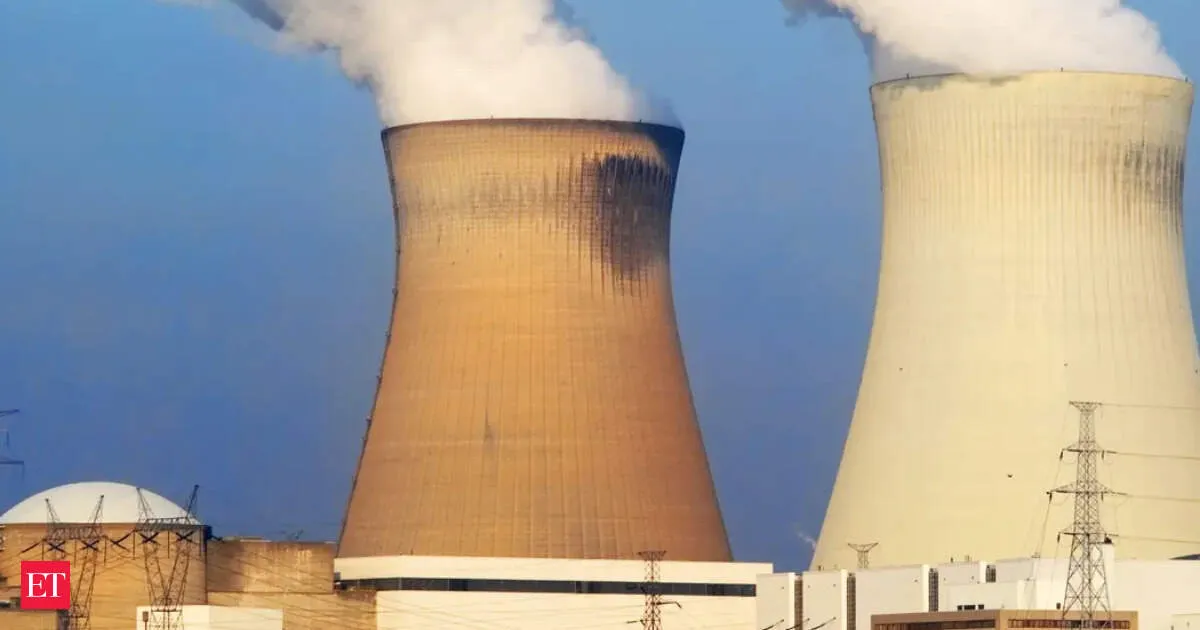
US Energy Secretary Chris Wright briefed a 20-member delegation of senior executives from the American nuclear industry ahead of their visit to India next week. The group will explore civil nuclear cooperation after New Delhi opened the sector to private players through the SHANTI law, replacing older frameworks and easing tougher liability concerns that had deterred global suppliers. The delegation will meet government and private leaders, focusing on joint projects, small modular reactors, and other areas of collaboration.
India’s AMCA fifth-generation stealth fighter programme is moving into a pivotal stage, with the government expected to issue an RFP next month. The bid invitation will go to three shortlisted, private sector-led consortia, marking a notable shift toward involving industry more directly in advanced defence manufacturing and accelerating the programme’s path forward.
Your news, in seconds
Get the Beige app — every story in 60 words, updated hourly. Free on iOS & Android.
Minister Jitendra Singh says India’s newly launched Research, Development and Innovation Fund is drawing strong interest from private players. Backed by Prime Minister Narendra Modi, the scheme targets high-risk, high-impact breakthroughs, with companies funding 50% of projects. More than 200 proposals are currently being assessed, pointing to growing momentum toward national self-reliance and economic security.
A year after Operation Sindoor, India’s defense industry is doubling down on its atmanirbhar ecosystem, with private firms urging faster adoption of indigenous technologies. Companies point to proven success of homegrown systems during the operation and argue that deeper collaboration is essential to strengthen sovereign communications and improve defense solutions.
Global development banks are stepping up coordination to help countries face intensifying economic uncertainty. By combining funds, expertise and risk-management tools, they plan to deliver faster support for immediate pressures while strengthening long-term resilience. The push will prioritize protecting vulnerable populations and accelerating private sector growth, jobs and sustainable development.
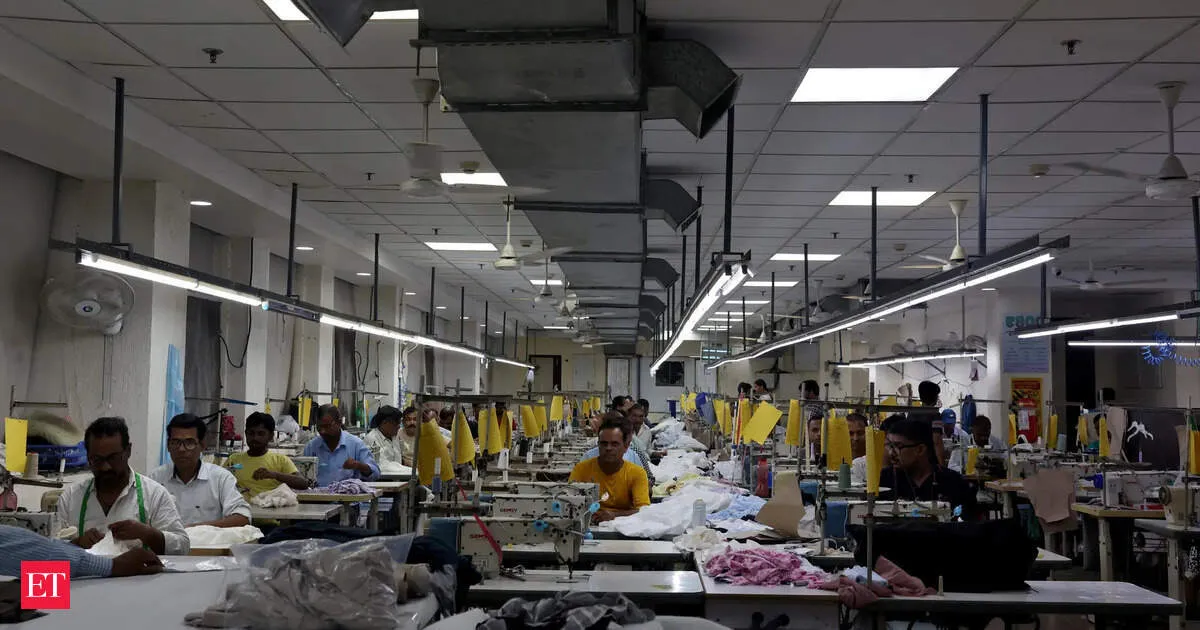
India’s private sector activity expanded in April, with both manufacturing and services rebounding strongly, according to PMI data. The uptick came even as firms faced higher costs linked to the Middle East conflict and oil shock. Domestic demand stayed resilient, companies increased stockpiling, and employment improved, signaling confidence despite global risks.
Never miss a story
Set alerts for the topics and sources you care about. Download Beige for free.
India’s private sector picked up momentum in April, led by manufacturing with stronger output and new orders. Companies expanded capacity, invested in technology, and even built buffer stocks to soften supply-chain uncertainty. Employment growth rose as well. Fuel and raw-material costs increased, but businesses remained confident about future output growth.
Adani Power has formed a new company, Rawatbhata-Raj Atomic Energy, to broaden its nuclear power push. The firm is a wholly owned subsidiary of Adani Atomic Energy Ltd, underscoring the group’s long-term commitment to atomic energy. The move adds to India’s expanding nuclear capacity, with private players increasingly taking a role in generation plans.
India’s private sector growth accelerated in April, with the HSBC Flash Composite PMI rising to 58.3 as manufacturing and services rebounded from the previous month. Despite war-driven concerns and fuel disruptions linked to the Hormuz region, hiring surged to a 10-month high. Price pressures eased only partially, while confidence slipped as firms weighed near-term uncertainty.
Swipe through stories, personalise your feed, and save articles for later — all on the app.