India’s government is flagging a stubborn gap in private investment. Firms are sitting on large cash piles rather than expanding production, a pattern blamed on weak consumer demand, export headwinds, and policy constraints. Economists argue the next push must focus on faster real wage growth and shielding households from imported inflation to unlock spending and investment.
India’s Ministry of Road Transport and Highways has widened access to build-operate-transfer (BOT) highway projects, allowing large institutional investors to bid. The move is intended to deepen private participation in highway development. Previously, such funds largely focused on toll-operate-transfer (TOT) deals, but eased eligibility rules are designed to pull more capital into BOT infrastructure.
Your news, in seconds
Get the Beige app — every story in 60 words, updated hourly. Free on iOS & Android.
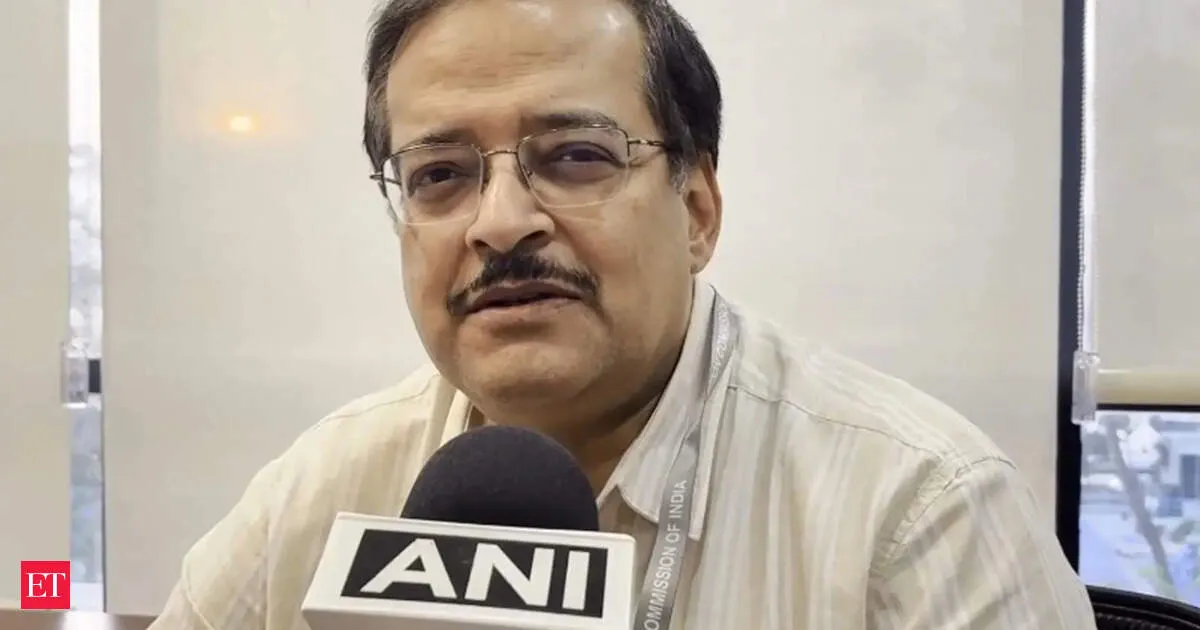
West Bengal’s new government under Chief Minister Suvendu Adhikari is laying out a bid to reverse the state’s decline and rank among India’s top states within five years. Adviser Subrata Gupta points to job creation via education reform, stronger private investment and talent retention, while also confronting the ongoing debt burden that constrains growth.
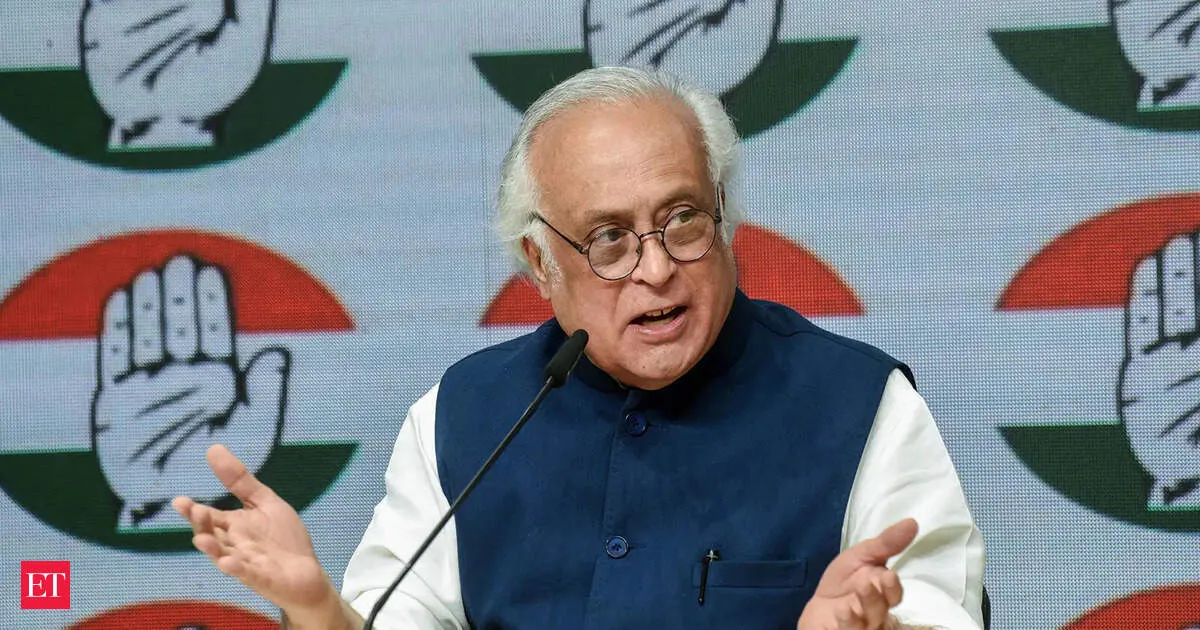
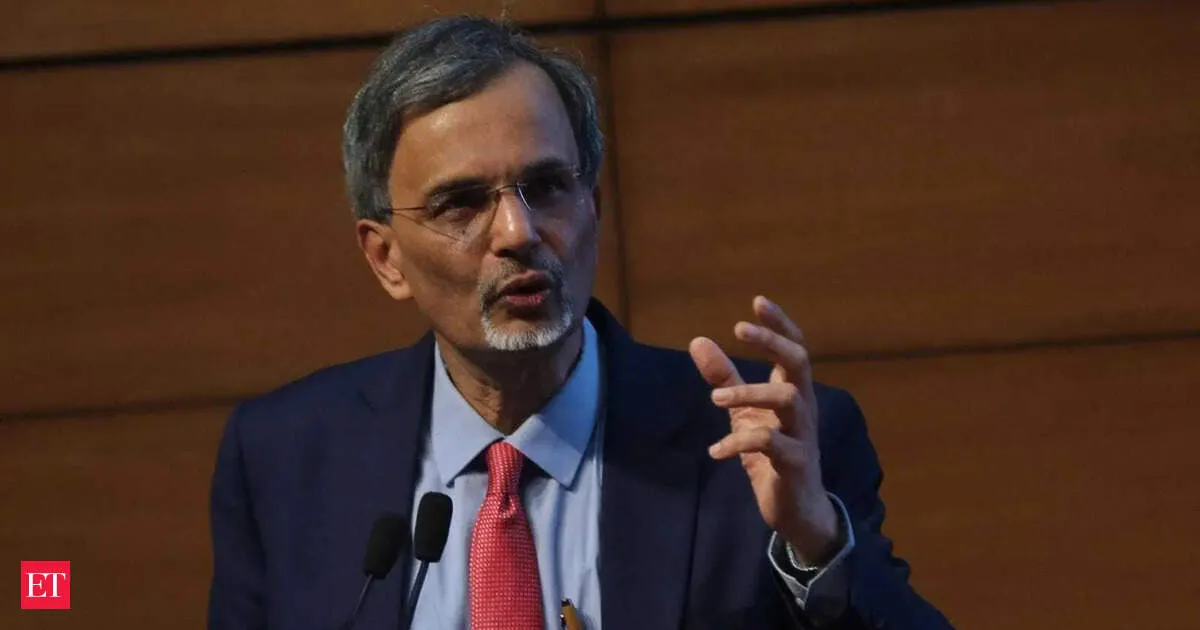
Congress hit out at the Modi government, saying private corporate investment remains sluggish as consumer demand weakens from stagnant real wages and concerns grow about a “raid raj” driven by ED, CBI and IT actions. Chief Economic Adviser V Anantha Nageswaran pointed out that while big firms’ profits have surged post COVID, private capital formation is still disappointing, urging deeper reflection on investment reluctance.
Chief Economic Adviser V Anantha Nageswaran says India’s biggest companies boosted profits after Covid, yet investment spending lagged. He warns firms kept cash rather than putting it into real assets, leaving the public sector to carry growth. With EV momentum rising, he calls for faster private capex to expand domestic opportunities and help narrow trade deficits.
India’s renewed nuclear power push is taking a sharper turn as marquee private players come aboard. Unlike earlier efforts that leaned heavily on state-led execution, the new phase is drawing big-ticket private capital. The shift could accelerate project timelines, alter financing structures, and reshape how nuclear capacity is planned and delivered in the years ahead.
Never miss a story
Set alerts for the topics and sources you care about. Download Beige for free.
India’s push to revive nuclear power using private capital is colliding with a dispute between state-run NPCIL and private players. A 90-page rulebook has become the flashpoint, with private firms alleging the framework tilts toward control rather than partnership, raising fresh questions over the path to faster projects.
US investor Lachy Groom is reportedly in talks to invest $15–20 million in Pronto, an instant househelp startup. The proposed round values Pronto at $200 million, a figure that has reportedly doubled since its last funding in March. The surge reflects rising investor appetite for rapid-growth services startups.
India’s Chandrayaan-3 becoming the first mission to land on the Moon’s south pole is now being seen as a game changer for private investment. The landmark touchdown reportedly came at about 30% of the typical cost, strengthening confidence in India’s launch and mission ecosystem and encouraging more commercial players to bet on space ventures.
Swipe through stories, personalise your feed, and save articles for later — all on the app.