OpenAI is facing a US class-action lawsuit accusing the company of secretly embedding tracking technology on ChatGPT. The complaint alleges users’ private conversations and personal details were automatically transmitted to Meta and Google without their knowledge. The plaintiffs are seeking injunctive relief and statutory damages of ₹5,000 per violation under California Penal Code Section 637.2.
India is leading globally in Meta AI monthly active users on WhatsApp, with AI chat activity spiking after the Muse Spark launch. Now WhatsApp is rolling out an “incognito mode” for AI chats, aiming to protect personal data by not using those conversations for model training—raising questions about what gets learned and improved.
Your news, in seconds
Get the Beige app — every story in 60 words, updated hourly. Free on iOS & Android.
India is developing Dhruva, a username-based digital addressing system led by India Post. If approved by the finance ministry, it would let people receive parcels, food, and services without sharing physical addresses, boosting privacy. The platform is designed to standardize delivery addressing nationwide, drawing inspiration from Aadhaar and UPI for wide-scale adoption.
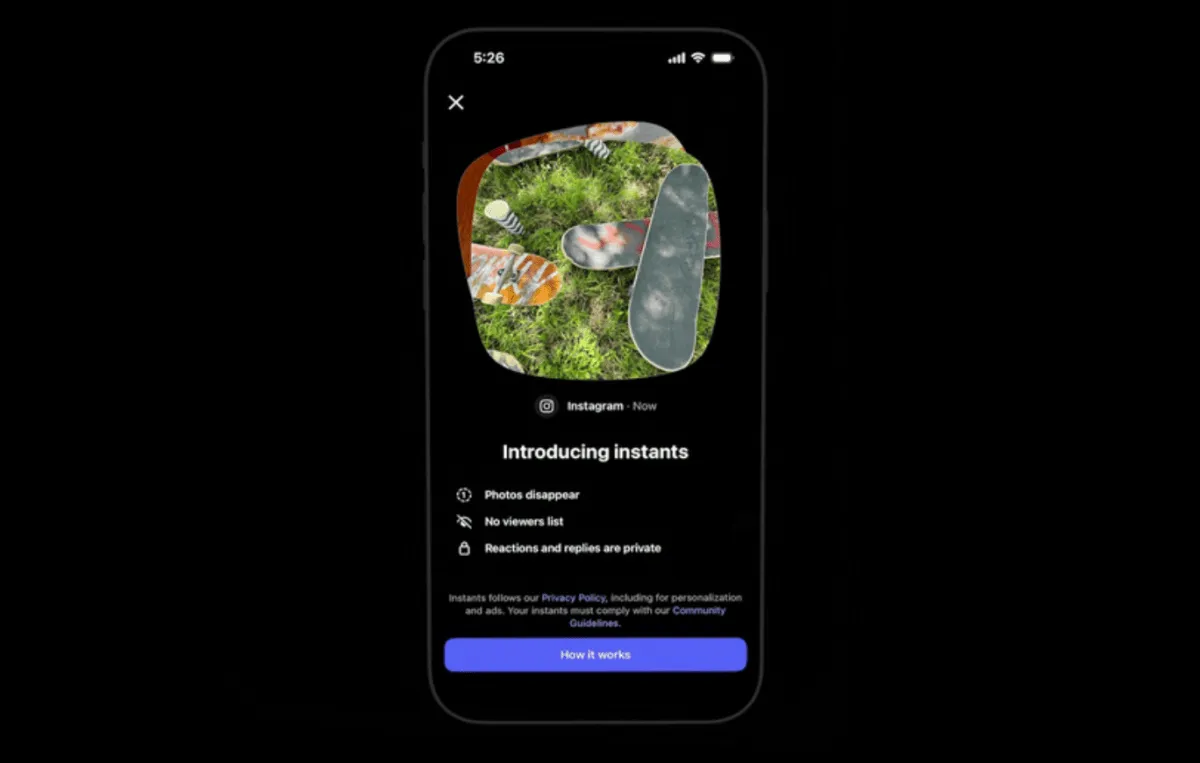
Instagram is rolling out a new feature called Instants that borrows from Snapchat’s ephemeral vibe and BeReal’s prompt-like feel. Users can share disappearing photos to Close Friends or mutual followers. Viewers can open the image only once, while the post remains accessible in the chat for up to 24 hours, adding urgency without going fully transient.
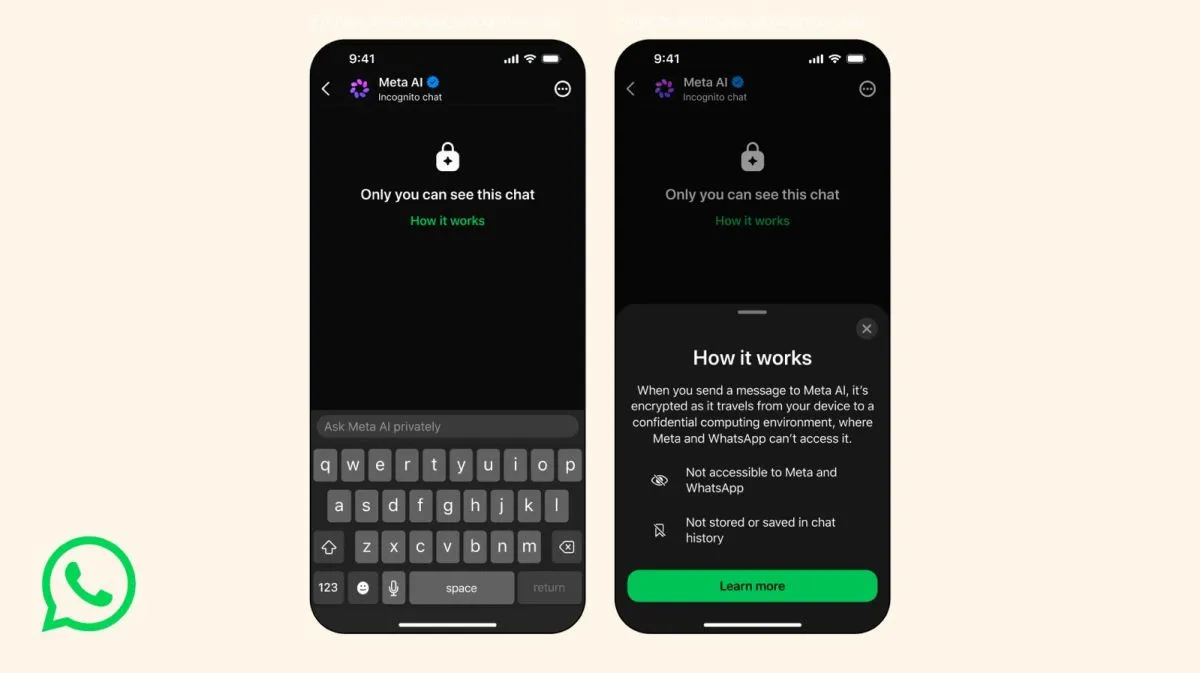
Meta is rolling out Incognito Chat for its AI assistant on WhatsApp, designed to tackle privacy concerns. The feature keeps conversations private by not saving them, and messages are set to disappear by default. Meta says this lets users explore ideas without monitoring—while adding that Meta AI will soon offer private help inside any WhatsApp chat.
WhatsApp is adding an incognito option to chats with Meta AI. Meta says these conversations aren’t saved, and messages will disappear by default once you close the chat. The move is aimed at giving users more privacy in AI-assisted discussions without affecting their normal WhatsApp message history.
Never miss a story
Set alerts for the topics and sources you care about. Download Beige for free.
Apple has criticized proposed EU antitrust measures aimed at helping AI rivals access Google services. The company warns that forcing such interoperability could threaten user privacy, security, and safety, while also risking device integrity and performance. Apple further disputes the regulator’s technical competence, arguing that redesigning operating systems could have unintended consequences.
Meta employees in the US are protesting the rollout of mouse-tracking software across company offices. Staff circulated flyers urging colleagues to sign a petition, arguing the technology crosses lines on workplace surveillance. Meta says the tracking is needed to develop AI agents, while employees point to labour laws that protect their right to organise for better working conditions.
Community Bank disclosed a cybersecurity incident after customer information was shared with an AI app. The exposed data included customers’ names, dates of birth, and Social Security numbers. The bank, serving Pennsylvania, Ohio, and West Virginia, says it discovered and reported the issue as it investigates potential impact and works to secure systems going forward.
TikTok has launched an ad-free subscription plan in the UK, letting subscribers browse without seeing ads. The company also says it will not use their data for advertising purposes, aiming to separate personal activity from ad targeting. The move tests whether users will pay to avoid ads and whether regulators and privacy expectations are reshaping social platforms’ revenue models.
Reading on mobile?
Open Beige in the app for a smoother experience — free on iOS and Android.
Apple has released iOS 26.5 for iPhone users, adding end to end encrypted RCS messaging support in beta alongside smarter Apple Maps recommendations. The update also introduces a new dynamic Pride wallpaper and includes additional behind the scenes improvements. Apple appears to be tightening privacy and personalization ahead of its expected iOS 27 reveal at WWDC 2026 next month.
Texas Attorney General Ken Paxton has filed a lawsuit against Netflix, accusing the streaming platform of spying on children and consumers. The state alleges Netflix collected user data without consent and misrepresented its data collection practices for years. Netflix is also accused of designing its service to be addictive, raising fresh regulatory scrutiny over platform behavior and privacy.
An Indian woman turned down a work-from-home offer after the hiring company demanded all-day webcam access and frequent screenshots every 10 minutes. Her viral question, “Hiring humans or robots?”, has sparked a wider debate on workplace surveillance, trust, and whether remote work is becoming as invasive and stressful as office monitoring—or worse.
Meta says it will stop supporting end to end encrypted chats on Instagram from May 2026, citing low adoption and regulatory pressure. While WhatsApp will continue encryption by default, Instagram users will lose a key privacy layer that many relied on for private conversations. The change reignites the debate over how tech companies balance safety demands with user privacy.
Follow your favourite sources
Track sources, tags and categories — all in the Beige app.
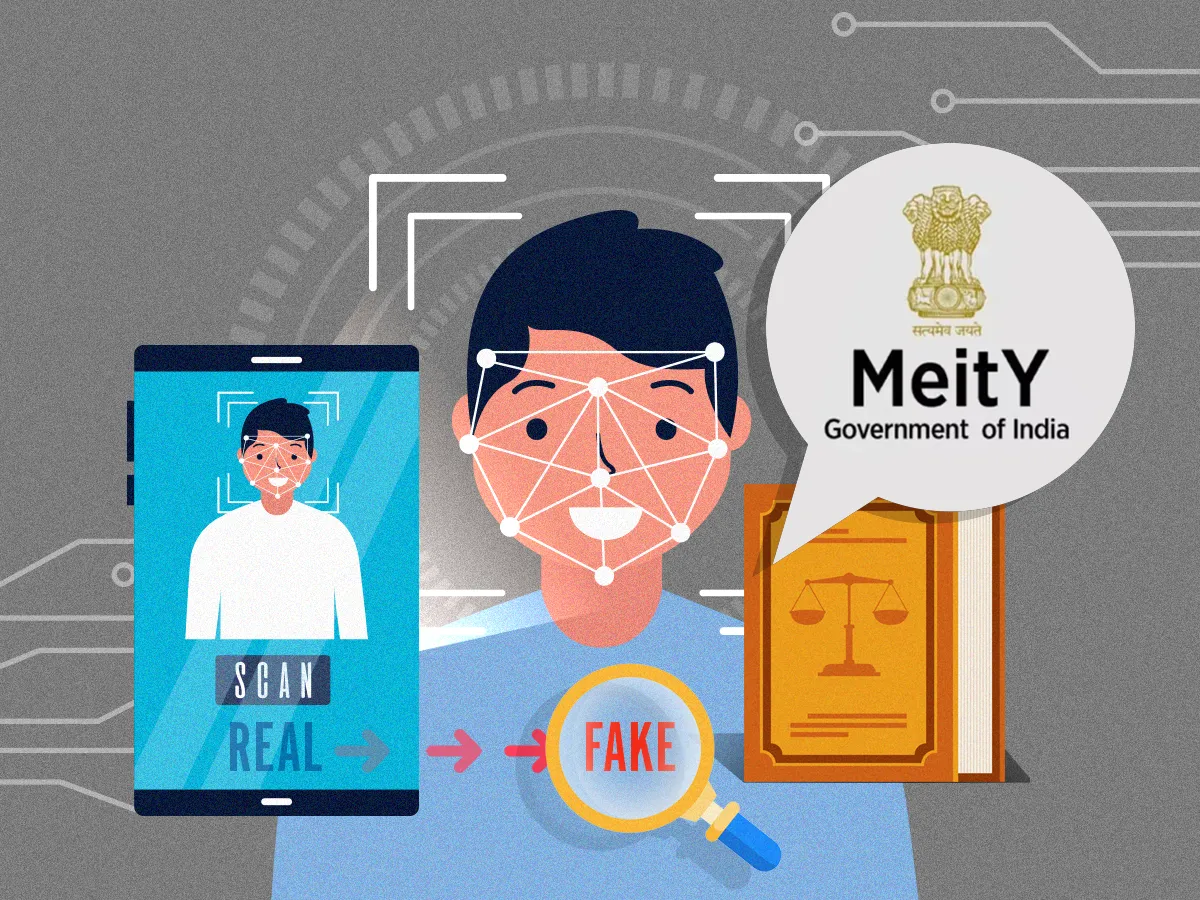
Social media platforms are now required to remove non-consensual intimate imagery within two hours of a complaint, down from a previous 24-hour deadline. The change is driven by updated IT rules and covers content such as deepfakes and material targeting women and children. Officials say most cases comply, but false positives and cross-jurisdiction reviews can slow timelines.
General Motors has reached a driver privacy settlement in California, agreeing to pay $12.75 million to a group of law enforcement agencies led by Attorney General Rob Bonta. The case centers on alleged privacy violations involving how vehicle-related data was handled, with the settlement resolving claims without an admission of wrongdoing reported by the parties.
The US government is reported to be close to a roughly $400 million settlement with TikTok over alleged violations of child privacy laws. The claims say TikTok collected children’s data without parental consent. Reports also suggest the money may be directed toward President Trump’s beautification efforts in Washington, adding political controversy to the legal outcome.
A RedAccess study finds 380,000 publicly accessible assets built with vibe coding tools, with around 5,000 containing sensitive corporate data. Verified examples include unredacted customer chats, medical trial listings, incident response records, and exposed bank information. The issue stems from platform defaults that publish apps unless manually secured, turning shadow AI into a production risk layer.
Stay informed on the go
Bite-sized news from 100+ trusted sources, right in your pocket.
Allegations say hackers accessed around 275 million student records through the Canvas platform, rattling schools and universities across multiple countries. Students and staff reportedly feared exposure of private messages, academic details, emails, and personal data. Experts caution this may be far bigger than a typical school cyber incident and are closely watching whether the breach timeline extends beyond the initial attack.
Apple and Meta are contesting Canada’s Bill C-22, saying it could compel them to undermine device and service encryption. Law enforcement argues the measure would improve investigative access, but the companies warn it may effectively mandate backdoors or enable government spyware, risking long-term harm to everyday users’ security and privacy.
Swipe through stories, personalise your feed, and save articles for later — all on the app.