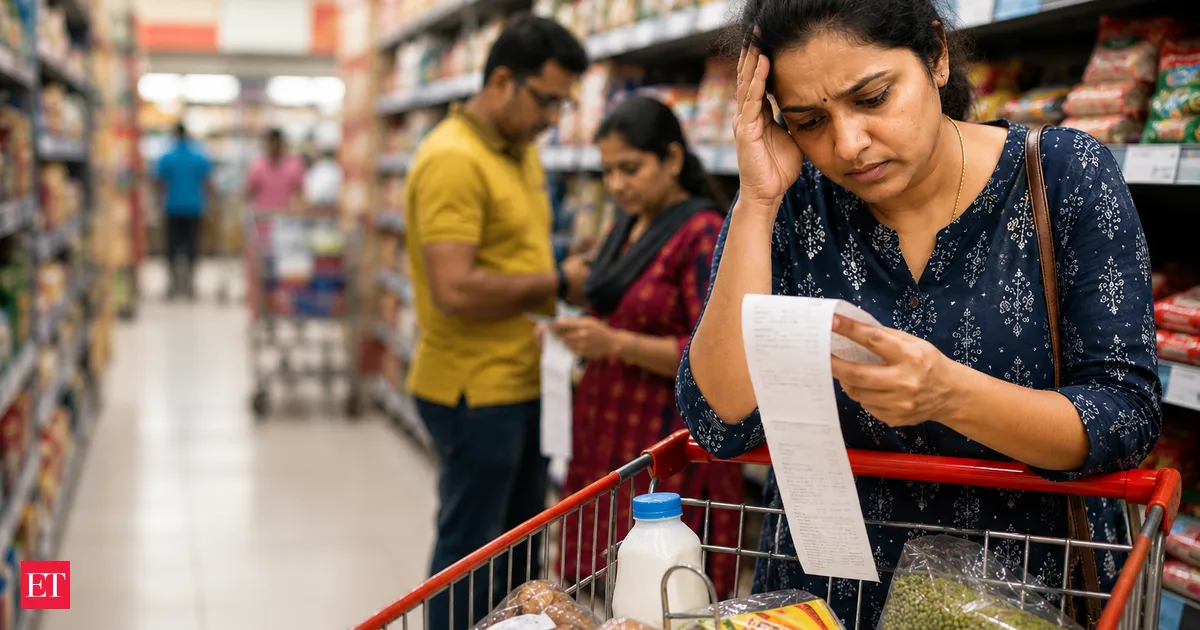
FMCG companies are preparing calibrated price increases for everyday products like soaps, detergents, biscuits, and packaged foods and beverages. The move is driven by crude oil-linked inflation, rising packaging costs, and higher fuel expenses, which together are pushing up operating costs. Consumers can expect more costlier labels as brands attempt to pass on pressures gradually.
Dabur India expects further price hikes in Q1 FY27, citing persistent inflationary pressure, especially on packaging materials linked to Middle East tensions. The company has already implemented a 4% increase. Other FMCG players like HUL are also seeing higher component and packaging costs, suggesting margins could stay under strain even as demand shows signs of recovery.
Your news, in seconds
Get the Beige app — every story in 60 words, updated hourly. Free on iOS & Android.
Britannia Industries shares fell over 4% after Q4 net profit rose 21%, as the company warned of impending biscuit price hikes. While investors expected good news, management pointed to input cost inflation and supply chain disruptions linked to West Asia conflict. Brokerages largely kept neutral views, reflecting uncertainty over cost pass-through and demand.
Hindustan Unilever (HUL) delivered its fastest sales growth in three years, rising 7% in the March quarter as demand stayed steady and supportive measures helped. But the company cautioned that the Iran war is lifting crude oil-linked commodity costs, which could force new price hikes despite healthy momentum.
India’s smartphone shipments fell 3% year-on-year in Q1 2026, landing at a six-year low as manufacturers grappled with cost pressures and consumers faced price hikes. Analysts warn the downturn could deepen in the coming quarters. Vivo continues to lead the market, while Google is the fastest-growing premium brand, gaining momentum from AI-backed features.
Swipe through stories, personalise your feed, and save articles for later — all on the app.