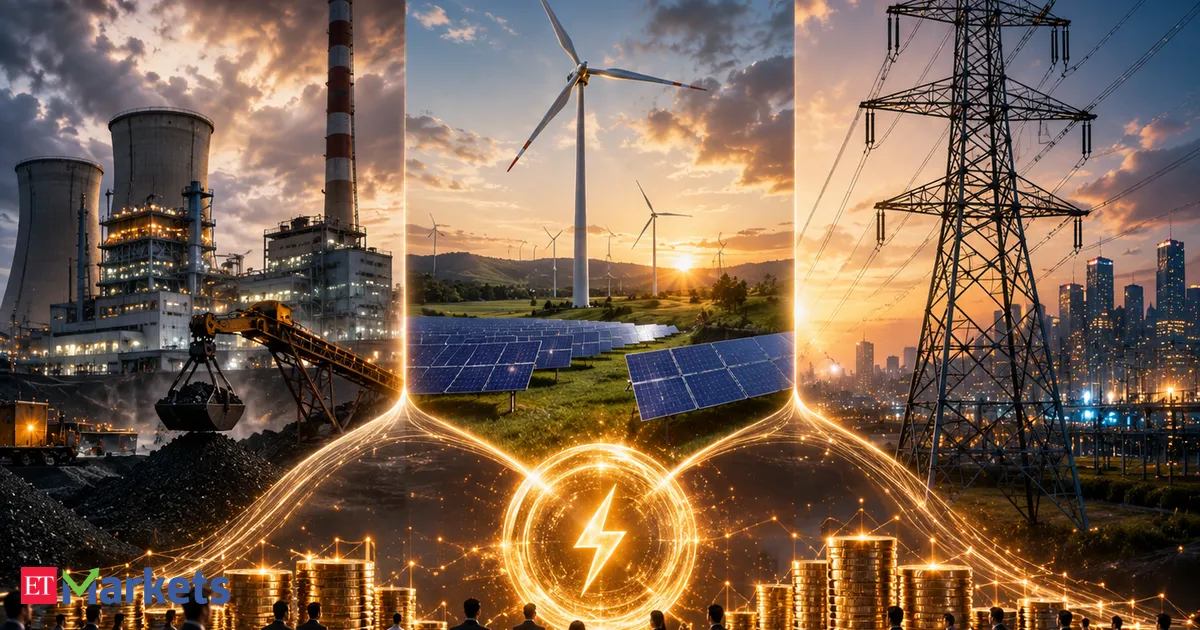
Indian mutual funds are sharply increasing holdings in Adani Power, Adani Green Energy, and Adani Energy Solutions, signaling a shift from short-term, high-volatility trading to a long-duration bet on India’s electrification cycle. Shareholding data through March 2026 shows MF ownership rising sharply across the trio. Fund managers point to contracted-capacity cash flows—where over 70% of EBITDA comes from contracted revenue—and to visible earnings from power, renewables, transmission, and grid-heavy demand driven by data centres, EVs, and manufacturing.
Power Finance Corp’s FY26 Q4 profit rose 24% to Rs 6,325 crore, driven by higher interest income, improved fee income, and a reversal in impairment provisions. Lower credit costs and steady growth in core lending supported profitability even as finance costs increased, highlighting resilience in the state-run power sector lender’s earnings momentum.
Your news, in seconds
Get the Beige app — every story in 60 words, updated hourly. Free on iOS & Android.
Uttar Pradesh has flipped its electricity narrative, moving from long blackouts to near round-the-clock supply that can meet record demand. The shift is credited to sustained infrastructure investment, governance reforms, and rapid renewable energy expansion. The result: a state increasingly seen as a blueprint for energy transformation and faster economic growth.
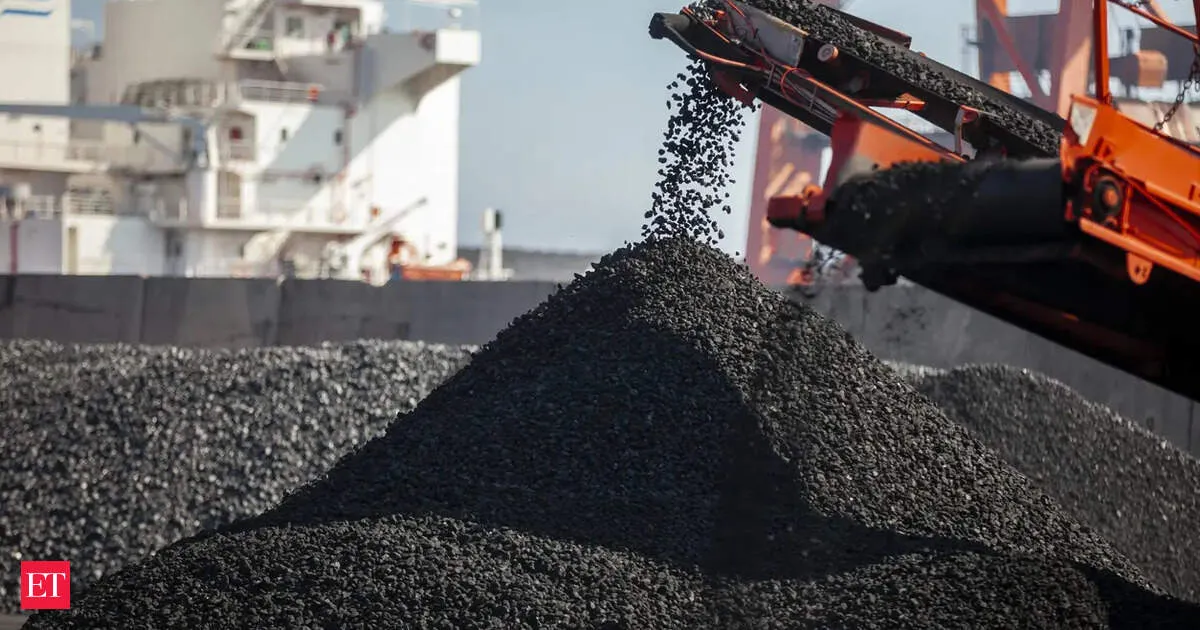
Coal India Limited offered 30.5 million tonnes in April coal auctions, down about 6% from March. The move comes as West Asia tensions keep global energy prices elevated and power plants lean on coal for energy security. CIL also plans to let buyers from Bangladesh, Bhutan, and Nepal participate directly in auctions starting January 1, 2026.
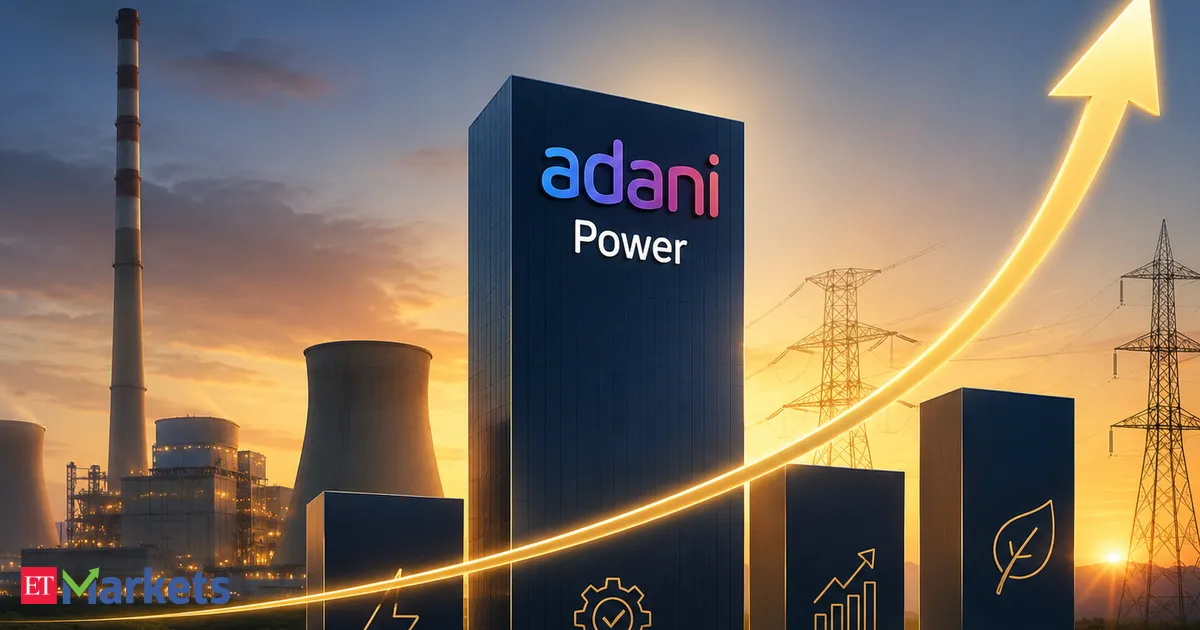
Adani Power has surged nearly 50% in 2026 to become India’s most valuable listed power company, overtaking NTPC. Investors point to stronger earnings, rising electricity demand, high plant load factors, new tariff-backed power purchase agreements, and growing institutional ownership. The rally looks like a re-rating story, though valuation and downside risks still linger.
India’s power sector is set for sustained growth, with Citi projecting a 5–6% CAGR in the medium term. The bullish outlook is driven by electrification demand and rising load from data centers and cooling, alongside manufacturing expansion. Citi flags the start of India’s first multi-vector capex upcycle covering thermal, renewables, transmission and grid storage.
Never miss a story
Set alerts for the topics and sources you care about. Download Beige for free.
India’s earnings season is pointing to a recovery that is real, but not dramatic. FMCG is getting a rural demand lift, yet growth remains modest. PSU banks have cleaner balance sheets, but net interest margins are under quiet pressure. Power and EMS demand stays strong, though profit durability may hinge on raw material costs and intensifying competition.
India’s power ministry plans to push a ₹20,000 crore carbon capture scheme to the Cabinet, with approval expected by July. The program targets emission cuts from major sectors including power, steel, and cement, aiming to accelerate decarbonisation while keeping pace with growing energy demand. If cleared, it could reshape how high-emitting industries reduce their footprint.
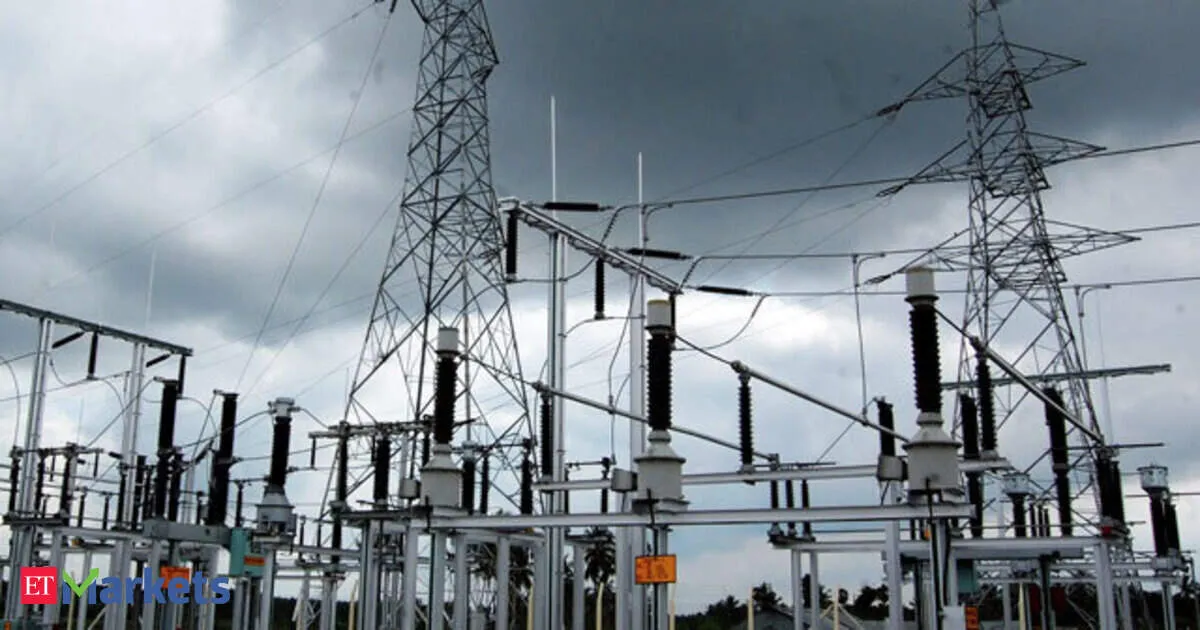
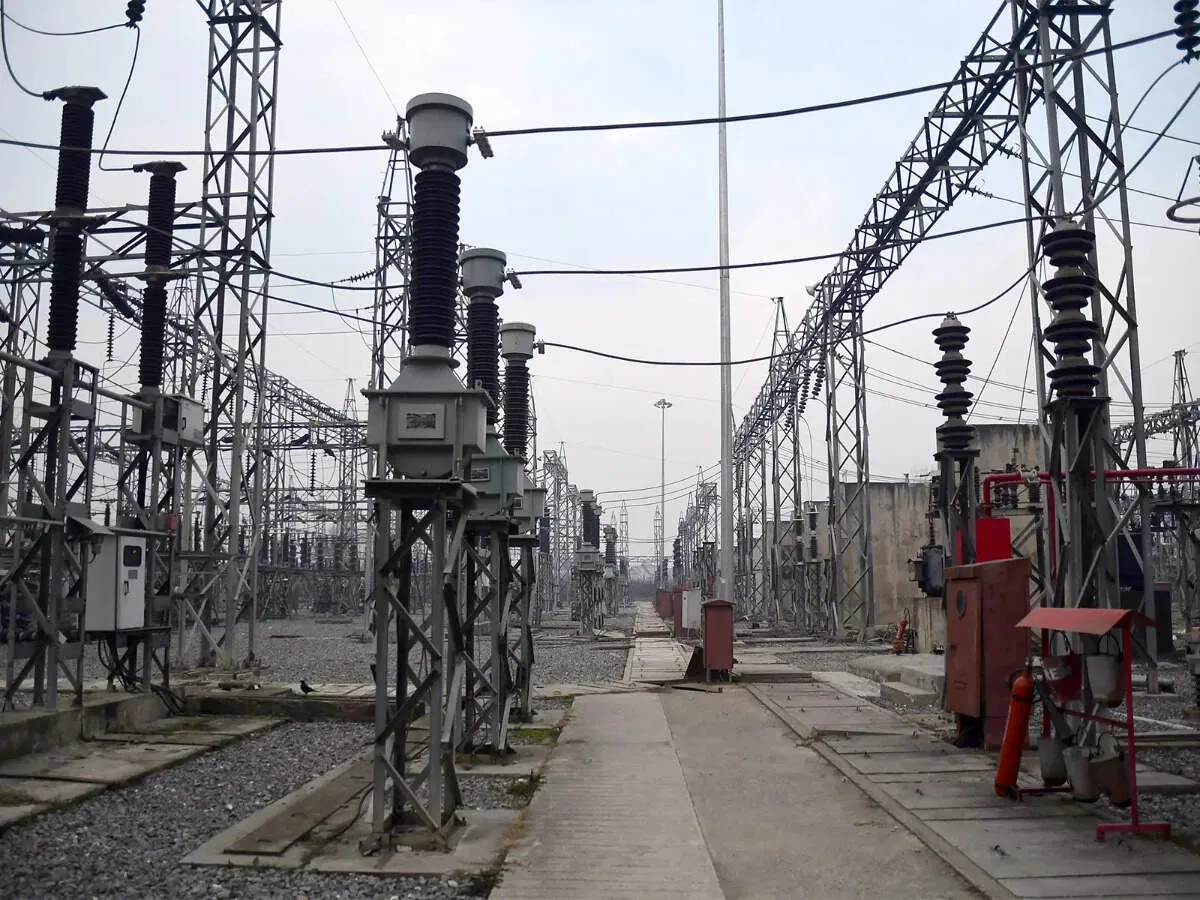
India’s Ministry of Power has updated its Make in India localisation rules for the power sector, outlining a phased approach for HVDC substations. The plan is designed to raise local content gradually, aiming for 60% Indian-made components by 2035. Officials say the shift creates a transition period to help domestic manufacturers expand capacity and compete in supply chains.
Adani Power and Tata Power shares jumped, hitting fresh 52-week highs as India’s heatwave pushes expectations of stronger electricity demand. With regions warning of extreme temperatures up to 45°C, analysts say a likely strong El Niño could further lift cooling-related consumption. The stocks have soared as much as 48% in a month, reflecting bullish demand bets.
Reading on mobile?
Open Beige in the app for a smoother experience — free on iOS and Android.
Maharashtra’s cabinet has approved a financial restructuring plan for state-owned power distribution firm Mahavitaran that will split it into two entities. One entity is slated for listing on stock exchanges after an IPO is launched within six to nine months of completing the recast process, marking a major shift in the state’s power-sector strategy.
India’s Draft Electricity (Amendment) Bill, 2025 is pitched as a reboot for efficiency and competition. But critics warn the structure could realign risks and costs toward consumers, turning “power for profit” into a quiet tariff shift. The question: will discoms get a breather—or will households quietly foot the bill?
With the Nifty index sliding in March, Indian mutual funds stepped up buying, believing valuations have reset to better levels. Flows tilted toward banks and financial companies, while power sector stocks also attracted more interest—signaling a shift toward domestic growth themes. At the same time, worries over global conflicts appear to be shaping risk appetite and stock selection.
Bharat Coking Coal Ltd, a Coal India subsidiary, has introduced a new scheme to push power companies to lift more coal and reduce their costs. The plan prioritises higher offtake, especially through rail, to support reliable electricity supply and India’s energy self-reliance. Incentives will be awarded based on actual coal lifted against quarterly targets.
Follow your favourite sources
Track sources, tags and categories — all in the Beige app.
Himachal Pradesh has approved engaging more than 2,600 youth in the Himachal Pradesh State Electricity Board Limited to tackle a shortage of field personnel. Of the total, 1,602 will be hired as Bijli Upbhogta Mitras and 1,000 as T-Mates. The move is intended to strengthen on-ground power services across the state.
Swipe through stories, personalise your feed, and save articles for later — all on the app.