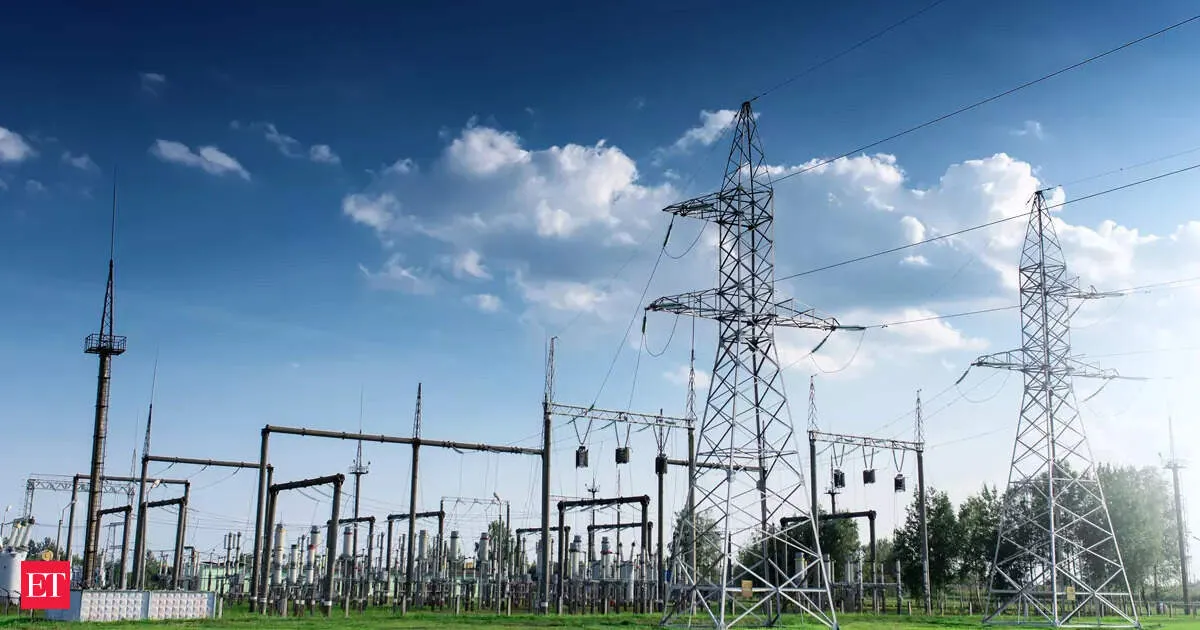
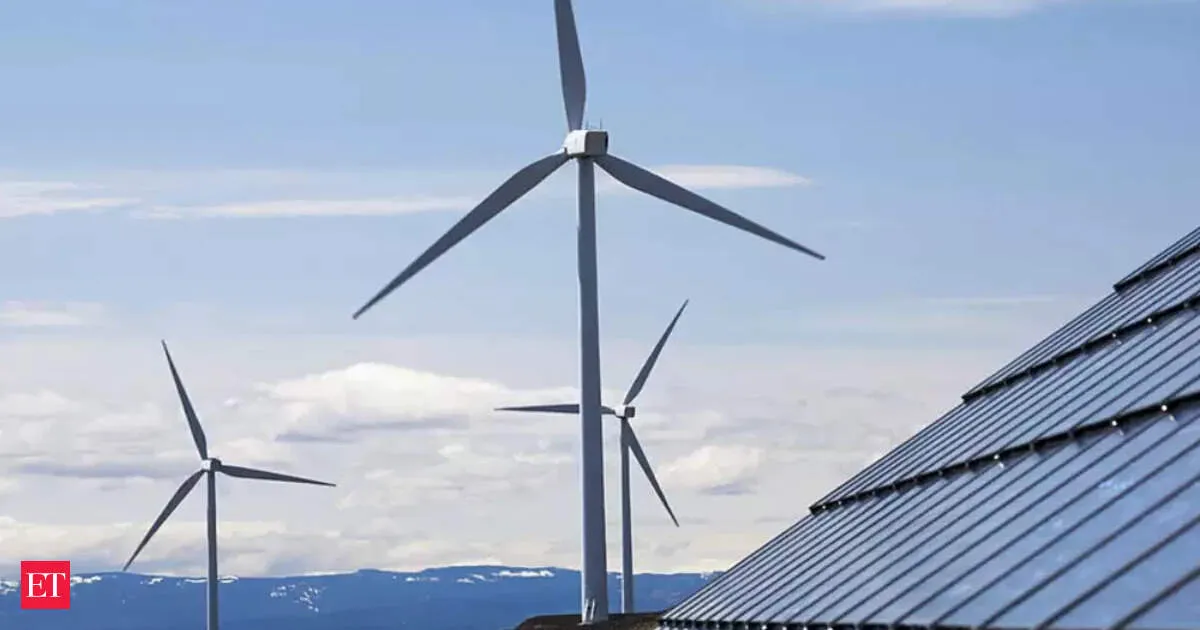
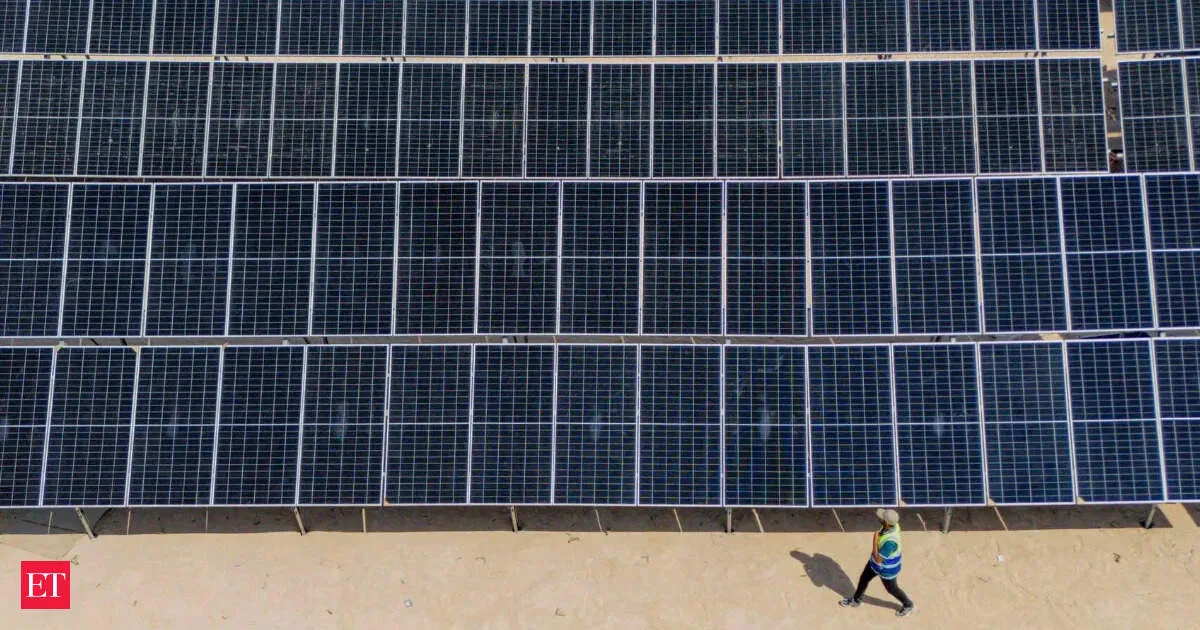
India held an inter ministerial meeting focused on speeding up battery storage rollout and grid upgrades. Officials discussed boosting transmission capacity and exploring variable time of day pricing, with the goal of expanding renewable energy adoption while improving grid stability. The talks aim to translate policy levers into faster deployment of technologies that balance fluctuating power supply.
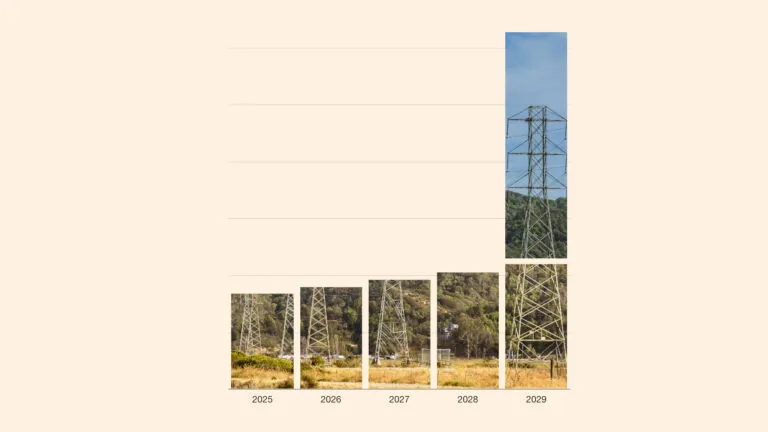
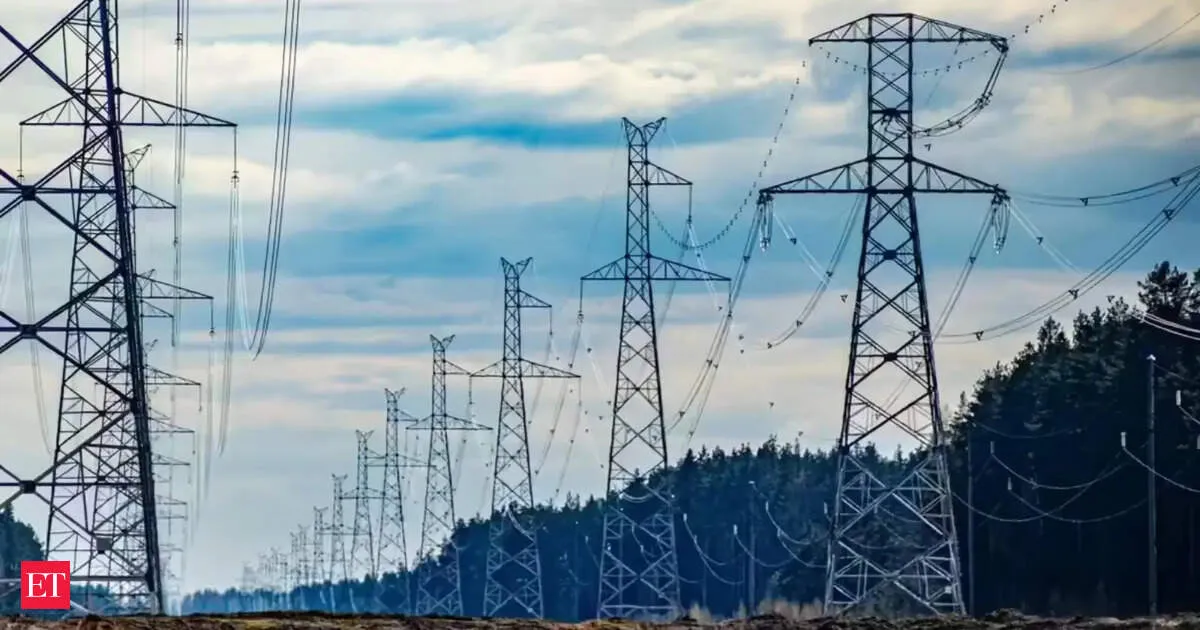
India is targeting 1,800 GW of renewable energy by 2050, but officials say it will only work with a “super grid” approach modeled on China. The government’s plan includes spending about $574 billion by 2030 on high-voltage transmission lines. Policymakers are also pushing states to secure equipment and storage to smoothly integrate more renewable power and reduce evacuation delays.
Your news, in seconds
Get the Beige app — every story in 60 words, updated hourly. Free on iOS & Android.
PJM Interconnection, which manages the largest U.S. power grid serving major data center growth, says it needs an overhaul to handle rapidly rising electricity demand driven by AI. But the plan is drawing mixed reactions, with some questioning whether the regulator can adapt fast enough and how changes will be delivered under mounting pressure.
India’s worsening heatwaves are driving power demand to record highs, putting pressure on the grid during peak hours. Renewable energy is increasingly covering parts of that spike, but limited storage capacity and weak grid flexibility threaten reliability. The result: meeting demand during extreme heat depends not just on more renewables, but faster, scalable storage and smarter grids.
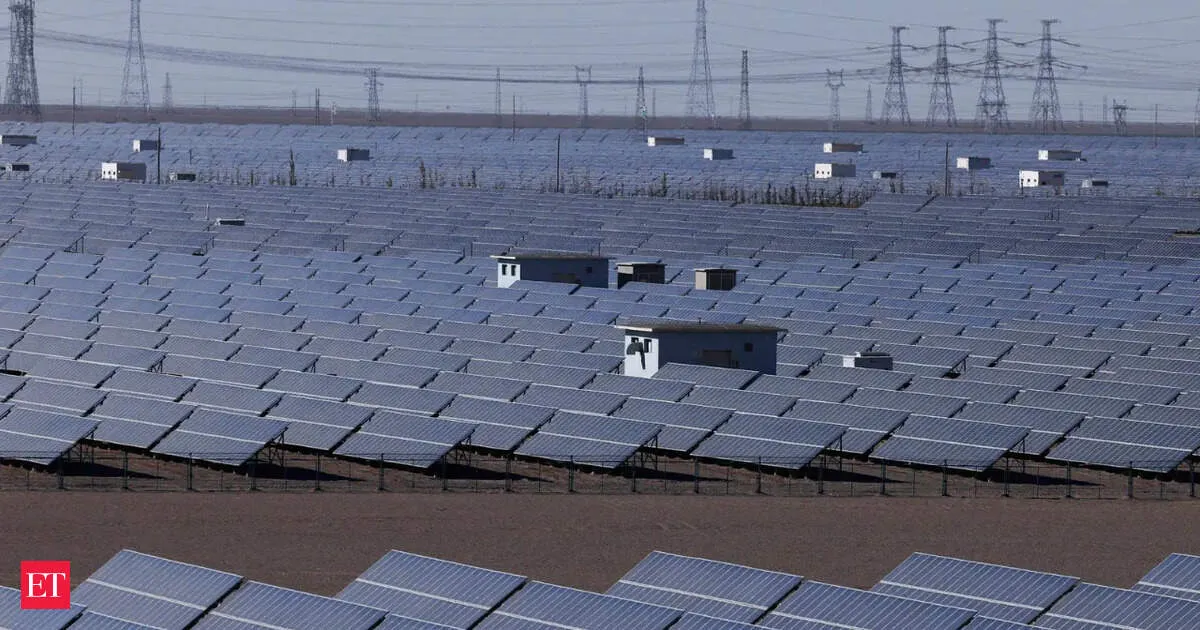
India’s strained power grid is increasingly unable to absorb surplus solar, forcing ReNew Energy Global Plc to curtail generation. The resulting power-wastage is already hitting earnings, even as the company ramps up battery storage to better match supply and demand. Rising costs tied to global disruptions are adding pressure, reshaping how future solar projects are planned.
India faces an intense summer as persistent heat waves push power grids to the brink. With demand rising and energy shortages widening, warmer temperatures are degrading night-time electricity availability—triggering blackouts and disruptions. Authorities also warn that El Nino could intensify stress during the monsoon, raising outage risks even beyond summer.
Never miss a story
Set alerts for the topics and sources you care about. Download Beige for free.
Bangladesh is set to begin loading uranium fuel on Tuesday for its first nuclear power station, the Rooppur plant. The 2,400 MW facility aims to relieve an overstretched power grid, with about 300 MW hoped to be generated early by August and full production targeted for late 2027. Construction started in 2017 for a roughly $11 billion project.
A Karnataka court has temporarily stopped new, stricter penalties for solar and wind producers that deviate from scheduled grid supply. Industry groups challenged the rules, saying they were introduced without sufficient public consultation and failed to account for weather-driven variability in renewable generation. The order keeps the older penalty regime in place until the next hearing.
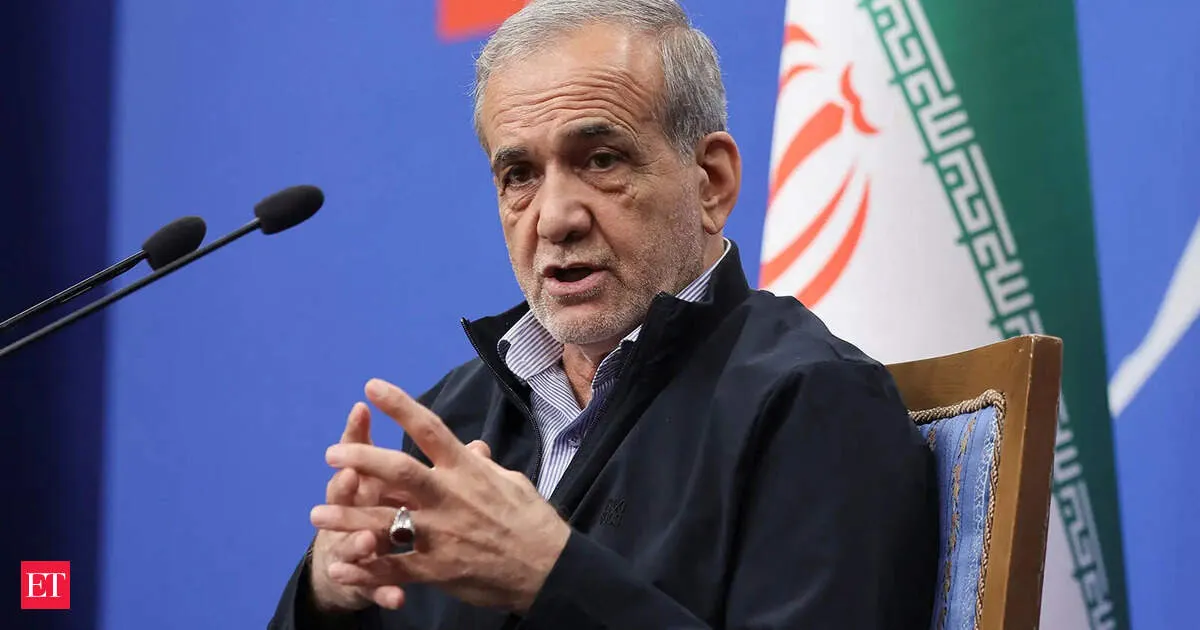
Iranian President Masoud Pezeshkian urged citizens to cut electricity use, warning that while power supply is currently adequate, future problems could emerge. He blamed external efforts by the US and Israel for public dissatisfaction and called for simple conservation measures. The push comes as Iran struggles with aging power infrastructure and sanctions that affect its electricity grid.
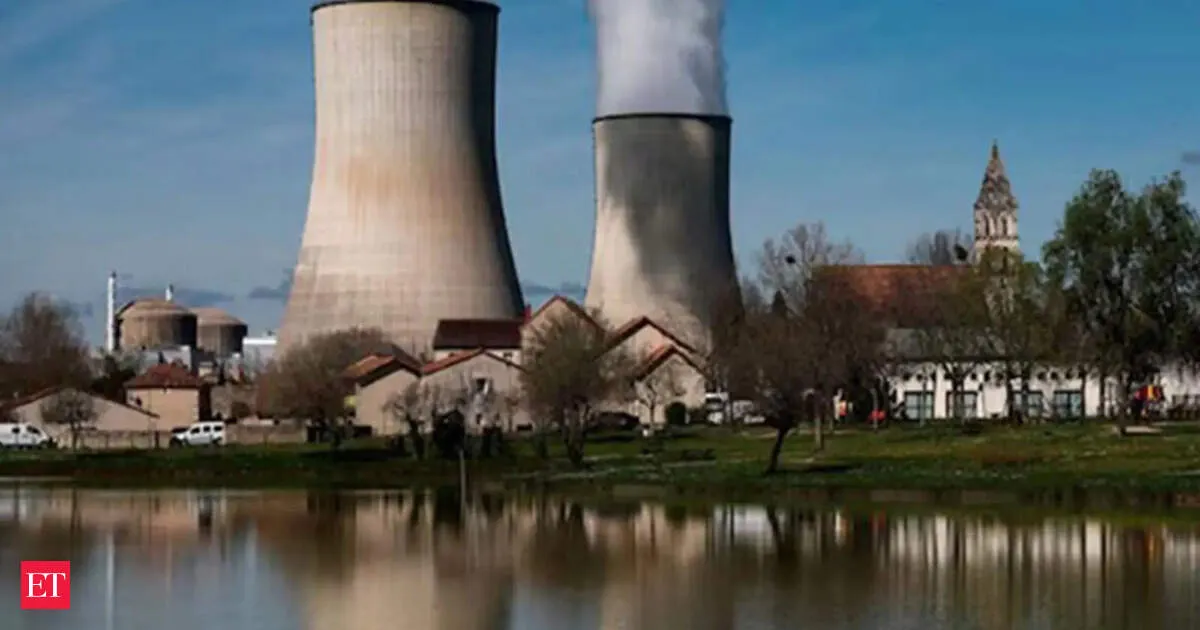
China is reportedly preparing to build up to 50 nuclear reactors simultaneously, aiming to expand low-carbon power and cut reliance on fossil fuels. The country already runs 60 reactors and has more under construction, with nuclear capacity projected to climb toward 200 GW by 2040 as its technology advances quickly.
Reading on mobile?
Open Beige in the app for a smoother experience — free on iOS and Android.
Google and Meta are reportedly building large data centres in Vizag, but questions are rising over whether the local power grid can handle the load. As hyperscale demand approaches, planners and utilities must align upgrades, timelines, and capacity—before growth turns into grid strain and costly delays for everyone involved.
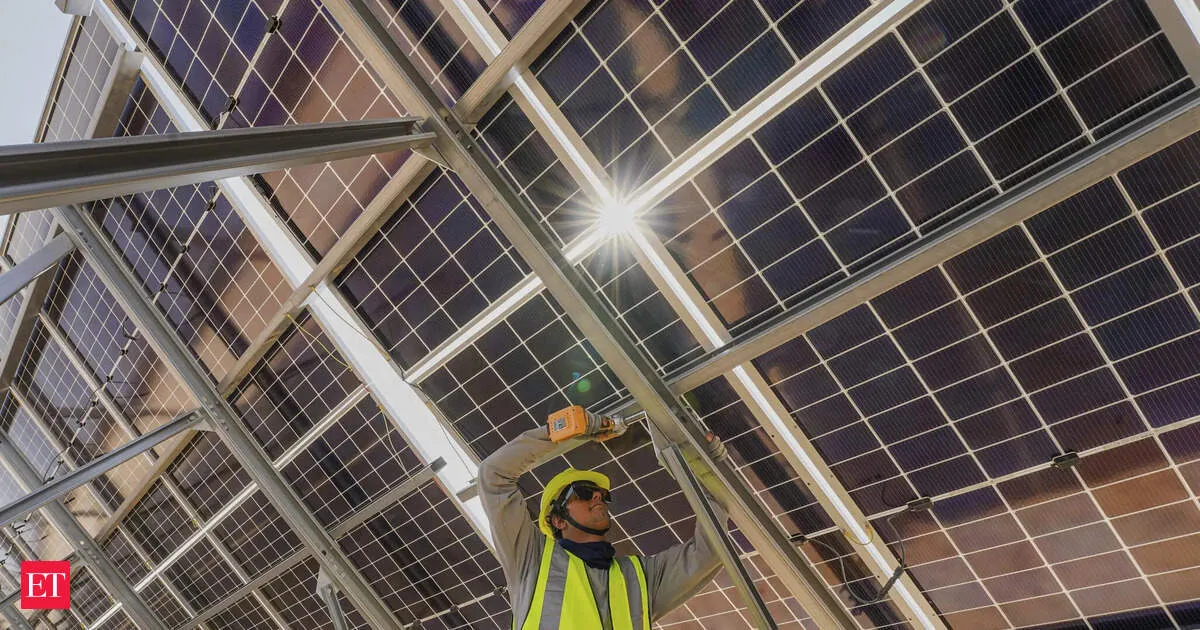
SAEL Industries has begun operations of a 600 MW solar power plant in Kurnool, Andhra Pradesh. The project will feed electricity into India’s national grid for 25 years and is built with more than 12 lakh solar modules. By enabling large-scale clean power generation, it is expected to significantly cut carbon emissions while expanding SAEL’s operational capacity.
India’s renewable ambitions are running into grid bottlenecks as Power Grid Corporation of India (PGCIL) faces delays in building transmission lines. Land acquisition and other execution hurdles are pushing projects back, hurting profits and dampening stock performance. To tackle the slowdown, PGCIL is rolling out a major capital expenditure programme aimed at speeding up infrastructure buildout.
Swipe through stories, personalise your feed, and save articles for later — all on the app.