Adani Group’s green-powered data center investments are reshaping how investors view its energy businesses, turning them into India’s AI infrastructure proxy. As plans for AI-ready capacity expand alongside rapidly rising electricity demand, Adani’s energy stocks have outperformed the broader market. The result is a new trade narrative that links power generation to the AI boom.
ICRA expects India’s power demand to grow 5.0–5.5% in FY27, driven by industrial, commercial, agricultural and household consumption. New demand pockets from electric vehicles and data centers are also set to play a role, while thermal plant usage is expected to remain stable. But distribution companies may struggle with high debt and limited tariff increases, pressuring profitability.
Your news, in seconds
Get the Beige app — every story in 60 words, updated hourly. Free on iOS & Android.
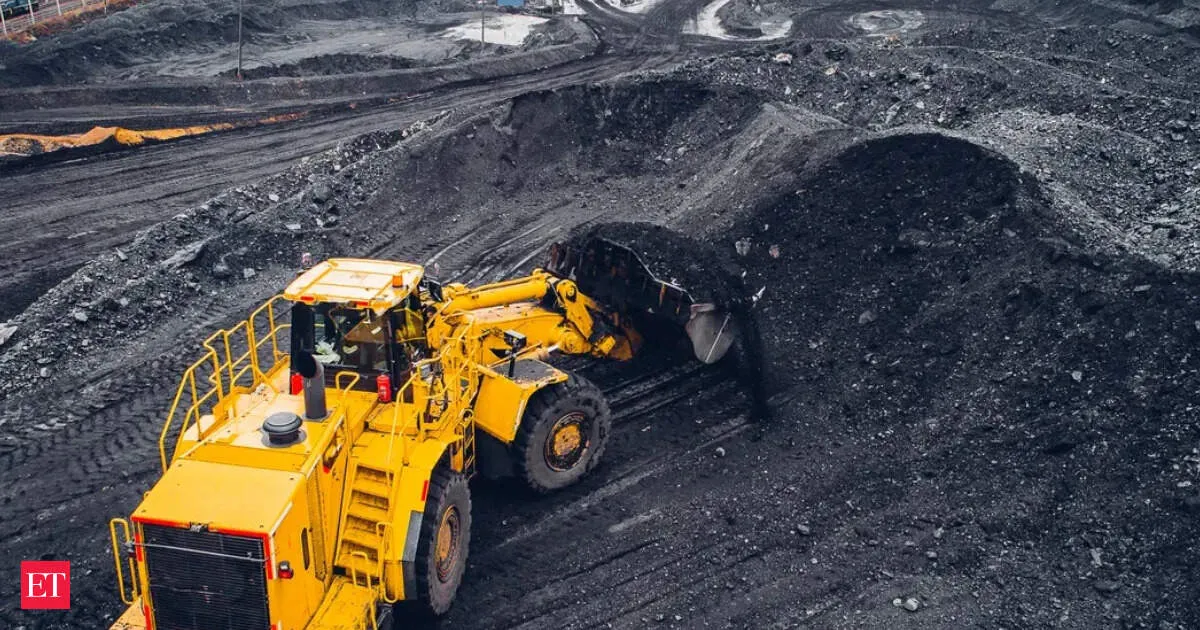
Coal India’s April production fell 9.7%, a rare jolt for the company that supplies fuel for most of India’s electricity. The timing is especially worrying as summer power demand hits new highs, raising the risk of coal shortages at thermal plants and ripple effects across power-dependent industries.
Suzlon Energy shares have rallied more than 51% over the past seven weeks following a sharp March downturn. Analysts attribute the rebound partly to rising temperatures, which lift power demand. Momentum indicators stay strong, but traders are alert to possible near-term profit booking. Attention is on key support and resistance levels, alongside growing foreign and retail participation.
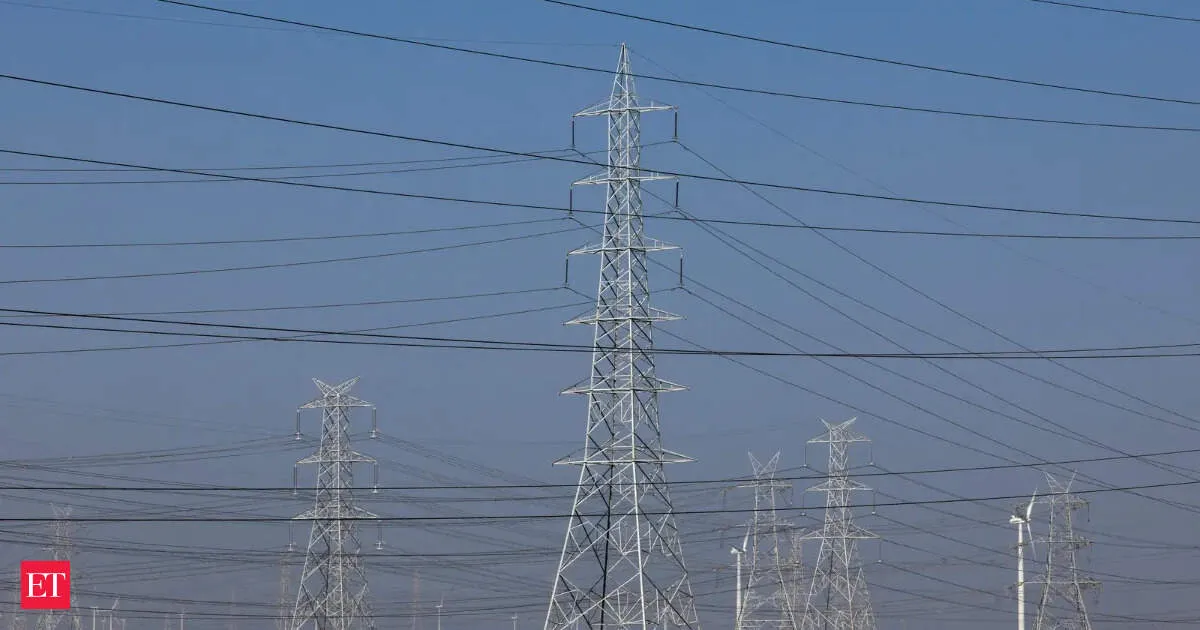
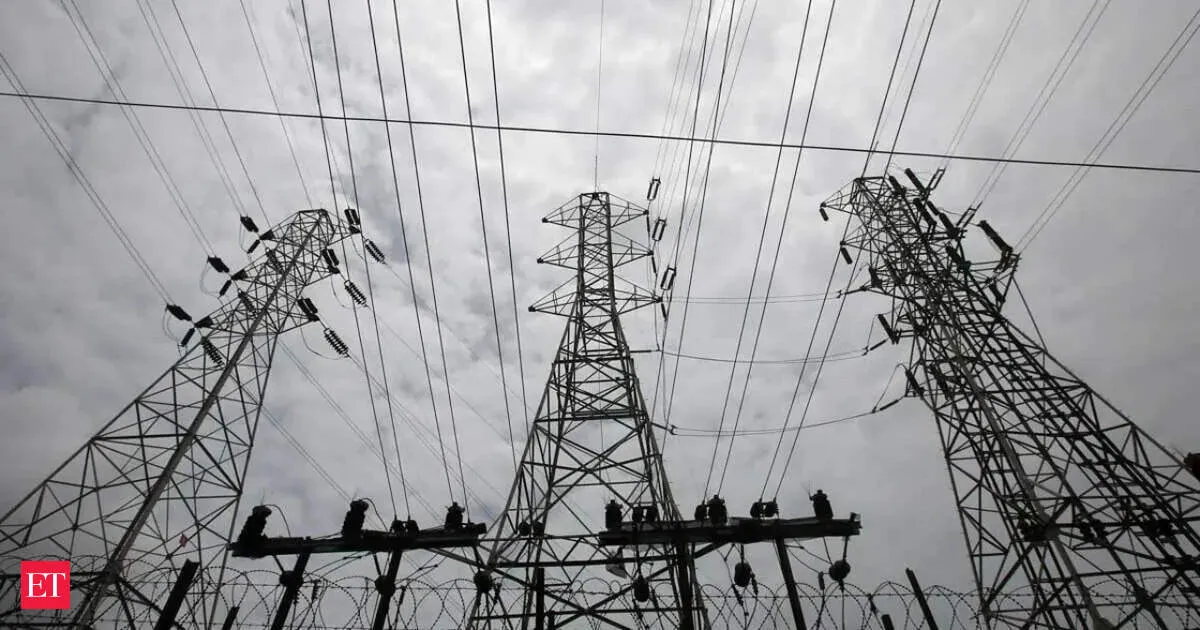
India’s power demand surged to a record 255.8 GW on Monday, driven by intense heatwaves sweeping across the country. Delhi’s demand crossed 7,000 MW for the first time in April, with Tata Power Delhi Distribution meeting a peak of 2,030 MW this summer. The power ministry expects demand to rise even further as the heat persists.
India’s peak power demand eased to 238.15 GW on Sunday, down from a record 256 GW the day before as commercial and industrial activity paused. Even with the dip, demand is still climbing toward the government’s summer estimate of 270 GW, fueled by rising temperatures and heavier use of cooling appliances.
Never miss a story
Set alerts for the topics and sources you care about. Download Beige for free.
India’s power demand hit a record 256 GW on Saturday as a heatwave pushed temperatures up across much of the country. IMD data shows day highs often in the 40–45°C range, except parts of the Himalayas, northeast, west coast and southern peninsula. Summer 2025 peak demand had been lower at 243 GW, helped by favourable weather and an early monsoon.
India’s peak power demand surged to an all-time high of 252.07 GW on Friday as an intensifying heat wave drives households and businesses to lean harder on cooling devices. With air conditioners and coolers running more, experts expect electricity demand to keep climbing over the weekend and into May and June.
India’s peak power demand hit nearly 239 GW on April 18, topping last year’s peak this summer. The spike is being driven by soaring temperatures and heavier cooling demand from air conditioners, alongside additional load from agriculture. With heatwave conditions expected, the power ministry projects peak demand could rise to 271 GW this year.
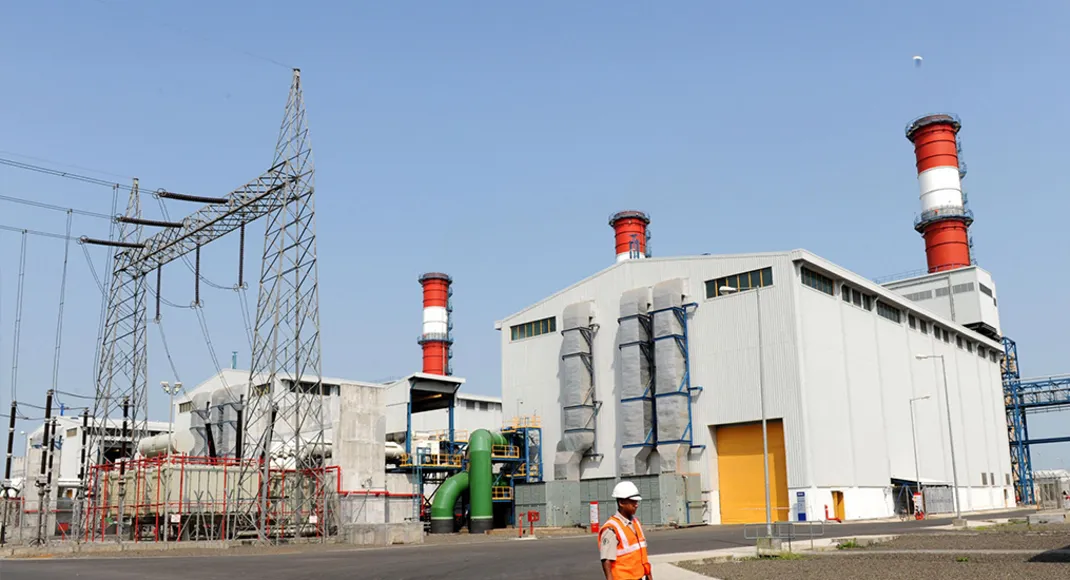
India’s data centres are expanding, and with them comes a quiet demand for reliable power. A fleet of older, gas-based plants—often neglected and underutilised—could find a renewed role. But whether they actually power Digital India hinges on unglamorous realities: policy signals, gas and power pricing, and political will to make the economics work.
Reading on mobile?
Open Beige in the app for a smoother experience — free on iOS and Android.
Swipe through stories, personalise your feed, and save articles for later — all on the app.