Delhi’s government says it is preparing to notify a city logistics plan aimed at boosting industrial investment, with Chief Minister Rekha Gupta citing the capital’s top “Exemplary” standing in the LEADS 2025 Logistics Ease Index. The plan will be folded into the incoming Warehousing and Logistics Policy 2025 and builds on reforms like the Delhi Single Window System for faster approvals, pothole-free road upgrades by the PWD, and ULIP for API-based real-time monitoring and data sharing.
Karnataka has announced an expedited plan for a dedicated drone flight testing facility near Bengaluru, alongside a refreshed drone policy framework. IT/BT Minister Priyank Kharge led an industry consultation with regulators and startups to address testing infrastructure, streamlined approvals and public-sector drone adoption. The state is also exploring an annual Bengaluru Drone Festival to spotlight innovation, competitions and real-world use cases.
Your news, in seconds
Get the Beige app — every story in 60 words, updated hourly. Free on iOS & Android.
Princeton University’s faculty voted this week to reverse a proctoring policy first adopted in 1893, after “widespread” cheating concerns prompted a reassessment of how exams are monitored. The decision marks a rare change to an entrenched rule, replacing long-standing procedures shaped for nearly a century and more with updated oversight measures.
India’s government is flagging a stubborn gap in private investment. Firms are sitting on large cash piles rather than expanding production, a pattern blamed on weak consumer demand, export headwinds, and policy constraints. Economists argue the next push must focus on faster real wage growth and shielding households from imported inflation to unlock spending and investment.
Washington is considering a wave of legislative proposals aimed at tightening the H-1B program and the broader skilled-immigration pipeline. Measures discussed under bills such as the End H-1B Visa Abuse Act 2026 include pauses on hiring, lower caps, mandated higher salaries, and ending Optional Practical Training—changes that could reshape tech and talent supply chains.
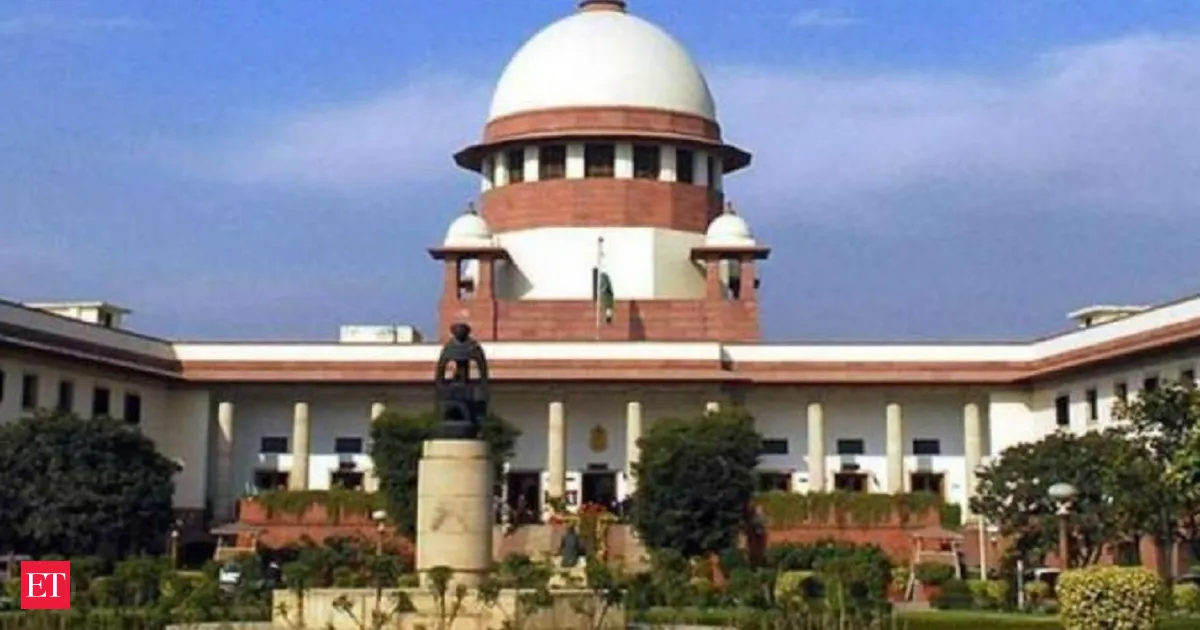
The Supreme Court has expressed serious concern over Punjab’s escalating drug abuse crisis, citing its devastating impact on people and flagging especially alarming conditions in areas such as Ludhiana. The bench said structural and policy changes are urgently needed, and hinted that the Central government may need to step in to address the crisis effectively.
Never miss a story
Set alerts for the topics and sources you care about. Download Beige for free.
New Zealand plans to introduce a citizenship test for migrants starting in late 2027. Applicants will need to answer at least 15 out of 20 multiple-choice questions covering the Bill of Rights Act, human rights, and democratic principles. The government says the move will help ensure future citizens understand both their responsibilities and privileges before gaining citizenship.
Canada has started collecting data for its 2026 Census of Population and Agriculture, and for the first time residents will be asked about their sexual orientation. Officials say the change follows consultations and is meant to fill data gaps to shape programs and policies supporting equal opportunities. Census completion is mandatory, with penalties for non-compliance.
The Indo-Pacific Economic Framework for Prosperity (IPEF) is facing mounting challenges, with new analyses suggesting its underlying momentum is weakening. A key factor cited is the shift in global trade posture during Donald Trump’s presidency, whose aggressive policies have complicated cooperation and reduced confidence in the framework’s direction.
Shares in several West Bengal-linked companies rose Monday after BJP’s victory in the state assembly polls. Gains were seen in CESC, McLeod Russel India, Dhunseri Tea, Bandhan Bank and Emami. Analysts say the move looks sentiment-driven rather than fundamentals-led, urging investors to wait for the new administration’s policy direction before making big bets.
Reading on mobile?
Open Beige in the app for a smoother experience — free on iOS and Android.
American construction unions have moved into the spotlight of AI infrastructure, partnering with major tech firms to build large data centers. The deal is creating construction jobs and lifting union membership, while unions back tech-friendly policies and push back against local and political opposition. The result is a new, blue-collar force shaping the AI buildout narrative.
Indians have become Australia’s largest migrant group for the first time, overtaking England as the leading overseas community. The change reflects shifting migration patterns, with overseas-born residents now accounting for 32% of Australia’s population. Indian-born numbers are growing rapidly, emerging as the fastest-growing major migrant group as migration policy debates intensify.
Japan’s parliament has approved a bill that will significantly increase immigration fees for foreign residents and applicants. Costs for residence status changes and permanent residency are set to rise sharply, while a new online pre-screening system will be introduced for short-term visitors. The government says the steps aim to manage a growing foreign population and strengthen immigration control.
Ather Energy CEO Tarun Mehta has criticised the Centre’s auto PLI stance for excluding startups, calling it a policy mismatch that could weaken India’s EV ambitions. After a government official suggested PLI is only for “global champions,” Mehta argued eligibility thresholds favour legacy makers, leaving startups at a 13-16% cost disadvantage and deterring investment in innovation areas like batteries and software.
Follow your favourite sources
Track sources, tags and categories — all in the Beige app.
The RBI has issued new guidelines allowing banks to provide relief to all borrowers in disaster-hit areas without waiting for requests. Effective from July 1, 2026, banks can extend existing measures, waive fees for up to a year, and keep services running via temporary premises and satellite offices. ATM restoration is also mandated promptly.
Florida immigrant rights groups are fighting proposed rules that would require proof of citizenship or lawful presence for enrollment in state colleges and adult education programs. Supporters say it clarifies eligibility, but opponents argue it could disrupt students already studying, raise barriers to workforce training, and trigger wider economic and social harm.
US judges and lawyers are wrestling with how AI should—and shouldn’t—enter courtrooms. While some embrace tools to speed work, others avoid them due to fears of AI mistakes in filings and rulings. Judges like Ajmel Quereshi opt out, while Lydia Kay Griggsby is setting AI policies. A recent study finds many federal judges already use AI, though some prohibit it.
The US-China AI rivalry is turning from open innovation into a direct fight for talent, intellectual property, and strategic control. China blocked Meta’s Manus acquisition, while US policy shifts have targeted how AI is developed. Both moves signal governments are stepping in to shape who controls the future of advanced AI, with global consequences for technology and security.
Stay informed on the go
Bite-sized news from 100+ trusted sources, right in your pocket.
A new policy paper says farmer producer organisations (FPOs) can be a powerful bridge between smallholders and bigger markets in India. But it also highlights structural constraints that limit their impact, including weak scale, limited market access, financing shortfalls, and governance gaps. The study argues these issues need targeted reforms for FPOs to truly deliver on their promise.
India’s e-commerce market is projected to jump to $250 billion, powered largely by Gen Z shoppers and new formats like live and creator-led commerce. But a traders’ body fears rapid, unregulated expansion could squeeze traditional retail and jobs. It is pushing the government for a clear e-commerce policy to set fair competition rules.
Swipe through stories, personalise your feed, and save articles for later — all on the app.