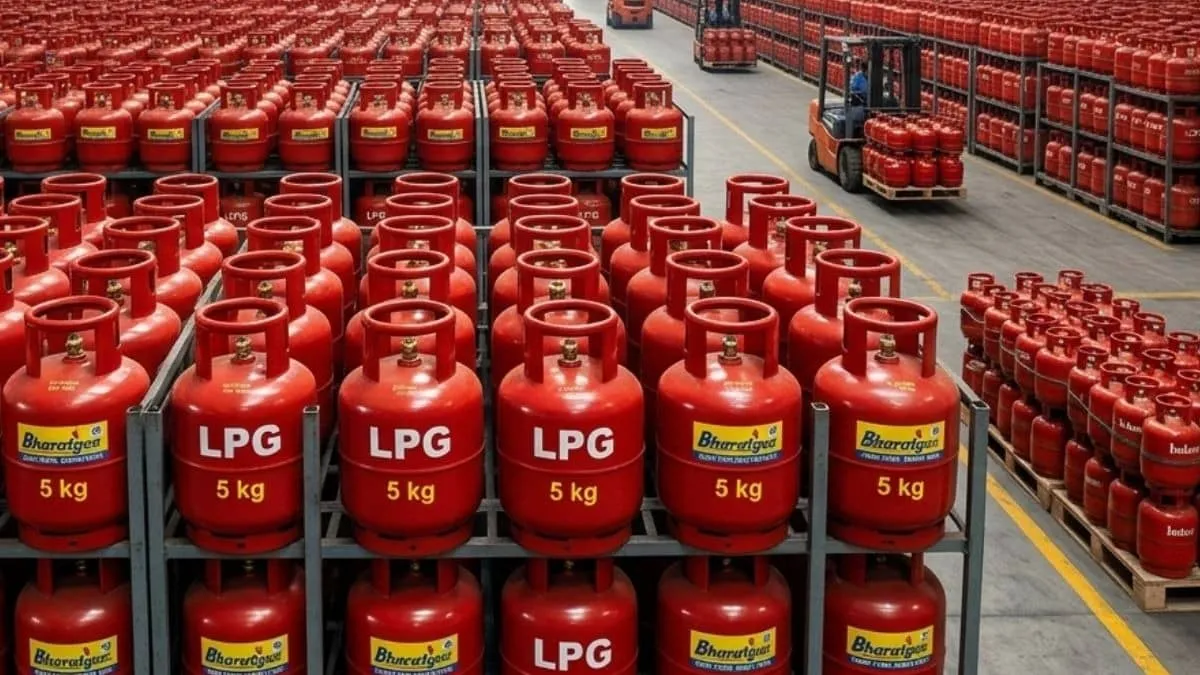
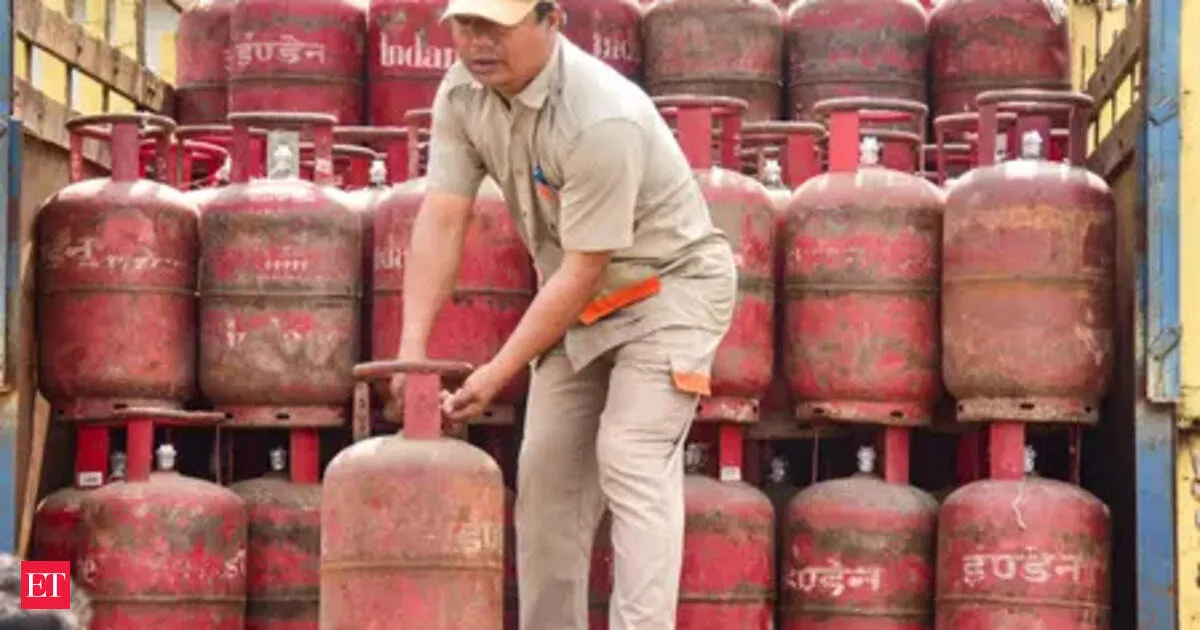
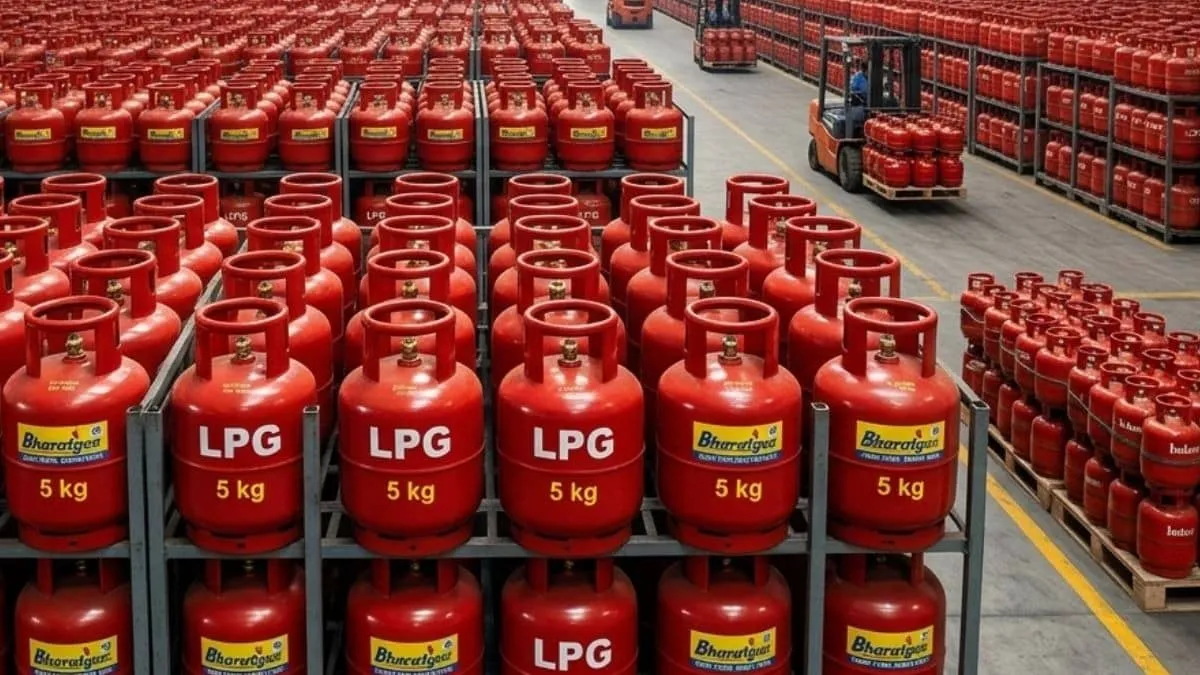
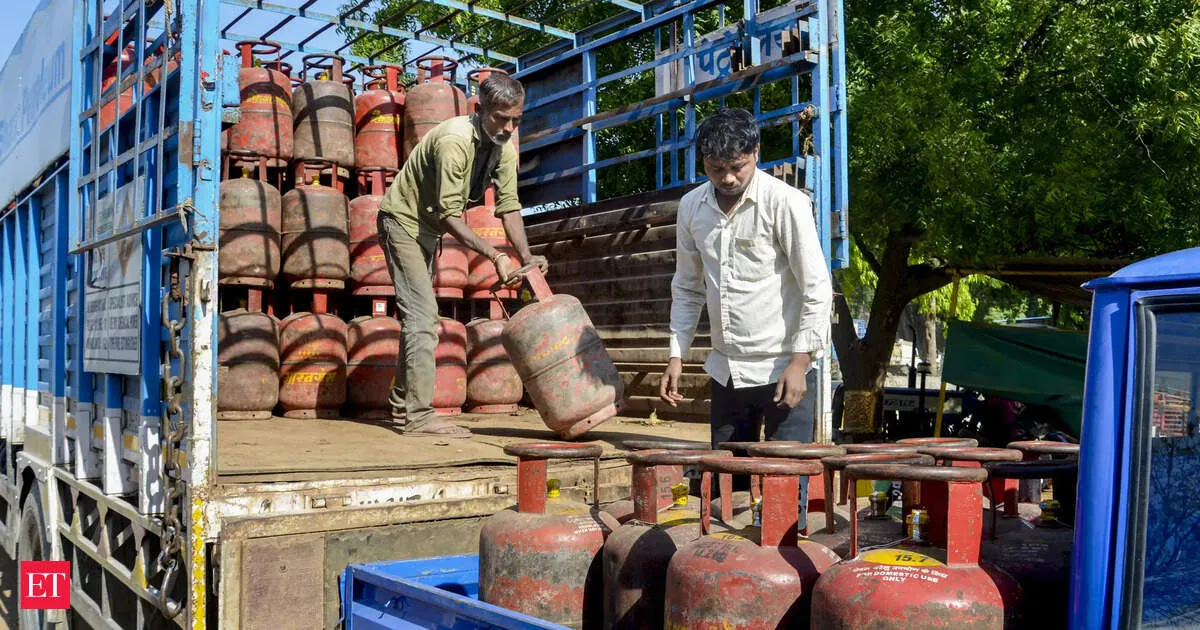
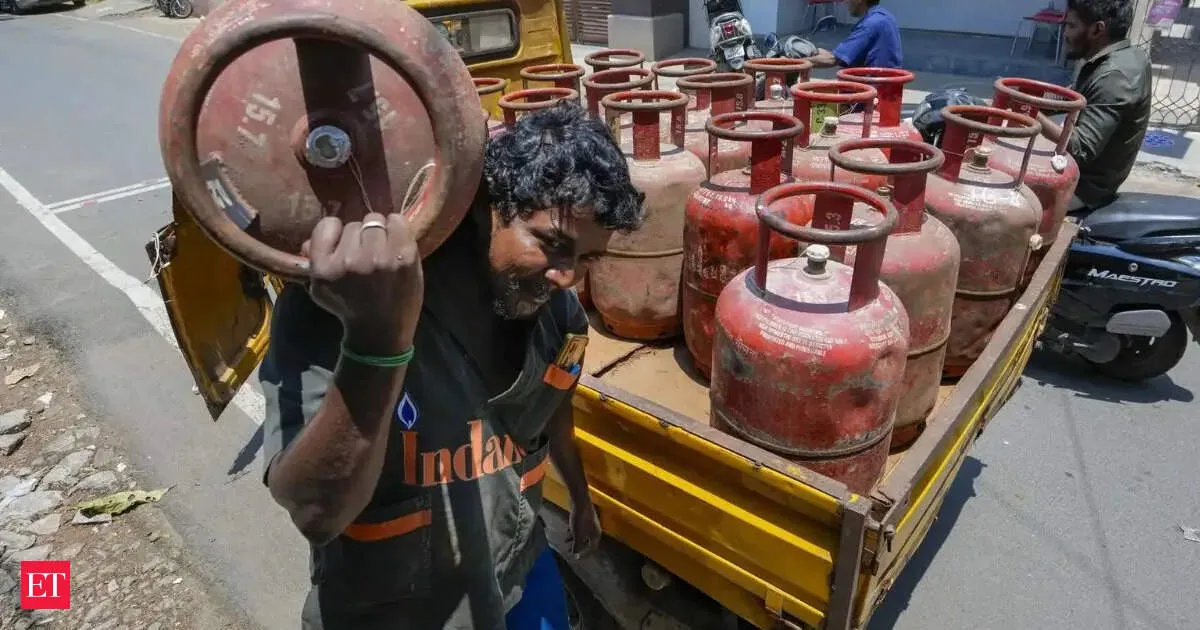
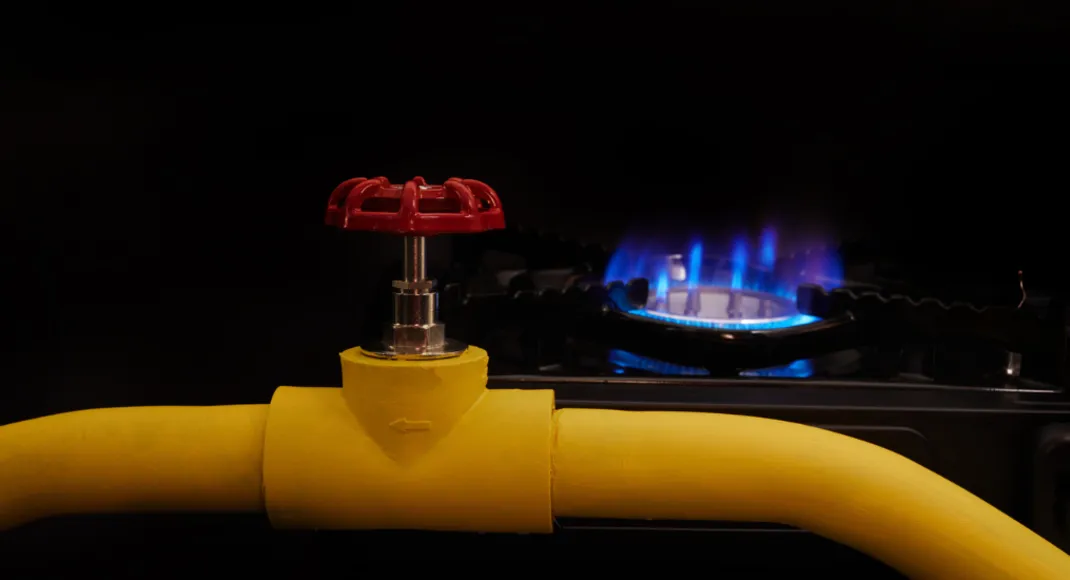
Households across India are reporting SMS alerts demanding they surrender LPG cylinders under the “One Household, One Gas Connection” policy. The move targets families with active PNG (piped natural gas) connections, aiming to curb black marketing and improve cooking-gas distribution. Consumers can verify their connection status online or by contacting customer care to understand next steps.
The government has tightened enforcement of the “one household, one connection” LPG rule, especially affecting homes using piped natural gas (PNG). If a household also has an LPG cylinder, authorities are pushing for surrender of the cylinder to comply. The move comes amid global energy pressure and could bring penalties for non-compliance, impacting consumers’ monthly gas choices across India.
Your news, in seconds
Get the Beige app — every story in 60 words, updated hourly. Free on iOS & Android.
The government is now screening households that hold both LPG and PNG connections to prevent dual ownership and potential subsidy misuse. Under the new enforcement, families with piped natural gas connections are required to surrender their domestic LPG cylinders so supply can be prioritized for households without piped gas. So far, more than 43,000 LPG connections have been surrendered.
Starting May 1, India’s LPG distribution will tighten with mandatory OTP-based verification for cylinder delivery and longer booking intervals—25 days in urban areas and 45 in rural. The rollout aims to curb hoarding and streamline sales. In PNG-enabled areas, some households may lose LPG connections, while PMUY subsidy support will require completing Aadhaar eKYC.
Indian Railways is planning to switch from LPG to piped natural gas (PNG) in crew resting rooms. The move aims to reduce LPG dependence and ease logistical challenges as supply conditions tighten amid the West Asia crisis. By adopting PNG, Railways expects more streamlined fuel management for facilities that require reliable heating and cooking support.
Indian LPG consumers may face further pressure after West Asian conflicts already pushed domestic and commercial cylinder costs higher. From May 1, new rules are set to tighten booking and delivery processes, potentially affecting refill timelines. Separately, the push for piped natural gas could shift demand away from LPG in areas where PNG is available.
Never miss a story
Set alerts for the topics and sources you care about. Download Beige for free.
Indrapastha Gas Limited has proposed reducing piped natural gas pressure to 1 bar for industrial users, aiming to reduce wastage and protect regular supply. But restaurant operators worry the lower pressure may slow cooking. The proposal lands as Delhi already faces LPG shortages, adding pressure on eateries relying on gas for daily operations.
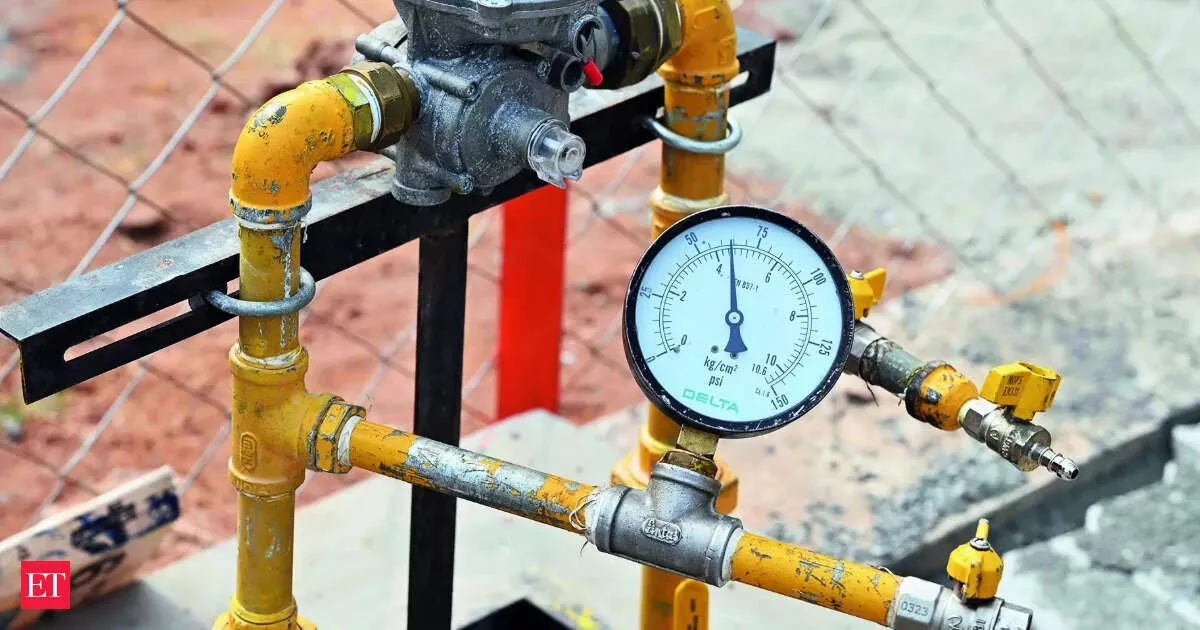
India is dramatically expanding piped natural gas (PNG) adoption, adding over 5 lakh new connections as disruptions strain cooking gas supplies. The government and utilities are pushing households and industries to shift from LPG to PNG for convenience, while LPG availability is managed in parallel. New pipeline installations are being fast-tracked to sustain the rollout.
After two decades of building PNG networks, just around 16 million households are connected, leaving the vast majority still reliant on LPG for cooking. With more than 330 million homes depending on LPG, the promised shift to pipeline gas remains slow—highlighting how supply, infrastructure rollout, and affordability challenges continue to stall the transition.
Swipe through stories, personalise your feed, and save articles for later — all on the app.