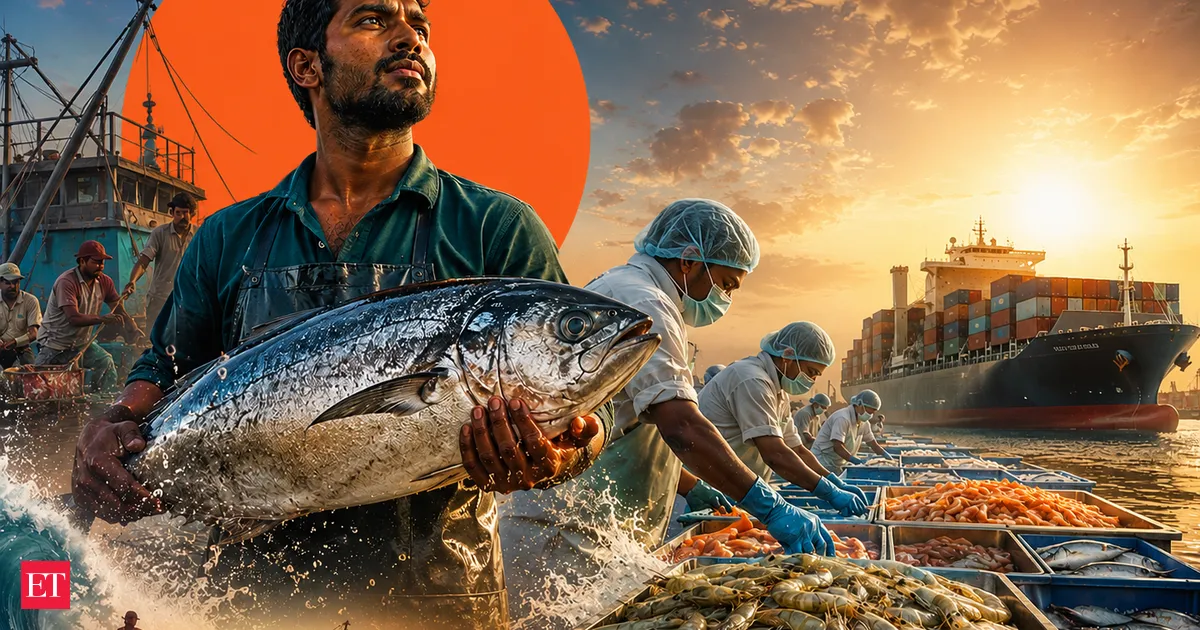
India’s seafood sector is turning tariff shock into momentum. After the US slapped a cumulative 50% tariff on Indian seafood last year—citing trade imbalance, anti-dumping claims, and links to energy purchases from Russia—exports were disrupted and some processing units had to pause. Instead of breaking, the sector diversified markets, boosted domestic demand measures, and restored access to high-value buyers. By FY26, India logged record exports, and the government is now considering a production-linked incentive scheme for deeper value-added growth.
India’s Fisheries Department will explore a production-linked incentive (PLI) scheme for MSMEs in the seafood sector, aiming to improve global competitiveness and accelerate exports. The plan, discussed in a high-level meeting between commerce and industry minister Piyush Goyal and fisheries minister Rajiv Ranjan Singh, targets a major shift toward value-added seafood and a larger export base. Export-oriented infrastructure and sustainability measures are part of the roadmap, alongside strengthening sanitary and phytosanitary compliance from production to packing.
Your news, in seconds
Get the Beige app — every story in 60 words, updated hourly. Free on iOS & Android.
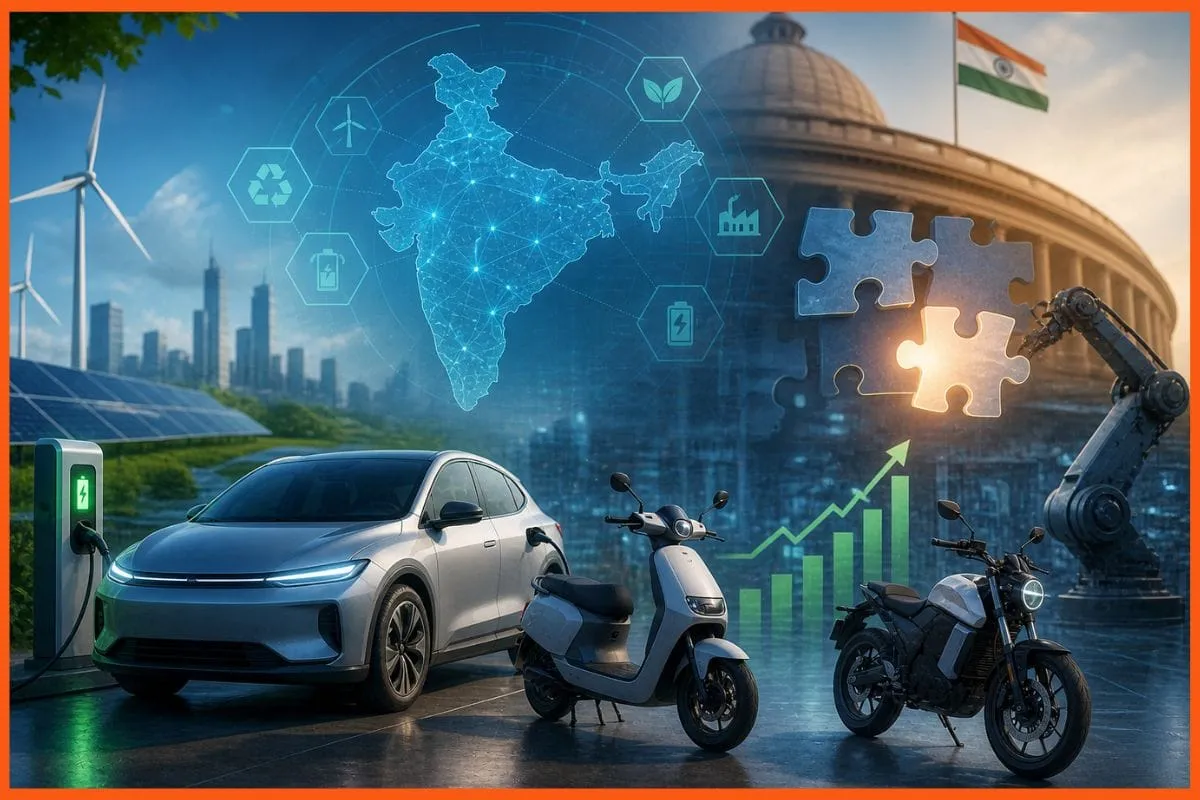
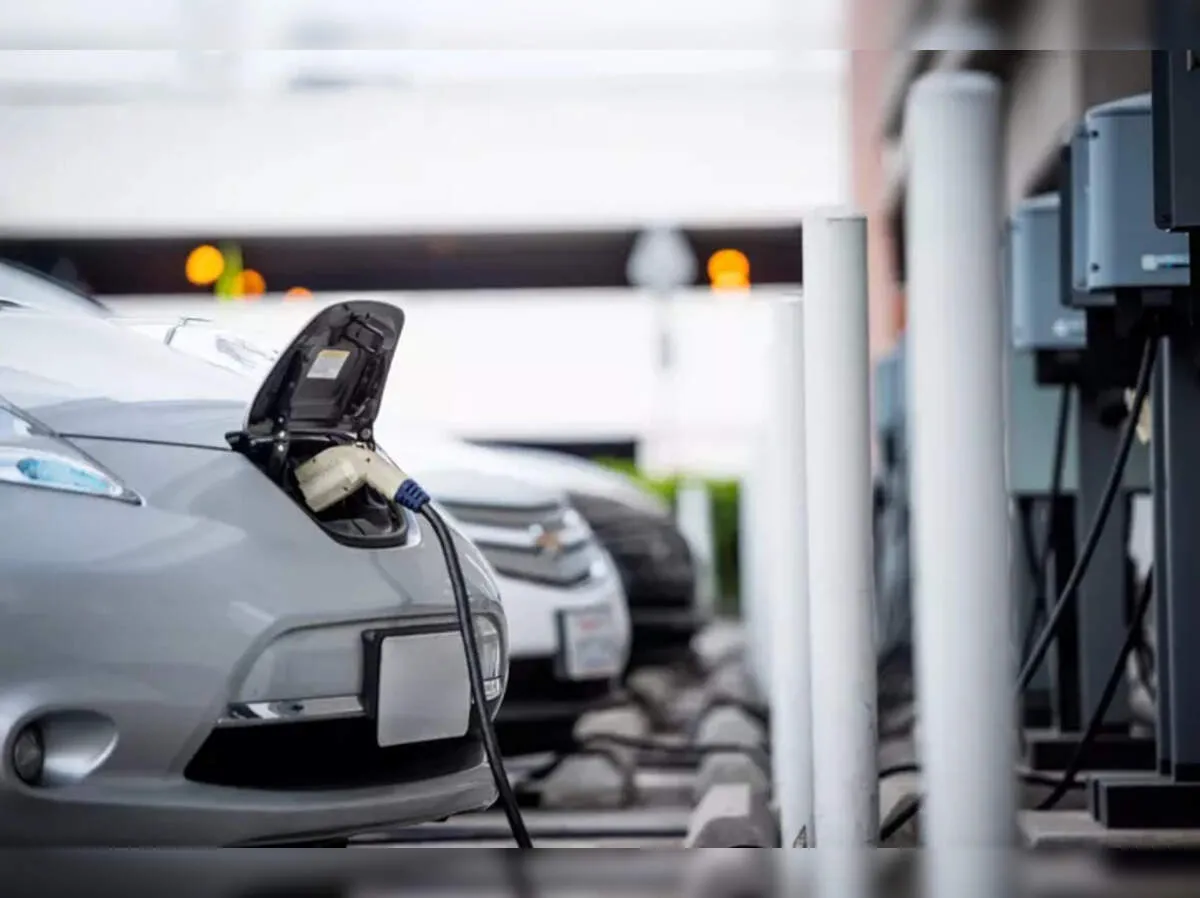
The Confederation of Indian Industry has urged the PMO to overhaul India’s EV auto PLI scheme after EV startups complained that current eligibility and selection rules create a cost disadvantage. CII, via six startup CEOs, wants a new application window and relaxed criteria, shifting focus toward R&D intensity, IP generation, and domestic value-add. A parliamentary panel report also cites low fund disbursal and high investment hurdles.
Electric vehicle startups are calling for a major rethink of India’s production-linked incentive scheme for automobiles, saying PLI Auto’s eligibility rules favor established automakers. Despite EV-first firms leading on technology and localization, they’re excluded and forced to compete at a cost disadvantage. Founders want reforms that better match India’s rapidly evolving EV ecosystem.
Ather Energy CEO Tarun Mehta has criticised the Centre’s auto PLI stance for excluding startups, calling it a policy mismatch that could weaken India’s EV ambitions. After a government official suggested PLI is only for “global champions,” Mehta argued eligibility thresholds favour legacy makers, leaving startups at a 13-16% cost disadvantage and deterring investment in innovation areas like batteries and software.
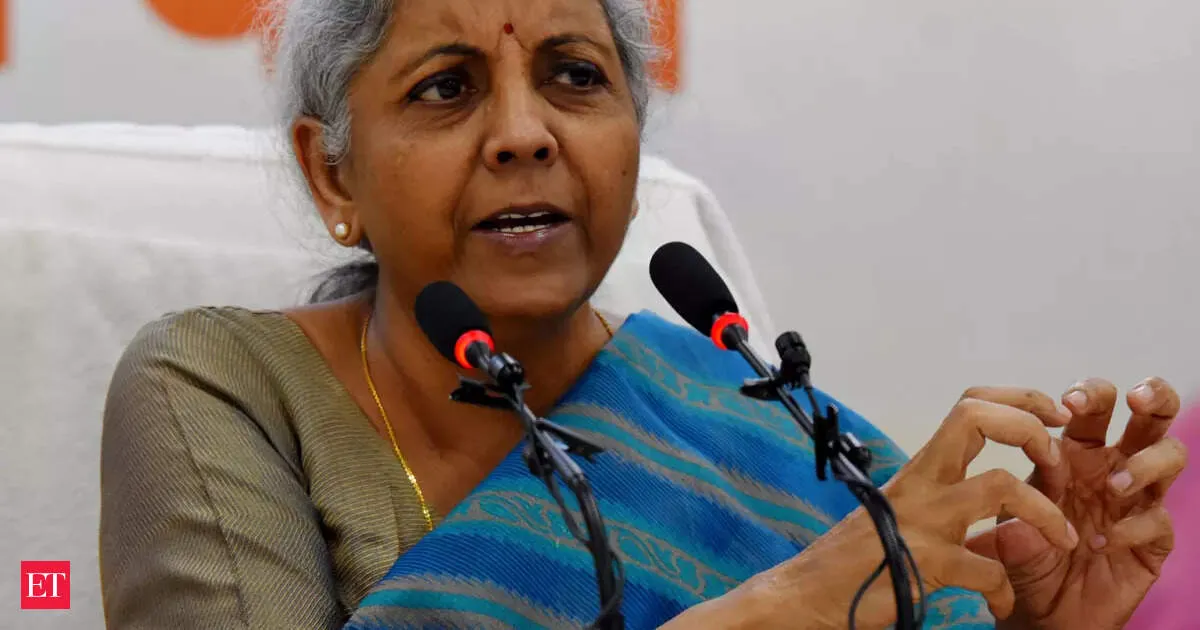
Finance Minister Nirmala Sitharaman said India’s PLI scheme is designed to attract global firms by rewarding players with scale while strengthening both the domestic market and exports. Speaking at the M V Kamath Centenary Memorial Lecture, she argued that the government’s economic approach follows consistent short- and medium-term policy set within a long-term vision outlined in the Budget presented on February 1, 2021.
Never miss a story
Set alerts for the topics and sources you care about. Download Beige for free.
Swipe through stories, personalise your feed, and save articles for later — all on the app.