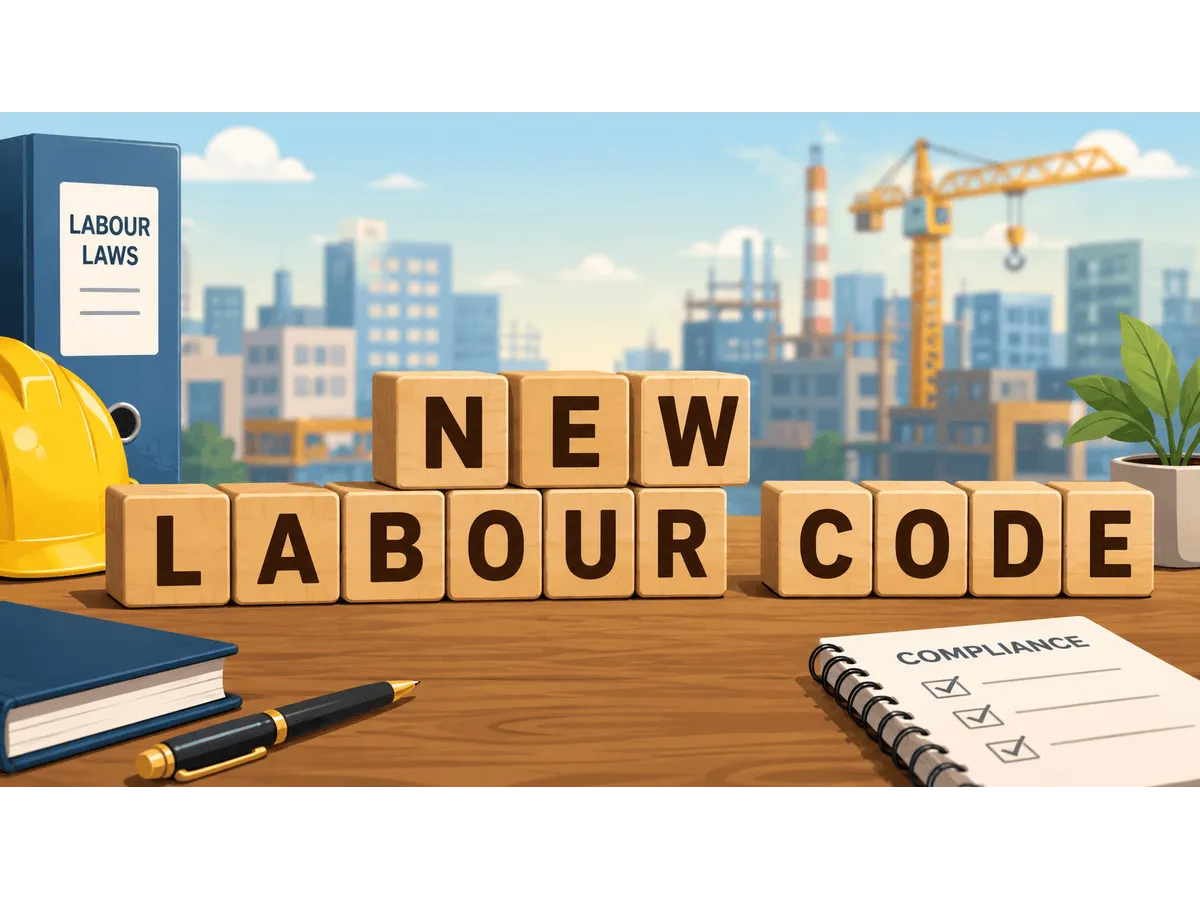
Salaried workers may not notice any pay slip change yet because India’s new labour codes are being rolled out unevenly across states. Some provisions like ESI coverage can shift sooner, but the bigger impact on in hand salary—especially PF contributions—has been delayed. Employers are planning transitions around annual reviews rather than immediate salary revisions.
EPFO has introduced new rules for companies running their own provident fund trusts. Instead of mandatory annual audits, oversight will shift to a risk-based audit system. The interest rates offered by such trusts will be capped, and exempted establishments can keep their status even after mergers and acquisitions. The changes are designed to strengthen governance while easing compliance for businesses.
Your news, in seconds
Get the Beige app — every story in 60 words, updated hourly. Free on iOS & Android.
SpiceJet, India’s oldest private airline, is rapidly deteriorating operationally and financially. With capacity sharply reduced, the carrier has begun furloughs and is delaying salaries for employees by up to two months or more. Unpaid dues including GST, TDS, and PF are also accumulating, deepening uncertainty for staff and stakeholders as the airline hunts for a lifeline.
India’s new Code on Wages requires basic salary to be at least 50% of total CTC. That shift is expected to raise provident fund and gratuity contributions, boosting long-term retirement savings. But employees may see lower take-home pay as employers restructure allowances to meet the rule—effectively making it harder for firms to minimize retirement contributions.
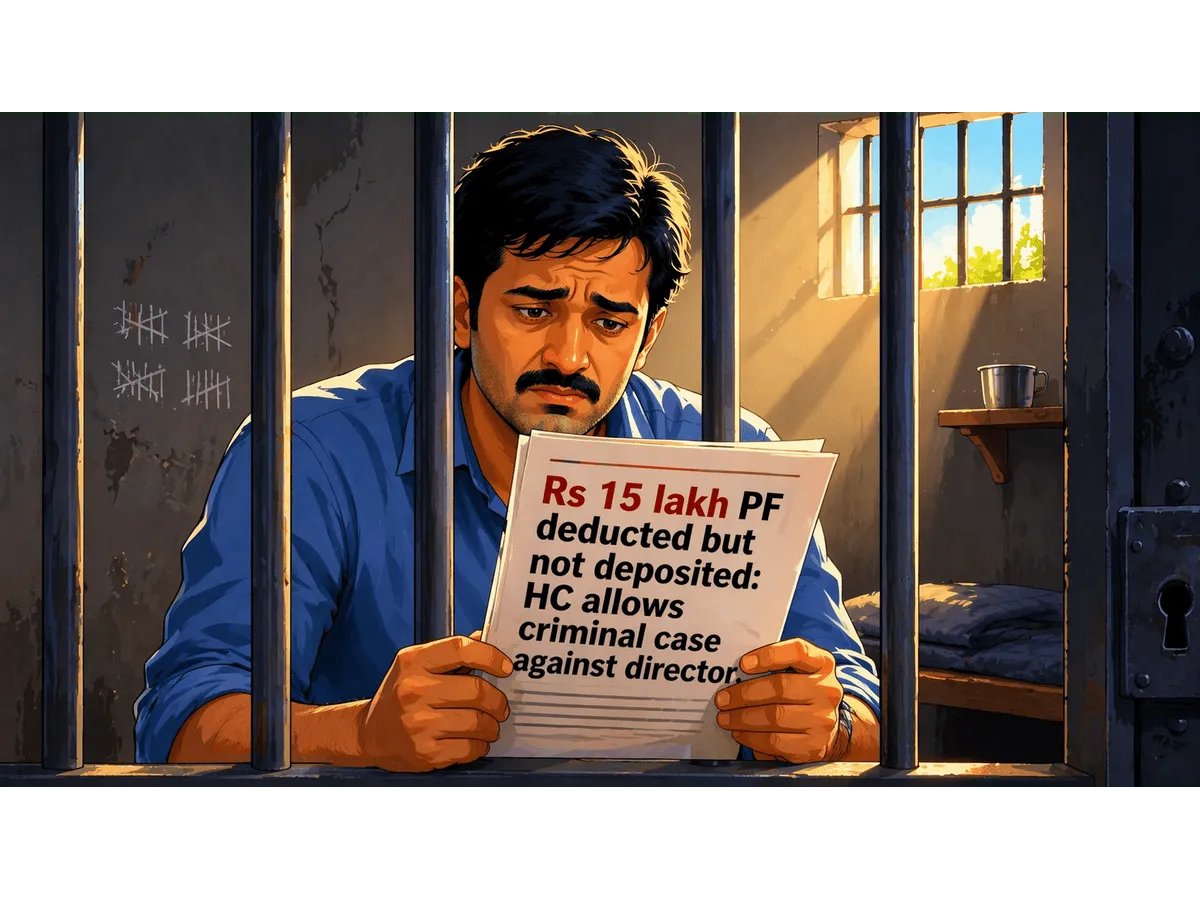
The Orissa High Court allowed a criminal case to continue against a company director accused of not depositing Rs 15 lakh deducted from employees’ salaries for provident fund. The director argued that the firm later became insolvent and the dues were subsequently cleared. The court said later payment does not erase criminal liability for the original failure.
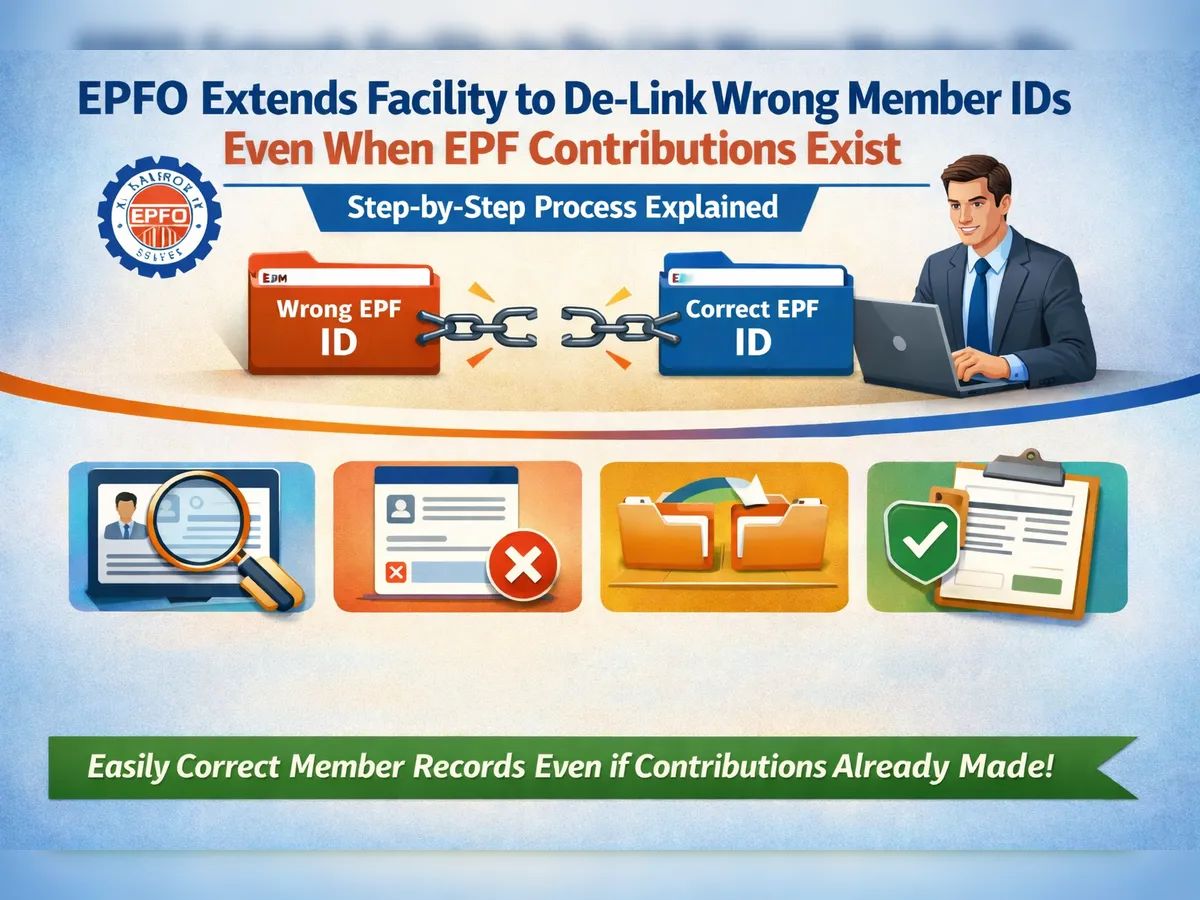
EPFO has expanded its facility for members to delink incorrect Member IDs (MIDs) from their Universal Account Number (UAN), even when EPF contributions already exist. The change targets cases where wrong MIDs were created without a member’s knowledge. Eligible members can use the official process to correct linkage, but not if claims are processed, pending, or multiple.
Never miss a story
Set alerts for the topics and sources you care about. Download Beige for free.
Swipe through stories, personalise your feed, and save articles for later — all on the app.