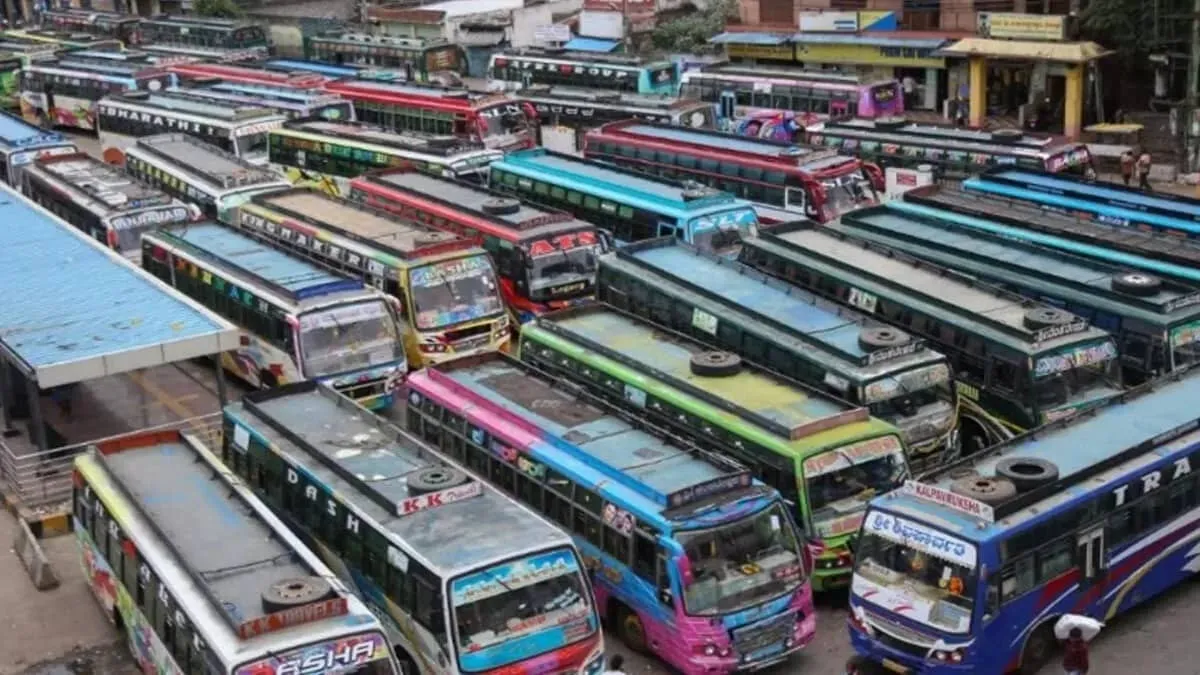
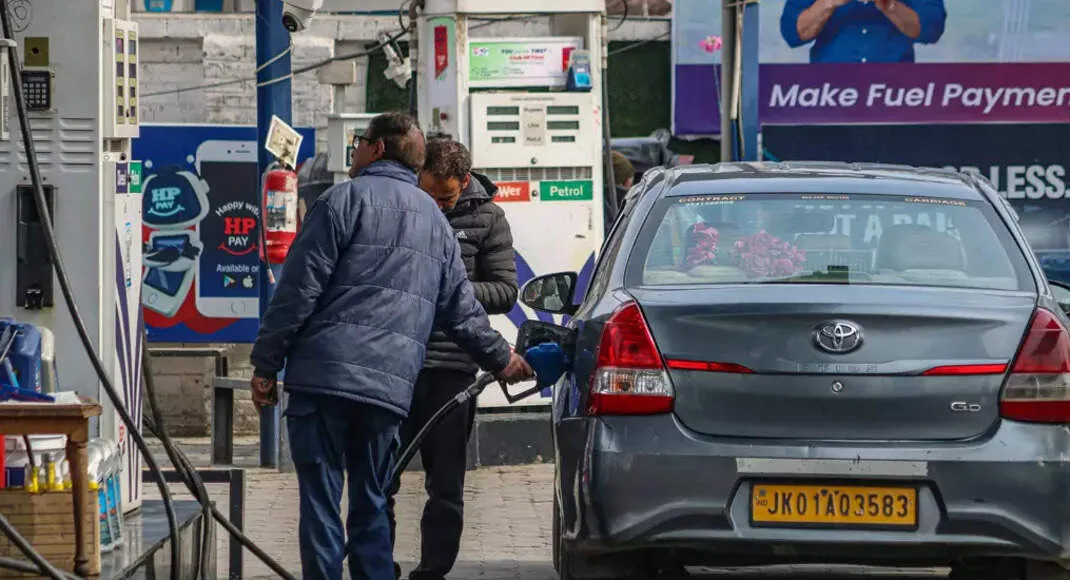
Private bus operators across Karnataka have announced fare hikes of 20–30% on most routes, effective from Friday midnight, after petrol and diesel prices were increased by Rs 3 per litre—the first hike in over four years. Operators say the fuel jump, along with higher road taxes and revenue pressure from schemes like Shakti on state buses, will add about Rs 15,000 extra per vehicle each month. They are urging the state to cut cess and road taxes and provide subsidies to avoid service collapse.
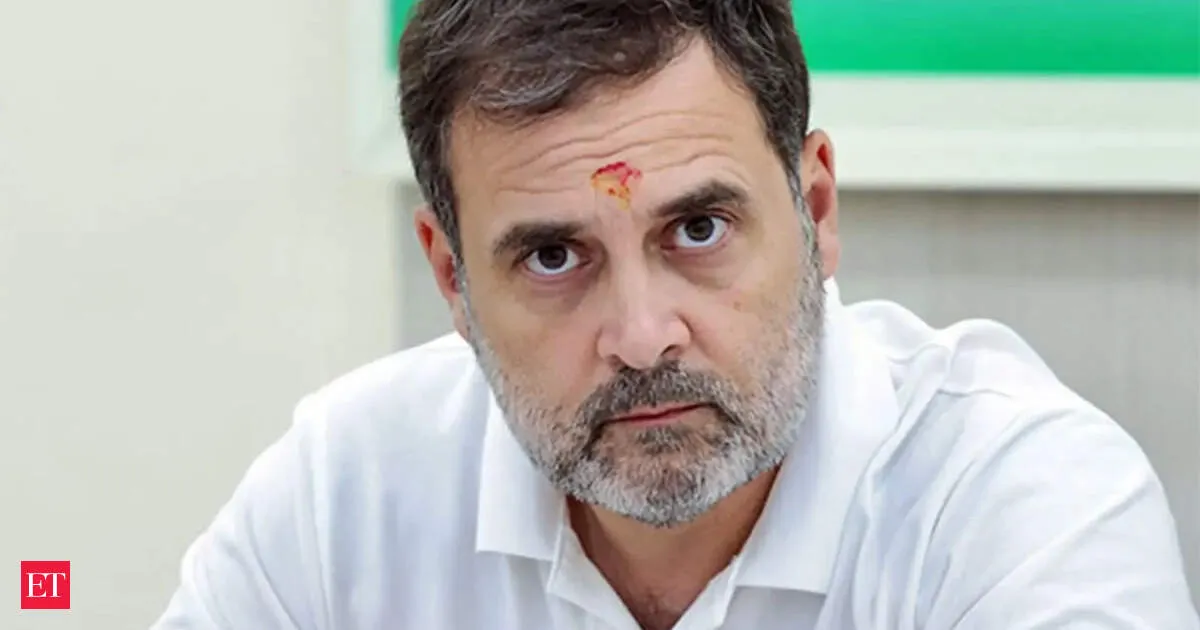
Congress launched a fresh attack on the Centre after petrol and diesel prices rose by ₹3 per litre, arguing the move will trigger inflation. Rahul Gandhi said the “₹3 shock has already arrived” and suggested more pain is coming in stages. Mallikarjun Kharge blamed not only global fuel factors but a “leadership crisis” under the Modi government, citing diesel’s cascading impact on costs. Congress also alleged the BJP has monetised fuel taxes at scale over 11 years.
Your news, in seconds
Get the Beige app — every story in 60 words, updated hourly. Free on iOS & Android.
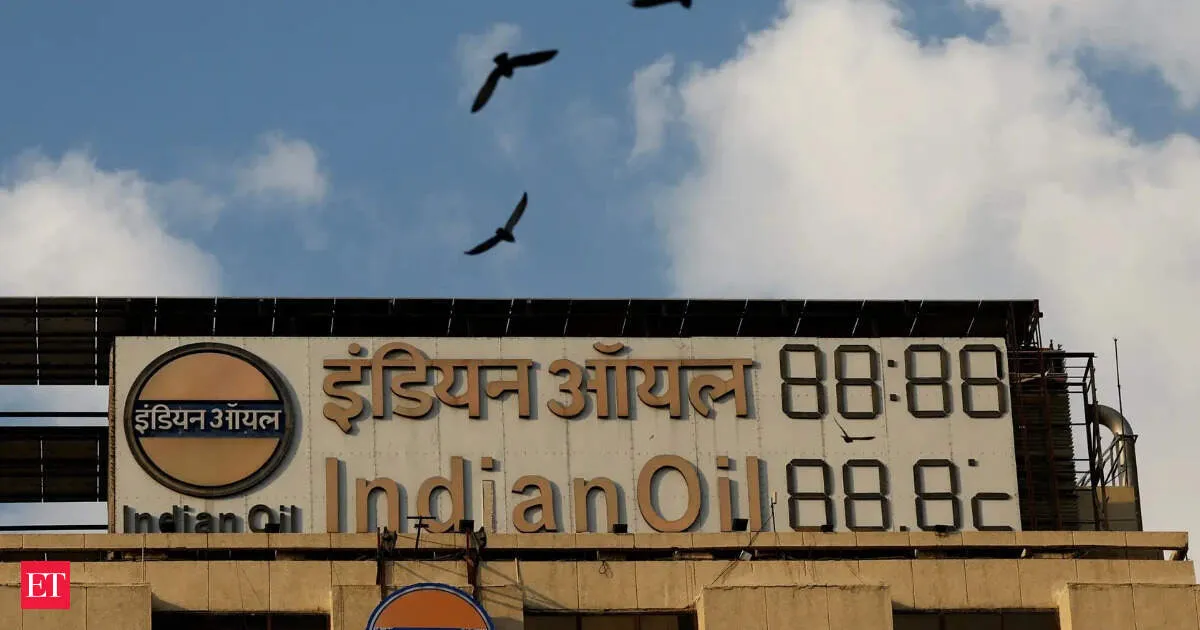
Indian Oil says domestic petrol and diesel rose only marginally—about Rs 3 per litre—after global pressures, with the company maintaining supply security by running its refineries at more than 100% capacity. IOCL Director (Refineries) Arvind Kumar said 10 refineries are operating round the clock to avoid any “crisis” at retail outlets. Separately, IOCL is backing long-term energy shifts, including providing two hydrogen-powered buses to Delhi Metro that run with green hydrogen from its Faridabad R&D centre.
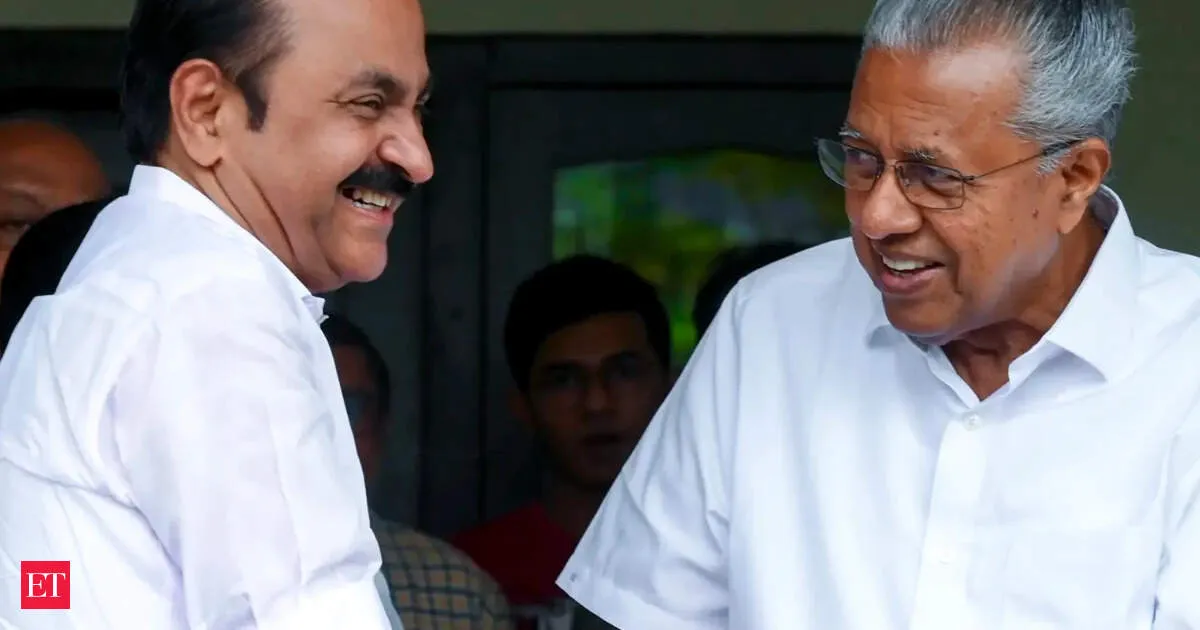
Kerala CM-designate V D Satheesan says he is meeting officials to assess how a Centre fuel price hike will affect the public and what relief measures Kerala can take. Former CM Pinarayi Vijayan called the decision a grave injustice, urging immediate withdrawal, and alleged that benefits of falling international crude were not passed to consumers. Petrol and diesel were increased by Rs 3 per litre, the first hike in over four years, while Vijayan warned higher fuel costs will feed into everyday essentials and transport.
India’s oil minister says state-run fuel retailers are racking up mounting losses because petrol and diesel are sold below market levels while pump prices stay largely unchanged. With global oil prices having surged, companies are taking the hit. Officials say full compensation would strain public finances, pointing to a bigger but inflation-aware pump price adjustment soon.
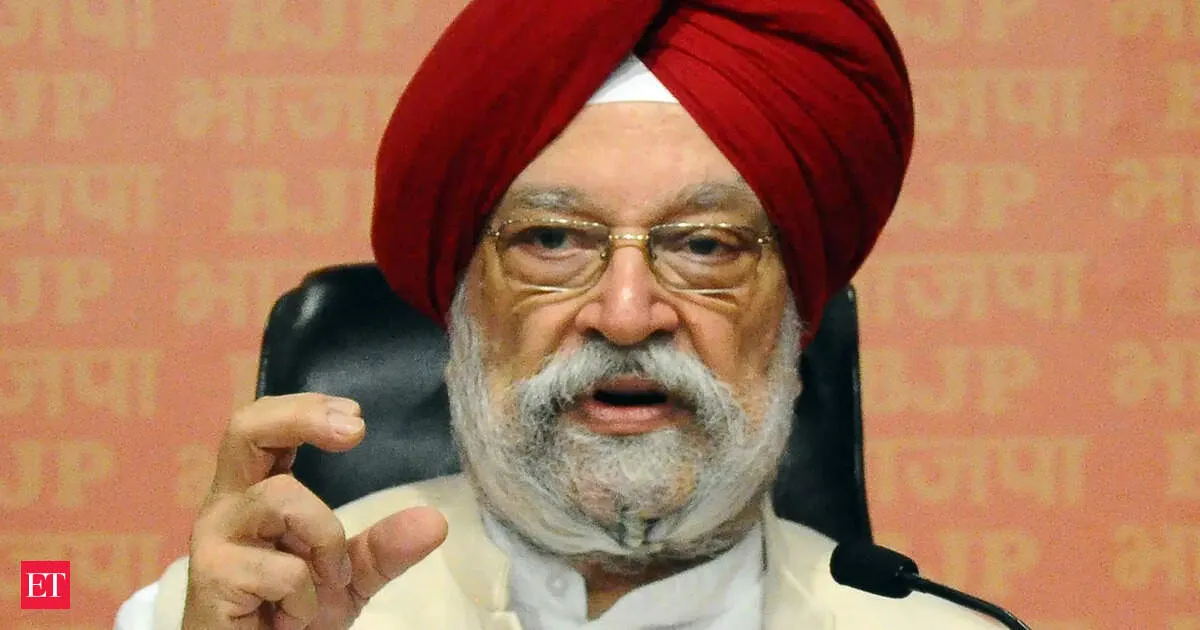
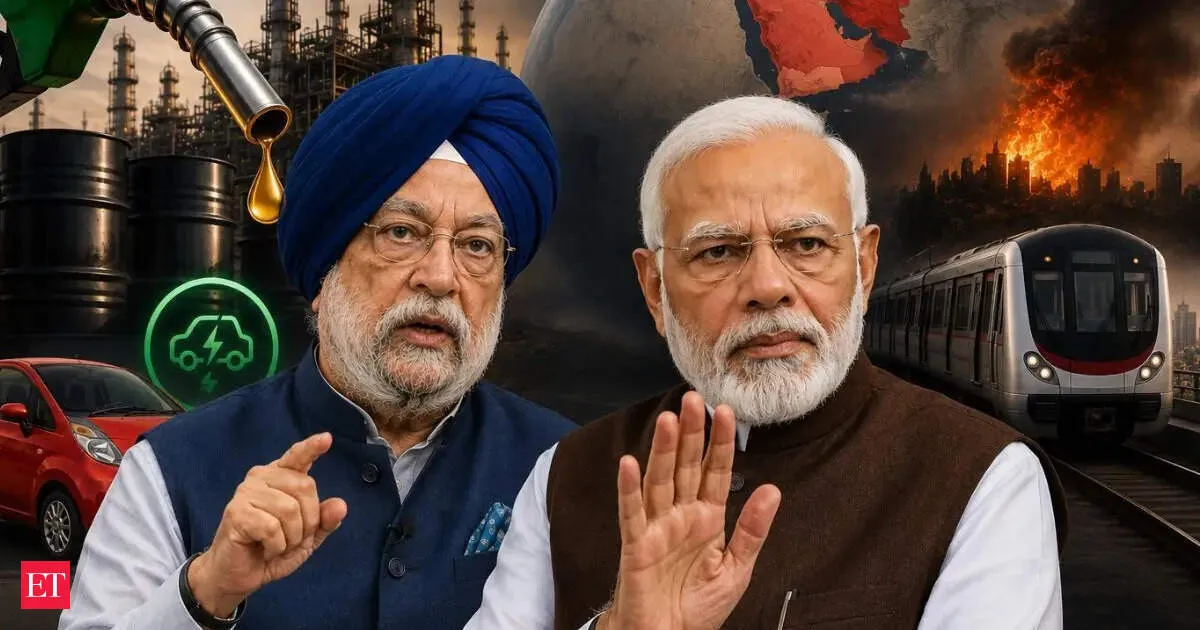
Amid heightened tensions in West Asia and Prime Minister Modi’s appeal to conserve petrol and diesel, Oil Minister Hardeep Singh Puri dismissed any plans for a lockdown. He said LPG production has been boosted and urged people to cut fuel and foreign exchange spending—through practices like work from home and reducing costly travel and gold imports—while promoting self-reliance.
Never miss a story
Set alerts for the topics and sources you care about. Download Beige for free.
Prime Minister Narendra Modi has urged Indians to adopt a “pandemic-era” austerity mindset amid fuel and supply chain disruptions linked to the West Asian conflict. He called for reduced consumption of petrol, diesel and non-essential gold, and for people to skip foreign holidays and destination weddings to conserve India’s foreign exchange reserves.
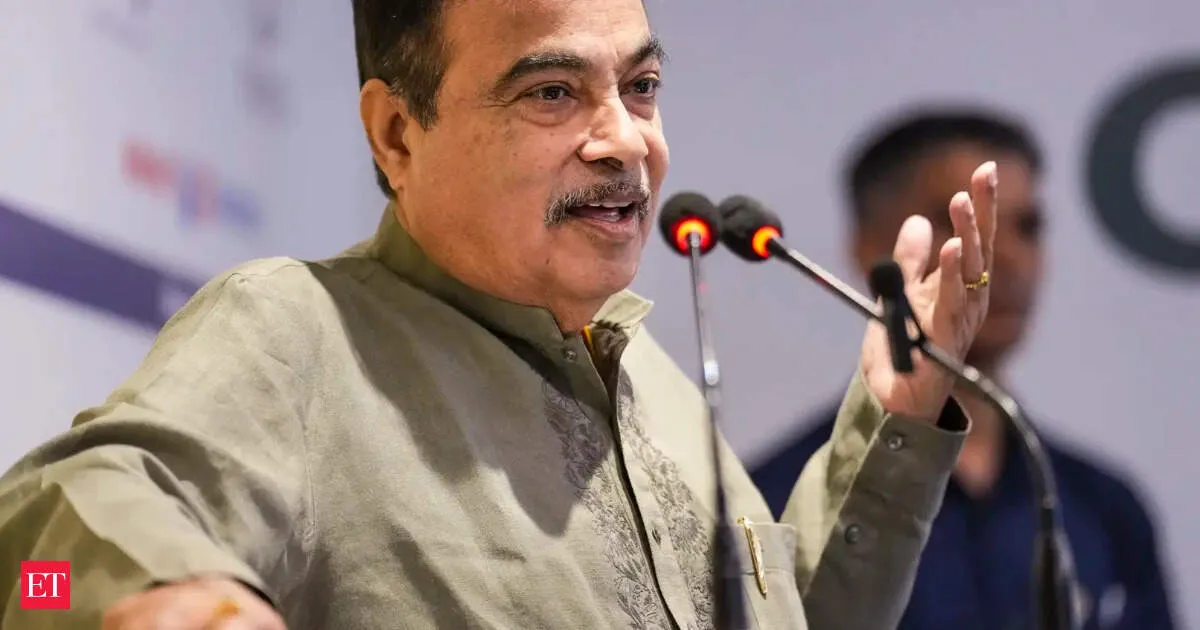
Union Minister Nitin Gadkari says petrol and diesel vehicles have “no future” as India accelerates its shift away from these fuels. He urged manufacturers to move toward cleaner options, flagging hydrogen and ethanol as the way forward. India is already producing ethanol from multiple sources, while pilot projects for hydrogen trucks and buses are in progress.
India’s government has assured citizens there is no proposal to hike retail fuel prices, with officials saying there are currently no plans to revise petrol and diesel rates. It claims LPG, petroleum and diesel supplies are adequate and says steps are underway to reduce disruptions tied to the West Asia crisis, including 100% supply assurance for domestic LPG, PNG and CNG.
Crude oil has fallen to a four-year low, and global rates are down nearly 30% in the last quarter. Oil marketing companies are buying cheaper crude and seeing higher margins, but retail fuel prices haven’t dropped in months. The reason: taxes and duties remain high, shielding consumers from the benefits.
Reading on mobile?
Open Beige in the app for a smoother experience — free on iOS and Android.
Swipe through stories, personalise your feed, and save articles for later — all on the app.