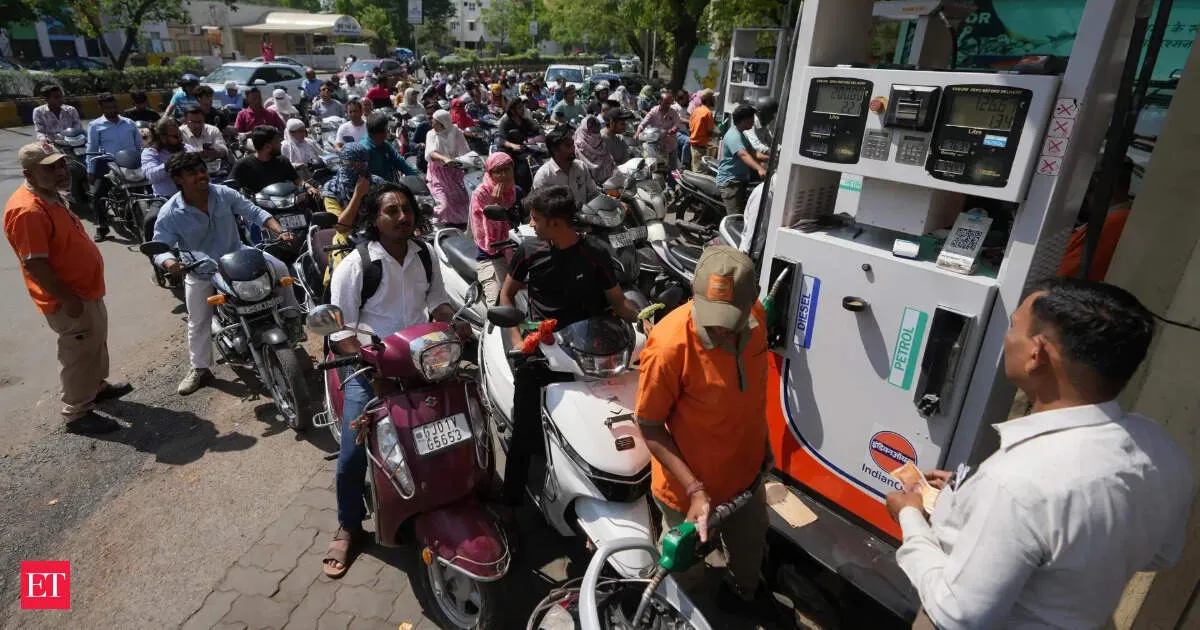
India’s first fuel price hike in four years is just a breather, not an end to rising costs. State refiners raised diesel and gasoline by only Rs 3 a litre, aiming to soften household impact while global crude stays above $100. But refiners are still bleeding money and want much larger adjustments—officials say losses top Rs 10 billion a day. The government is also pushing conservation measures and delaying larger increases, with more rises likely if the Persian Gulf conflict drags on.
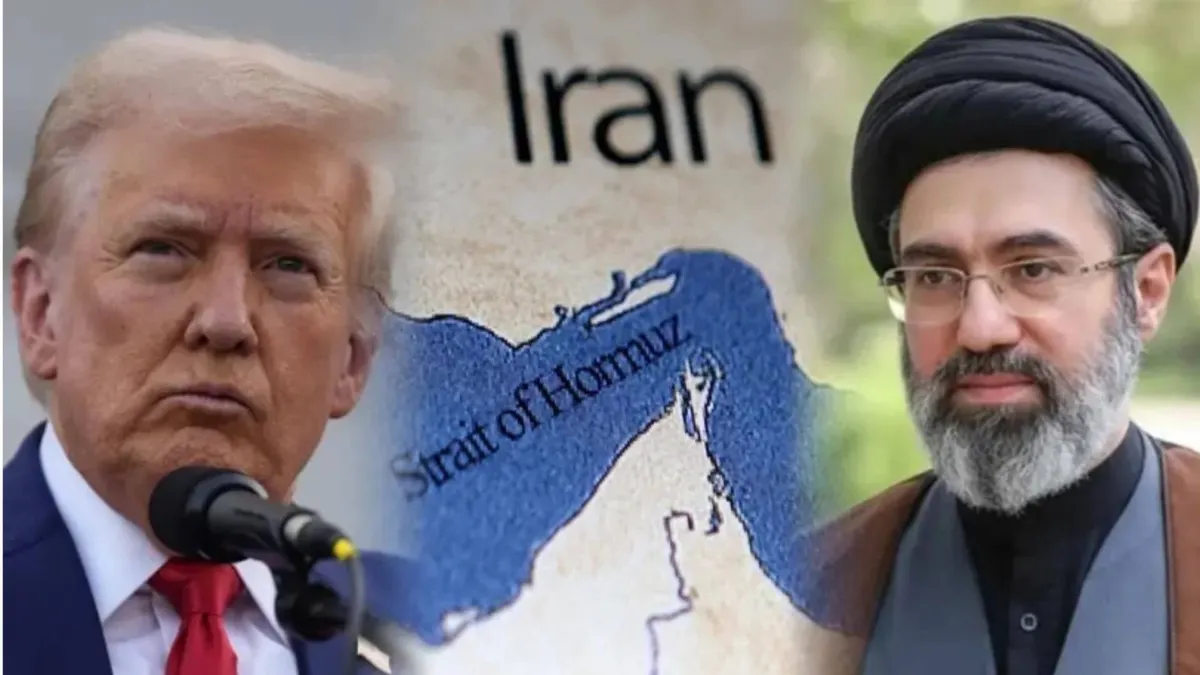
Iran has formally submitted its response to a US proposal aimed at ending the Persian Gulf conflict, but Donald Trump rejected it as “totally unacceptable.” Tehran characterized the US approach as surrender and is pushing for reparations and control of Hormuz, as drone attacks, naval blockades, and stalled nuclear-stockpile talks keep tensions escalating.
Your news, in seconds
Get the Beige app — every story in 60 words, updated hourly. Free on iOS & Android.
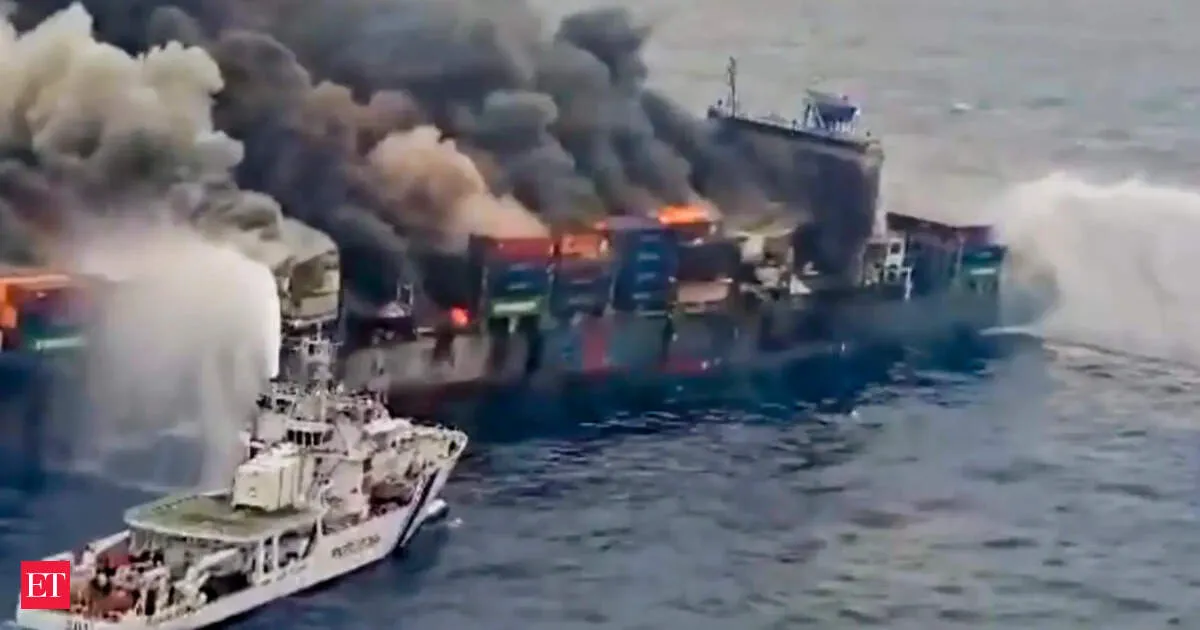
A British military ship caught fire on Sunday after an unknown projectile strike near Qatar, according to UK Maritime Trade Operations Centre. The resulting blaze was small and extinguished quickly, and no injuries were reported. The incident adds to a rising pattern of attacks on vessels across the Persian Gulf, heightening concerns over maritime security in the region.
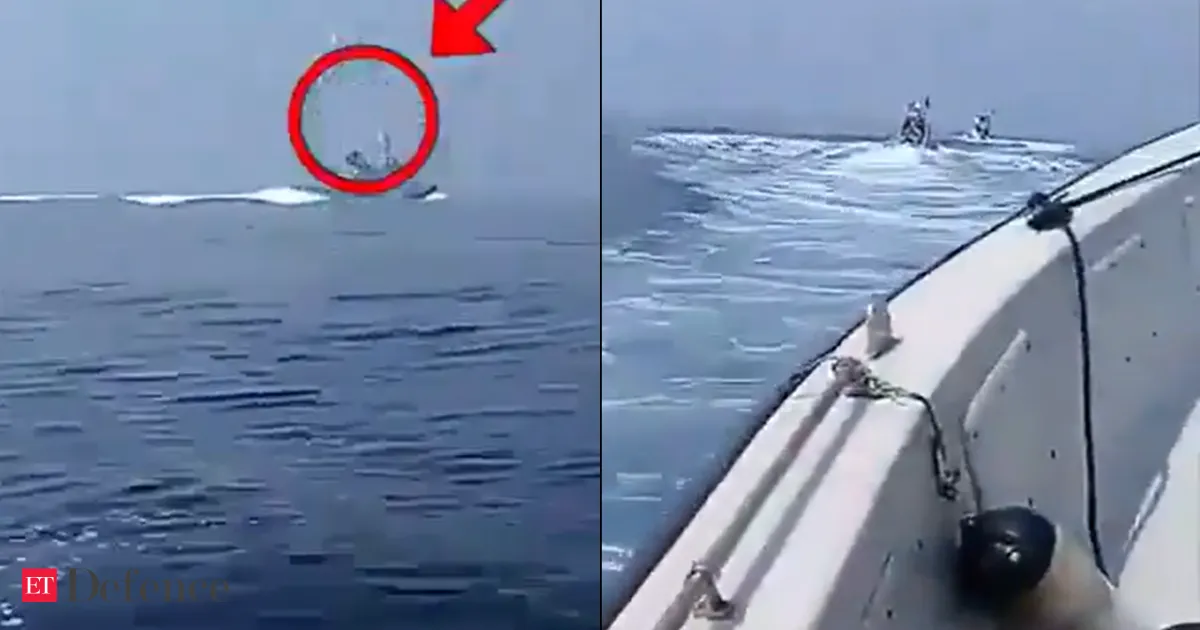
Iran’s embassy has released a video alleging speed boats chased a US warship in the Persian Gulf, featuring an officer taunting American forces. The IRGC followed with a stern warning of “heavy assault” on US assets if Iranian oil tankers are targeted. The move comes amid fresh US-Iran tensions, including US forces disabling Iranian tankers in the Gulf of Oman.
Iran’s IRGC has warned the United States against striking Iranian oil tankers in the Persian Gulf, saying any aggression would trigger a significant attack on American military ships and bases. The warning follows recent exchanges of fire near the Strait of Hormuz, underscoring rising tensions as both sides trade threats over maritime security and regional shipping lanes.
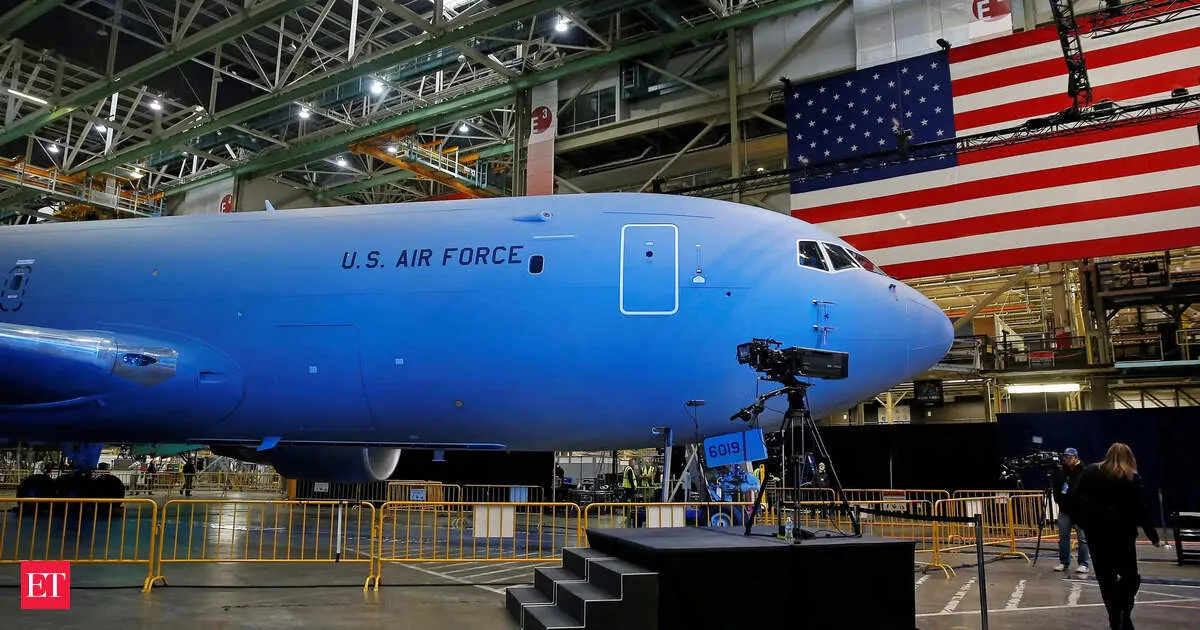
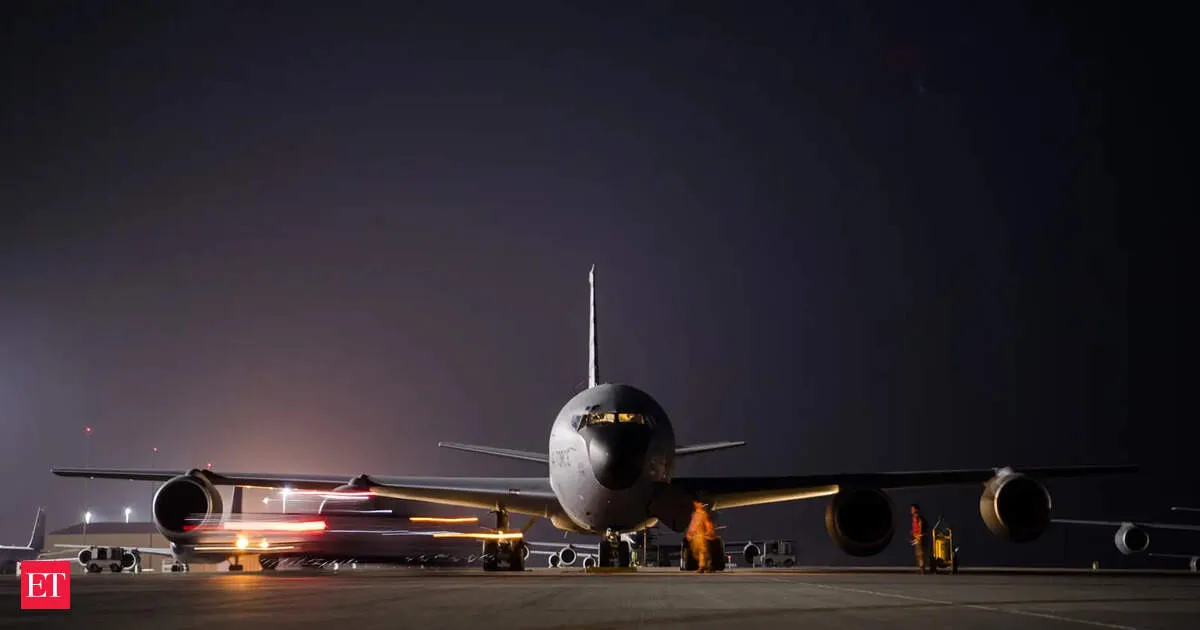
A US Air Force Boeing KC-46 Pegasus tanker reportedly squawked emergency code 7700 over the Persian Gulf after departing Tel Aviv and crossing the Strait of Hormuz. Earlier, a KC-135 transmitted the same emergency and then disappeared from radar. Unverified reports cite possible GPS jamming and unclear aircraft status, with no official confirmation yet. Here’s the timeline, flight path, and FL220 details.
Never miss a story
Set alerts for the topics and sources you care about. Download Beige for free.
A US KC 135 Stratotanker reportedly sent a distress signal over the Persian Gulf near Qatar. Flight data indicates the aircraft circled before descending, but US authorities have not confirmed a crash or specific emergency. The plane reportedly departed from the UAE, and regional interference is said to be common. The true reason the signal was lost remains unclear.
Iranian President Masoud Pezeshkian has rejected any foreign control of the Persian Gulf, warning that maritime blockades aimed at Iran will not stand. He said Iran, through its forces, safeguards the Strait of Hormuz and regional security while attributing worsening insecurity to the United States and Israel. The IRGC also weighed in on shifts in US strategy.
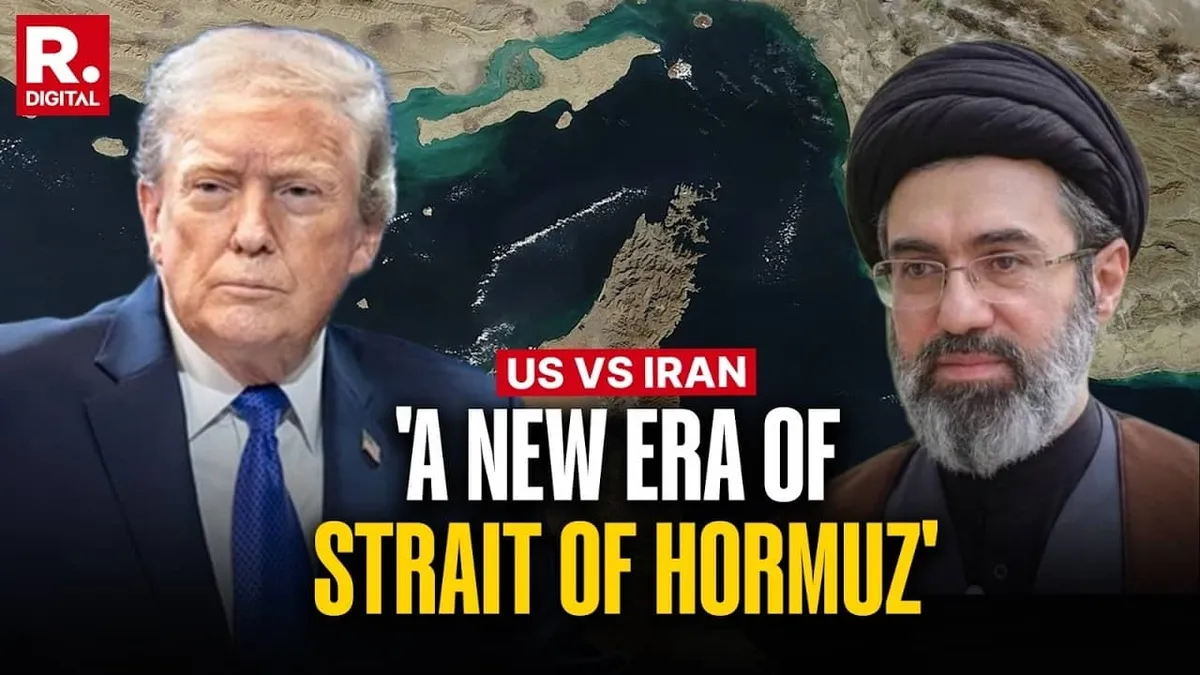
Iran’s Supreme Leader Ayatollah Mojtaba Khamenei dismissed US bases in West Asia as weak, saying the Persian Gulf’s future will exclude America. He stressed Iran’s influence over regional security and maritime routes. At the same time, Iran reportedly sent a fresh proposal to the US via Pakistan to end hostilities, but the US is said to be leaning toward rejecting it.
Iran’s Ayatollah Mojtaba Khamenei delivered a rare televised public statement, warning the United States that the “only place” it belongs in the Persian Gulf is at the bottom of its waters. The written message was read on state TV, with remarks signaling US losses and framing the warning as a response to a perceived humiliating defeat.
Reading on mobile?
Open Beige in the app for a smoother experience — free on iOS and Android.
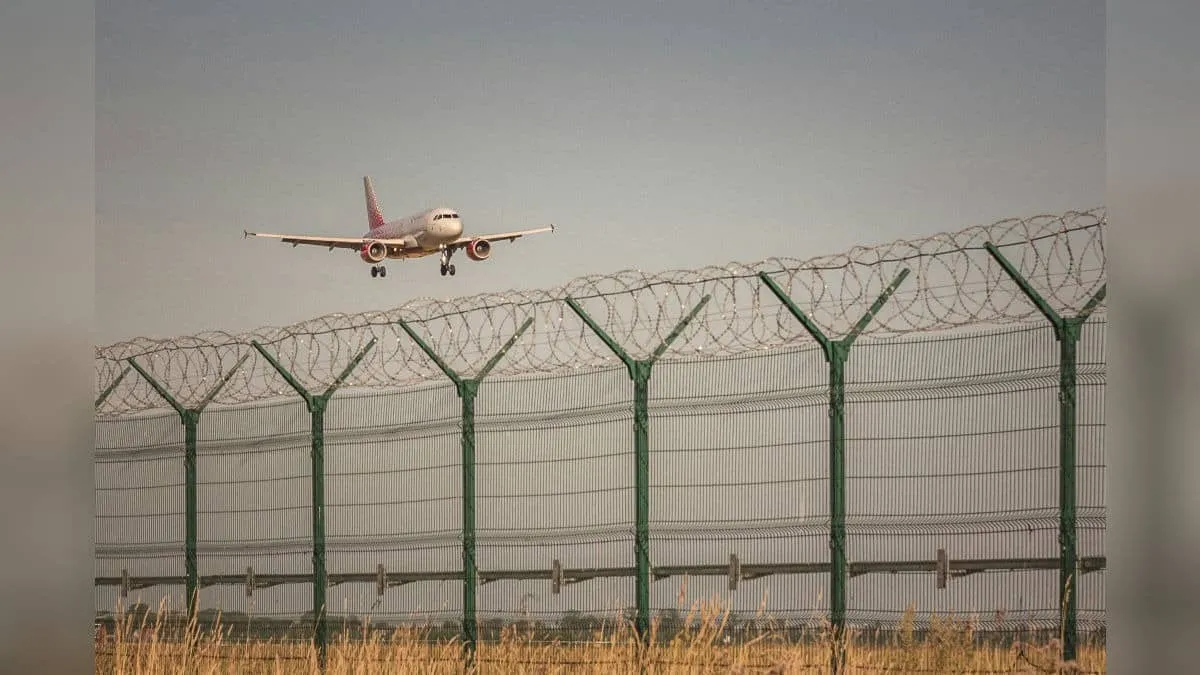
India’s DGCA has released an urgent safety advisory for Indian air operators, citing escalating security risks across the Middle East and Persian Gulf. The notice, based on a recent review of international developments, points to heightened risk conditions following U.S. and Israel military strikes involving Iranian territory. The advisory remains valid until May 4, 2026.
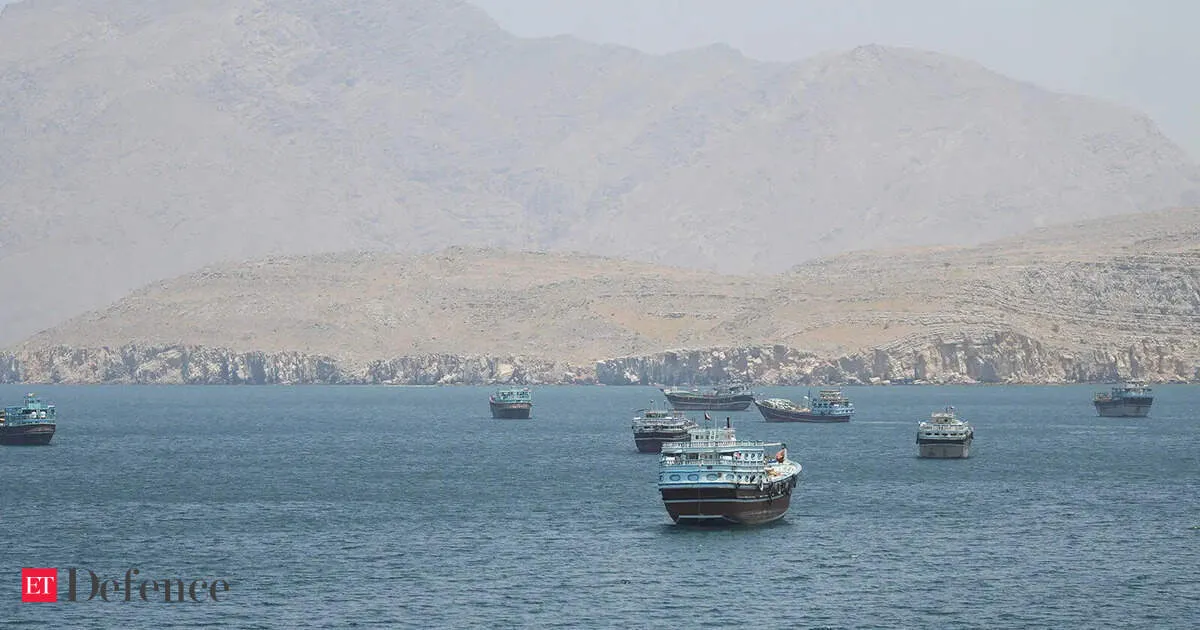
The Ministry of Ports, Shipping and Waterways said Indian vessels and crew currently in the Persian Gulf are under close monitoring. It also confirmed that all Indian seafarers in the region remain safe. Officials did not indicate any specific incident, but emphasized ongoing oversight to ensure crew welfare and operational continuity.
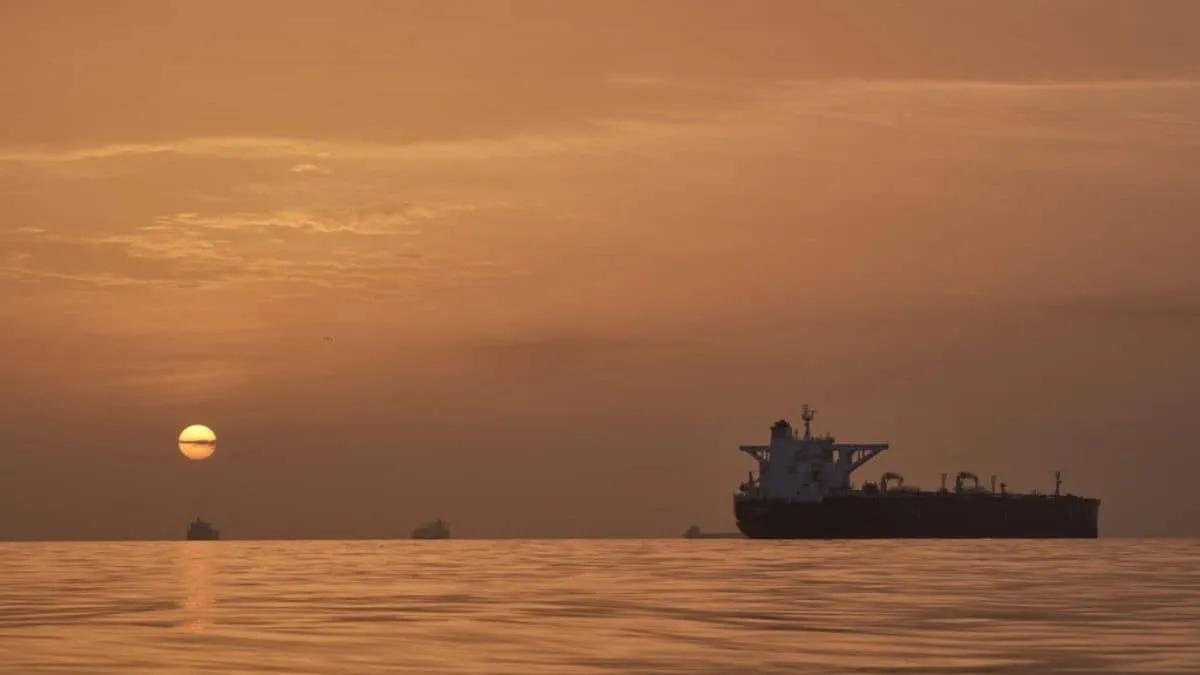
Indian seafarers say they have been stranded for weeks on a tanker in the Persian Gulf as the Strait of Hormuz remains tense during the Iran war. Some report watching drones and missile blasts from their decks, while communication with families is erratic due to internet disruptions and possible signal jamming—leaving sailors reliant on costly roaming to get through.
Fresh optimism over the Persian Gulf is rippling through financial markets. Crude oil prices have slipped, a key signal that traders are pricing in reduced risk. Stock markets are rebounding alongside speculation that the US and Iran could resume negotiations, turning geopolitical hopes into immediate market momentum.
Follow your favourite sources
Track sources, tags and categories — all in the Beige app.
The UN’s International Maritime Organization is drafting an evacuation plan for hundreds of vessels stuck in the Persian Gulf amid weeks of conflict sparked by U.S. and Israeli strikes on Iran. Secretary General Arsenio Dominguez said the plan would activate only if tensions ease, with departures prioritized according to crew conditions and safety.
Escalating tensions in the Persian Gulf are raising fears for millions of Indians employed across the UAE and other Gulf states. Their remittances—amounting to billions—support households and strengthen India’s rupee while funding broader development needs. If shipping routes are disrupted and regional economic fallout deepens, the impact could extend to India’s financial stability.
Amid regional tensions, India’s Ministry of External Affairs said 10 Indian ships have safely exited the Strait of Hormuz, but 14 vessels remain stranded in the Persian Gulf. The government is in contact with Iranian authorities for the safe return of the stranded ships. Separately, the MEA confirmed Commander Purnendu Tiwari remains detained in Qatar, with support efforts underway for him and his family.
Swipe through stories, personalise your feed, and save articles for later — all on the app.