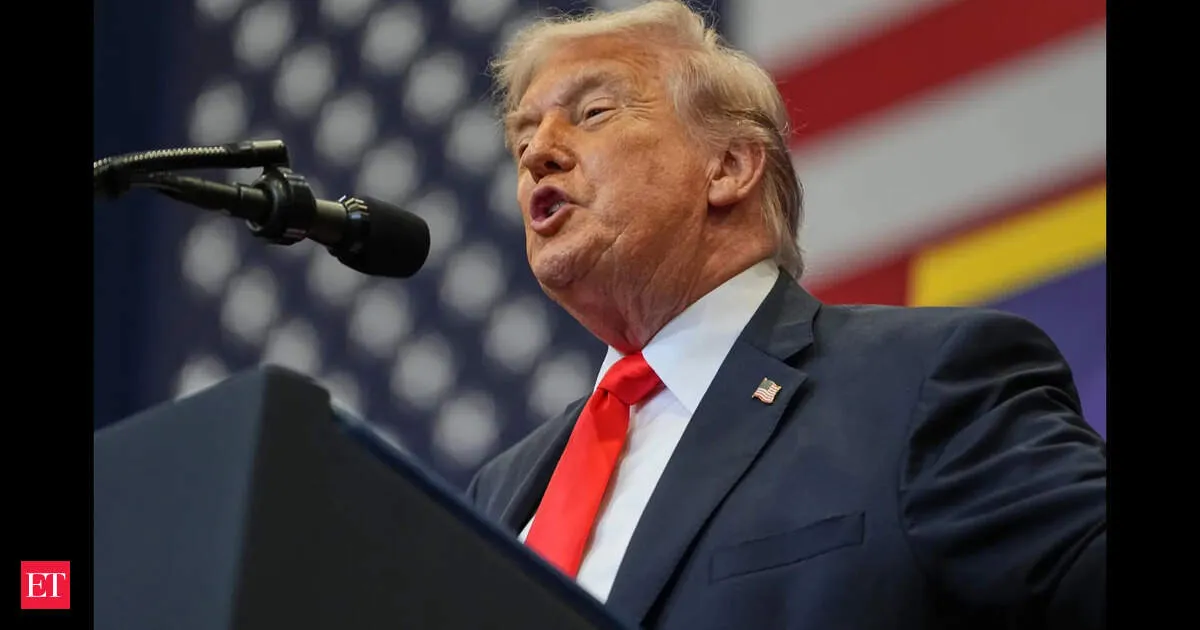
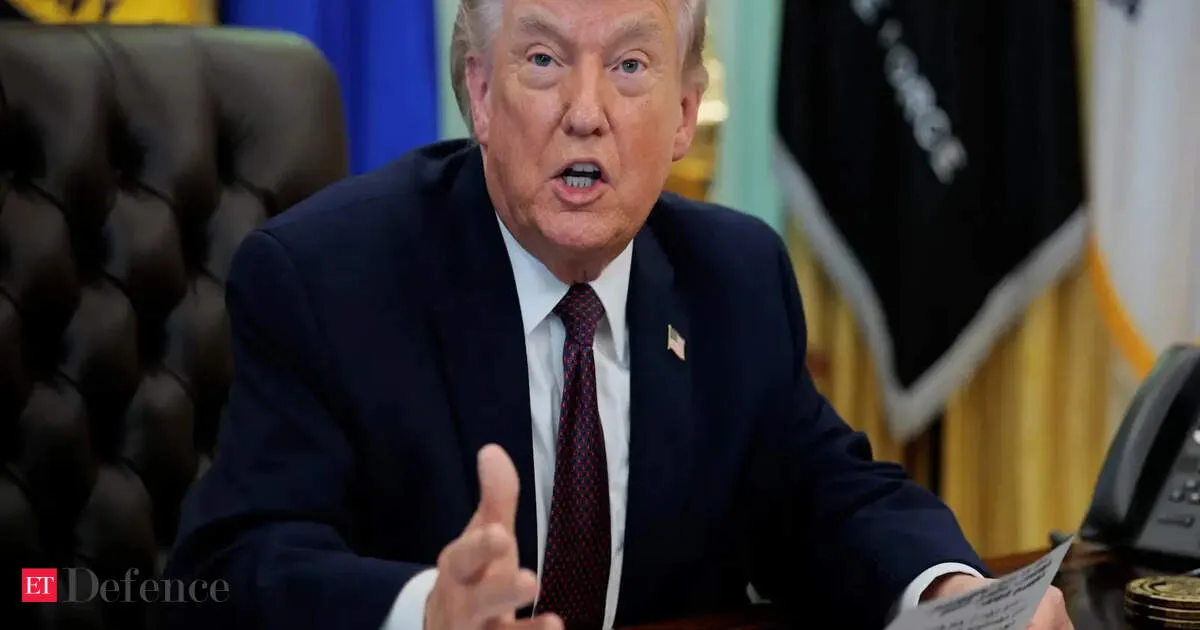
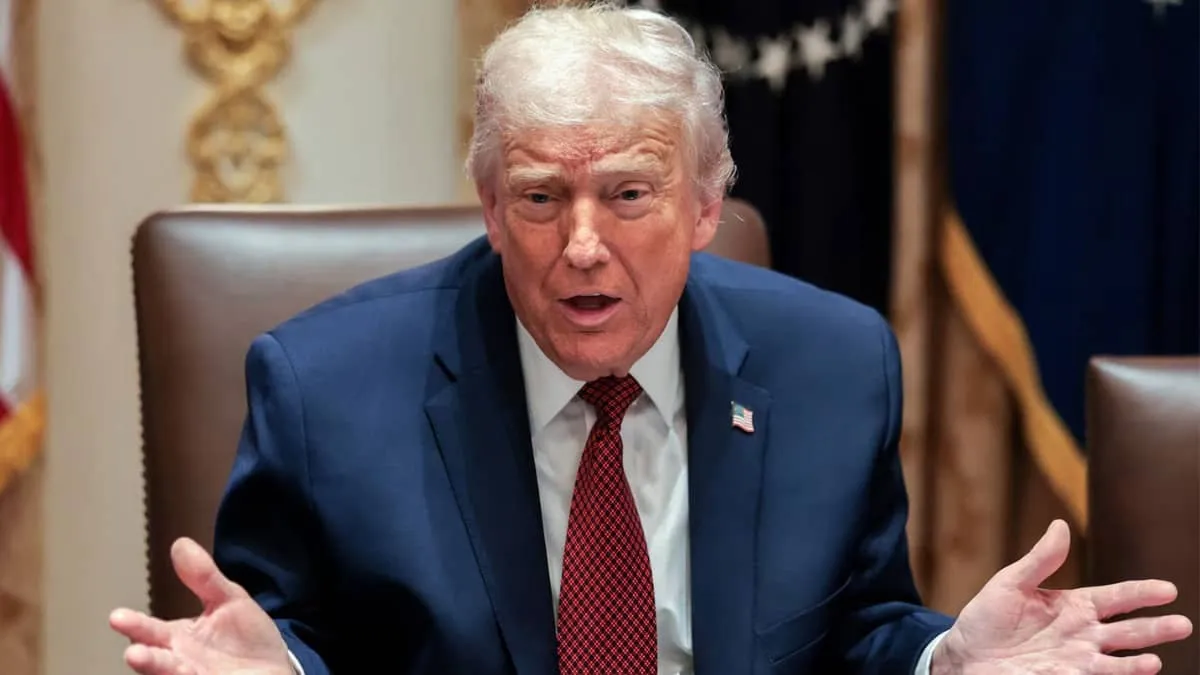
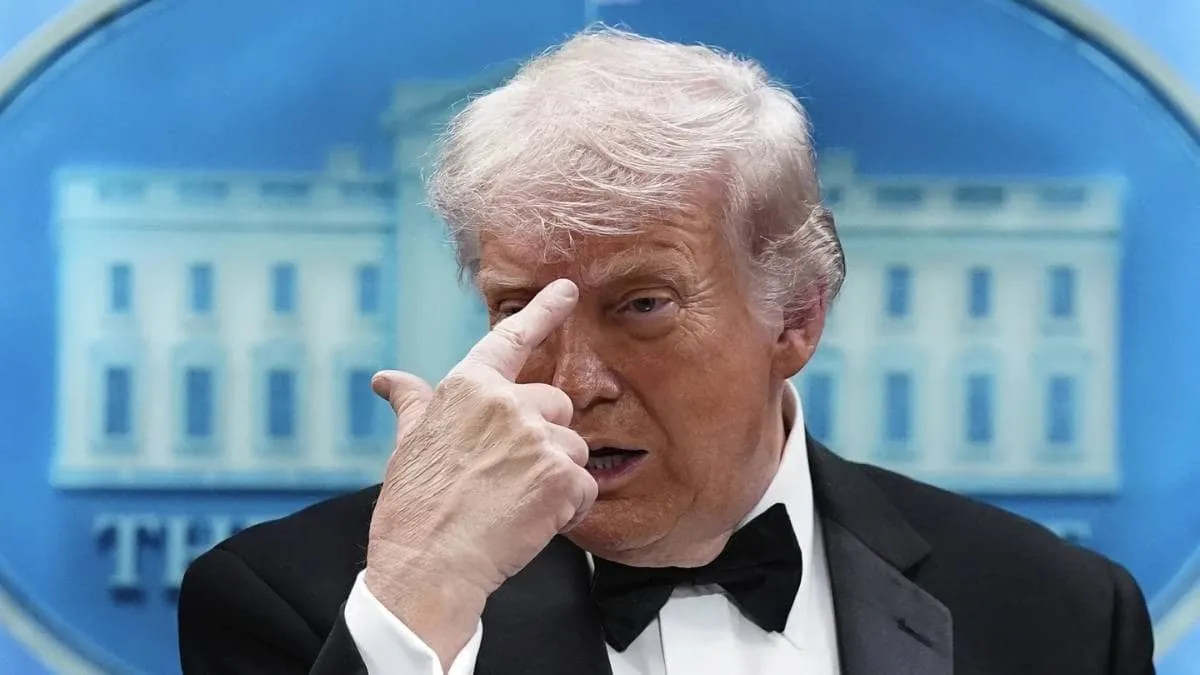
US President Donald Trump said Russia and Ukraine have agreed to a three-day ceasefire running May 9 to May 11, framed as a step toward ending a long war. Trump said it would suspend “kinetic activity” and include a mutual exchange of 1,000 prisoners each. The announcement follows talks after Trump’s April 29 call with Vladimir Putin. Russia also declared a truce for May 8–9 for WWII commemorations, while Ukraine pushed an open-ended pause as negotiations stall over Donetsk.
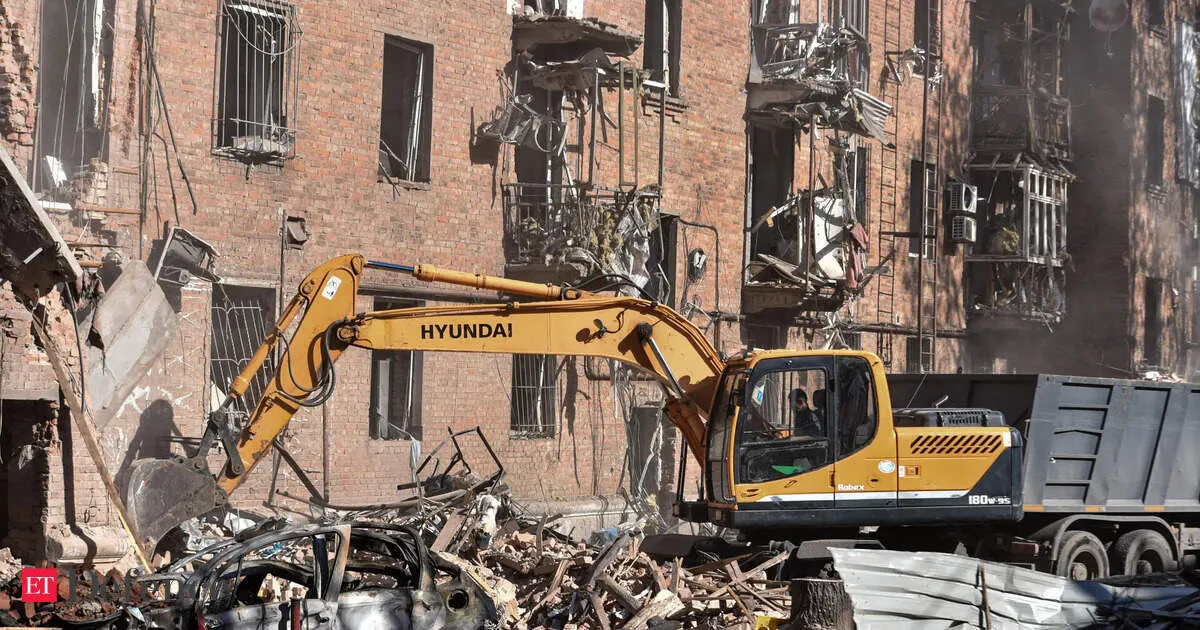
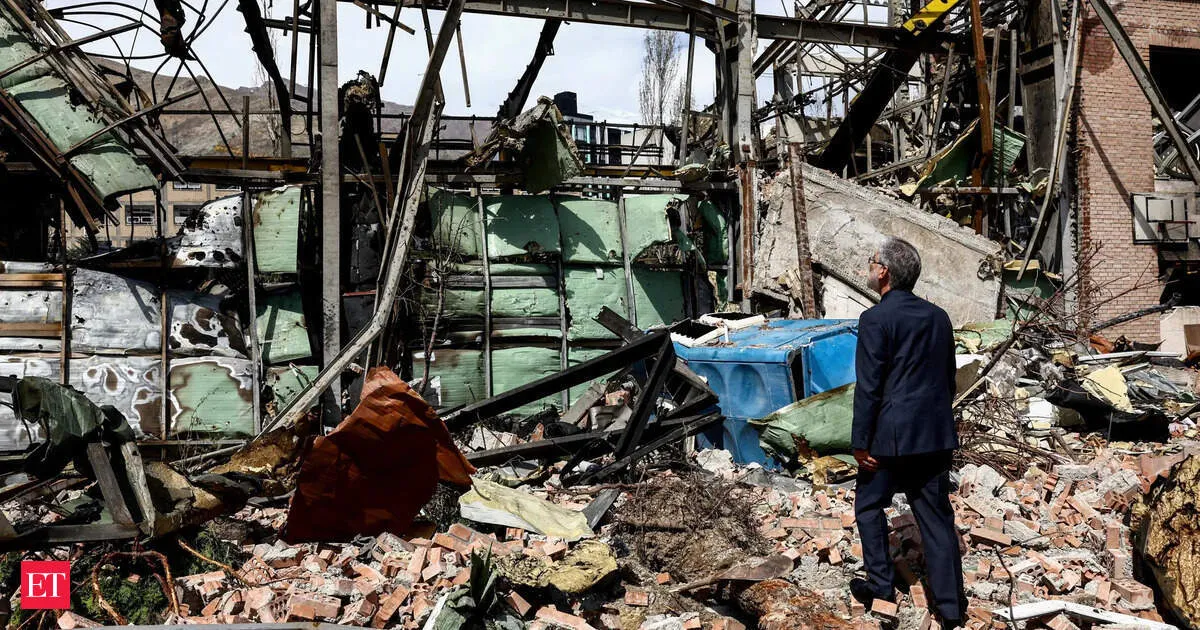
Russia is intensifying drone strikes across Ukraine, hitting infrastructure and civilian areas, while President Volodymyr Zelenskyy urges the international community to step up support. The pressure comes as Trump signals possible peace talks, even as Kyiv appears more emboldened amid the mounting damage and urgency on the ground.
Your news, in seconds
Get the Beige app — every story in 60 words, updated hourly. Free on iOS & Android.
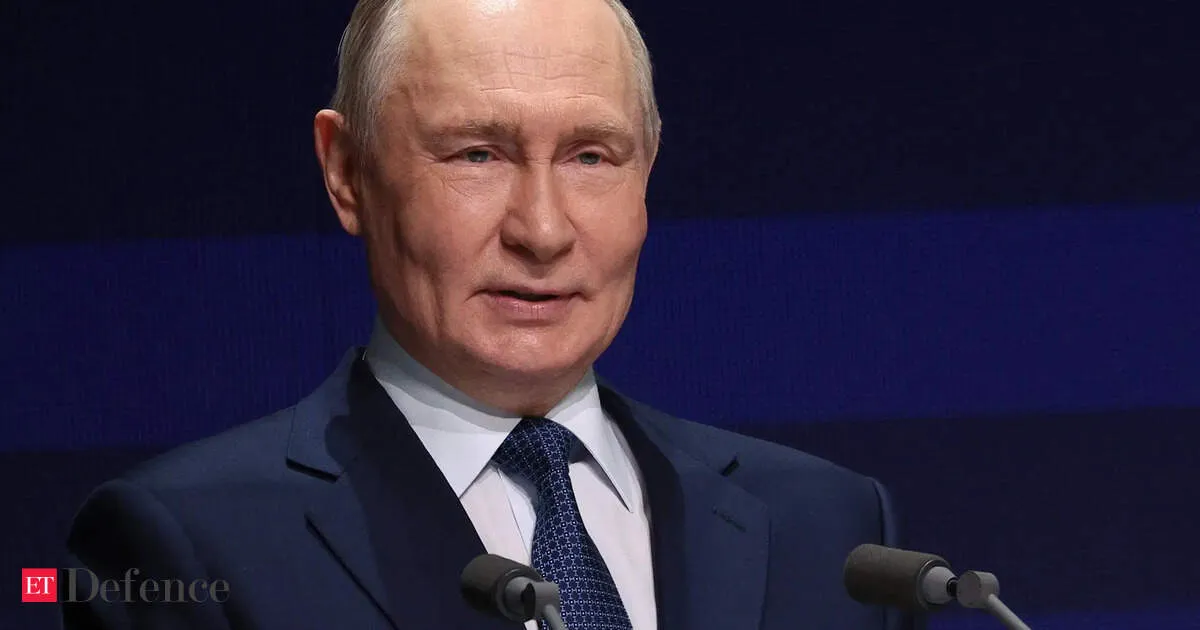
Russia has reiterated that any ceasefire or comprehensive peace talks depend on Ukraine withdrawing its forces from the Donbas region. The push follows President Putin’s claim that the war is nearing its end. Ukraine’s President Zelensky has dismissed the demand as surrender, rejecting Moscow’s conditions for negotiations to begin.
The Kremlin says Vladimir Putin still believes the war in Ukraine is almost over, even as President Volodymyr Zelenskiy casts doubt on Moscow’s willingness to end the fighting. The Kremlin spokesman pointed to supposed “trilateral work” involving Ukraine and the US as groundwork for a peace deal, implying negotiations may be reaching a conclusion.
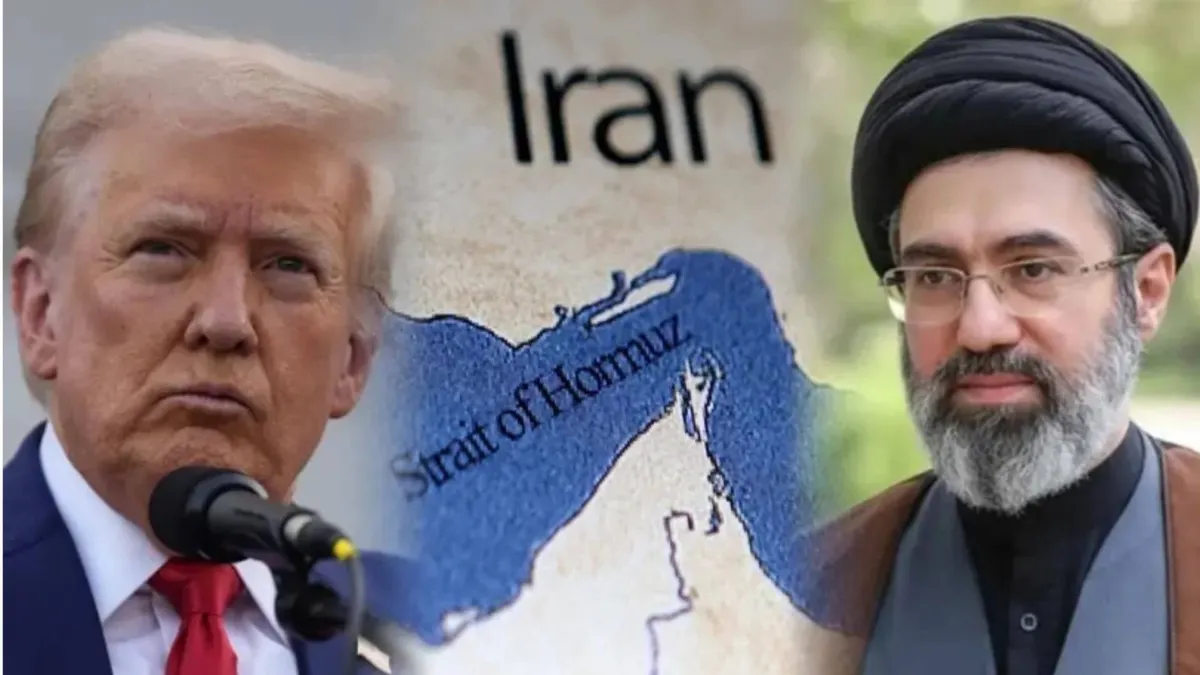
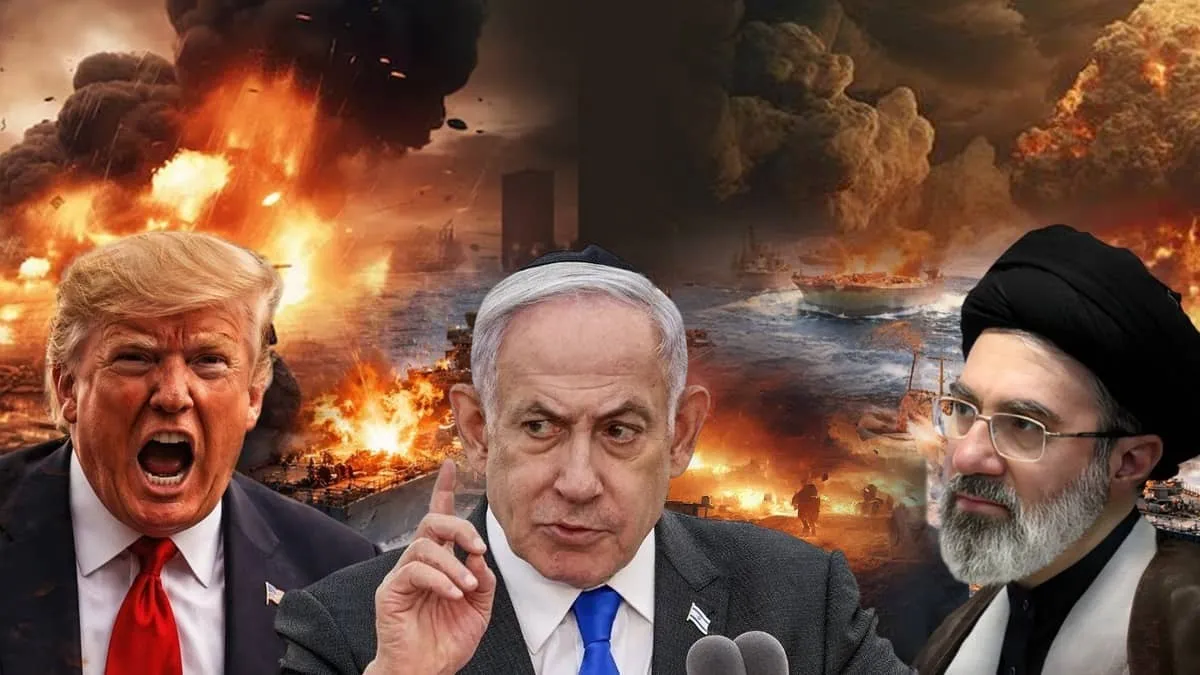
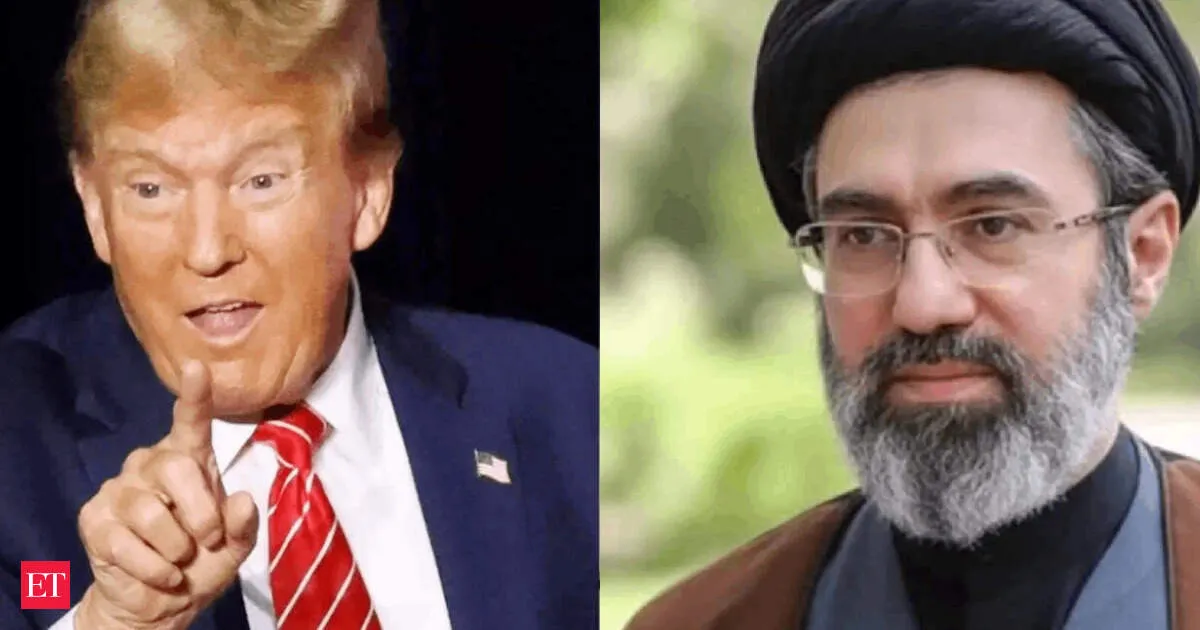
Iran has formally submitted its response to a US proposal aimed at ending the Persian Gulf conflict, but Donald Trump rejected it as “totally unacceptable.” Tehran characterized the US approach as surrender and is pushing for reparations and control of Hormuz, as drone attacks, naval blockades, and stalled nuclear-stockpile talks keep tensions escalating.
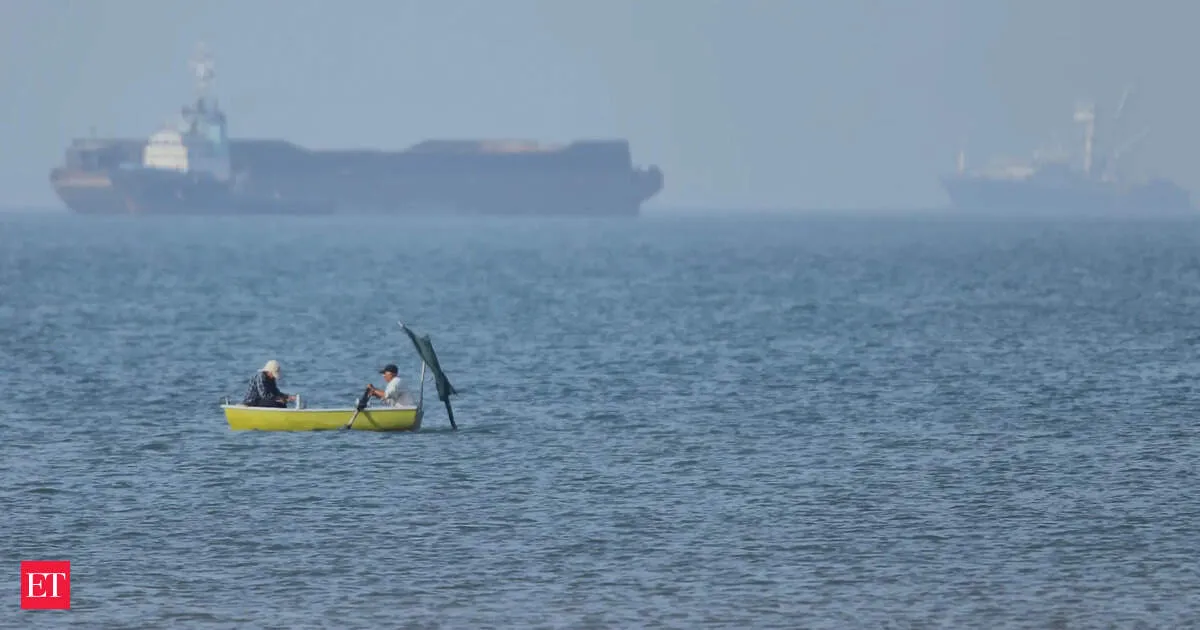
A fragile calm is holding around the Strait of Hormuz after sporadic skirmishes earlier this week eased. The US is awaiting Iran’s response to proposals meant to end recent clashes and open peace talks. Iran has not yet indicated whether it will engage, even as US forces reported strikes on Iranian-linked vessels.
Never miss a story
Set alerts for the topics and sources you care about. Download Beige for free.
US President Donald Trump said he expects Iran to respond by Friday night to Washington’s latest proposal aimed at ending the Middle East conflict. Speaking outside the White House, Trump said he was “getting a letter supposedly tonight,” signaling the US would evaluate Iran’s reply as diplomatic efforts continue amid heightened regional tensions.
Iran has created a new government agency tasked with controlling passage through the Strait of Hormuz, sparking fresh worries for global shipping routes. At the same time, Iran and the U.S. are still reviewing proposals in Pakistan mediated peace talks. Markets are watching closely as expectations for de escalation rise, while Saudi Arabia signals it won’t support the U.S.
Iran says it is reviewing a US proposal intended to formally end the ongoing war, but the plan has not addressed Iran’s key sticking points. Its nuclear program and control concerns around the Strait of Hormuz remain unresolved, prompting skepticism from Iranian officials. US President Trump says he is optimistic, even as negotiations face major hurdles ahead.
As US and Iran talks fail to reach a consensus on ending the conflict, President Trump says Iran’s proposal falls short and leadership appears “confused and disjointed.” Despite some improvements noted, he declines any threat of military escalation. Meanwhile, Tehran announces new maritime measures, while a report cites Pentagon estimates that the US blockade in the Gulf of Oman has cost Iran nearly $4.8 billion.
Reading on mobile?
Open Beige in the app for a smoother experience — free on iOS and Android.
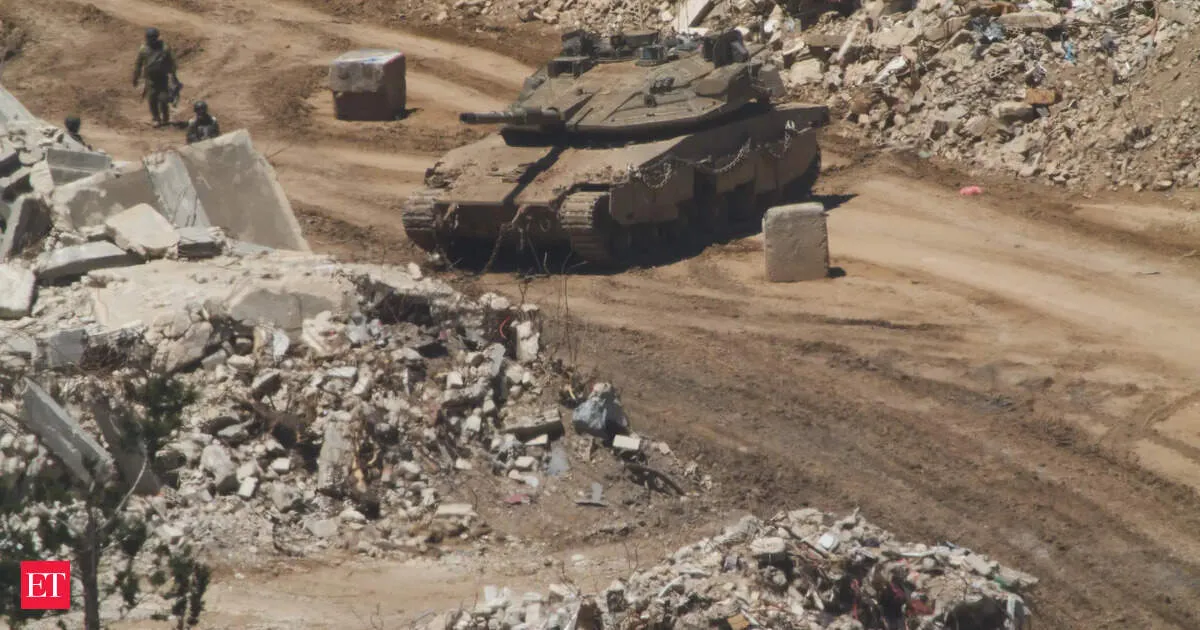
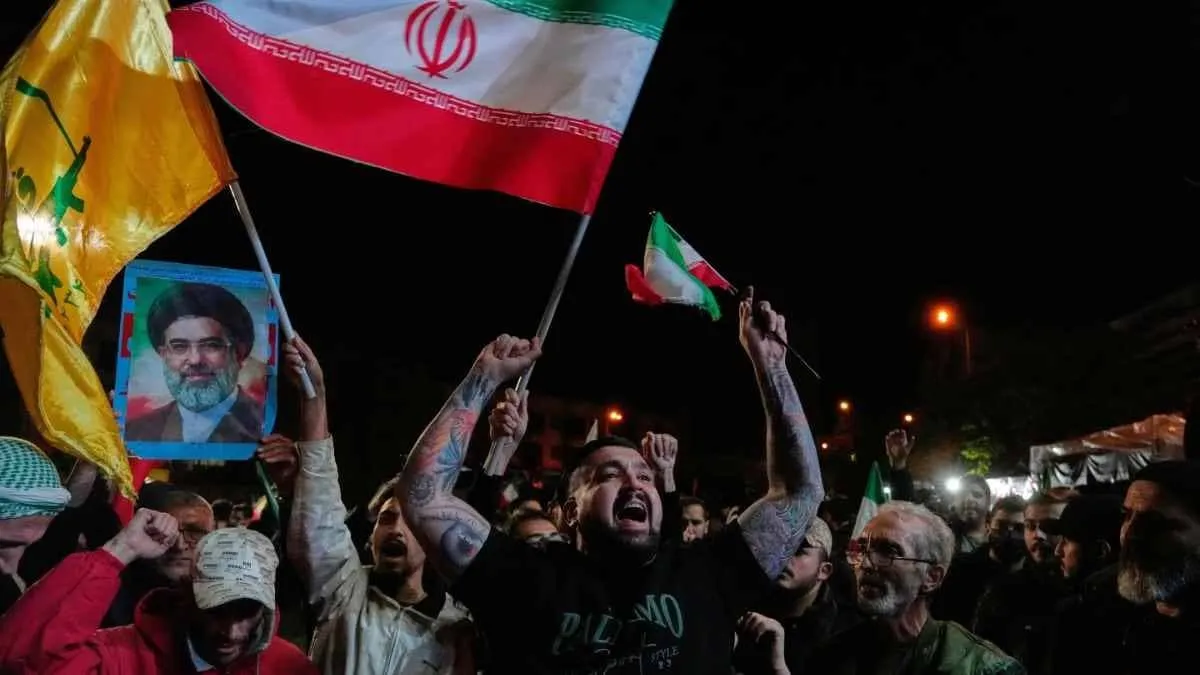
Hezbollah has vowed to disrupt Lebanon-Israel peace talks, with a lawmaker saying the group will not implement any agreements. The remarks come despite a ceasefire, as Israel continues strikes in southern Lebanon. Negotiations—meant to end decades of conflict and secure an Israeli withdrawal—are now strained by Hezbollah’s demand for guarantees against future attacks.
US President Donald Trump has rejected Iran’s newest proposal aimed at ending the war between Washington and Tehran. While tensions remain elevated across West Asia, Trump said he was still “not satisfied” and criticized Iran’s leadership as “fractured,” adding that its approach appeared confused and disjointed, stalling diplomacy again.
Iran is reaching out to Oman to help restart peace talks with the United States after discussions in Pakistan failed to produce a breakthrough. Iranian Foreign Minister Abbas Araghchi met Omani officials, with Pakistan reportedly also involving Oman to revive the channel. Oman’s past mediation between Washington and Tehran makes it a key potential intermediary as fresh talks near.
Iran has reportedly floated a new three phase proposal to the US via Pakistani intermediaries, aiming to de escalate regional tensions and reopen the Strait of Hormuz. The move comes as direct peace efforts have stalled. While President Donald Trump has urged Iran to reach out, he also reiterated that Iran must not acquire nuclear weapons.
Follow your favourite sources
Track sources, tags and categories — all in the Beige app.
Manipur Chief Minister Y Khemchand Singh met NDA MLAs to push for restoring peace and security after renewed violence. Police arrested three people accused of attempting arson in Kangpokpi district. In Ukhrul, security forces intensified operations after a clash left three dead and several injured, with authorities tightening measures to prevent further trouble.
Iran has told Pakistan it will not accept “maximalist demands” as Islamabad hosts a peace effort to end an ongoing conflict. While ceasefires are in place, movement through the Strait of Hormuz remains limited, with only few ships crossing. The U.S. continues pressing Iran to abandon its nuclear weapons program in a verifiable way, even as international flights resume from Tehran.
A shooting at a White House press dinner has sparked questions about possible links to the escalating Iran war and US-led efforts for peace talks in Islamabad. The timing is notable: the incident follows Trump’s decision to cancel envoys’ trip to Pakistan, arguing the negotiations were pointless. Officials have not confirmed any connection, but scrutiny is growing.
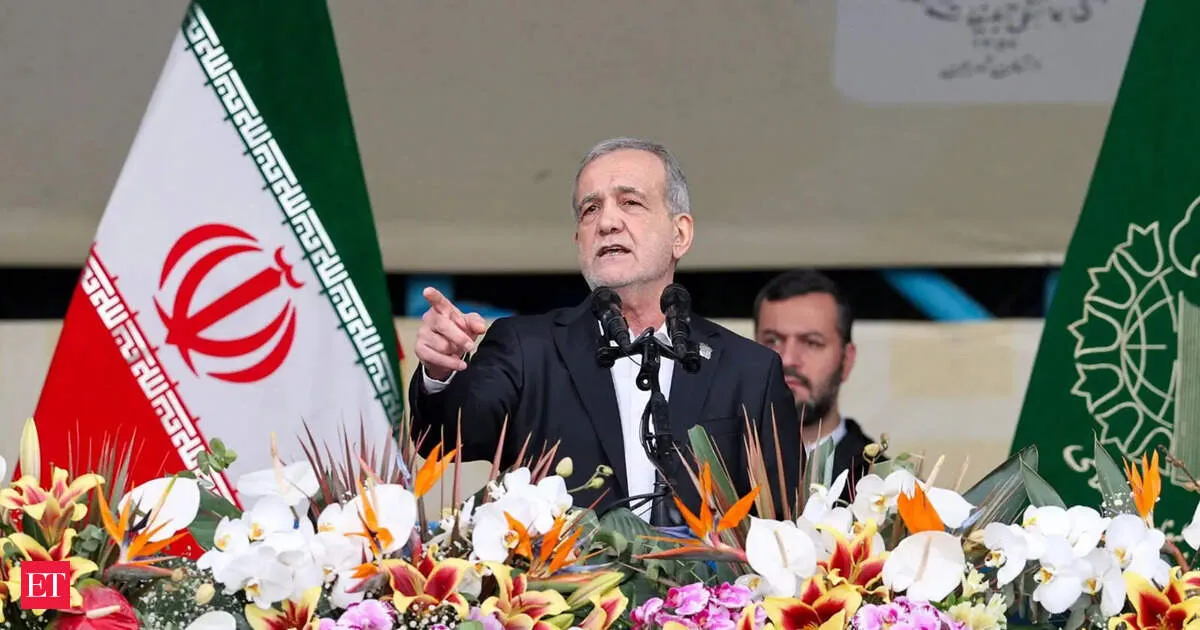
Iranian President Masoud Pezeshkian told Pakistan PM Shehbaz Sharif that Iran will not hold direct talks with the United States under pressure or threats. He pointed to a US naval blockade and hostile actions as the main stumbling blocks, urging Washington to remove those barriers first. The comments come as broader peace efforts remain stalled.
Stay informed on the go
Bite-sized news from 100+ trusted sources, right in your pocket.
Iran is preparing an offer meant to satisfy United States demands, with peace talks expected to restart soon in Pakistan. US envoys are set to travel to Islamabad to meet an Iranian delegation. Donald Trump also said a US port blockade will remain in place until an agreement is reached, though Iran’s proposal has not been revealed.
US President Donald Trump said Iran’s internal disagreements could shape the next phase of peace talks, while Iran responded with a sharp message of “iron unity.” The dispute comes alongside shifting US moves on ceasefire and port pressures, as multiple governments—including India—issue travel warnings even as commercial activity resumes.
Swipe through stories, personalise your feed, and save articles for later — all on the app.