Despite a broader selloff, foreign institutional investors have doubled down on a select group of Indian companies, according to Q4 data. FIIs pulled out about $53 billion from Indian equities since late 2024, yet some stocks still drew heavy ownership. Le Travenues Technology, the parent of ixigo, led with 64.19% FII holding as of March 31, 2026. Urban Company and Paytm’s parent One 97 Communications also featured, alongside 360 One WAM, Redington, CarTrade Tech and others.
Helios Flexi Cap Fund, backed by Samir Arora, increased holdings across Tata Motors, Eternal, and Paytm in April, while also adding stake in eight other firms such as Hero MotoCorp and Bharat Electronics. The fund trimmed exposure to HDFC Bank, Reliance Industries, and Ather Energy, and also introduced fresh investments in Titan Company and Axis Bank.
Your news, in seconds
Get the Beige app — every story in 60 words, updated hourly. Free on iOS & Android.
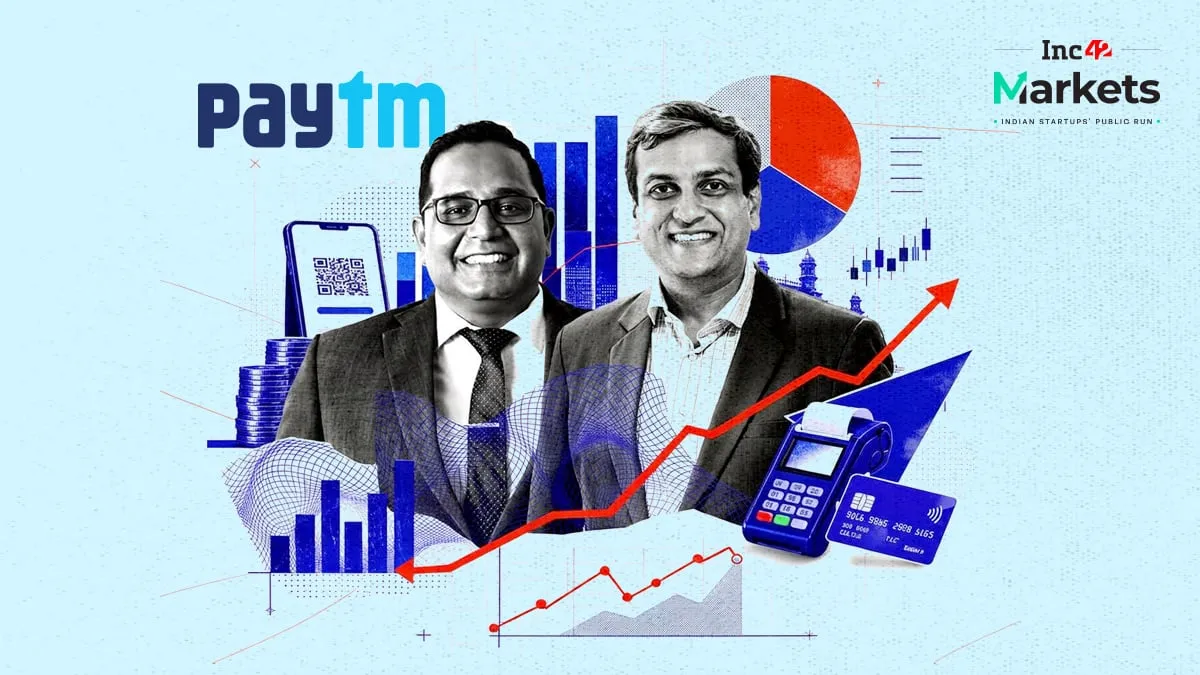
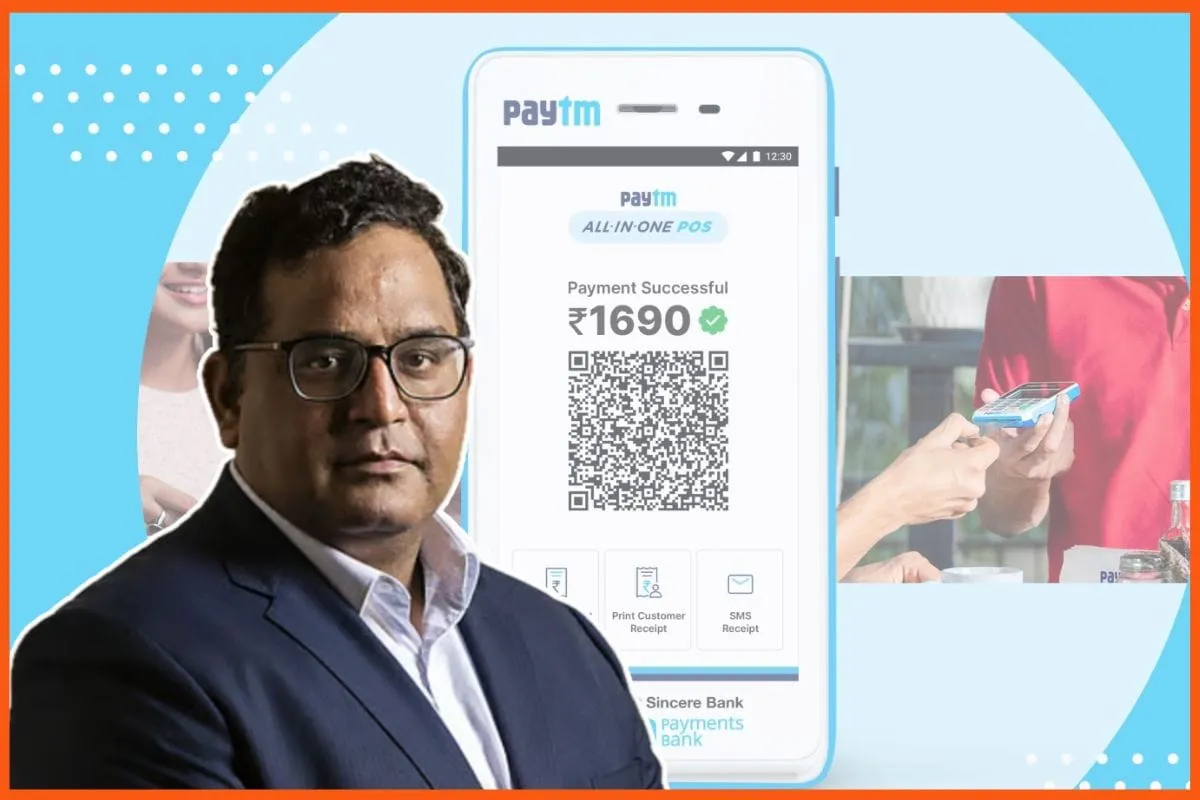
Paytm parent One97 delivered its first full-year profit of ₹552 crore in FY26, after a ₹663 crore loss in FY25. But the win has caveats: interest and investment income from its large cash pile helps materially. Core businesses are improving margins and cash generation, with AI driving cost cuts and growth levers like merchant payments and loans.
Paytm’s parent One 97 Communications gained around 2% after investors cheered the fintech’s first full year of profitability. Shares rose to an intraday high of ₹1,219.10 as brokerages like Goldman Sachs and Citi kept Buy or Outperform ratings, pointing to stronger revenue momentum and growing payments market share even as regulation continues to reshape the landscape.
After posting its first full year of profitability in FY26, Paytm is shifting focus to an AI-led makeover aimed at driving FY27 momentum. Management says it will cap new investments to AI, avoid building its own data centre by renting capacity instead, and automate services across consumers and merchants using applied models and agentic interfaces. The call also sidestepped PPBL fallout while upbeat growth tailwinds lifted shares.
Indian markets closed marginally lower as weakness hit FMCG, IT and PSU banking shares. Amid the softer broader tone, Paytm surged after reporting a quarterly profit. Godrej Industries, Hero MotoCorp, Tejas Networks and Vedanta also climbed, highlighting wide dispersion as investors reacted to company-specific results and momentum trading.
Never miss a story
Set alerts for the topics and sources you care about. Download Beige for free.
Global brokerages including Bernstein, Goldman Sachs, Citi and Jefferies retained bullish ratings on One 97 Communications, Paytm’s parent company. The upbeat stance follows March quarter results coming in ahead of street estimates, with analysts highlighting a beat and pointing to Paytm’s scalable business model as a key driver for continued optimism.
Paytm says it will not pursue an NBFC licence, choosing a partnership model for lending instead. The decision follows the RBI cancelling Paytm Payments Bank’s licence. Despite the regulatory setback, Paytm reported a consolidated profit of Rs 183 crore in the fourth quarter, marking a strong turnaround, while revenues also rose.
One97 Communications, Paytm’s parent company, saw its shares jump up to 6.2% after blockbuster Q4 results. The firm posted consolidated net profit of ₹183 crore in the quarter and, more importantly, reported its first full-year profitability with net profit of ₹552 crore for FY26. Investors are betting on a sustained operational turnaround and renewed growth momentum.
Paytm parent One 97 Communications reported a Rs 184 crore Q4 profit, triggering a sharp rise in its shares. Revenue from operations increased as analysts pointed to stronger momentum and tightly controlled expenses. With performance improving year over year and sentiment staying upbeat, investors are now watching whether analysts can justify more upside from here.
Reading on mobile?
Open Beige in the app for a smoother experience — free on iOS and Android.
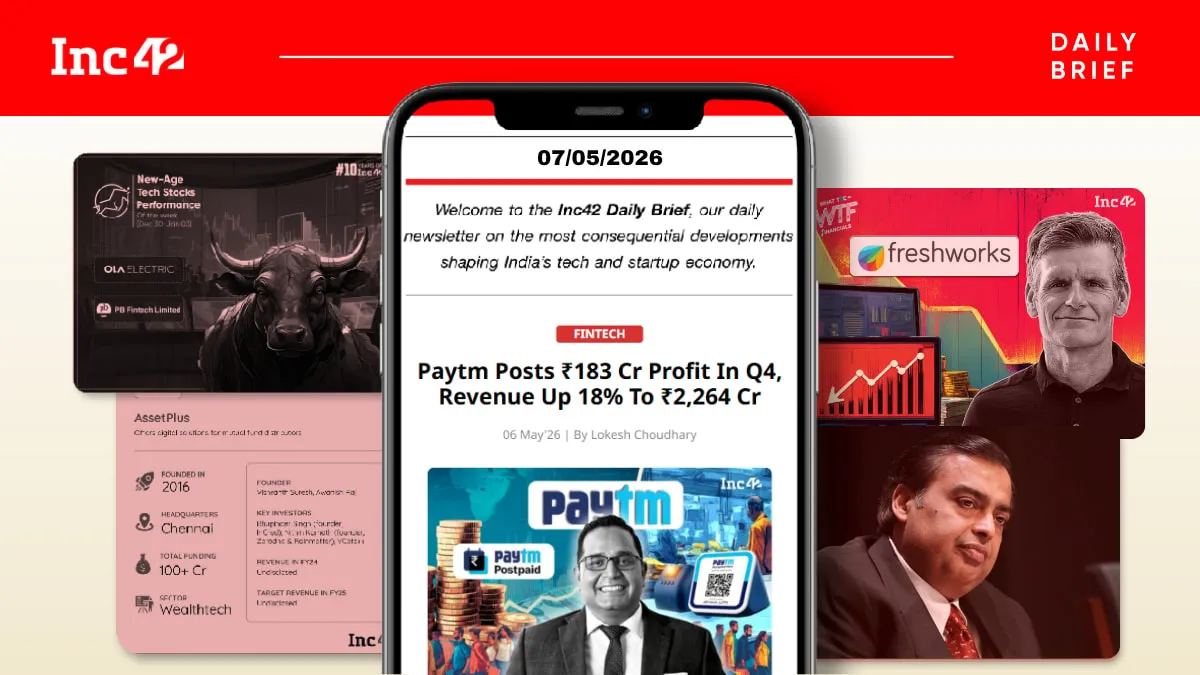
Paytm reported another profitable quarter, posting Q4 FY26 net profit of ₹183 crore and improving EBITDA, driven by cost discipline, AI-led automation and payments strength. Meesho cut losses sharply to ₹166.3 crore and approved ₹100 crore for lending. Freshworks plans to cut 500 jobs, while PB Fintech’s profit jumped and Reliance accelerates satcom plans.
Paytm has reported its first full year of profit in FY26, ending with a net profit of Rs 552 crore, a sharp swing from prior losses. The turnaround was powered by tighter cost control and strong financial services momentum, lifting operating revenue by 22% to Rs 8,437 crore as the payments firm improved performance.
Paytm reported a consolidated net profit of ₹183 Cr in Q4 FY26, reversing a ₹545 Cr loss from the year-ago quarter. Revenue rose 18.4% YoY to ₹2,264 Cr, while sequential revenue increased 3.2%. Total income stood at ₹2,442 Cr, as expenses grew 5.3% YoY. FY26 profit improved to ₹552 Cr after a loss in FY25.
One 97 Communications, the company behind Paytm, reported a net profit of Rs 184 crore in the fourth quarter, reversing last year’s loss of Rs 540 crore. The results mark a sharp swing in profitability, signalling an operational turnaround as investors watch whether the gains can be sustained beyond the quarter.
Follow your favourite sources
Track sources, tags and categories — all in the Beige app.
Paytm has separated its core operations from Paytm Payments Bank after regulatory action, aiming to protect business continuity and sharpen governance. Brokerages say the move has limited impact on the core business, while Paytm’s financials show ongoing improvement with revenue and profit growth. Merchant and consumer engagement remain strong, signaling a resilient model.
Paytm shares dipped around 8% after the RBI cancelled Paytm Payments Bank’s licence, but the stock rebounded quickly as brokerages stayed upbeat. Analysts argue the financial impact is limited because Paytm Payments Bank is structurally separated from the broader Paytm platform and the core business remains strong. Still, sentiment risks linger, with technical levels pointing to near-term volatility.
The RBI has formally cancelled Paytm Payments Bank’s license, ending a process that started in 2022. The bank is now moving into winding-down, with repayments for depositors and wallet users. Key relief: your Paytm app and its payment services operate under a different license, so they are expected to continue functioning.
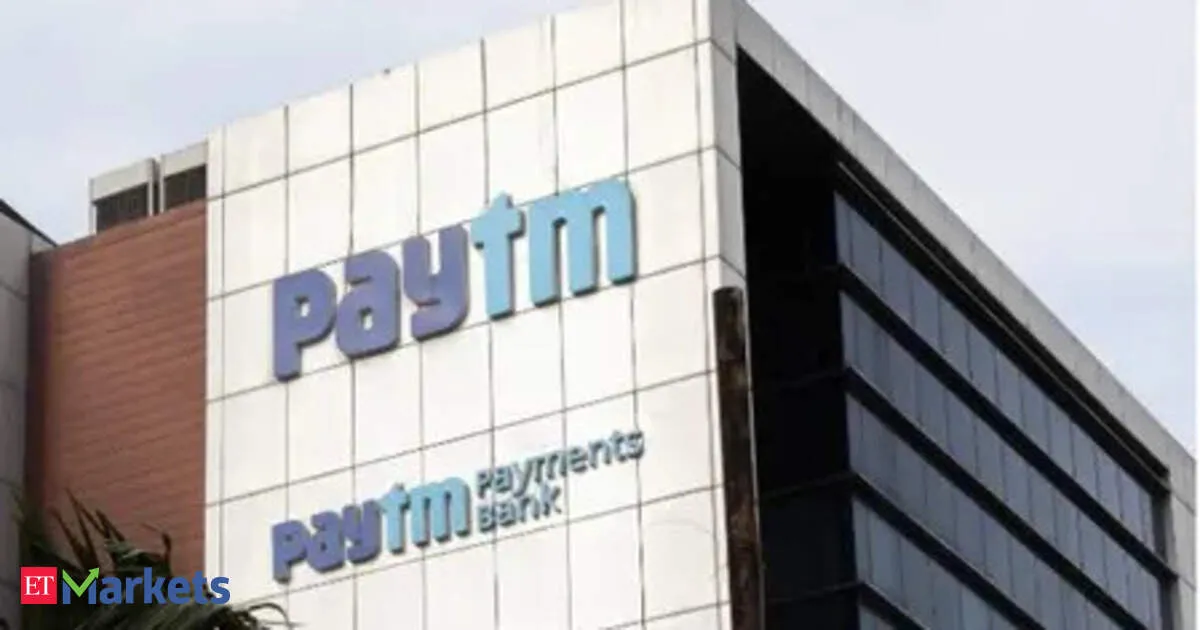
The RBI has cancelled the licence of Paytm Payments Bank, triggering a sharp selloff in One 97 Communications shares and raising questions about Paytm’s banking-heavy model. While RBI safeguards mean deposits are not expected to be lost, Paytm is expected to keep UPI running via partner banks, with wallet and other services continuing with changes. Paytm says it faces no material impact.
Stay informed on the go
Bite-sized news from 100+ trusted sources, right in your pocket.
Paytm shares fell as much as 8% to an intraday low of Rs 1055.25 on April 27 after the RBI cancelled the license of Paytm Payments Bank Ltd. The central bank’s decision follows tighter restrictions on the payments bank’s core activities, adding fresh uncertainty for investors tied to Paytm’s fintech business.
Paytm shares are likely to stay volatile after the RBI cancelled Paytm Payments Bank’s licence, forcing the bank’s closure. Paytm says there should be no material impact because the banking unit was already separated earlier. Bernstein, though wary about the RBI’s regulatory tone, believes disruption will be limited and that licensing opportunities may still emerge.
Swipe through stories, personalise your feed, and save articles for later — all on the app.