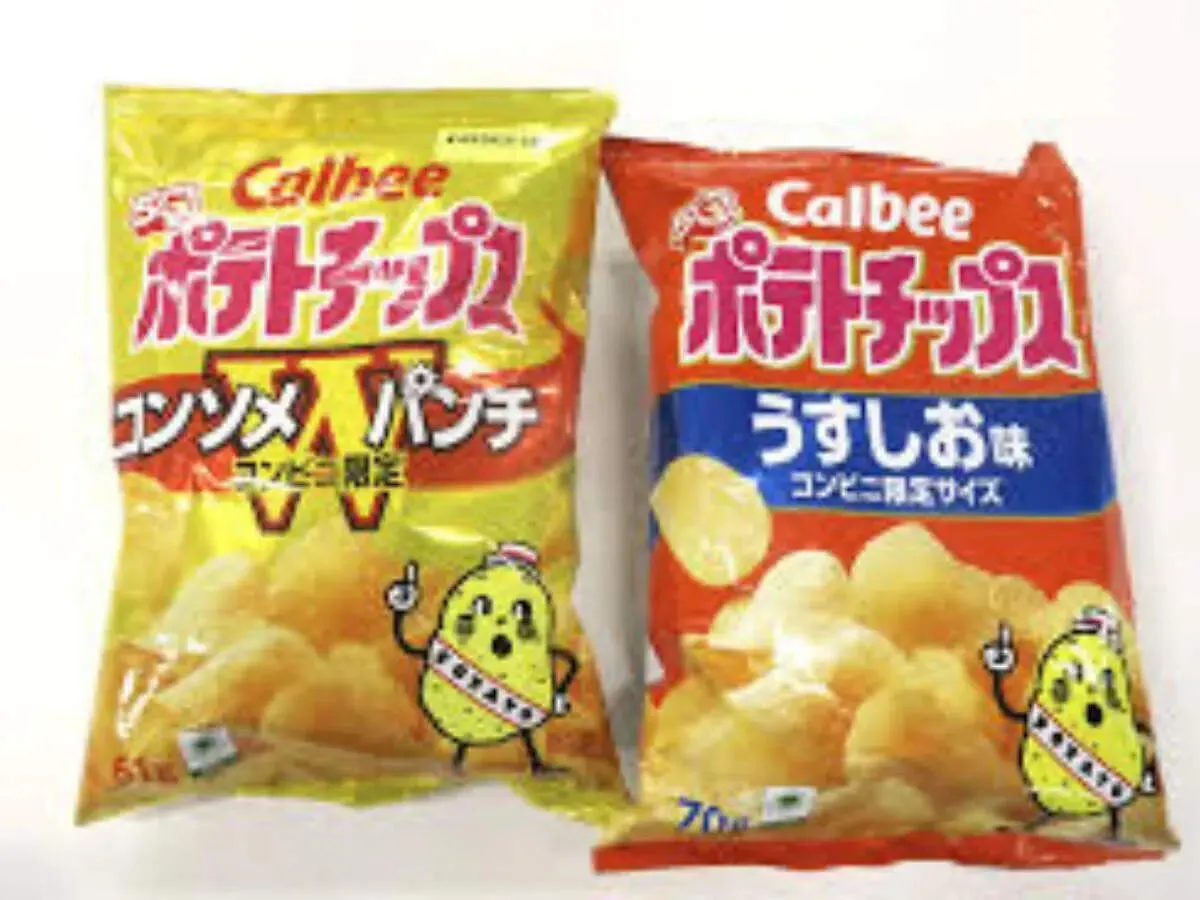
Japanese snack maker Calbee will temporarily switch 14 popular potato chip products to black-and-white packaging from May 25. The company says the move is driven by concerns over supply disruptions and the availability of naphtha, a key Middle East–imported input used for printing ink. Calbee is aiming to keep shipments stable despite disruptions.
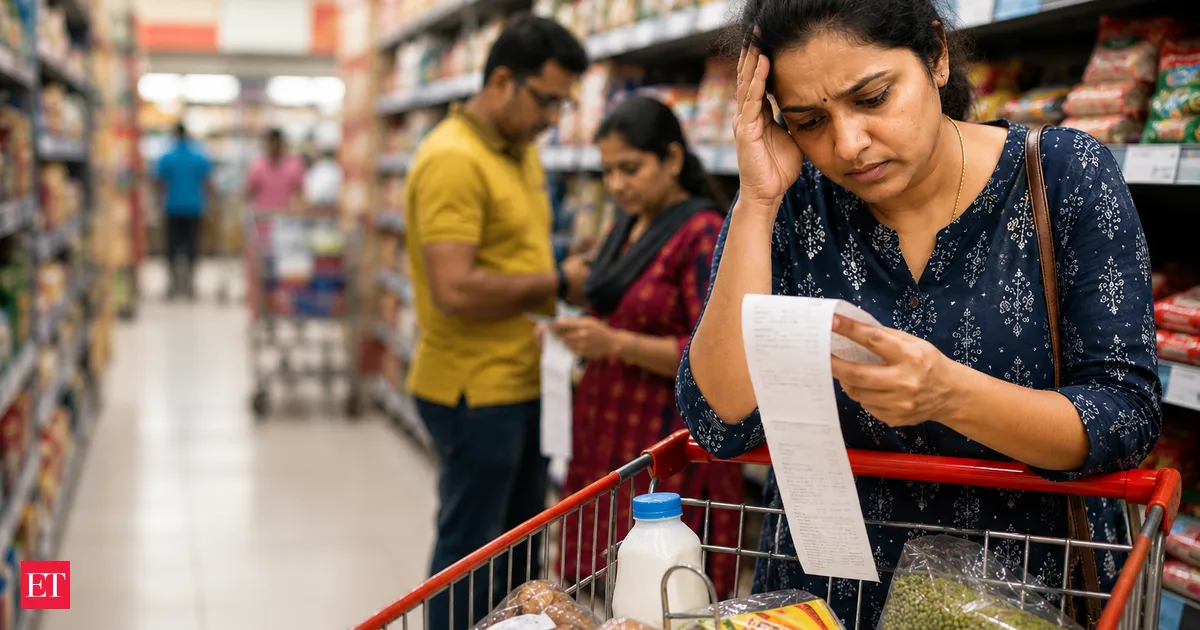
Dabur India expects further price hikes in Q1 FY27, citing persistent inflationary pressure, especially on packaging materials linked to Middle East tensions. The company has already implemented a 4% increase. Other FMCG players like HUL are also seeing higher component and packaging costs, suggesting margins could stay under strain even as demand shows signs of recovery.
Your news, in seconds
Get the Beige app — every story in 60 words, updated hourly. Free on iOS & Android.
Alcohol beverage makers are asking state governments to raise liquor prices, warning that production is getting squeezed by surging packaging costs. They cite sharp increases in the prices of glass, paper, cans and bottles, driven by supply chain disruptions linked to the West Asia crisis. With margins shrinking and costs still climbing, manufacturers warn some units may have to shut down.
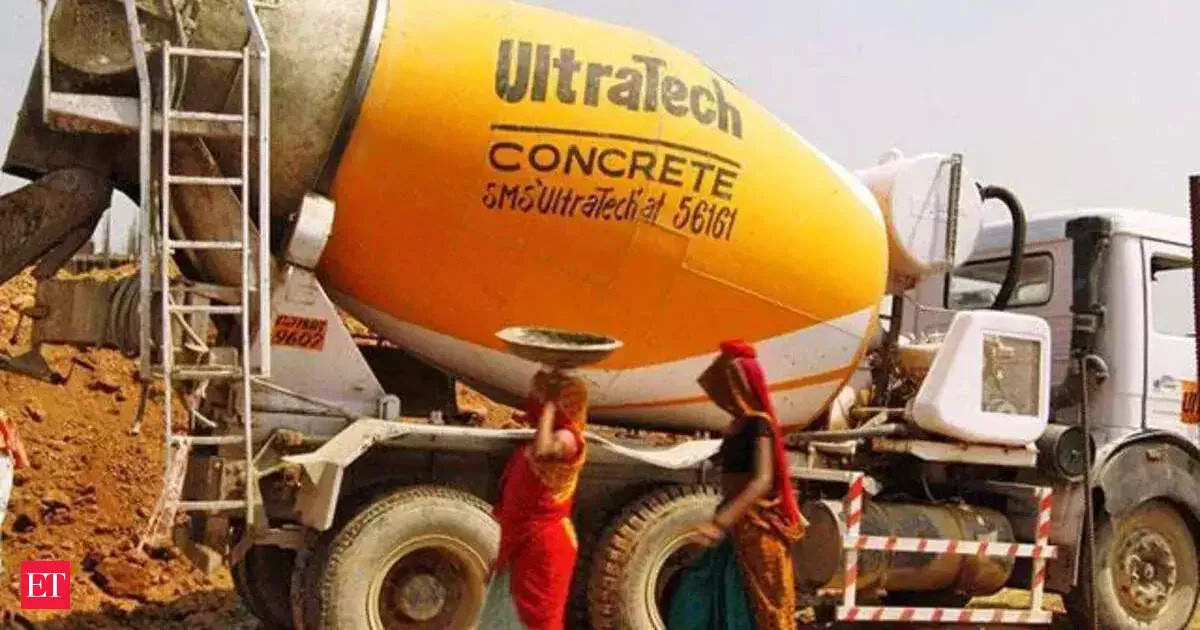
UltraTech Cement says rising expenses tied to plastic packaging and fuel are a major headwind as it targets double digit volume growth in FY27. While the company cautions that these cost pressures could weigh on performance, it is still pushing capacity expansion and expects cement demand to stay supported by urbanisation and government infrastructure spending.
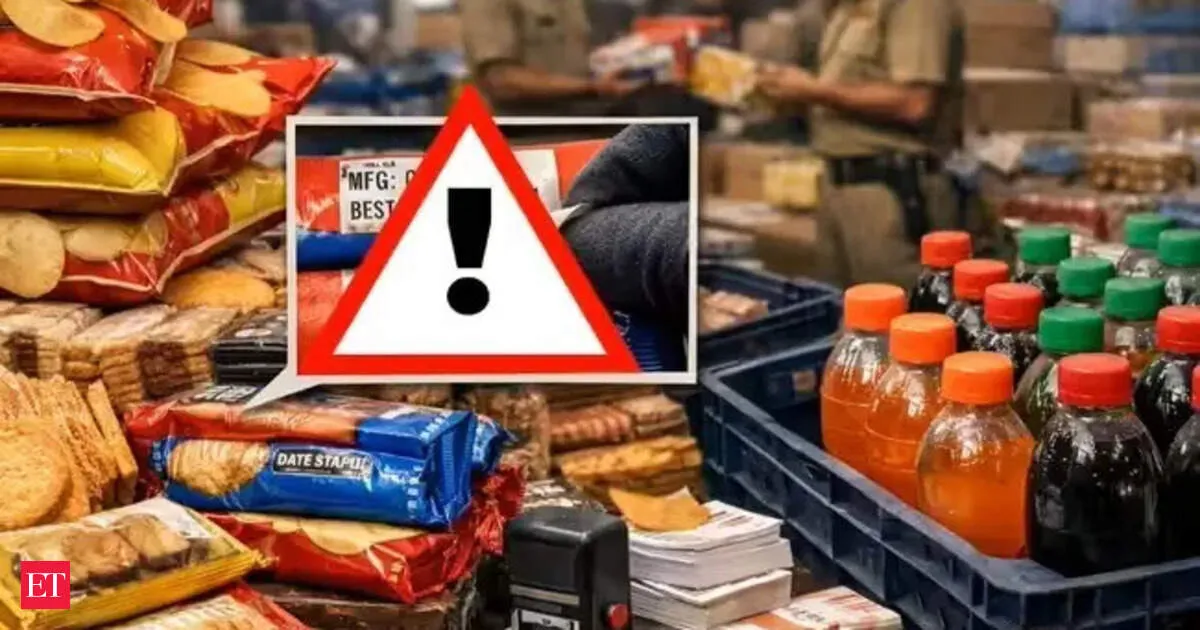
As fake products flood Indian markets, major brands are overhauling packaging and tightening verification checks across categories from toothpaste to cigarettes. Counterfeiters are keeping pace, replicating security features including holograms, while social media spreads brand damage fast. With enforcement gaps widening, companies are increasingly pushing compliance training for distributors and retailers to stay ahead.
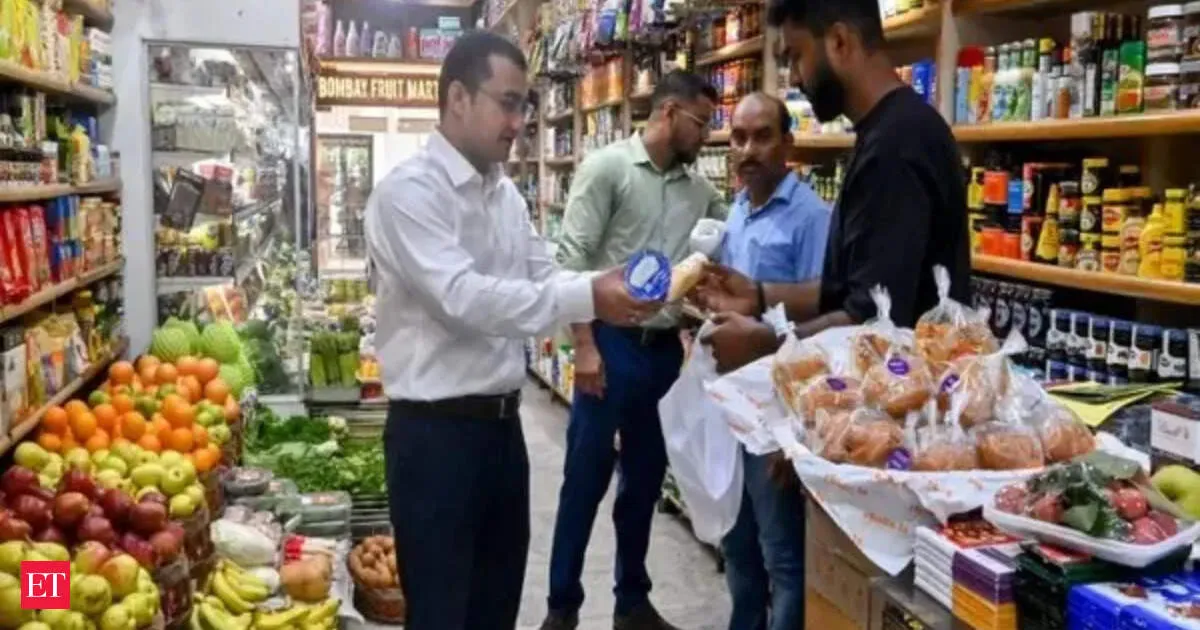
D2C brands are adjusting packaging and product variants as West Asia conflict fuels input cost hikes. To protect margins, companies are shifting to new packaging formats, rolling out larger or pricier versions, and speeding up supply chain localization. The result is a quiet but real shift in pricing and product offerings across multiple consumer categories.
Never miss a story
Set alerts for the topics and sources you care about. Download Beige for free.
Since January 2023, India stopped using standard edible oil pack quantities, leaving consumers to navigate an uneven range of sizes. The result, according to SOPA, is confusion at the shelf and potential deception, as shoppers struggle to compare prices across brands with inconsistent labeling.
India’s commerce ministry held talks with exporters to address the fallout from the West Asia crisis, focusing on disrupted shipping routes, strained port operations, and new packaging challenges. The meeting highlighted rising material costs and supply-chain bottlenecks, while exploring practical steps exporters can take to manage delays and protect export continuity.
Crude oil has crossed $100 a barrel, and the shock is rippling into packaging costs and supply-chain planning. Higher input prices are making packaging more expensive, while uncertainty is pushing firms to favor availability over savings. Instead of optimizing inventory, many are stockpiling supplies to reduce disruption risk as conditions remain volatile.
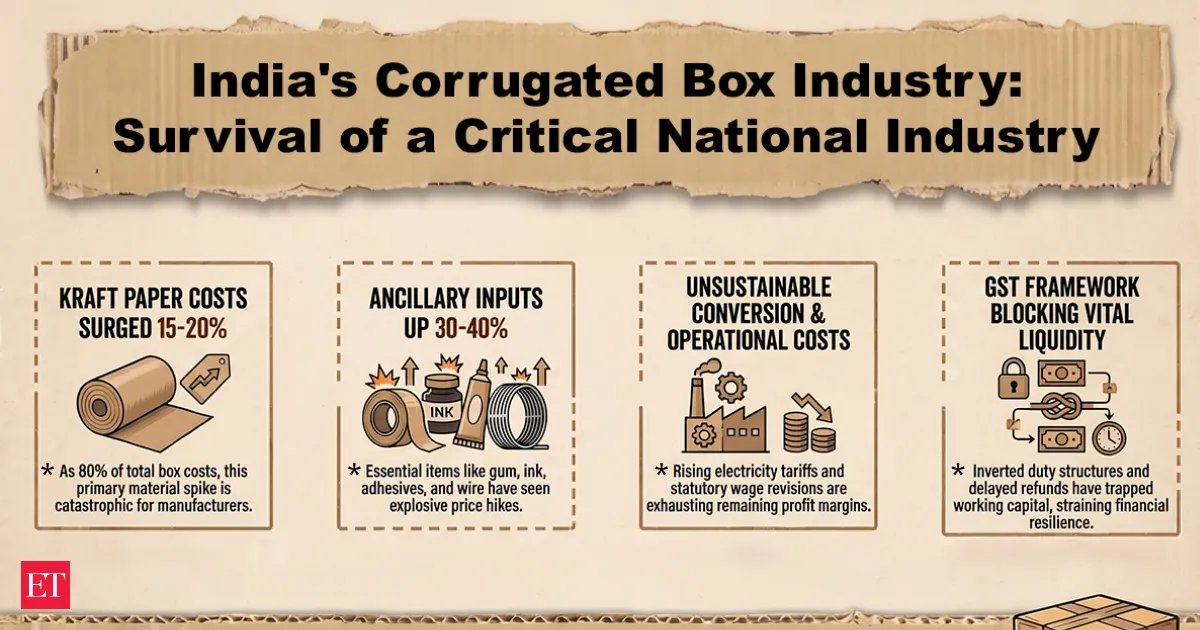
India’s corrugated box industry is warning of a severe cost squeeze as kraft paper prices jump 15–20% and key inputs like gum and ink rise 30–40%. Higher factory running costs are compounding pressure, while delayed GST refunds are tying up working capital. Manufacturers are now calling for immediate price revisions and policy support to prevent supply disruptions.
Reading on mobile?
Open Beige in the app for a smoother experience — free on iOS and Android.
Swipe through stories, personalise your feed, and save articles for later — all on the app.