Starbucks plans to open its first corporate technology office in India for fiscal year 2027, starting recruitment after a site is selected later this year. The move is designed to cut $2 billion in costs by reducing dependence on third-party tech providers, including roles previously outsourced during earlier restructuring. Chief Technology Officer Anand Varadarajan said external vendors charge markups and that bringing work in-house will create closer ties to teams. Meanwhile, Starbucks is relocating about 270 tech roles to Nashville and has laid off thousands of workers.
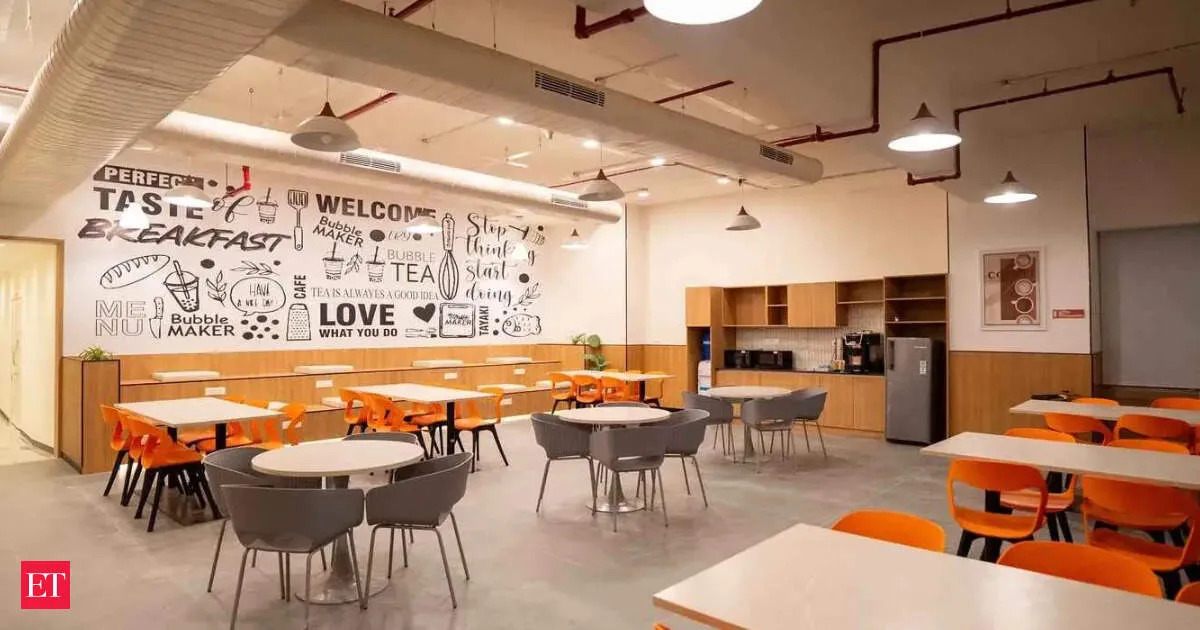
Flexible workspace provider Urban Vault expects to earn Rs 50 crore in revenue in FY 2026–27 from design, fit-out and facility management as large enterprises increasingly outsource turnkey office creation. The company cites a shift away from heavy upfront capital spending toward faster occupancy and simpler operations. Urban Vault recently delivered a fully operational Mumbai office for an IT services firm in 90 days, with a five-year facility management contract attached. The deal generated about Rs 25 crore upfront and recurring revenue near Rs 15 crore annually, lifting total contract value to nearly Rs 100 crore.
Your news, in seconds
Get the Beige app — every story in 60 words, updated hourly. Free on iOS & Android.
A new Z47 OpenAI report on India’s AI use says mature adopters are slashing BPO and outsourced work. More than a third have reduced outsourced tasks by over a quarter. The report also claims most “new” AI spending isn’t from fresh tech budgets, but from reallocating money away from outsourcing and software as a service toward AI.
A video from Pune showing loan recovery agents using force on a borrower has highlighted deeper failures in India’s retail lending system. Banks chasing aggressive loan targets can lead to rushed credit checks, while outsourcing recovery to private firms with misaligned incentives can result in intimidation. Stronger credit appraisal and tougher regulation of recovery agent fees are needed to stop repeat misconduct.
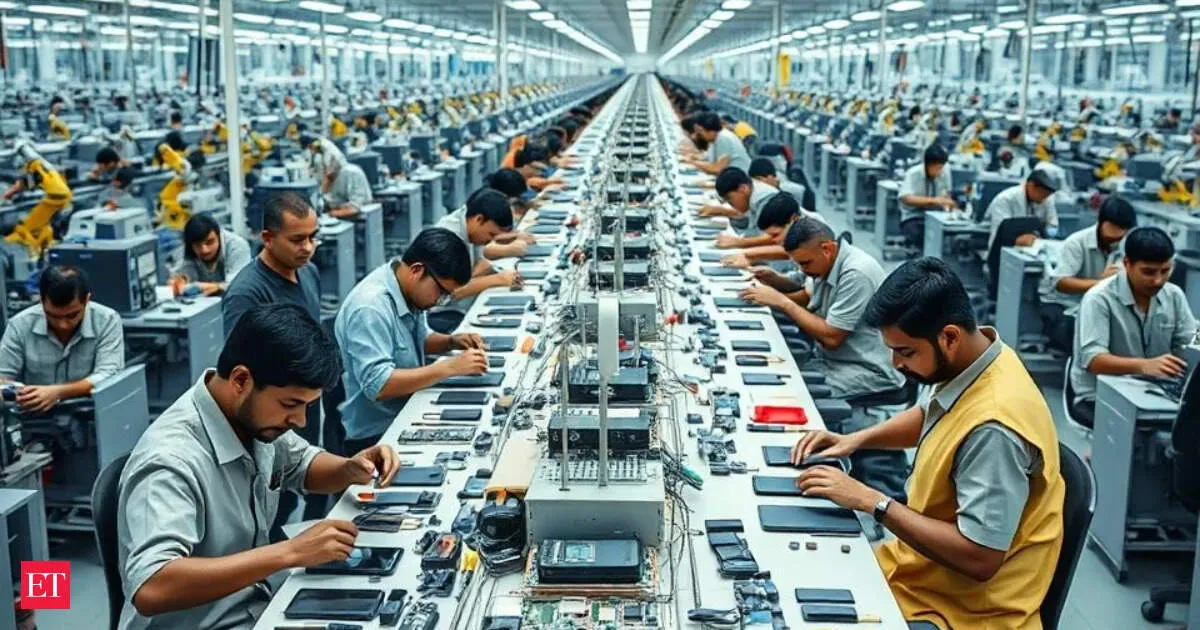
More than a quarter of the smartphones sold in India are now made by domestic firms, led by Dixon Technologies as the country’s biggest smartphone maker. The change is fueled by global brands increasingly outsourcing production to India. With exports becoming a major engine for electronics manufacturing, policy support is accelerating the shift, and further growth is expected ahead.
The U.S. Department of Labor is warning about “body shopping” in the H-1B program, where staffing firms place foreign workers at client sites. Officials say it lets wages be compared against the outsourcing firm’s lower pay levels, potentially widening gaps with U.S. workers. A proposed rule would push prevailing wages higher to close the loophole and tighten compliance.
Never miss a story
Set alerts for the topics and sources you care about. Download Beige for free.
Since ChatGPT’s November 2023 surge, Indian IT firms have signed AI contracts touting efficiency boosts of up to 50% for clients. Now, with the fiscal clock ticking, providers must convert marketing claims into measurable results—an execution test that could reshape trust, pricing, and future AI outsourcing contracts.
Global talent partner AMS is expanding its Pune Global Capability Centre, aiming to staff it with over 400 professionals by the end of 2026. The move is designed to meet rising demand from international markets, as India remains a top destination for GCCs. The Pune center will focus on client services delivery and analytics to support global operations.
Swipe through stories, personalise your feed, and save articles for later — all on the app.