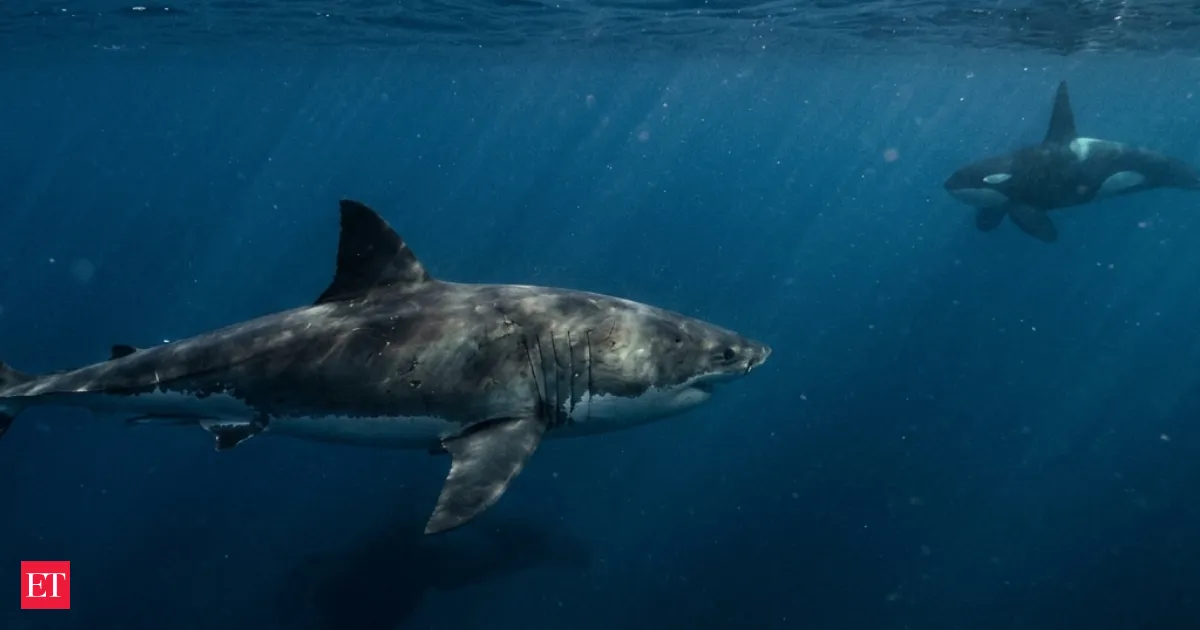
New research suggests great white sharks aren’t always the ocean’s top predators. Killer whales, or orcas, are increasingly recorded encountering sharks worldwide, and sharks are often seen adjusting their behavior to avoid them. Scientists say this isn’t panic—it’s a calculated survival strategy. The result: a shifting predator-prey relationship that’s more complex than expected.
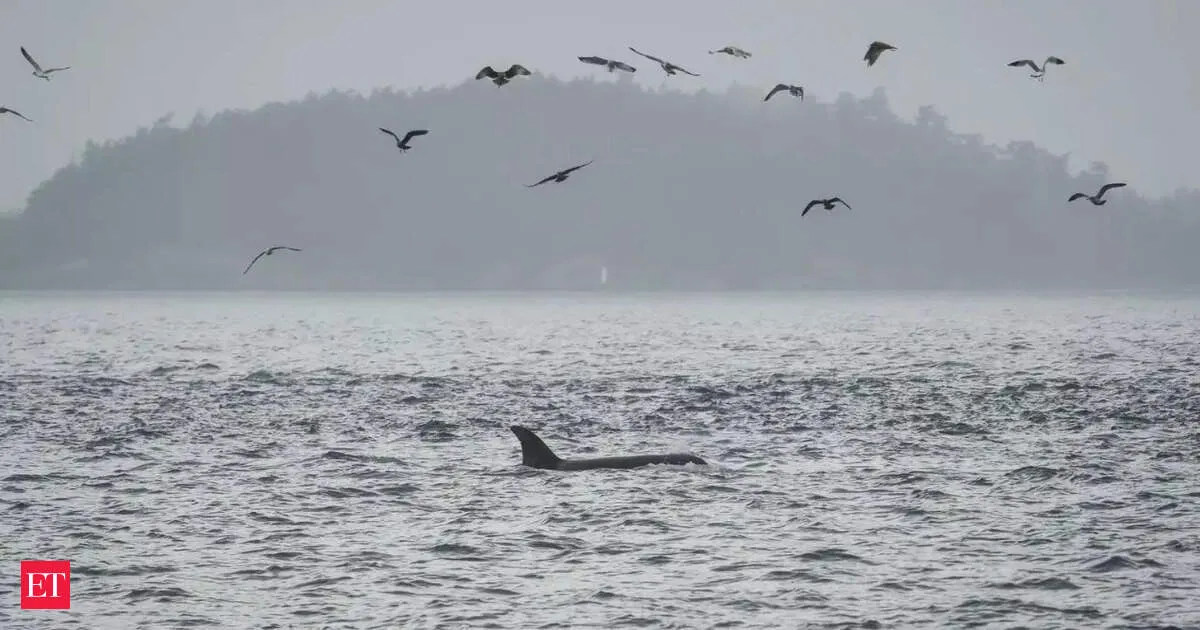
Researchers in the Salish Sea are repurposing miles of existing underwater fiber-optic cables into a huge listening network using Distributed Acoustic Sensing. The system can detect orca vocalizations, helping scientists track how the whales respond to ship traffic, dwindling food, and climate-related changes. If proven, it could reshape conservation monitoring far beyond one region.
Your news, in seconds
Get the Beige app — every story in 60 words, updated hourly. Free on iOS & Android.
Swipe through stories, personalise your feed, and save articles for later — all on the app.