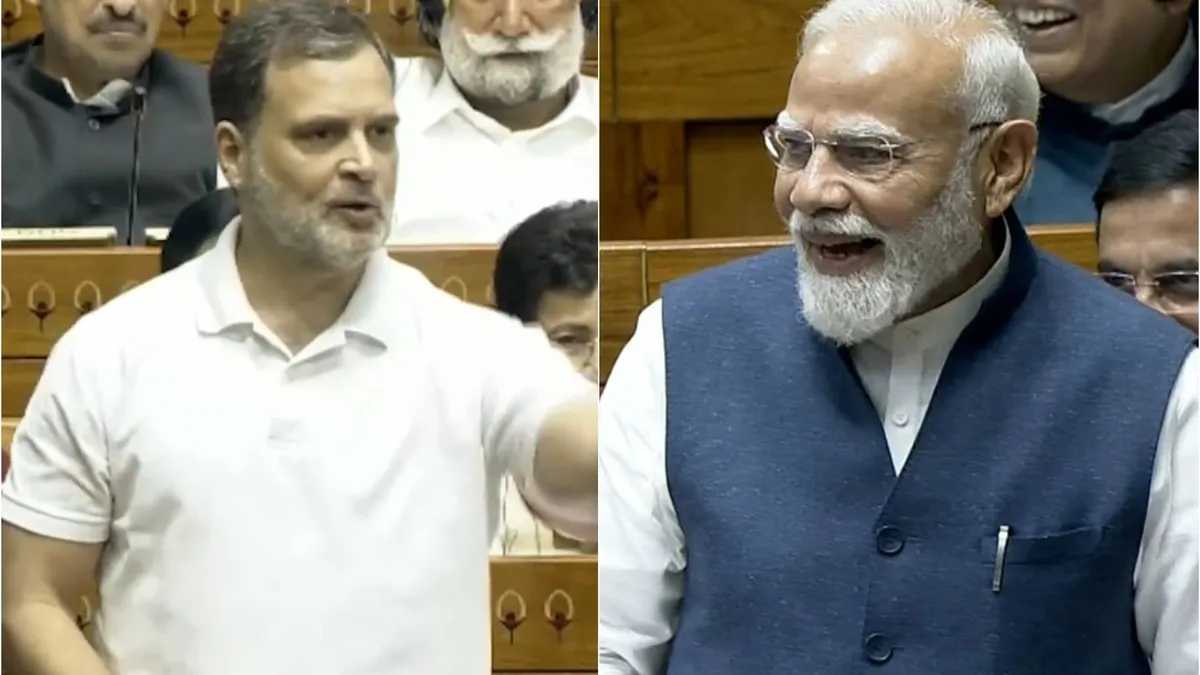
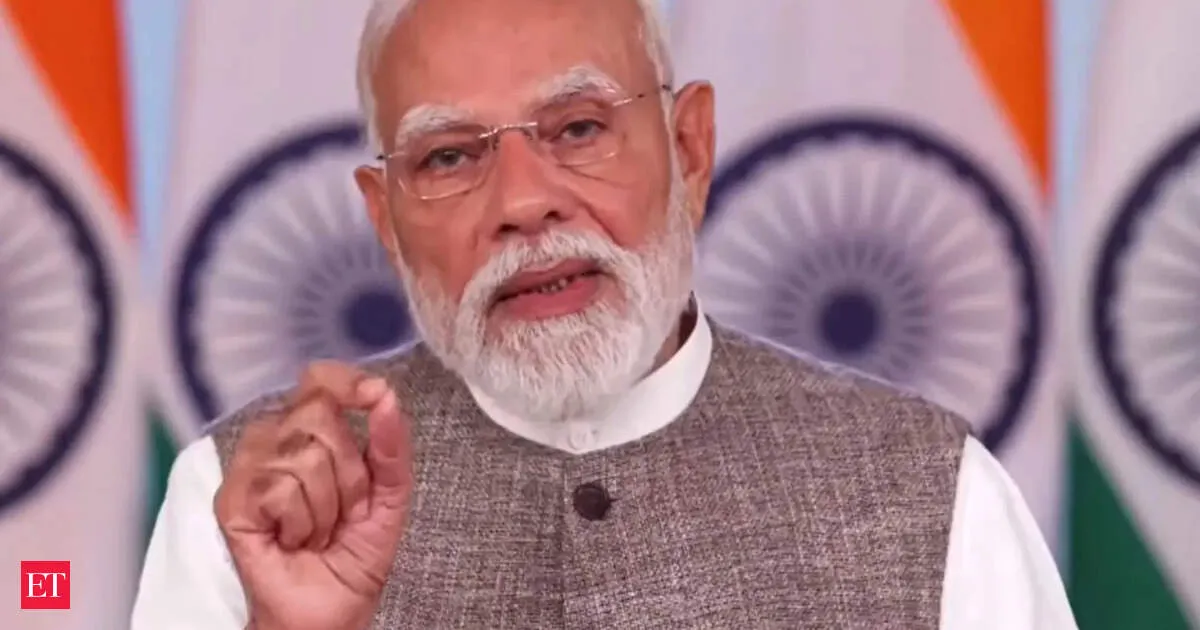
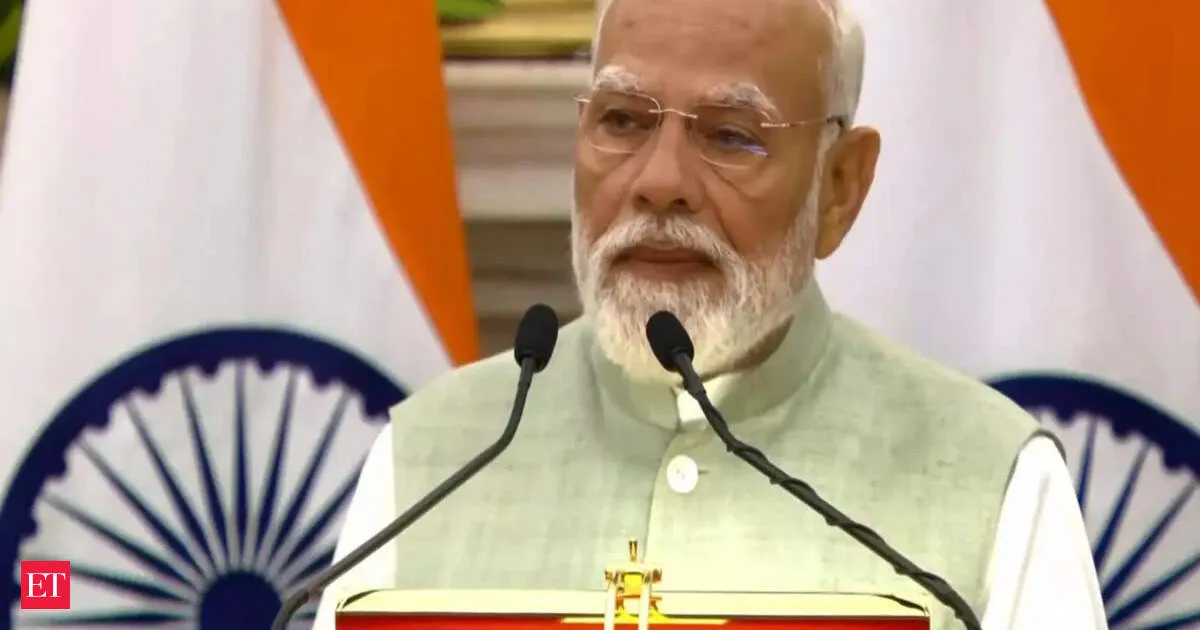
A new political storm erupted after Prime Minister Narendra Modi’s “seven appeals” urged steps to shield India’s economy from the worsening West Asia crisis. BJP framed the move as “economic self-defence,” but Opposition leaders accused it of repackaging failures. The debate quickly became a battle over responsibility, messaging, and economic preparedness as tensions abroad intensify.
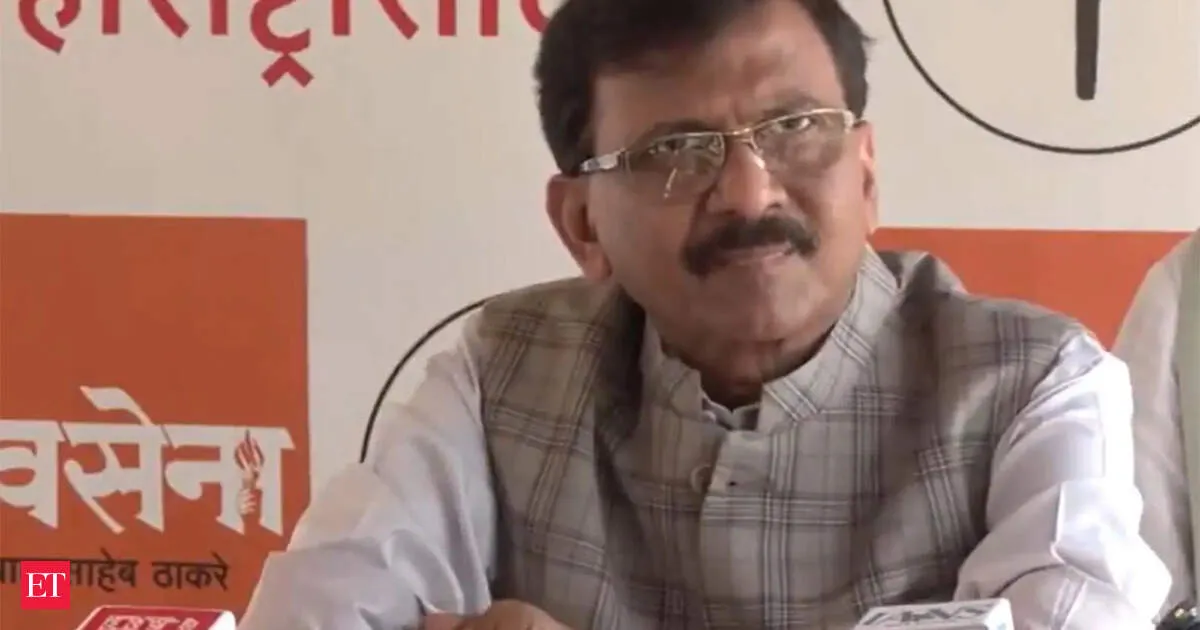
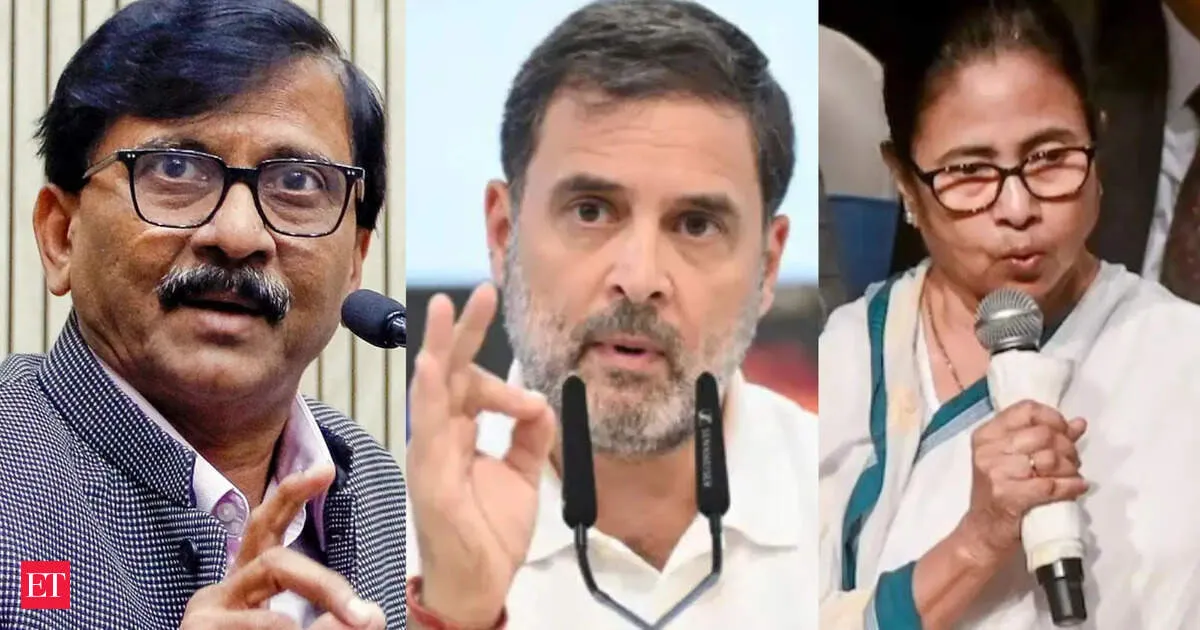
Sanjay Raut of the NCP (SP) backed Mamata Banerjee’s decision not to resign as West Bengal Chief Minister, alleging democratic processes were subverted. He accused the Centre and central agencies of being misused to tilt the assembly poll result, while targeting the Election Commission’s conduct as partisan. Banerjee, meanwhile, says the verdict was engineered.
Your news, in seconds
Get the Beige app — every story in 60 words, updated hourly. Free on iOS & Android.
With the INDIA bloc facing fresh electoral setbacks and internal rifts, opposition parties are tightening their guard against defections and realignments. Morale is reportedly strained as leaders weigh the BJP’s rising momentum and perceived “expansionist” push, while NDA allies signal unwavering backing. The result: growing dismay and deeper division within opposition ranks.
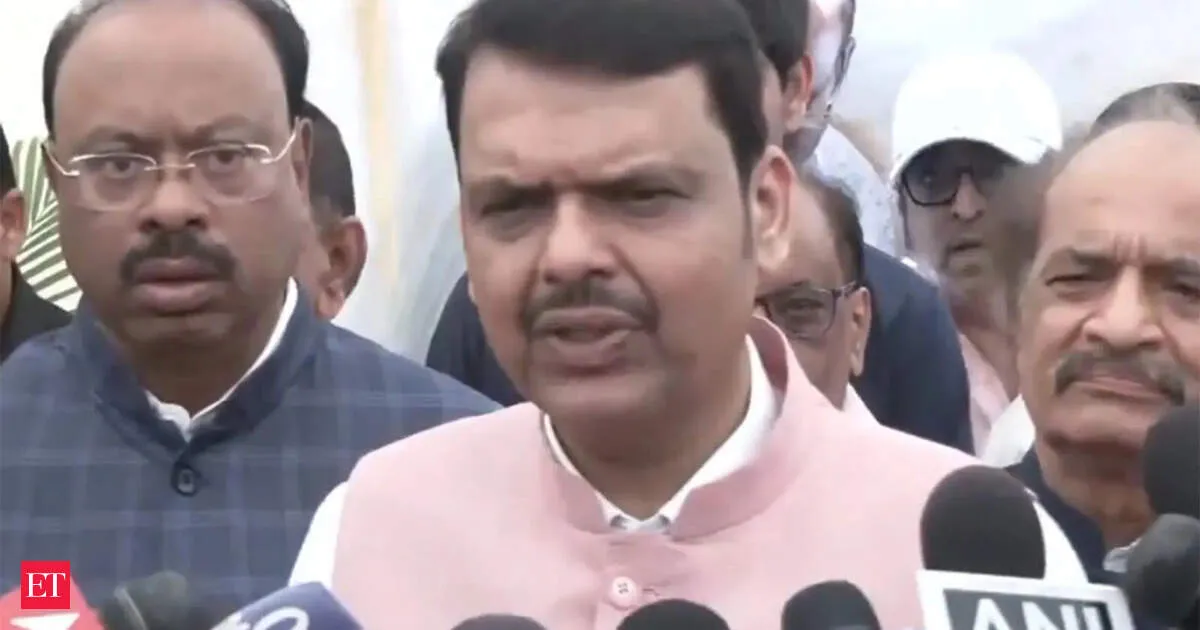
Maharashtra Chief Minister Devendra Fadnavis dismissed opposition criticism over the rape and murder of a four-year-old girl in Nasrapur, calling it “laughable.” He pointed to earlier “cash for transfer” allegations involving critics, arguing their priorities are misplaced. Opposition leaders including Sanjay Raut questioned the government’s competence amid details that the accused reportedly had prior similar cases.
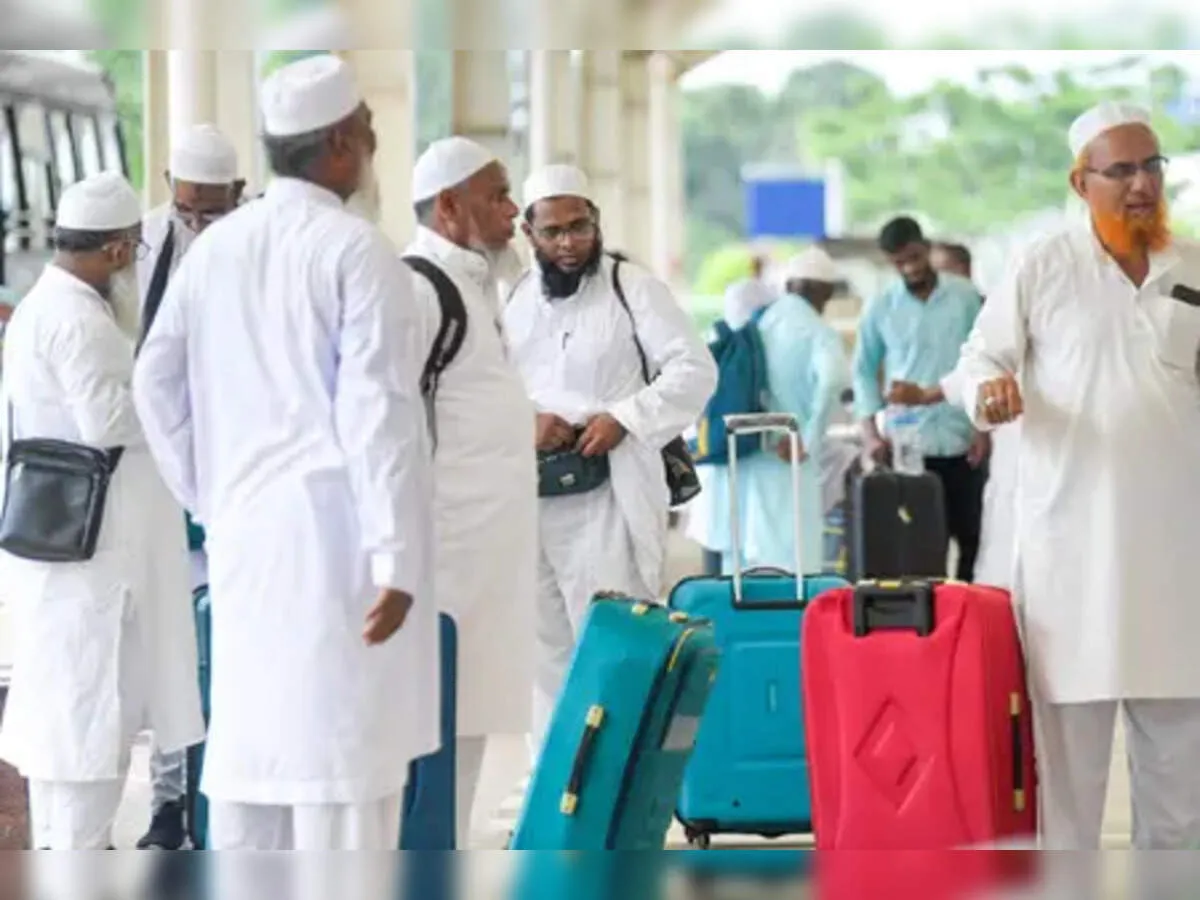
Haj 2026 airfare will rise by about Rs 10,000 per pilgrim as global Aviation Turbine Fuel prices spike. The Haj Committee of India negotiated to keep the increase to roughly USD 100 per pilgrim, limiting the impact. Still, opposition leaders call the extra charge unjust, while the government says it protected pilgrims from a larger burden.
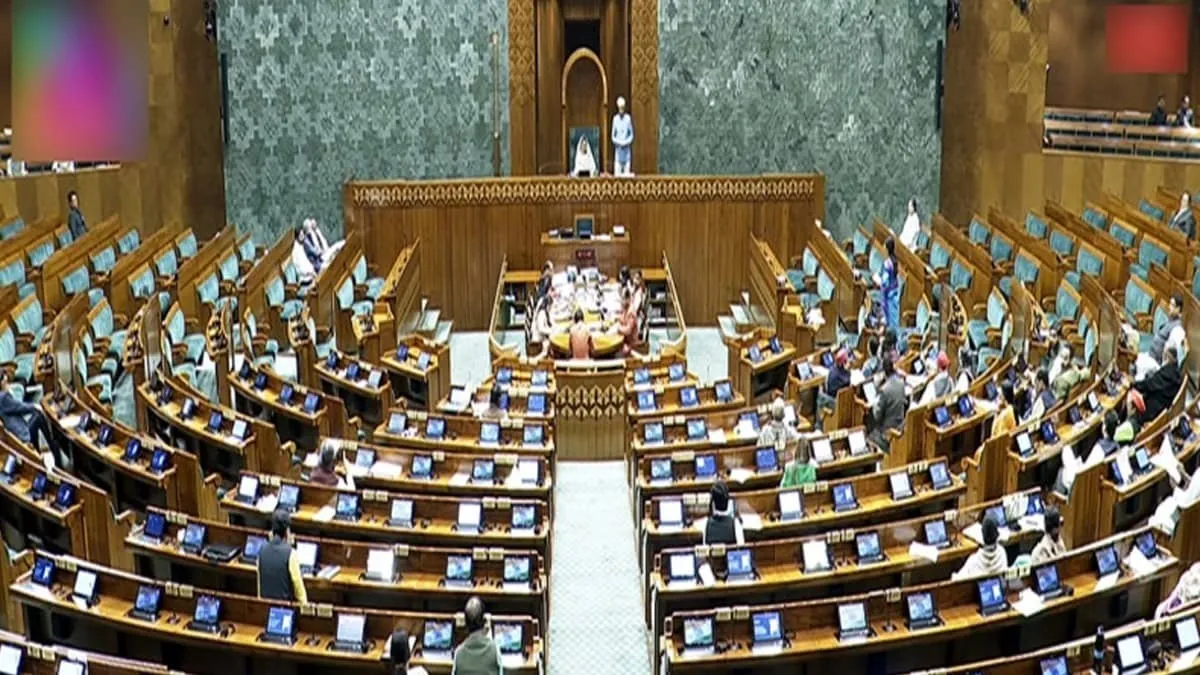
AAP’s breakaway MPs have started shifting Rajya Sabha seat arithmetic, eroding the Opposition’s ability to sustain a “veto wall” in the Upper House. While the BJP-led NDA already holds the Lok Sabha, this development narrows the legislative bottleneck in Rajya Sabha by making key bills easier to schedule and pass, depending on how alignments firm up.
Never miss a story
Set alerts for the topics and sources you care about. Download Beige for free.
Seventy-three opposition members have filed a fresh Rajya Sabha notice seeking removal of Chief Election Commissioner Gyanesh Kumar, their second attempt after an earlier one was rejected. The notice alleges nine grounds ranging from partisan conduct to electoral fraud. The timing is notable as it comes ahead of the West Bengal election results.
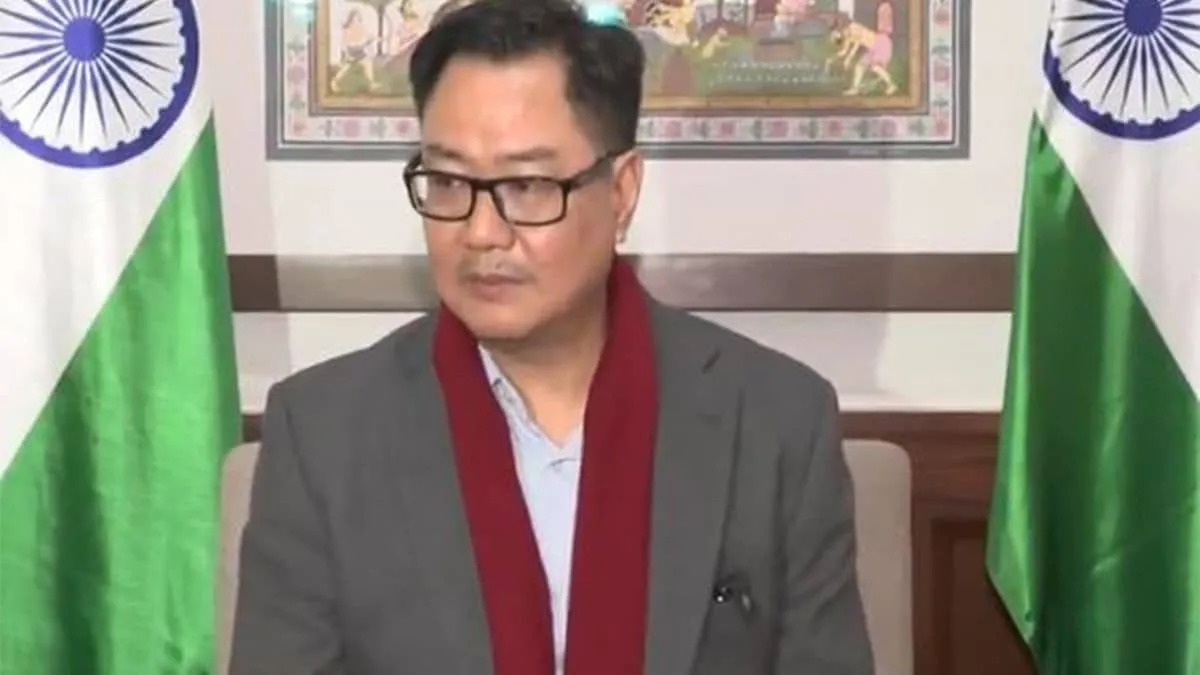
Union parliamentary minister Kiren Rijiju hit back at Congress MP Jairam Ramesh after 73 opposition Rajya Sabha MPs submitted a fresh notice to remove Chief Election Commissioner Gyanesh Kumar, citing “proven misbehaviour.” Rijiju said constitutional authorities cannot be intimidated and pointed to India’s independent judiciary, framing the dispute as an attempt to pressure electoral governance.
Prime Minister Narendra Modi sharply criticized Congress, DMK, Trinamool Congress and the Samajwadi Party for defeating a bill meant to fast-track women’s reservation. He said the legislation would still be implemented eventually, and argued that parties opposing it would pay politically at the ballot box, particularly with women voters. The remarks signal a renewed push for the quota ahead of elections.
The Election Commission says it will examine an opposition complaint that Prime Minister Narendra Modi’s recent address violated the model code of conduct. The speech was broadcast on Doordarshan, and critics allege it created an uneven playing field. The development comes while voting continues across several states, with the poll code in force until May 4.
Reading on mobile?
Open Beige in the app for a smoother experience — free on iOS and Android.
Venezuelans took to the streets again on Saturday in Caracas, drawing protesters from across society to call for an end to Nicolás Maduro’s 11-year presidency. The renewed unrest is driven by claims he tried to rig last week’s election and by concerns about an expanding crackdown on opposition supporters.
Swipe through stories, personalise your feed, and save articles for later — all on the app.