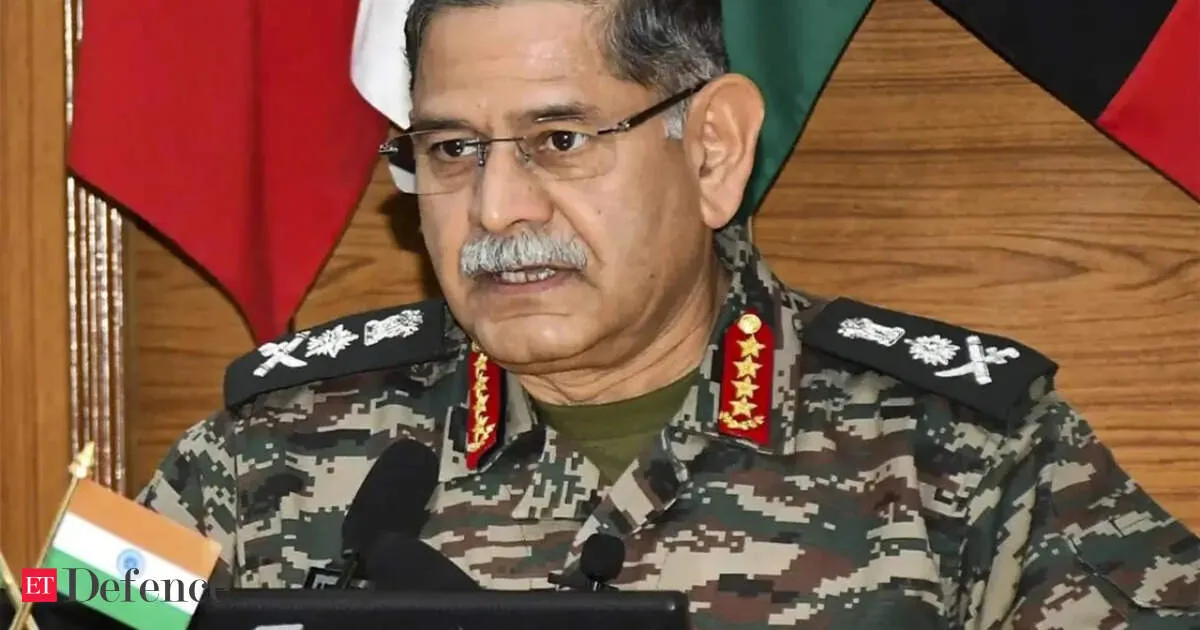
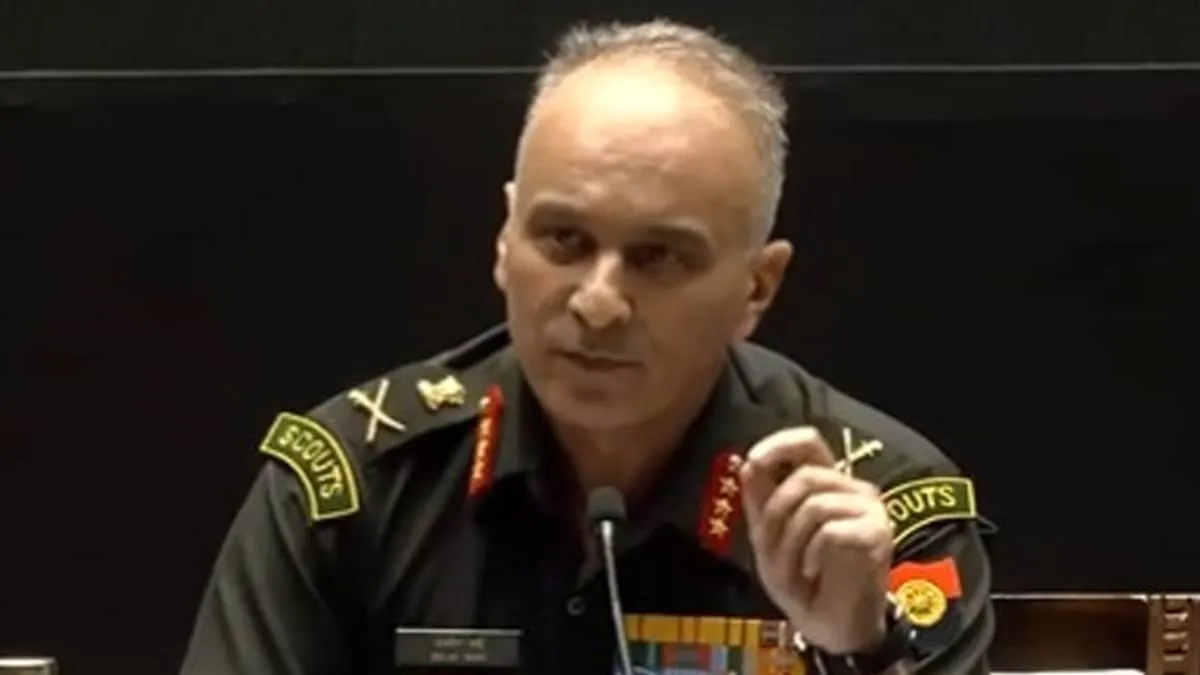
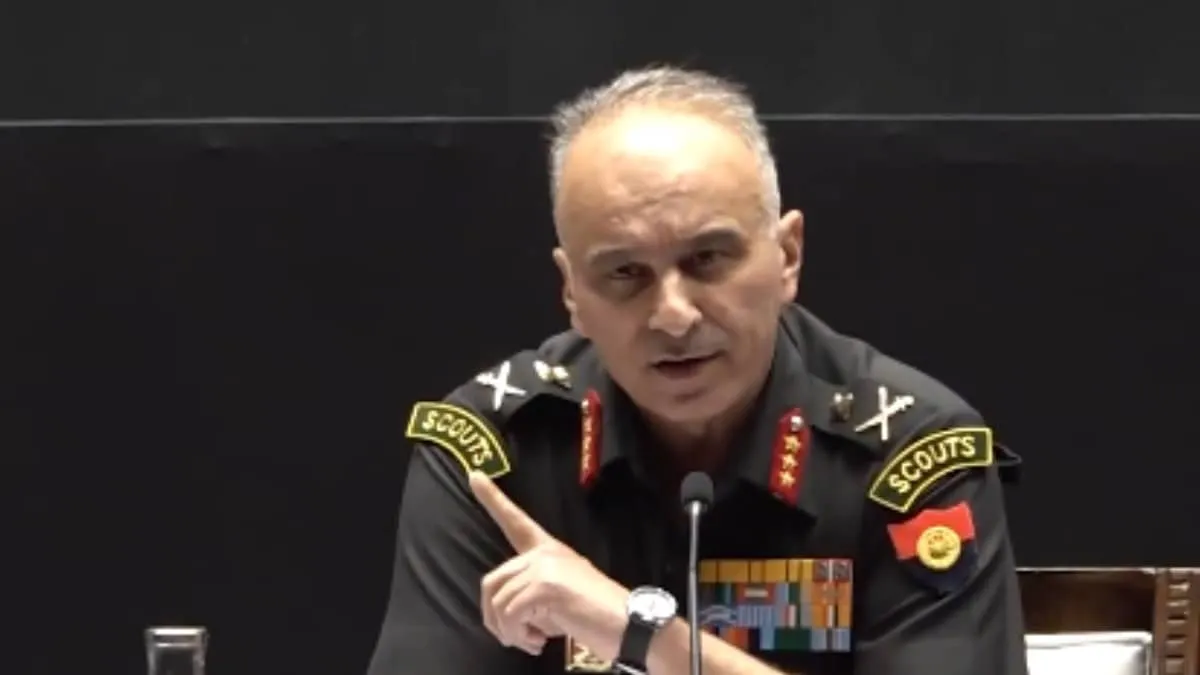
Indian Army chief Gen Upendra Dwivedi delivered a blunt message to Pakistan, saying that if Islamabad continues to harbour terrorists and operate against India, it must decide whether it wants to remain part of the “geography or history.” He spoke during an event days after India marked the first anniversary of Operation Sindoor, launched in early May last year as retaliation for the Pahalgam attack. The nearly 88-hour conflict included retaliatory offensives under the same operation, ending after an understanding.
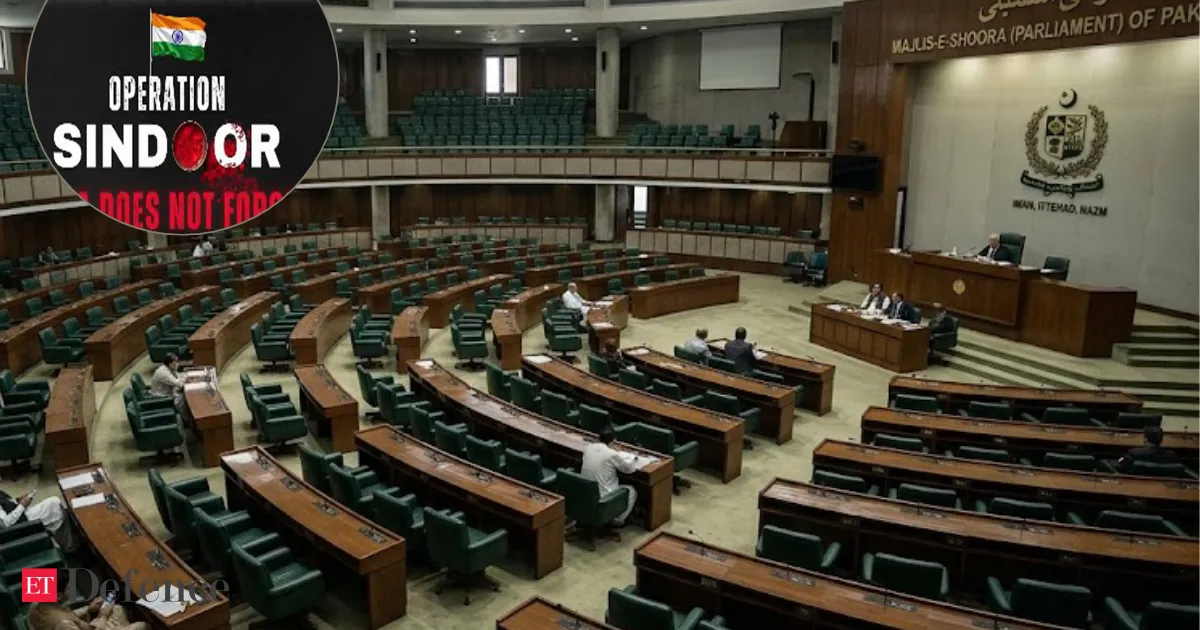
Pakistan held a special parliamentary session to sell its version of the 2025 confrontation with India, branded ‘Marka-e-Haq’, but the meeting was marred by unusually low attendance, embarrassing the government. Defence Minister Khawaja Asif called the session to back the administration’s account of its response operation ‘Bunyanum Marsoos’ on May 10, following India’s ‘Operation Sindoor’ strikes. Pakistan described the wider conflict as lasting from April 22 to May 10 and again called for dialogue despite escalation.
Your news, in seconds
Get the Beige app — every story in 60 words, updated hourly. Free on iOS & Android.
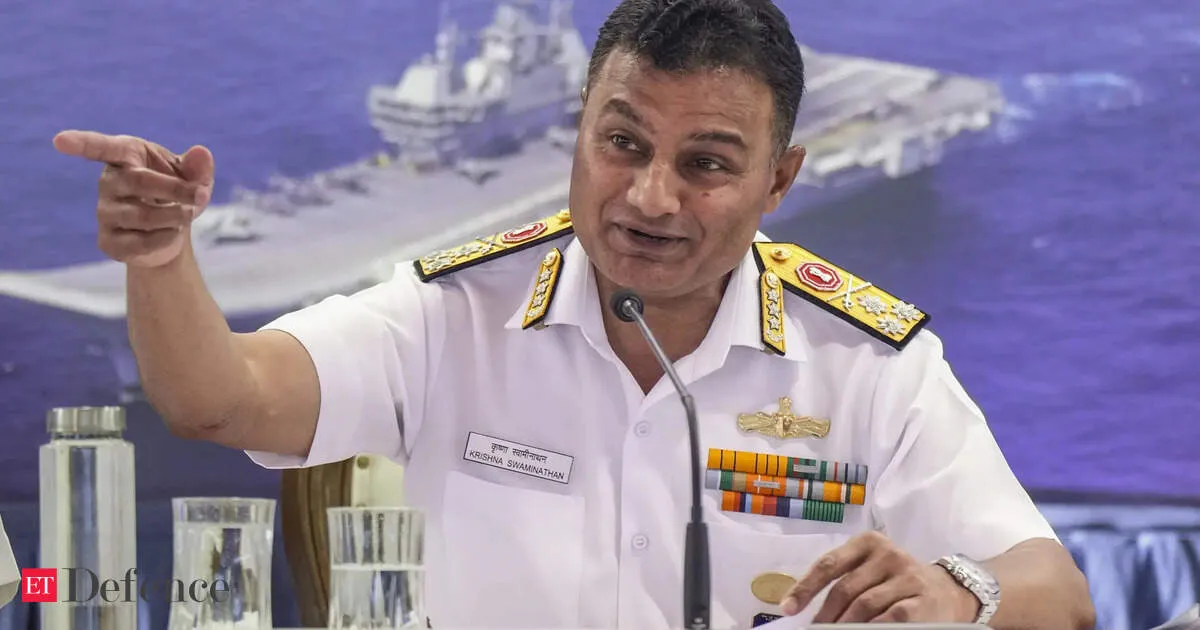
Vice Admiral Krishna Swaminathan, Navy chief designate and Western Naval Command flag officer commanding, said India is prepared to “quell” any misadventure originating across the border. He stressed that India has been a victim of terrorism “for several years” and cannot accept such activity, especially when it comes from foreign soil. He defended Operation Sindoor, launched after the 2025 Pahalgam attack, saying it targeted terrorist camps and infrastructures in Pakistan and Pakistan-occupied Kashmir to ensure India negotiates terrorism from strength.
Chief of Defence Staff Gen Anil Chauhan said Indian forces secured superior situational awareness and battlefield transparency during Operation Sindoor, dominating the escalation matrix across four days. The nearly 88-hour conflict followed precision strikes that avenged a terror attack. He also stressed that future warfare demands clear objectives and well-defined exit strategies to manage escalation risks.
India hit back at China after reports suggested Beijing backed Pakistan during Operation Sindoor, warning that countries shielding terror infrastructure must consider reputational fallout. The MEA said the claims match earlier knowledge and defended the operation as a calibrated response to the Pahalgam terror attack, framing it as a necessary security measure.
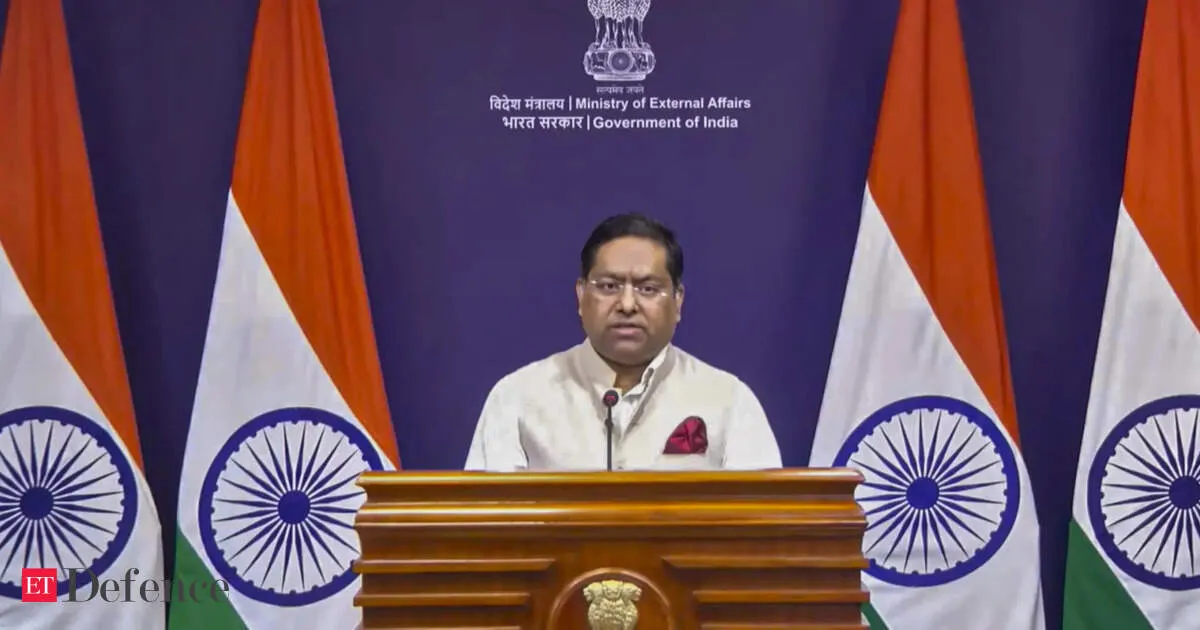
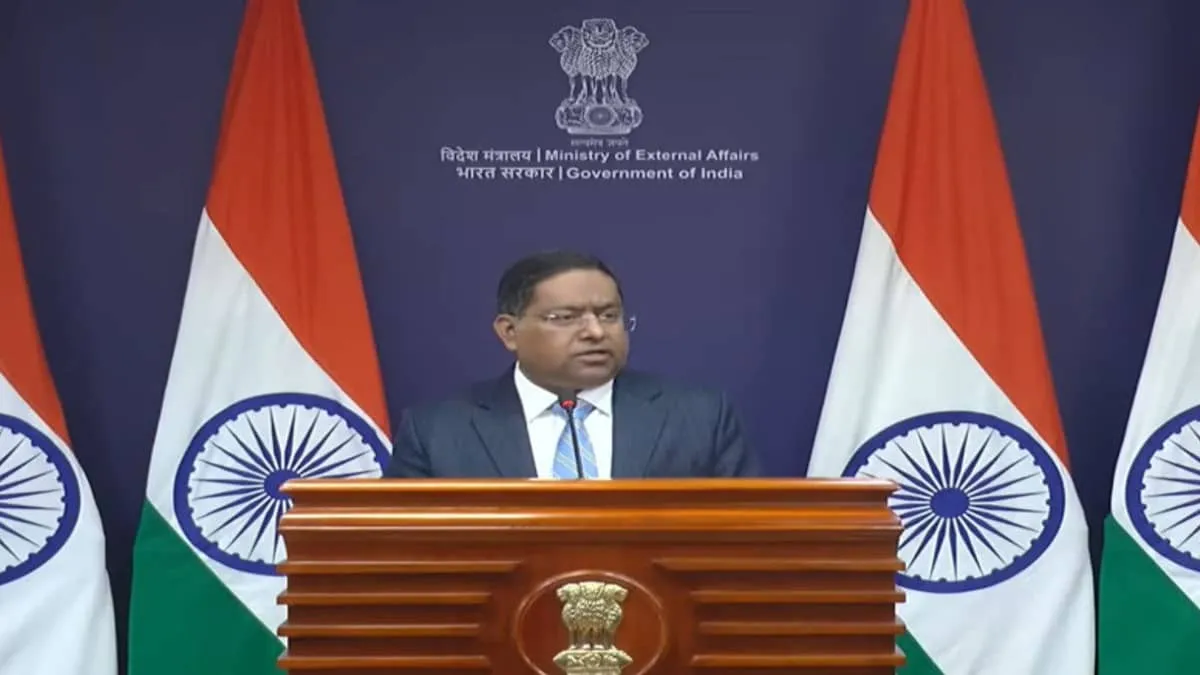
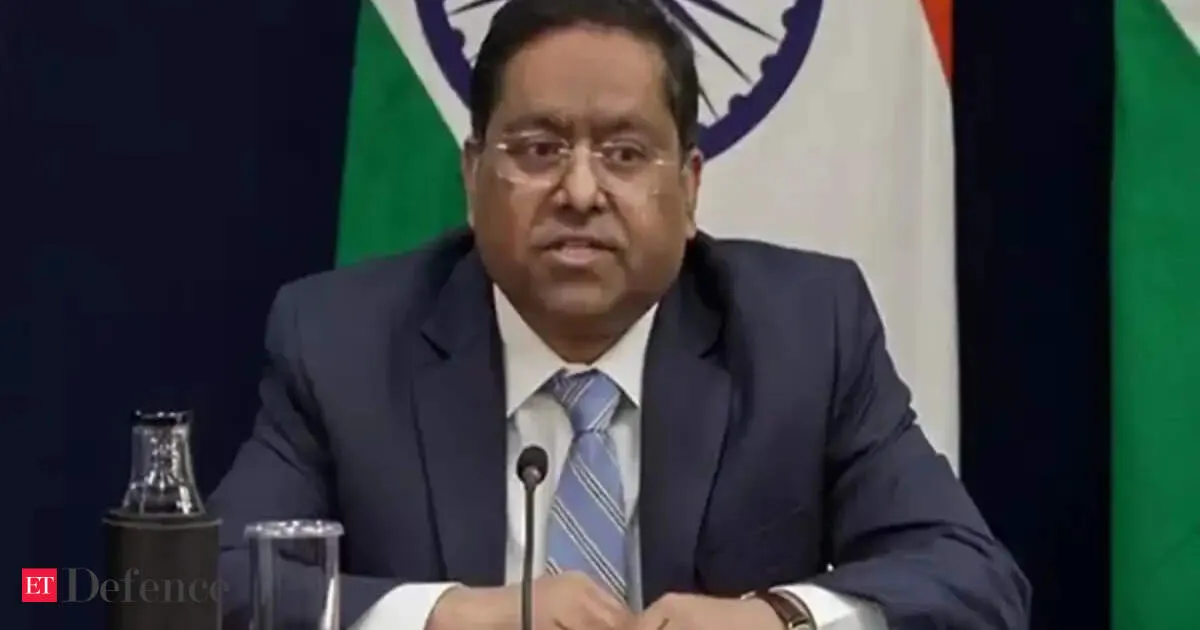
India issued a stern response after reports alleged China was backing Pakistan during Operation Sindoor. Speaking at a media briefing, Ministry of External Affairs spokesperson Randhir Jaiswal said responsible nations should assess whether attempts to shield terrorist infrastructure affect their standing and reputation. The remarks signal New Delhi’s pushback on external support claims tied to the operation.
Never miss a story
Set alerts for the topics and sources you care about. Download Beige for free.
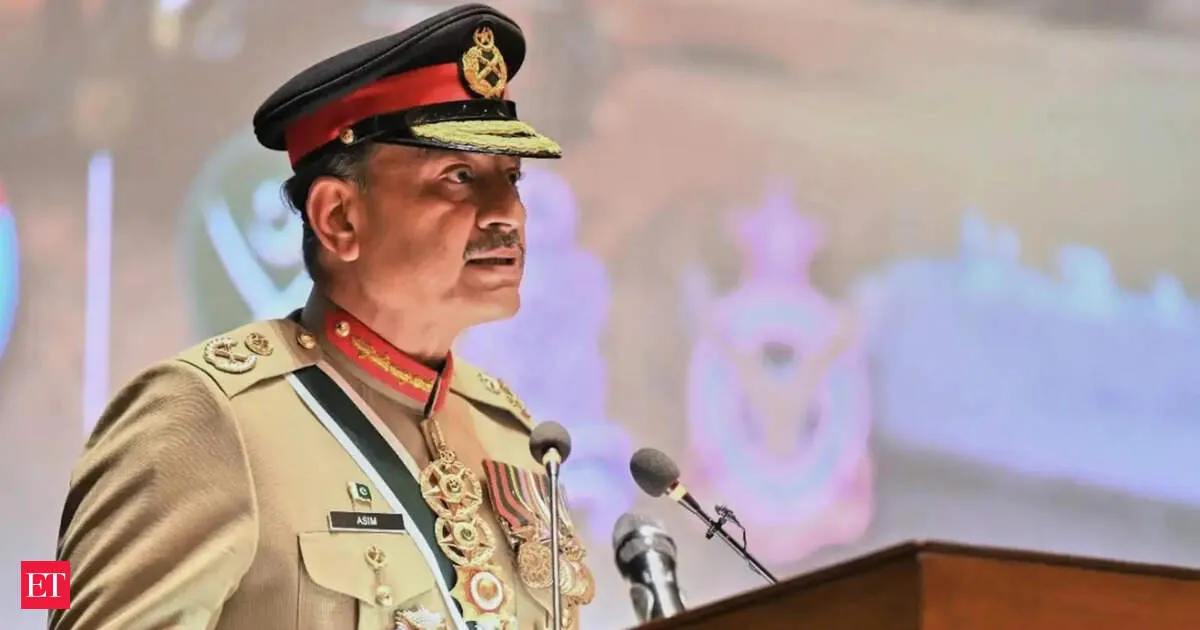
A year after India’s Operation Sindoor, Pakistan Army Chief Asim Munir renewed threats of “far-reaching and painful” consequences for any future “misadventure” against Pakistan. Speaking on the first anniversary of “Marka-e-Haq,” he claimed Pakistan’s strategy was superior and described the conflict as a “battle between two ideologies,” adding that “truth won.”
Congress has demanded an urgent parliamentary discussion after China acknowledged providing technical support to Pakistan during Operation Sindoor. The party alleges the Modi government’s China policy is being driven the wrong way, pointing to loosened trade curbs and rising industrial dependence. The demand follows a Chinese state broadcaster interview confirming engineer involvement with Pakistan’s air force.
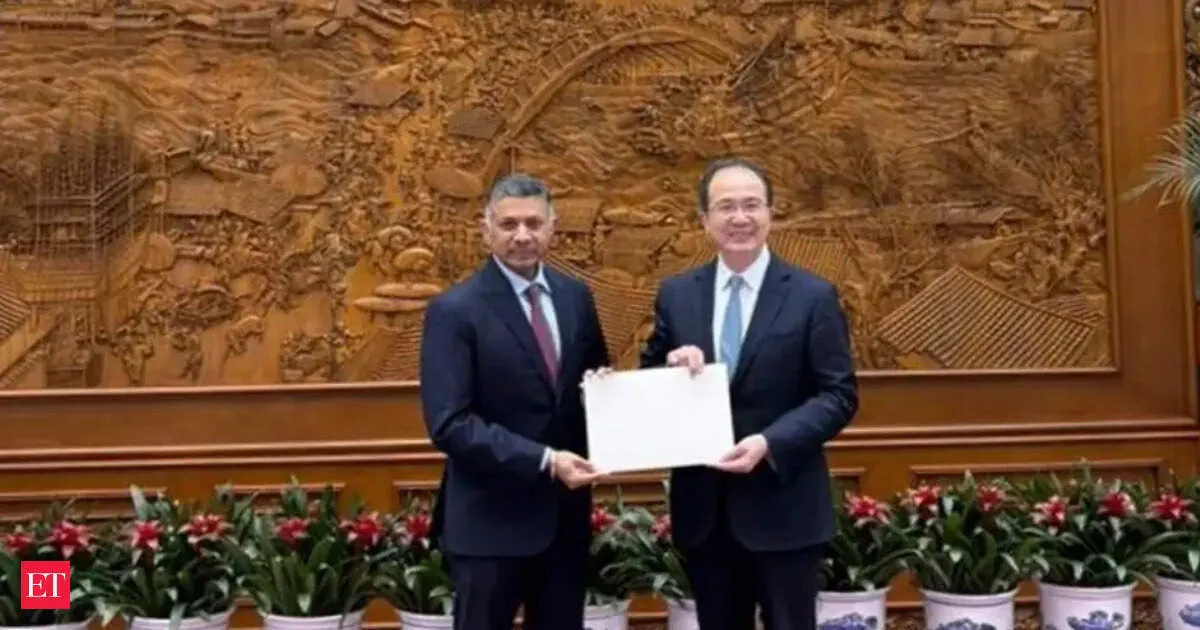
India’s new envoy Vikram Doraiswami has formally presented his credentials to China’s Assistant Foreign Minister Hong Lei in Beijing. Doraiswami also took part in a ceremony marking the first anniversary of Operation Sindoor. He was warmly welcomed by Chinese officials on arrival, underscoring the importance both sides are placing on the envoy’s start of tenure.
Lieutenant General Rajiv Ghai reacted sharply to Pakistan Army chief Asim Munir’s move to promote himself to Field Marshal after Operation Sindoor, calling India’s reaction “amusement.” He emphasized that Indian forces have carefully identified terror launch pads, training camps, and supporting infrastructure along the Line of Control and even across the International Boundary.
Reading on mobile?
Open Beige in the app for a smoother experience — free on iOS and Android.
India’s top military officials have asserted that no terrorist safe haven in Pakistan is secure. They say India will decide the timing and method of any strike, and that terrorism will face consequences without “misadventure” going unanswered. The officials pointed to Operation Sindoor as setting a new response standard, crediting indigenous weapon systems and claiming Pakistan suffered major losses.
On the one-year anniversary of Operation Sindoor, MoS External Affairs Pabitra Margherita praised the valour of India’s armed forces and said the world has seen that anyone threatening India’s peace and security cannot evade the reach of the country’s forces. The statement underscored confidence in deterrence and readiness as the operation moves past its first year.
India’s MEA has reiterated that it has the right to defend itself against cross border terrorism sponsored by Pakistan, marking the first anniversary of Operation Sindoor. The statement follows India’s airstrikes in Pakistan and Pakistan Occupied Kashmir in response to a terror attack, which officials say eliminated terrorists and helped cool tensions. India also reaffirmed its commitment to global counterterror efforts.
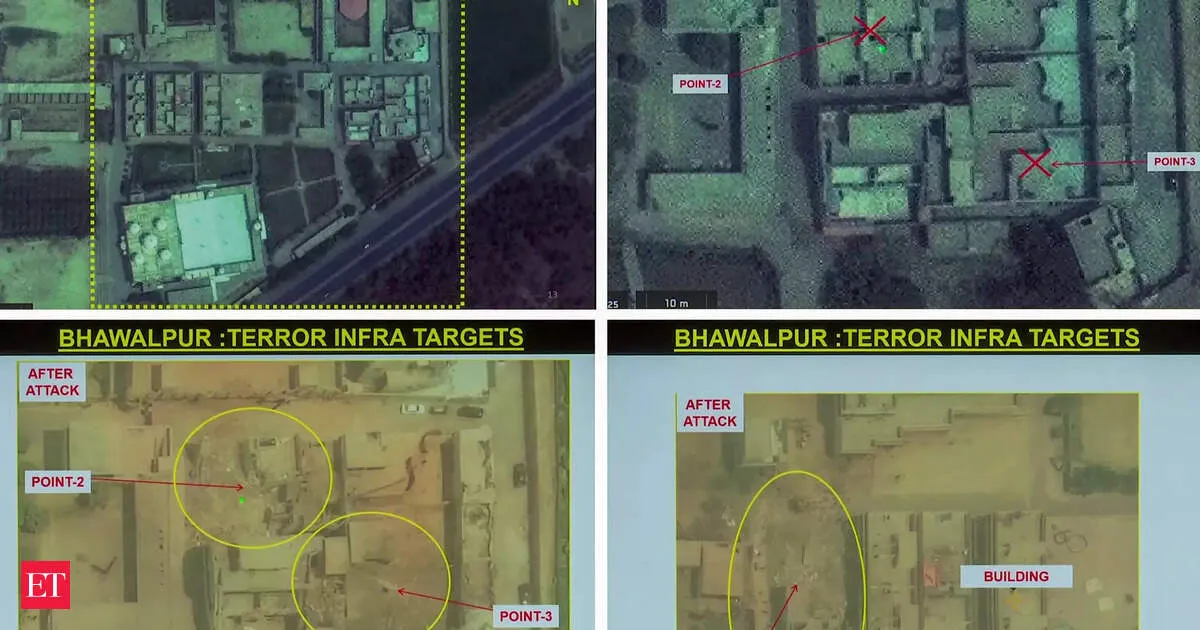
On the first anniversary of Operation Sindoor, India’s top military commanders disclosed that Indian forces struck 11 Pakistani airfields, destroyed 13 aircraft, and decimated nine terrorist camps. Officials say the operation reset India’s threshold for cross-border action by achieving clear objectives and bringing hostilities to a close after Pakistan sought negotiations.
Follow your favourite sources
Track sources, tags and categories — all in the Beige app.
India’s military has issued a hard warning to Pakistan, saying no terror sanctuary along the frontier is safe. The message follows the Pahalgam attacks and India’s Operation Sindoor, a tri-services mission that targeted nine terror infrastructures in Pakistan and Pakistan-Occupied Kashmir, eliminating over 100 terrorists. Officials say the strikes reflect precision and a firm pledge to defend sovereignty.
India’s defence industry is hitting a milestone, with exports rising beyond 38,000 crore rupees. The jump is credited to the success of Operation Sindoor, a tightly timed 96-hour engagement that showcased the performance of homegrown systems. With global buyers taking notice, flagship technologies such as the BrahMos missile and Akash-NG air defence are emerging as key drivers of the export boom.
Former DGMO Lt Gen Rajiv Ghai marked the first anniversary of India’s Operation Sindoor by claiming Pakistan asked India to stop the operation. He described the strikes as a “gold-standard” in strategic warfare, arguing that India’s precision actions pressured Pakistan into seeking an end to hostilities. The remarks add fresh detail to the narrative around the operation’s impact.
President Droupadi Murmu on Thursday marked the first anniversary of Operation Sindoor, launched after the Pahalgam terror attack that killed 26 people. She praised the armed forces for their firm action against terrorism and said the operation exemplifies India’s commitment to national security. The remarks highlighted the link between the tragic attack and the military response that followed.
Stay informed on the go
Bite-sized news from 100+ trusted sources, right in your pocket.
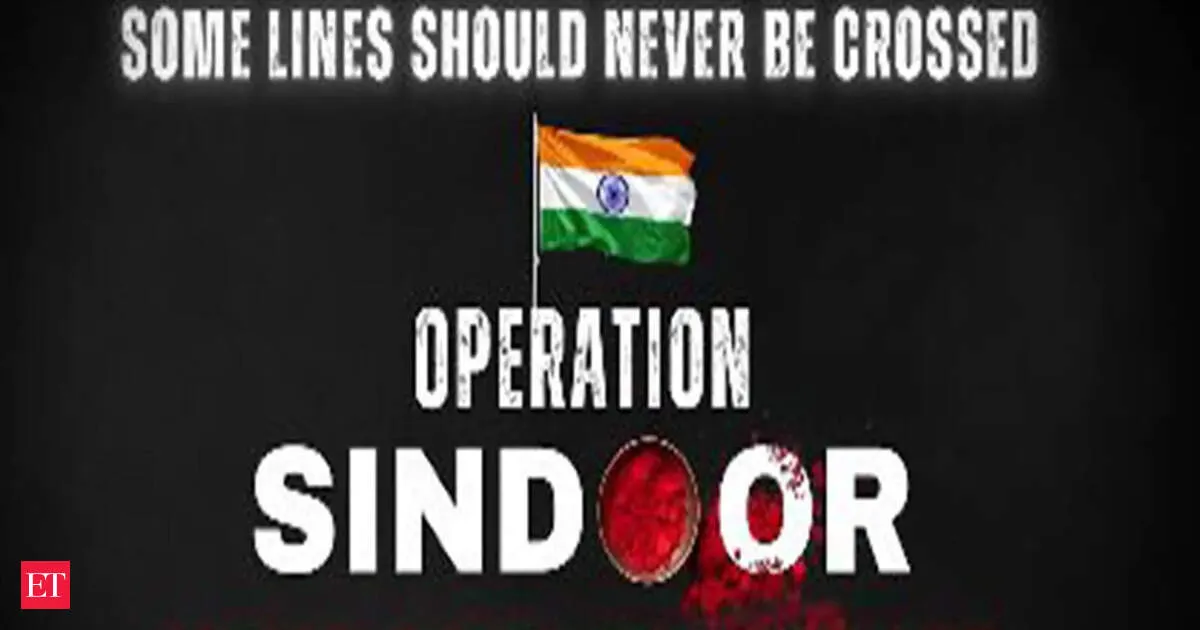
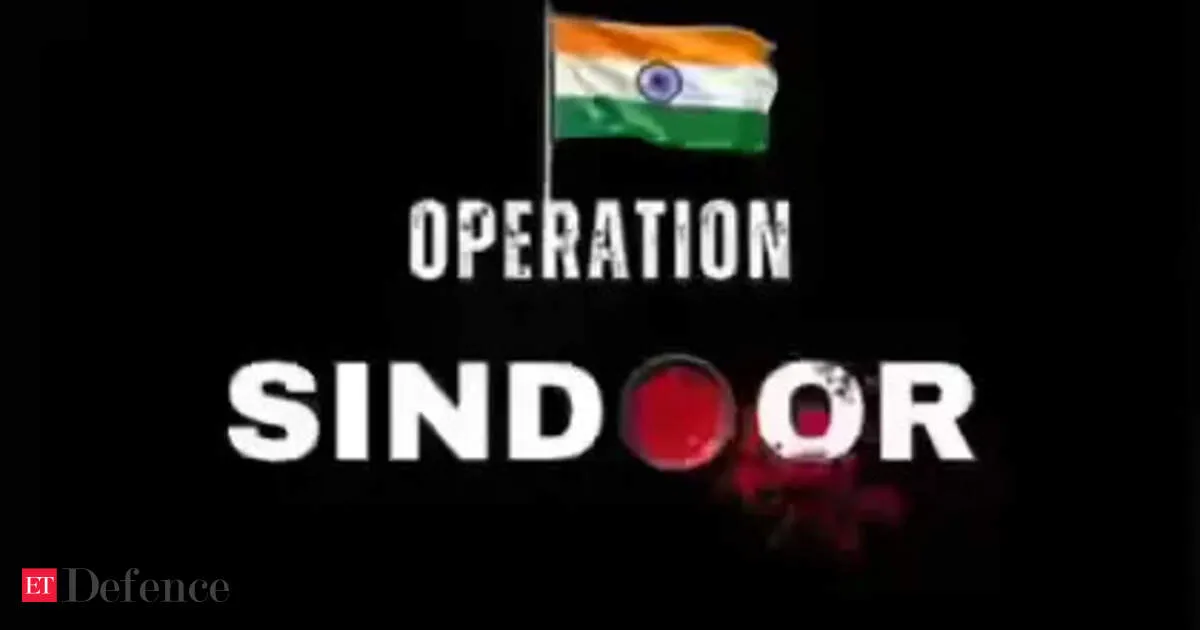
On the first anniversary of Operation Sindoor, Indian ministers including Rajnath Singh and Amit Shah changed their social media profile pictures to the Op Sindoor logo. Prime Minister Narendra Modi urged citizens to do the same to honor the armed forces. The operation followed the Pahalgam terror attack, with precision strikes reported across Pakistan and Pakistan-Occupied Kashmir.
Indian forces launched Operation Sindoor to avenge the Pahalgam terror attack, and military leaders framed the strategy through striking analogies like “chess” and “innings defeat.” Over nearly 88 hours, precision strikes targeted terror infrastructure, described as focused and proportionate. The operation is being presented as a clear deterrent message while underscoring intent to end threats surgically.
Swipe through stories, personalise your feed, and save articles for later — all on the app.