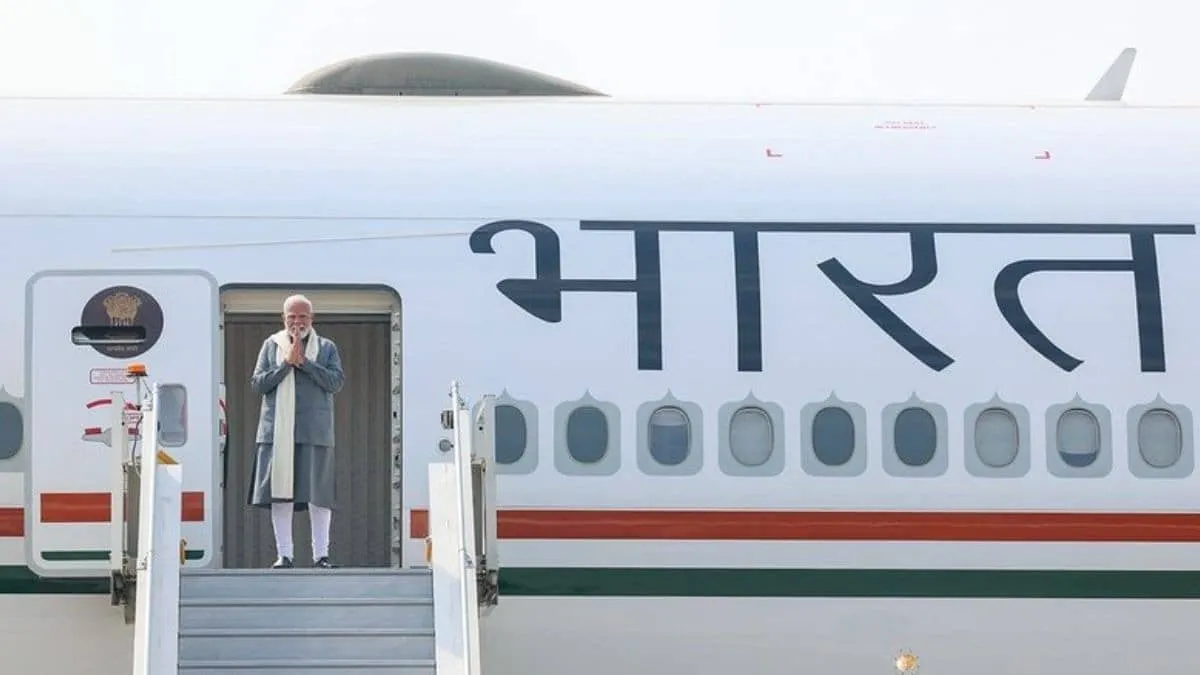
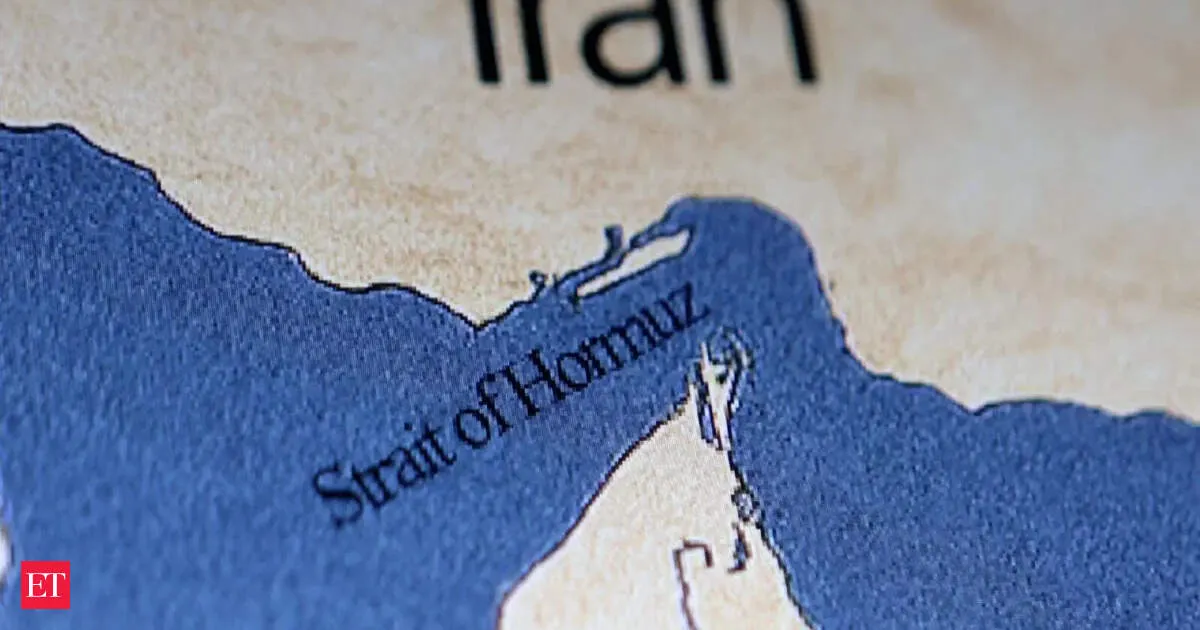
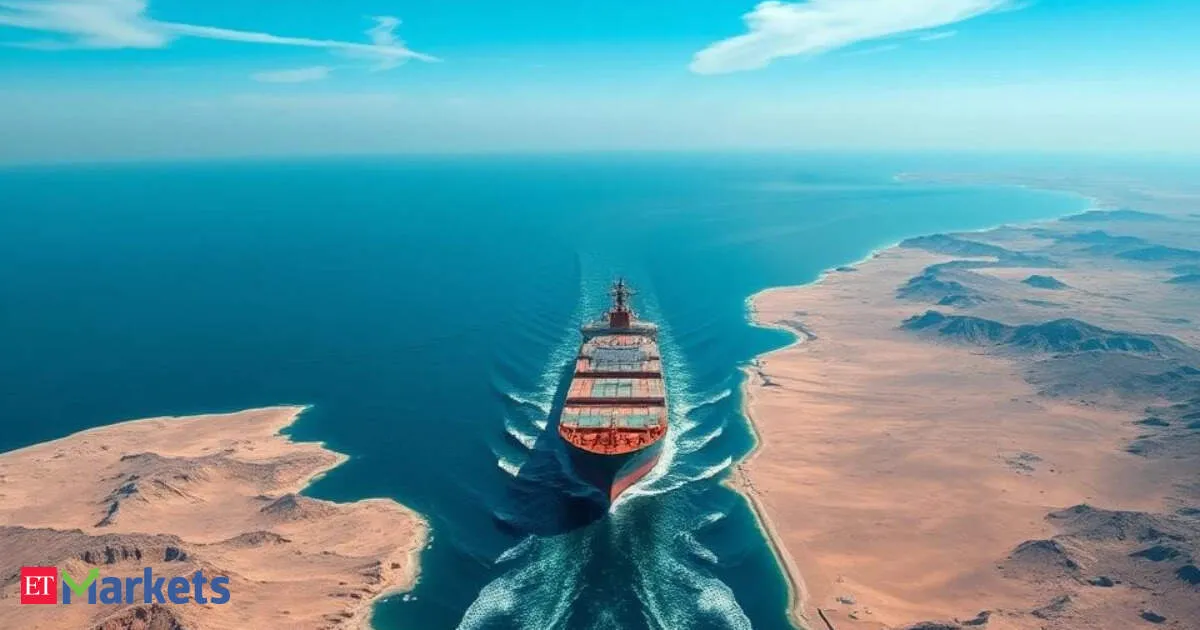
Prime Minister Narendra Modi will travel May 15-20 to the UAE, Netherlands, Sweden, Norway, and Italy in a tightly timed push for energy security amid West Asia tensions and the closure of the Strait of Hormuz, which has rattled global fuel markets. The tour starts in Abu Dhabi for energy-focused talks with UAE President Mohamed bin Zayed Al Nahyan. It then moves to the Netherlands for broader strategic cooperation, and to Sweden and Norway for the 3rd India-Nordic Summit on green hydrogen, the blue economy, and Arctic ties.
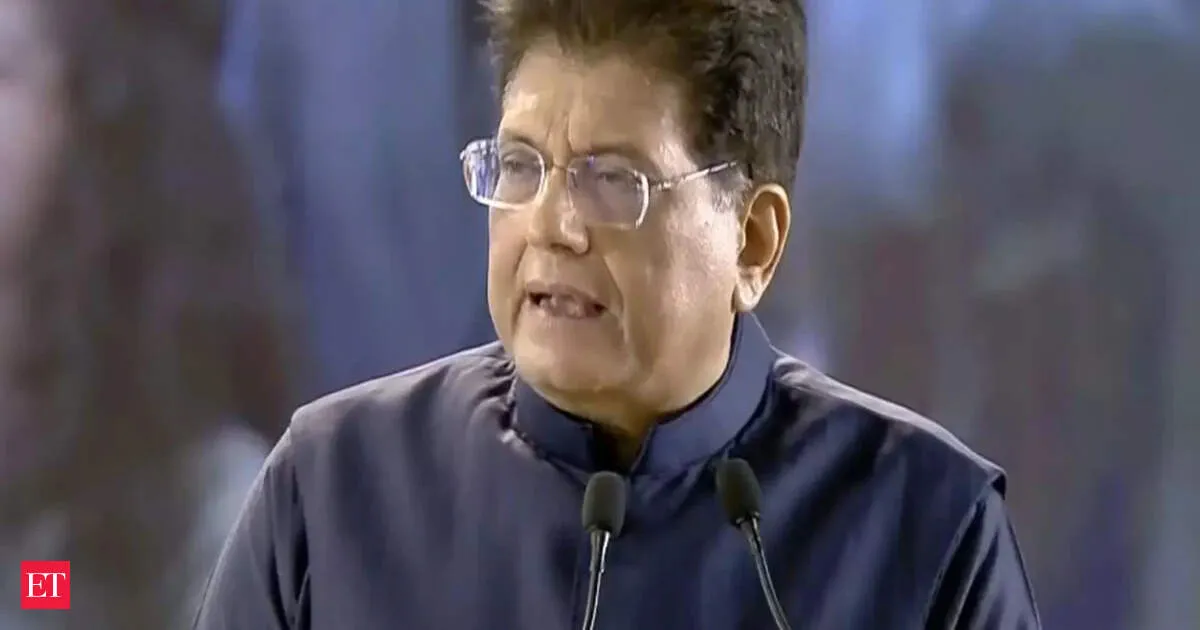
India and Oman are set to bring their free trade agreement into force on June 1, 2026. The deal is expected to give India duty-free access to 98 percent of its exports to Oman, boosting trade ties. At the same time, India is pursuing a broader economic partnership with Chile, prioritizing critical minerals needed for electronics and auto supply chains.
Your news, in seconds
Get the Beige app — every story in 60 words, updated hourly. Free on iOS & Android.
Oil prices rose slightly in early Asian trade as fragile US-Iran negotiations revived worries about crude supply disruptions, especially around the Strait of Hormuz. Tehran’s response signaled deep differences, while reduced output from OPEC helped keep prices steady above $100. The US also plans SPR loans and sanctions targeting Iranian shipments to curb market pressure.
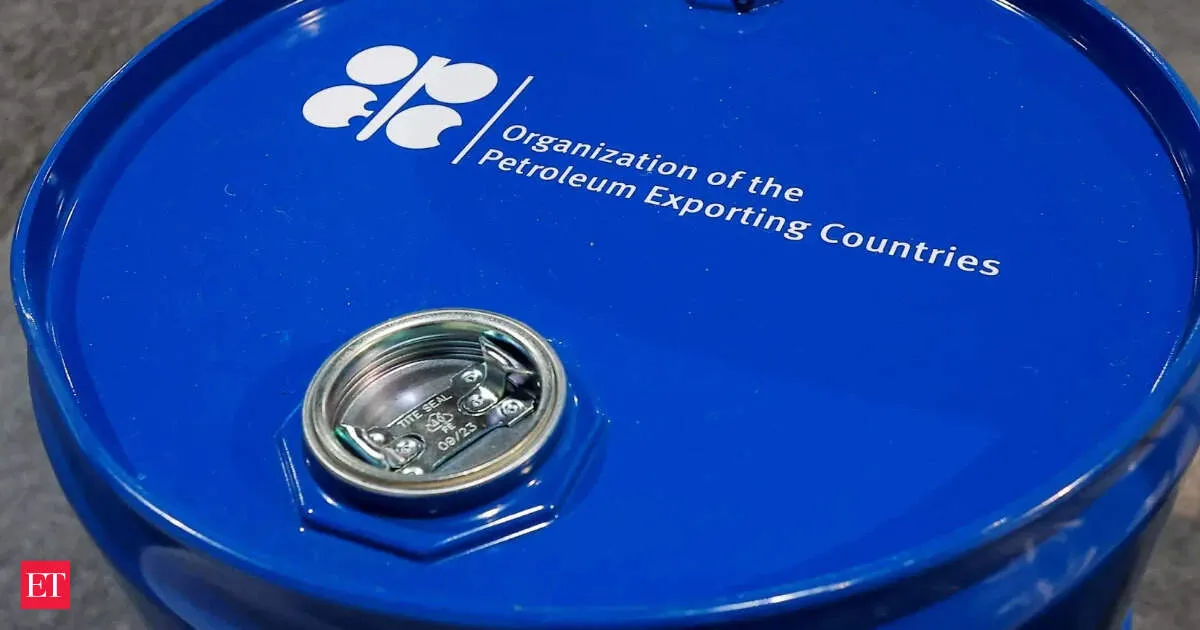
Seven OPEC+ nations are meeting to set oil production quotas for the first time after the UAE exited the group. With the Middle East conflict already lifting prices, markets expect only a small supply increase. But actual production is reportedly running below limits because blockades are constraining output.
The UAE says it has exited OPEC and OPEC+ as a sovereign choice, hours after an ADNOC tanker was struck by Iranian drones in the Strait of Hormuz. UAE officials condemned the incident as a terrorist attack and urged the shipping chokepoint to remain open, warning that closures could destabilize global trade and energy markets.
ADNOC has pledged $55 billion for new projects over the next two years, shortly after the UAE officially left OPEC. The announcement comes after decades of OPEC membership tied to Abu Dhabi’s role since 1967, highlighting how the UAE plans to reshape its energy strategy immediately following the cartel exit.
Never miss a story
Set alerts for the topics and sources you care about. Download Beige for free.
The UAE’s decision to quit OPEC and OPEC+ has thrust long-simmering tensions with Saudi Arabia into the open, signaling a shift away from Saudi-led oil governance. Analysts say Abu Dhabi is prioritizing autonomy as the Gulf’s power balance reshapes amid the Iran war, turning an OPEC exit into a broader geopolitical rupture.
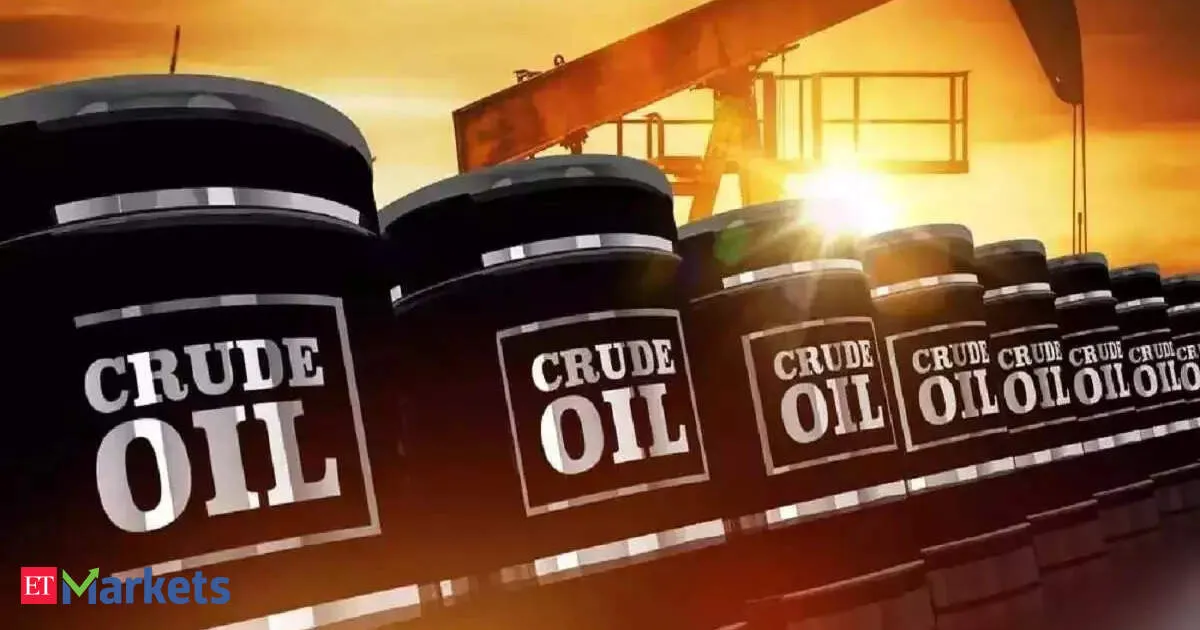
Brent crude has surged past $120 and briefly touched $126, while WTI pushed above $110, nearly doubling from late February levels. Analysts say the speed and urgency of the move signal deeper stress in global supply and risk pricing. The article weighs whether US-Iran tensions or an UAE OPEC exit is driving the oil and gas jump.
OPEC+ is reportedly set to approve its third oil supply increase since disruptions tied to the Strait of Hormuz. With U.S.-Iran tensions threatening key Gulf routes, the move could be largely symbolic as exports face severe constraints. Oil prices have already jumped, and analysts warn of potential jet fuel shortages and further global inflation pressure.
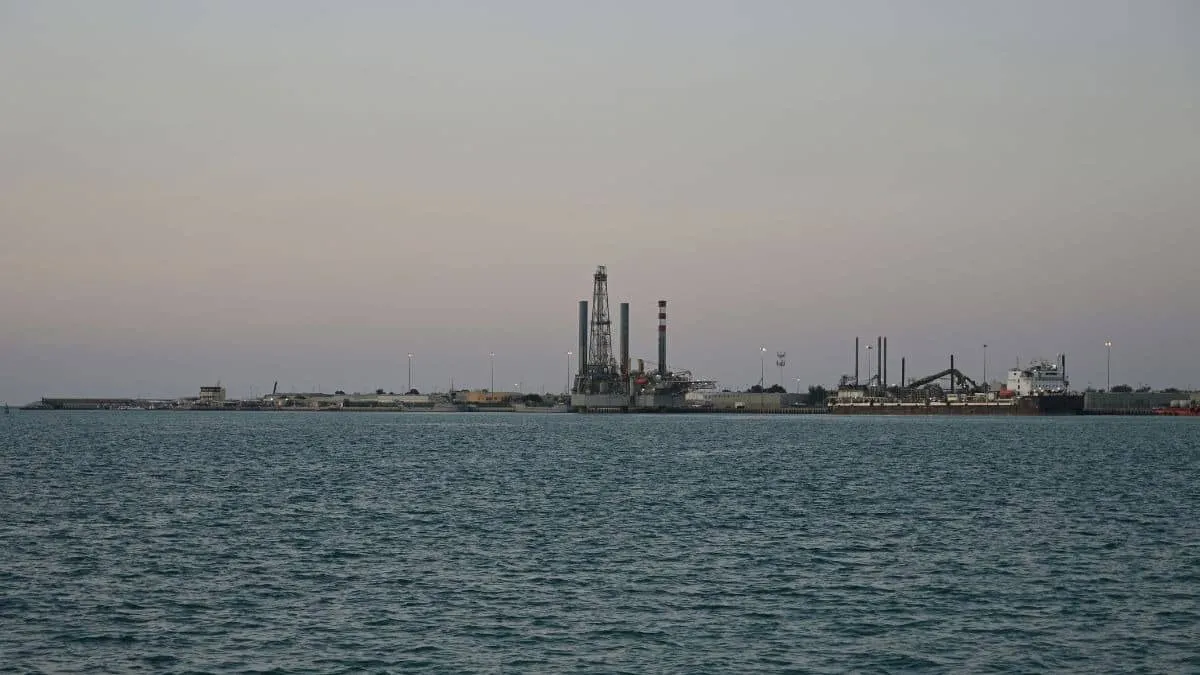
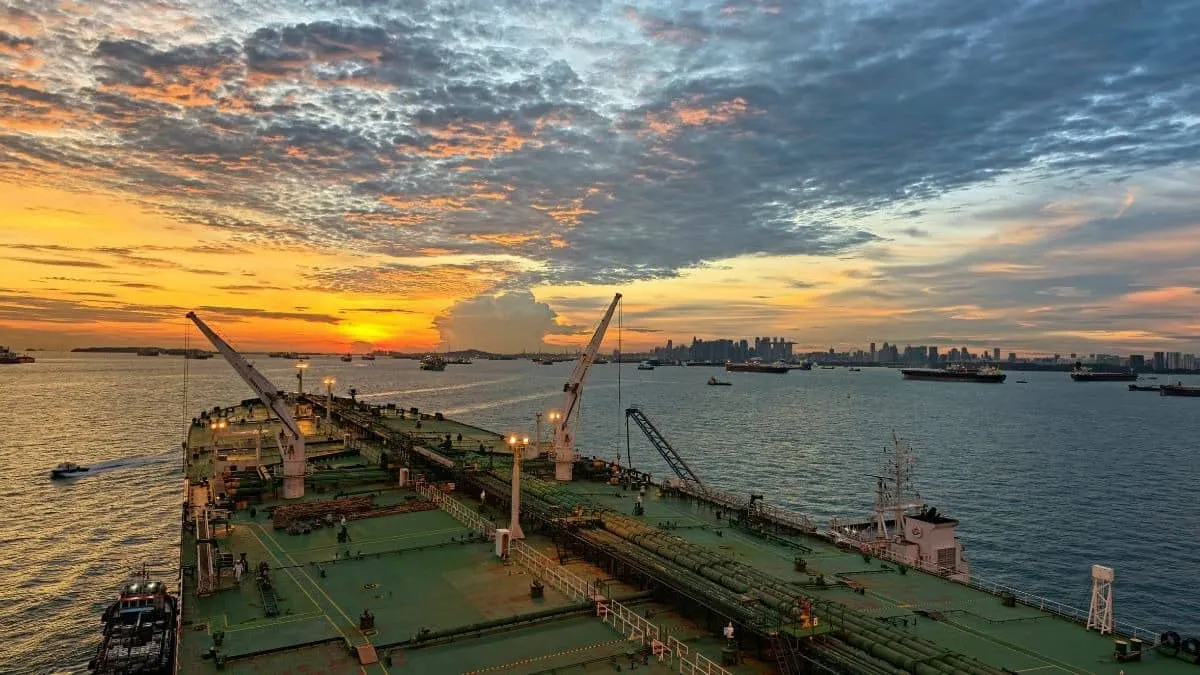
Brent crude has jumped to $125 a barrel as the Strait of Hormuz faces escalating West Asia conflict, with naval tensions and tanker blockades disrupting nearly one fifth of global oil flows. Even with ceasefire talks underway, OPEC fragmentation and uncertainty around UAE supply keep prices volatile. India and China are diversifying, but sustained highs could stoke inflation and recession fears.
Reading on mobile?
Open Beige in the app for a smoother experience — free on iOS and Android.
The UAE has exited OPEC and OPEC+, dealing a major blow to long-running Saudi influence over regional oil markets. Analysts frame the move as a “political rebellion,” driven by the UAE’s push for market share and an independent foreign policy toward the US, Israel and Asia. The strategy also targets monetizing oil reserves before they become stranded assets and using proceeds to fund a green transition.
Venezuela’s oil exports jumped 14% in April to 1.23 million barrels per day, the highest level in more than seven years. The rise was driven by stronger sales to the US, India, and Europe after a US–Venezuela supply arrangement and eased sanctions. Output improved and inventories were cleared, lifting shipments across multiple markets.
The UAE has exited OPEC, disrupting a long-standing production alignment that typically steadies global oil markets. While the immediate effect may be muted, the UAE’s increased production capacity could ease prices over time. The move may also trigger reconsideration by other producer states about their OPEC membership, with implications for buyers including India.
The UAE says it will exit OPEC and OPEC+ effective May 1, sending another jolt through an already tight global energy market. The decision comes as tensions around the Iran conflict and the Strait of Hormuz raise fears of severe supply disruptions. With OPEC and OPEC+ shaping nearly half of global output, the move threatens fresh volatility for crude prices.
Follow your favourite sources
Track sources, tags and categories — all in the Beige app.
Oil prices surged as reports of potential US military action against Iran and a long blockade of Iranian ports intensified supply fears. With the Strait of Hormuz under threat and talks stalled, Brent jumped above $125 and US WTI above $109. Investors now watch demand-destruction concerns and OPEC+ output decisions for clues on whether the rally holds or reverses.
UAE’s exit from OPEC signals a major shift away from cartel quotas toward a market-driven, route-focused oil system. Rather than immediately flooding markets, the move strengthens the UAE’s flexibility and independence—especially through Fujairah, enabling supplies to avoid risks tied to the Strait of Hormuz. The underlying implication: growing influence of dollar-linked trade and competition.
The UAE has announced it is leaving OPEC after six decades, shaking the cartel-style supply discipline that has long influenced oil pricing. Analysts say the shift could loosen the Saudi-Russian grip and reshape global flows—potentially improving India’s energy security by enabling more flexible bilateral deals rather than relying on quota-linked arrangements.
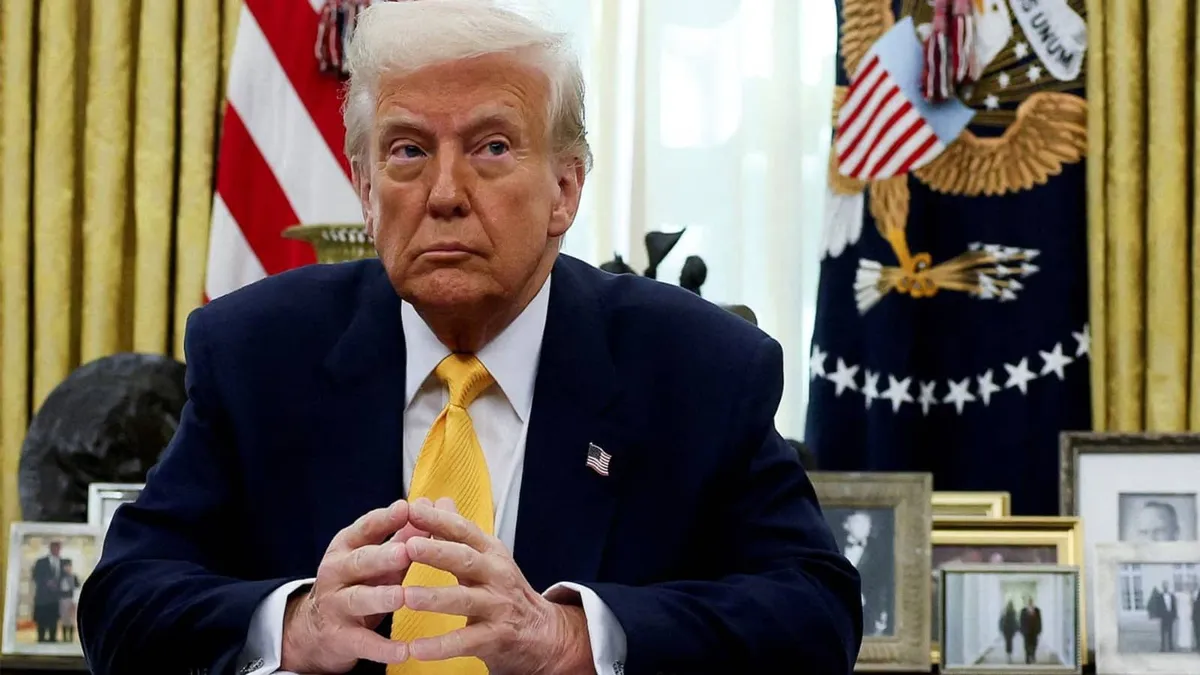
US President Donald Trump on April 30 welcomed the UAE’s decision to leave the OPEC and OPEC+ alliance, saying the shift could help lower global oil and gas prices. Trump praised UAE leadership and framed the move as a smart strategy, while linking the development directly to potential price relief for markets worldwide.
Stay informed on the go
Bite-sized news from 100+ trusted sources, right in your pocket.
Oil prices extended their gains as the US Iran conflict drags on, with negotiations stalled and supply disruption risks growing across the Middle East. The Strait of Hormuz remains largely blocked, tightening flows through a key shipping chokepoint. Separately, the UAE’s exit from OPEC is expected to weaken the group’s ability to manage prices.
Crude prices slipped on Wednesday after the UAE’s surprise exit from OPEC, a move markets interpreted as a potential path to higher supply by freeing the country from production quotas. Still, Brent stayed close to $111 as investors weighed ongoing supply disruption risks tied to the Iran conflict and an extended blockade threat near Hormuz.
Swipe through stories, personalise your feed, and save articles for later — all on the app.