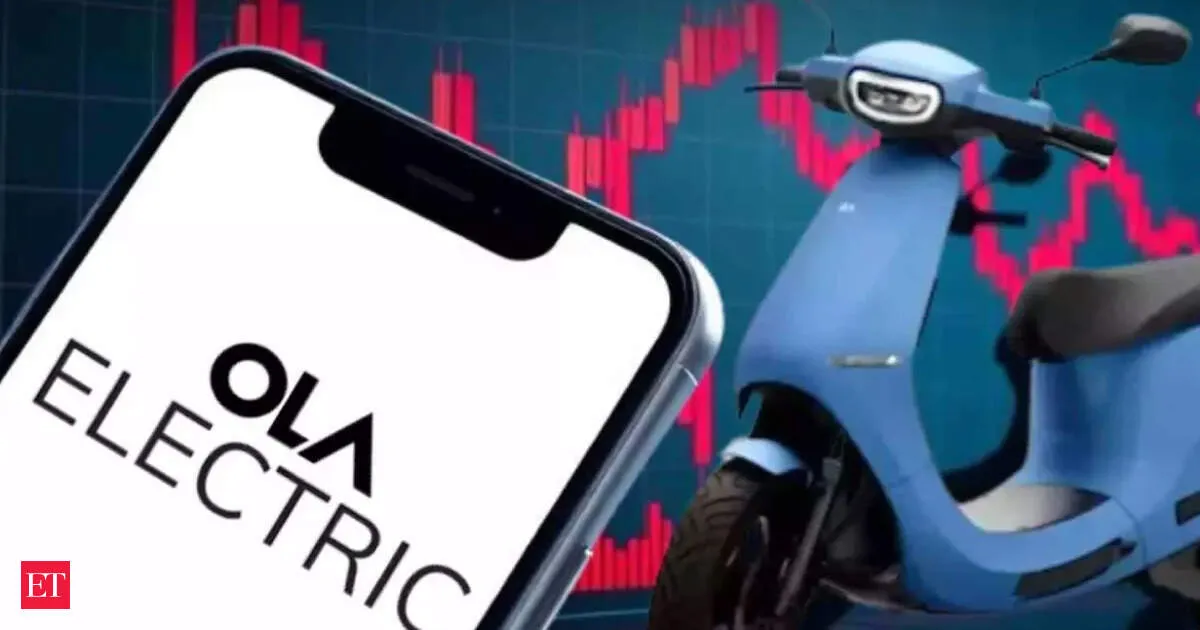
Ola Electric Mobility’s board has approved Rs 2,000 crore in investments into two wholly owned subsidiaries—Rs 1,500 crore for Ola Electric Technologies and Rs 500 crore for Ola Cell Technologies. The capital will be infused through compulsory convertible preference shares and is expected to be completed by May 14, 2027. Ola says the move will strengthen its EV ecosystem and battery manufacturing amid intensifying competition in India’s EV market and government pressure for localised cell production.
Ola Electric is reportedly in talks with global and domestic automakers to supply lithium-ion cells and battery packs. With its Krishnagiri gigafactory planned for major capacity expansion, the company aims to shift from primarily making batteries for its own vehicles to becoming a key supplier for India’s growing EV and energy-storage ecosystem.
Your news, in seconds
Get the Beige app — every story in 60 words, updated hourly. Free on iOS & Android.
SoftBank’s Vision Fund took a major hit in India during the January to March quarter, with a reported $600 million paper loss tied to declines across key portfolio names. Swiggy and Ola Electric saw sharp market value drops, outweighing gains from other investments. The move highlights fresh pressure on parts of India’s startup market even as SoftBank remains deeply invested.
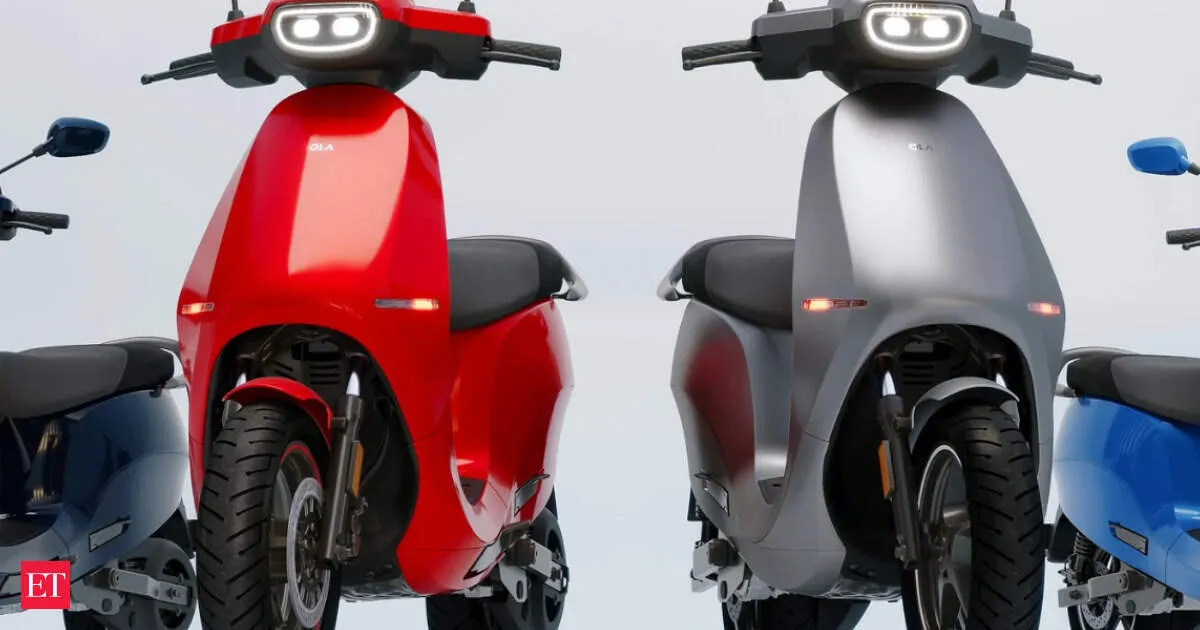
Ola Electric’s S1 X+ 5.2kWh scooter has received government approval, spotlighting its indigenously developed 4680 Bharat Cell battery. Ola says this mass market model delivers the longest range within its segment and positions the company to scale advanced EV tech beyond big cities, helping drive adoption across more of India’s consumer markets.
Ola Electric says April 2026 registrations rose 20% month-on-month, jumping from 10,133 units in March to 12,166 in April, according to VAHAN data. While the overall electric two-wheeler market fell more than 22% MoM, Ola was the only major player to grow, attributing the comeback to improved execution, stable operations, and in-house 4680 Bharat Cell efficiencies.
Electric two-wheeler registrations fell 20% month-on-month in April to 1.4 lakh units, after a 59% surge in March, according to Vahan data. While most OEMs saw double-digit declines, Ola Electric stood out with a 20% jump to 11,391 units, aided by new variants, Bharat Cell investments, and aggressive pricing. Startups struggled to gain share as competition intensified.
Never miss a story
Set alerts for the topics and sources you care about. Download Beige for free.
India’s electric two-wheeler market cooled in April with registrations down 22% to 1.48 lakh units after a March surge. While the sector broadly declined, Ola Electric bucked the trend, raising sales by 20% and improving its market share. Analysts link the slowdown to the aftershocks of FY26 growth and aggressive March buying by rivals.
Ola Electric shares have climbed more than 60% from recent lows after April registrations rose 20% month on month, lifting sentiment even as the overall EV market weakened. Still, analysts are cautious, pointing to slower-than-expected EV adoption and execution risks that could cap further upside despite the near-term positive read.
Drone maker ideaForge swung back to profit in Q4 FY26, posting ₹59.9 Cr profit after three straight quarters of losses, driven by a 6X jump in revenue and a broader defence push. Yet costs surged with material and supply-chain pressures, leaving FY26 loss-making—though losses shrank 73%. In other Inc42 updates, Kissht’s IPO saw modest Day 1 subscription, while Ola Electric faced an ICRA downgrade.
ICRA has downgraded Ola Electric Technologies, citing declining sales, persistent losses, and delayed profitability. While the company worked on improving unit economics, intensifying competition and subsidy rationalisation pressured demand and margins. Ola Electric’s electric two-wheeler market share has also fallen, with legacy players increasingly dominating the segment.
Reading on mobile?
Open Beige in the app for a smoother experience — free on iOS and Android.
Eternal, Ola Electric, BLS International, Nestle, TAC InfoSec, and Tata Investment were among the top movers on Thursday, with big swings tied to earnings updates, new contracts, and product launches. The mix of results and announcements fueled volatility across D Street as investors repositioned quickly.
Ola Electric’s post-IPO reality is diverging sharply from the upbeat picture it painted before its listing. With continued service problems and fresh debt-raising moves, founder Bhavish Aggarwal faces another lackluster quarter. The company’s strategy for stabilising operations is now under a tighter investor spotlight as expectations reset.
Indian markets extended gains for a second straight day on Tuesday, led by auto and FMCG stocks. Among the top movers were All Time Plastics, textile-linked names, Delta Corp, BlueStone, Ola Electric and Bajaj Holdings, reflecting a broad appetite for selective growth and value plays as investors tracked sector-specific catalysts.
After a five-day winning run, India’s market sentiment on Thursday turned as broad-based selling hit D-Street. Amid the pullback, several stocks bucked the trend, including Honasa Consumer and Ola Electric, along with other key movers like Anand Rathi Wealth, driving standout gains and losses across the session.
Follow your favourite sources
Track sources, tags and categories — all in the Beige app.
Indian markets finished higher on Tuesday, lifted by strength in banks, auto and metals. Lloyds Metals jumped on expansion plans, but Ola Electric and IDBI Bank fell after brokerage cuts and divestment concerns. IT stocks remained weak as investors refreshed fears of AI-led disruption, keeping sentiment cautious even with the overall index up.
Swipe through stories, personalise your feed, and save articles for later — all on the app.