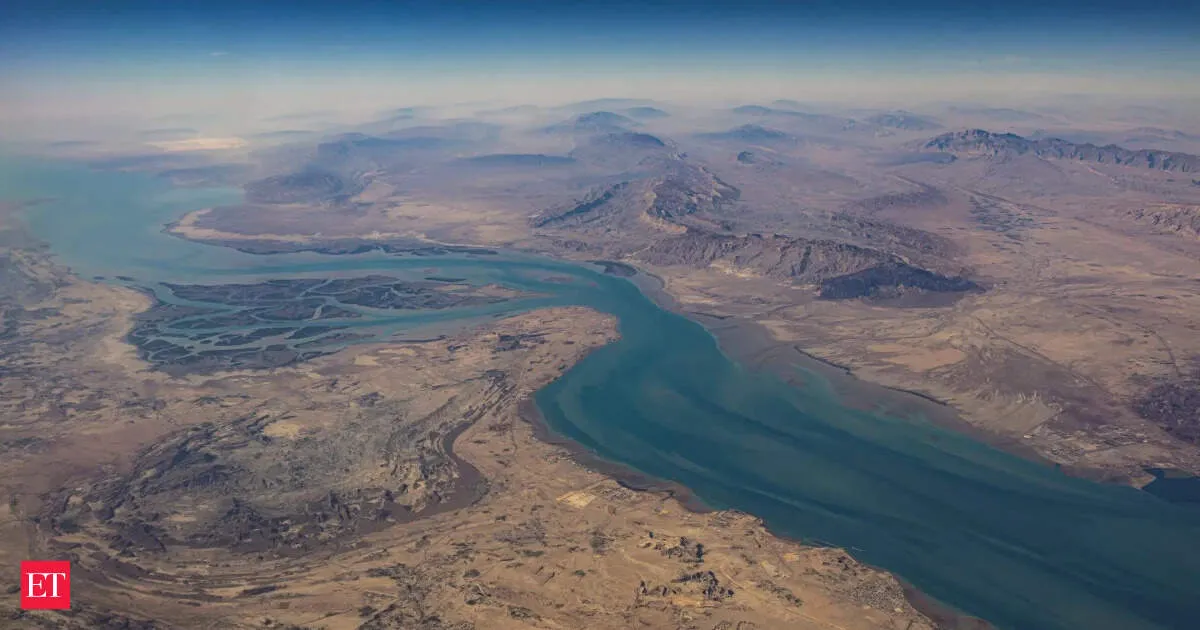
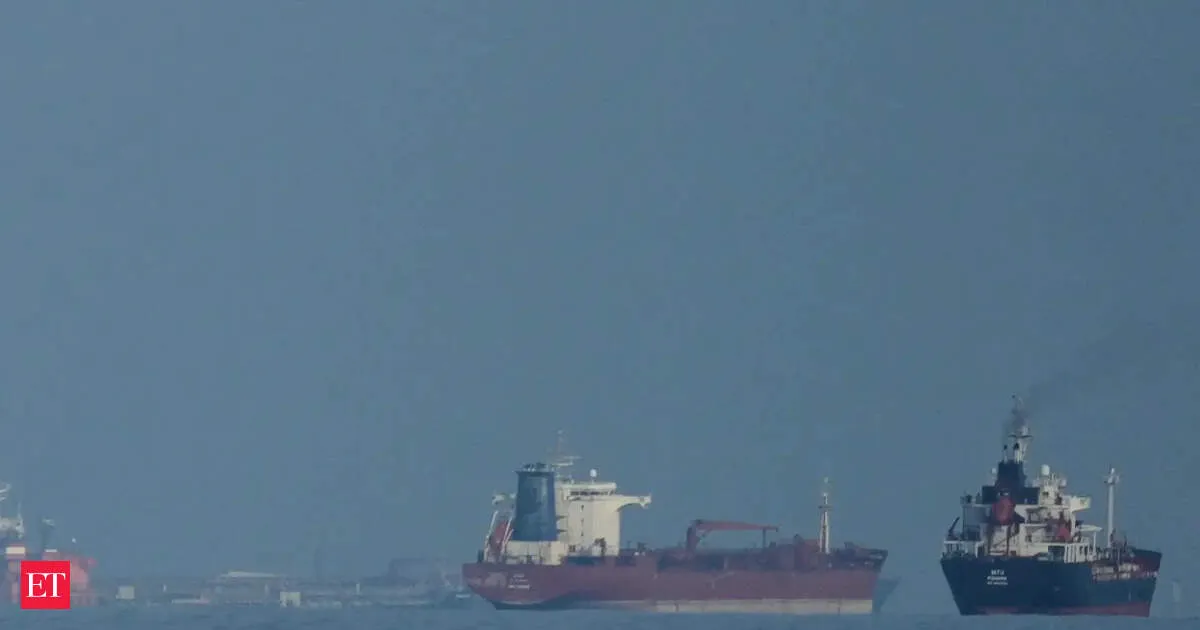
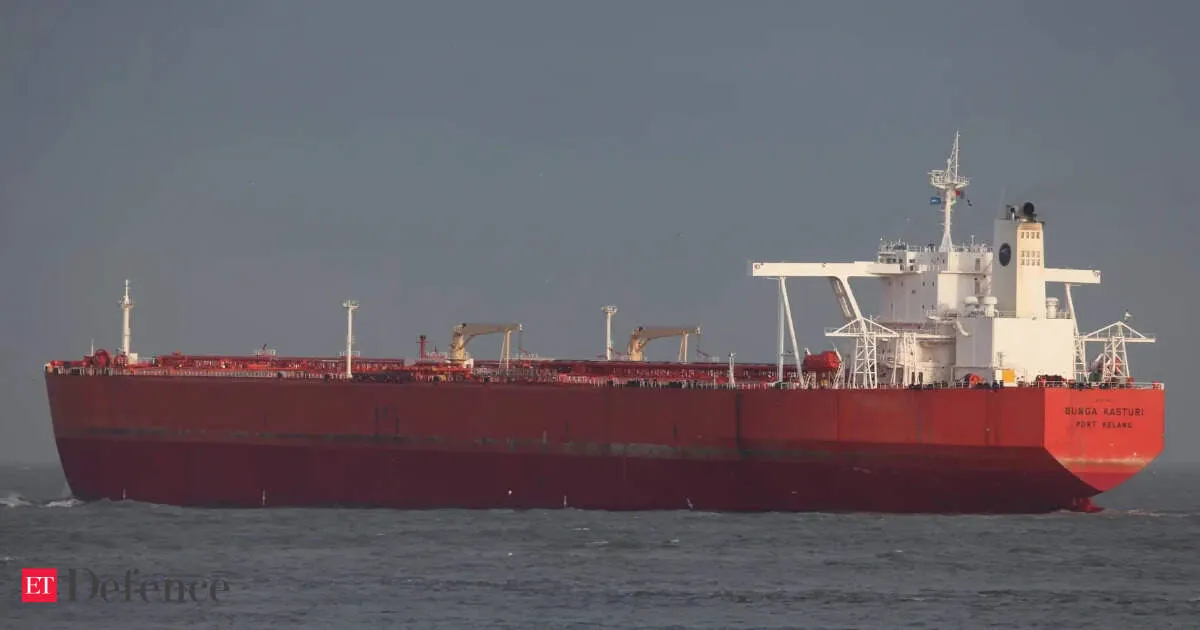
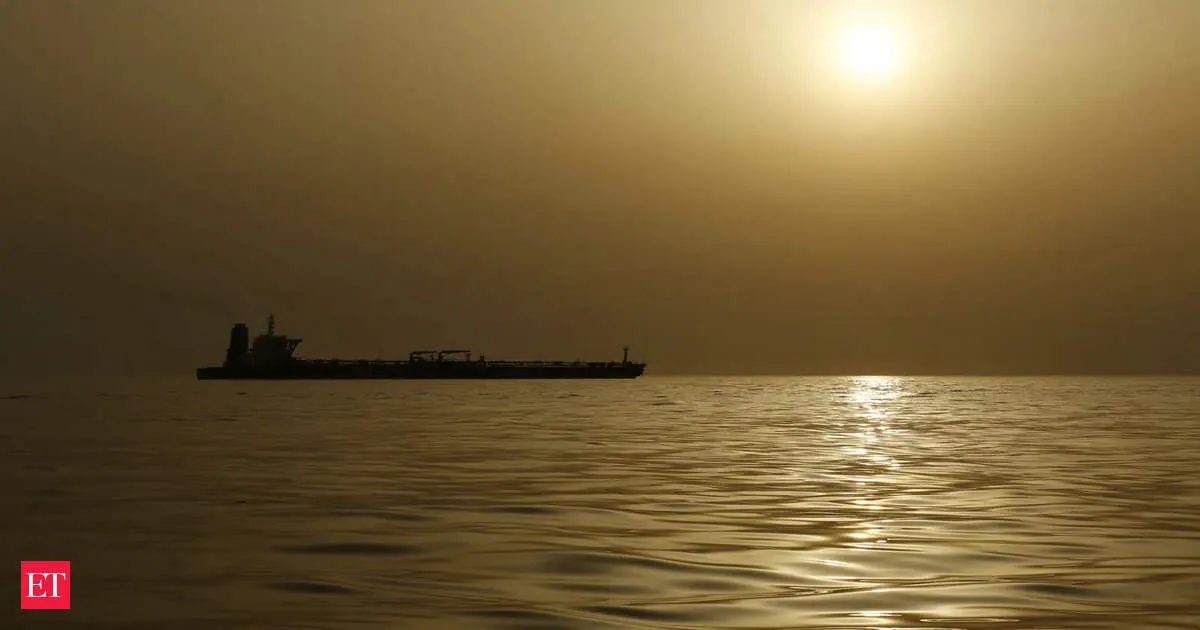
Two crude oil tankers reportedly switched off their tracking systems as they moved through the Strait of Hormuz, a tactic seen as protection for Middle East oil exports amid regional tensions. The move helps vessels reroute oil stranded in the Gulf, including one that has offloaded in Fujairah and another still carrying Iraqi crude while continuing its journey.
Oil tankers from multiple countries are continuing to transit the Strait of Hormuz even as the Iran war escalates regional risks. Vessels carrying crucial oil and gas are reaching destinations across Asia and Europe, underscoring how persistent maritime traffic helps meet global energy demand and demonstrates the resilience of key international trade routes.
Your news, in seconds
Get the Beige app — every story in 60 words, updated hourly. Free on iOS & Android.
US forces have intercepted at least three Iranian oil tankers in Asian waters near India, Malaysia, and Sri Lanka, redirecting them away from their intended routes. The move forms part of a broader US effort to pressure Iran through a maritime trade blockade. Iran, meanwhile, claims to have captured two container ships, escalating the standoff at sea.
At least two Iranian crude tankers, Hero II and Hedy, have reportedly bypassed the Persian Gulf blockade and reached the Arabian Sea. Despite US restrictions, shipping data suggests a wider fleet has moved roughly 9 million barrels. Many Iran-linked vessels continue to traverse the Strait of Hormuz, often “going dark” by switching off tracking systems to avoid detection.
Swipe through stories, personalise your feed, and save articles for later — all on the app.