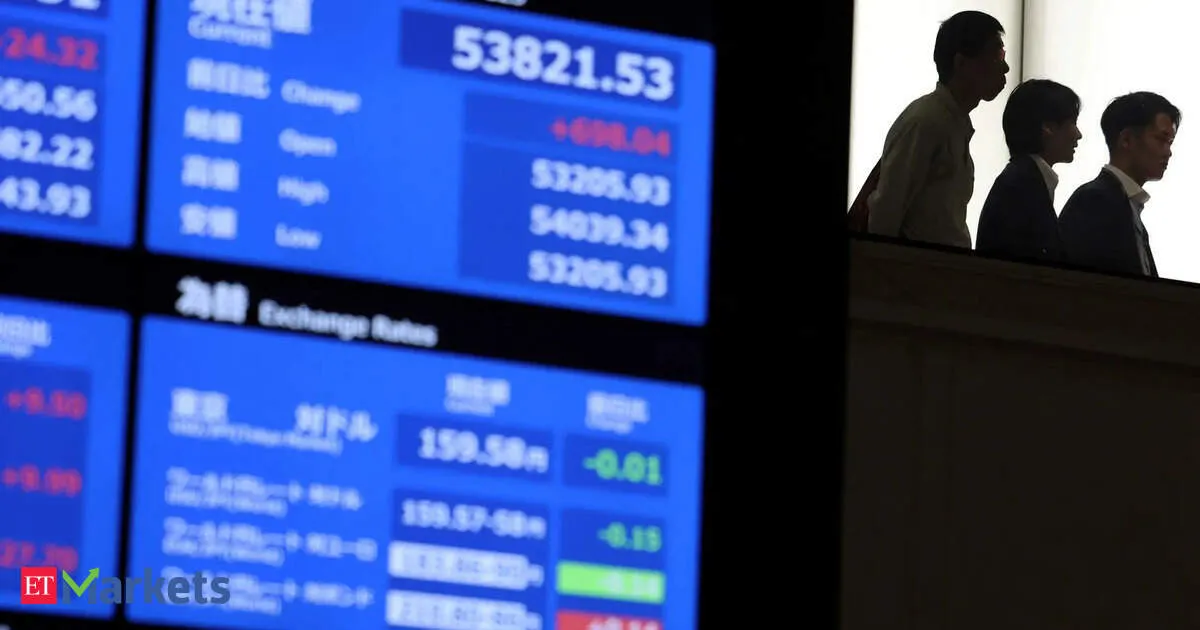
Japan’s wholesale inflation hit a nearly three-year high in April, fueled by surging energy and commodity costs tied to the Iran conflict. The corporate goods price index rose 4.9% year-on-year, beating expectations and signaling broader inflation pressure beyond imported fuel. Market pricing has intensified for a Bank of Japan move, with about a 70% chance of a rate hike at the June 15–16 meeting. Bond yields jumped to a 29-year high as the BOJ faces a tighter balancing act.
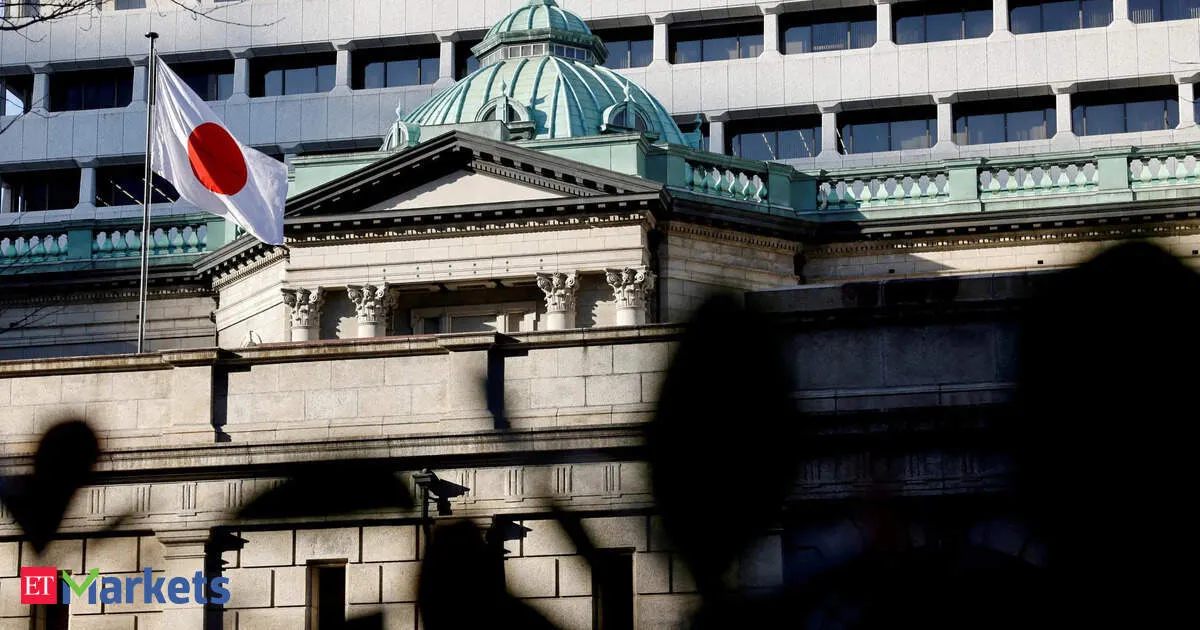
The Bank of Japan is moving toward a more hawkish stance as surging oil prices tied to the Iran conflict push inflation higher. Some policymakers are pressing for a rate hike as early as June, marking a potential shift away from Japan’s long low-interest-rate era. Markets are recalibrating expectations for tighter policy and meaningful changes ahead.
Your news, in seconds
Get the Beige app — every story in 60 words, updated hourly. Free on iOS & Android.
Asian economies are racing to manage an energy shock tied to the Iran war, as surging oil prices and supply disruptions squeeze households and businesses. Governments are using subsidies, drawing down reserves, and tightening controls, but the cost is mounting. Growth forecasts are being trimmed while inflation expectations rise, reflecting the hit from higher energy prices.
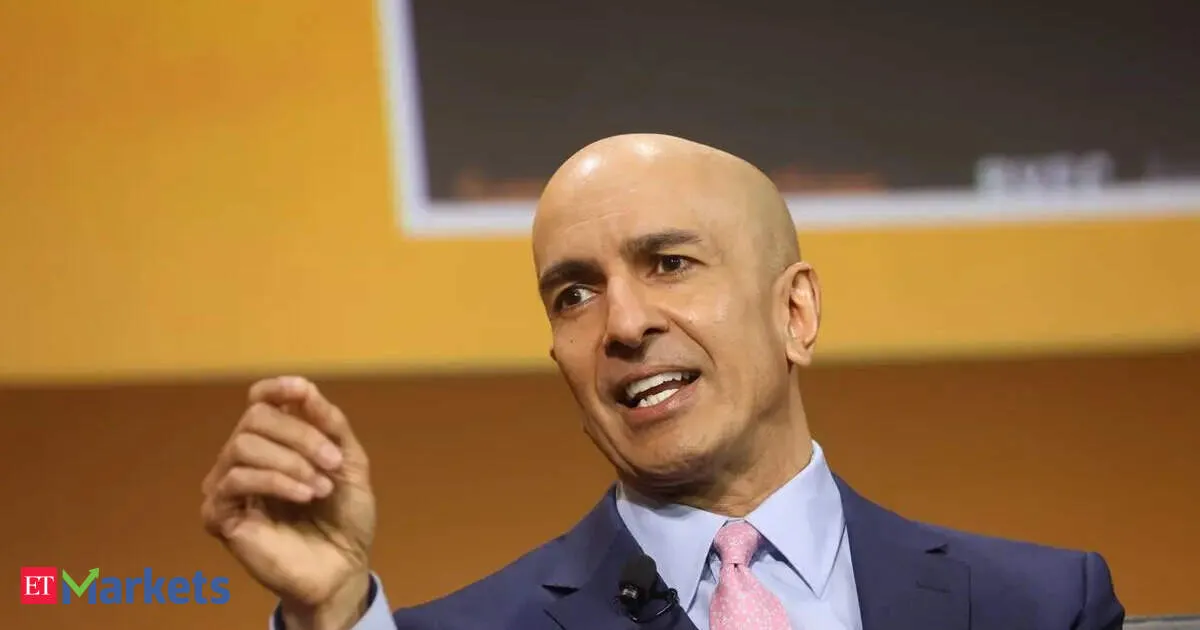
Minneapolis Fed president Neel Kashkari said the Fed should openly acknowledge the risk of additional rate hikes if the U.S.-backed conflict involving Iran changes the inflation outlook through an oil shock. In his dissent at this week’s meeting, Kashkari argued that maintaining the Federal Reserve’s 2% inflation target may require “potentially a series” of hikes depending on how prices respond.
India’s private sector activity expanded in April, with both manufacturing and services rebounding strongly, according to PMI data. The uptick came even as firms faced higher costs linked to the Middle East conflict and oil shock. Domestic demand stayed resilient, companies increased stockpiling, and employment improved, signaling confidence despite global risks.
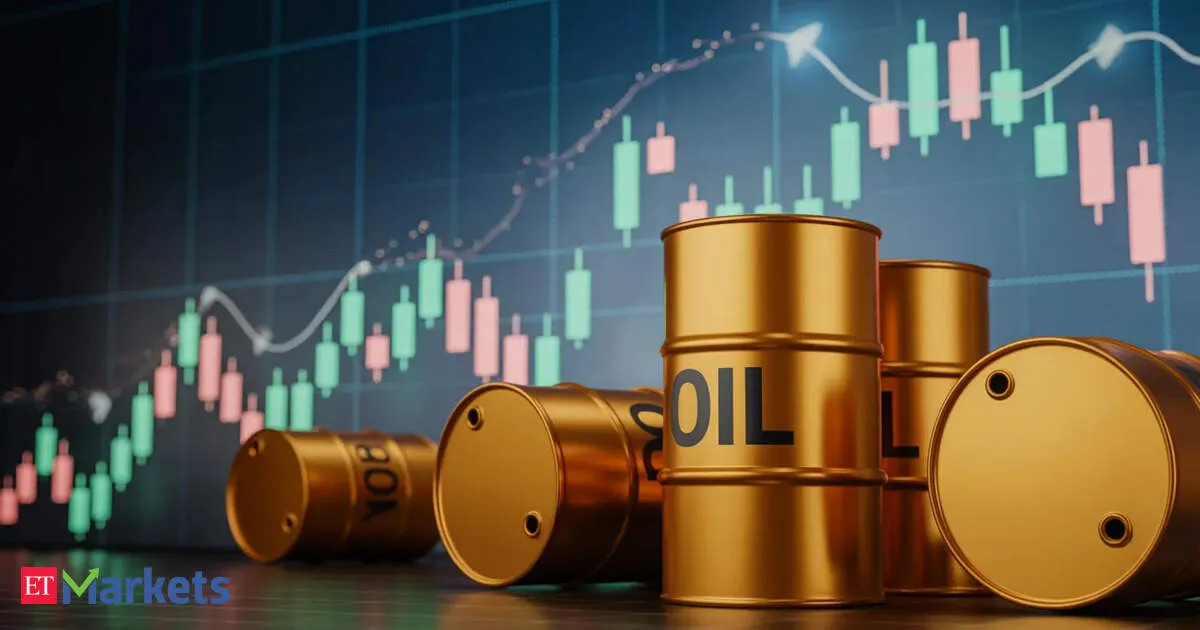
As the Iran war deepens, an oil shock is rippling through global markets. Governments are moving to energy-saving measures while nations reliant on oil imports via a troubled strait face tighter supplies. With low reserves heightening vulnerability, prices are climbing across industries, hitting low-income households hardest as daily costs jump faster than wages.
Never miss a story
Set alerts for the topics and sources you care about. Download Beige for free.
Swipe through stories, personalise your feed, and save articles for later — all on the app.