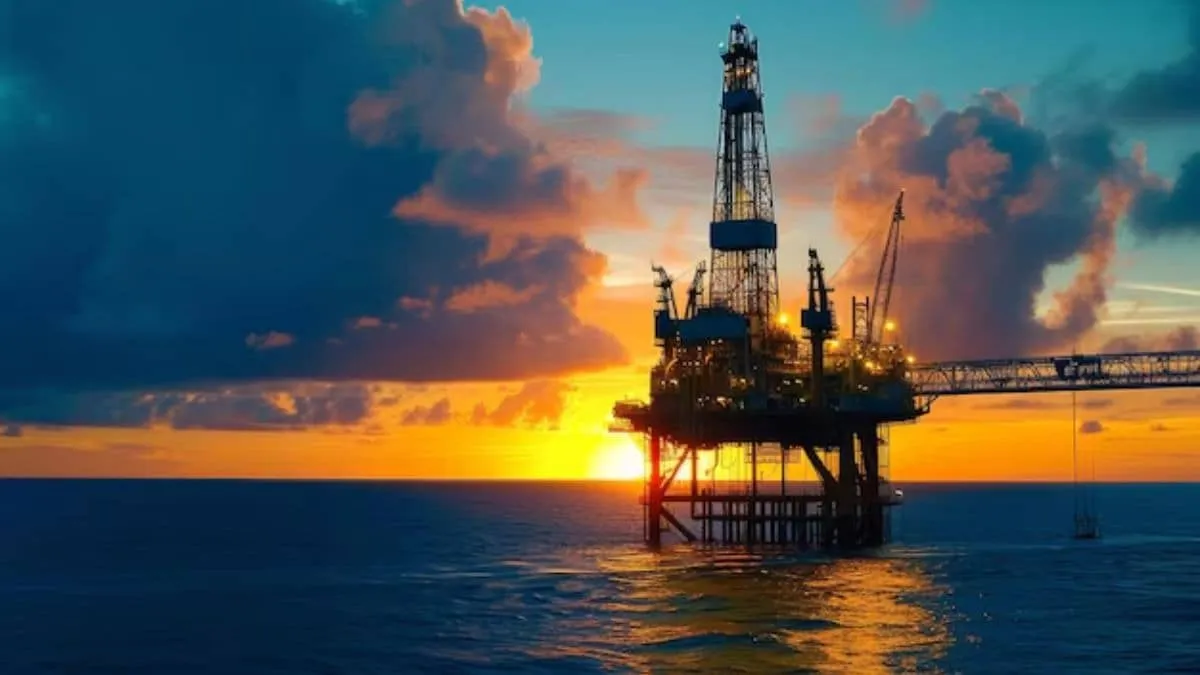
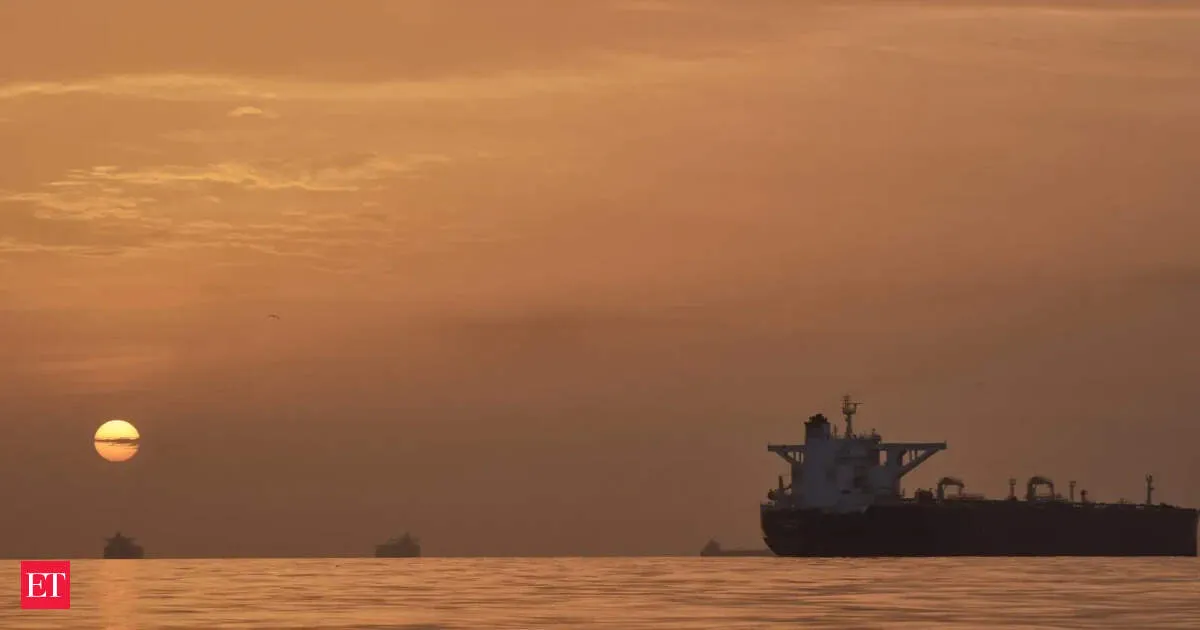
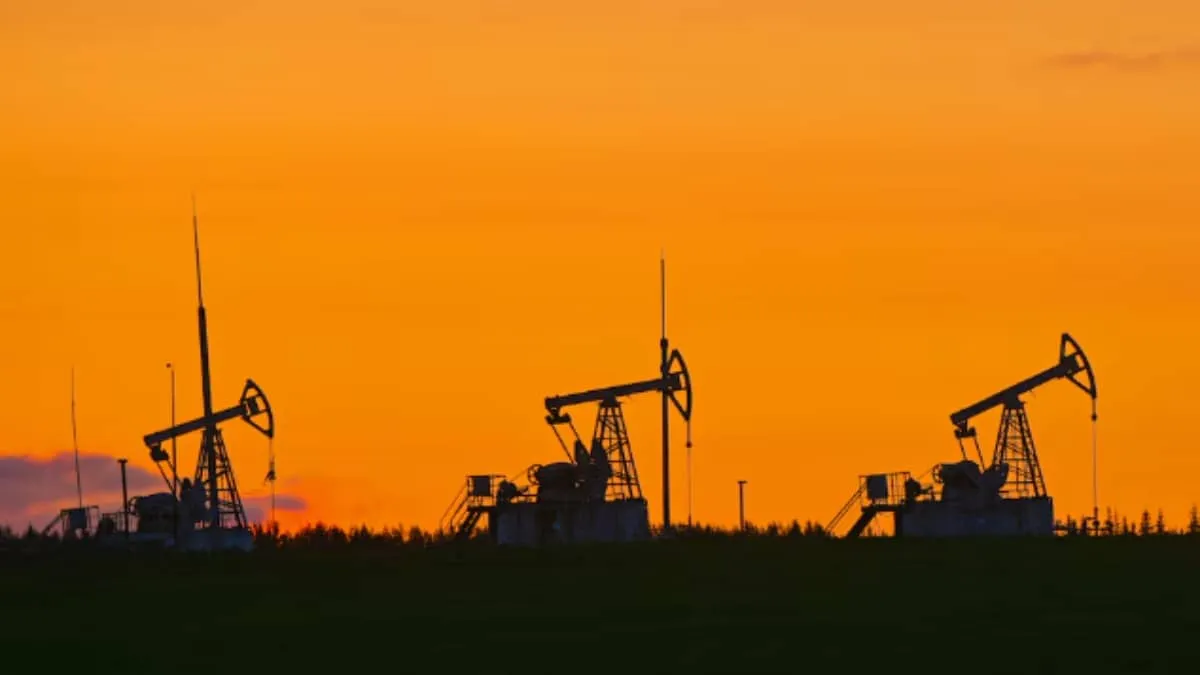
Brent crude eased to around $106.64 per barrel as OPEC+ signaled higher output of 188,000 barrels per day from June 2026. Yet India’s state-run oil marketing companies are still bleeding money, with estimated daily losses of about ₹1,000 crore as global prices stay high while domestic fuel rates remain frozen. Analysts warn a fuel hike could be next.
The US is releasing 53.3 million barrels from its Strategic Petroleum Reserve, awarding supply contracts to firms including Trafigura, Marathon Petroleum and Exxon Mobil. Trafigura received the largest portion of nearly 13 million barrels. The oil is scheduled to come out between June and August, ahead of peak US gasoline demand, amid price pressure tied to the Iran war.
Your news, in seconds
Get the Beige app — every story in 60 words, updated hourly. Free on iOS & Android.
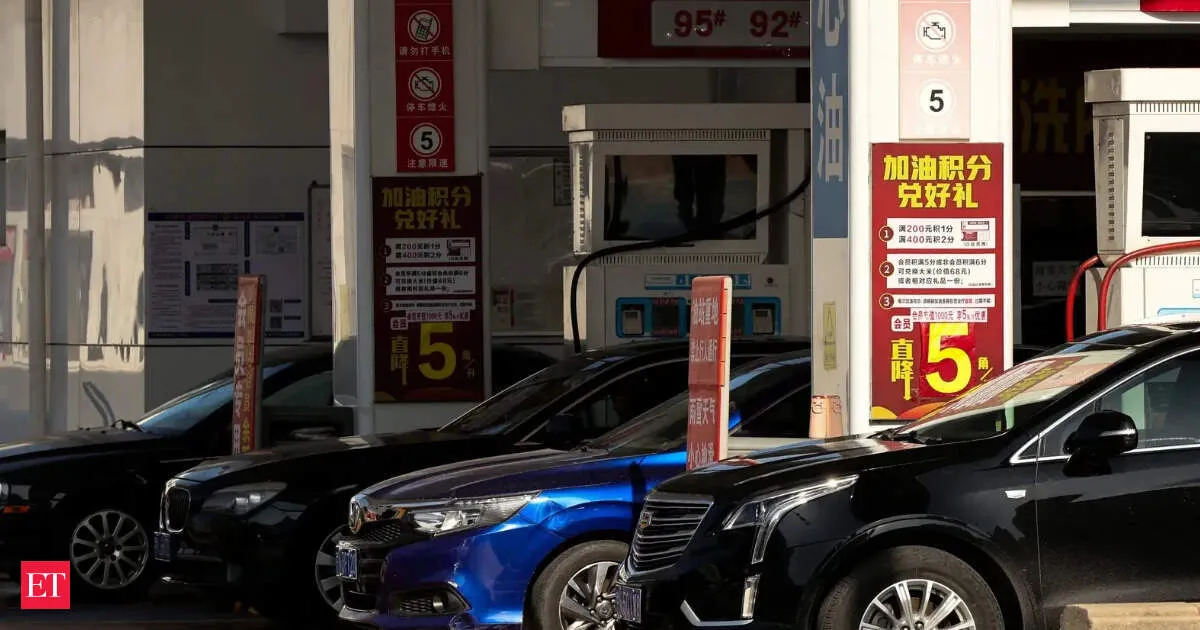
China plans to raise retail gasoline prices by 320 yuan per metric ton and diesel by 310 yuan per metric ton starting May 9. The decision comes after April’s reduction and suggests Beijing is adjusting its fuel pricing approach to deal with oil market swings. Drivers are likely to feel the increase soon at the pump.
The UAE’s decision to quit OPEC and OPEC+ has thrust long-simmering tensions with Saudi Arabia into the open, signaling a shift away from Saudi-led oil governance. Analysts say Abu Dhabi is prioritizing autonomy as the Gulf’s power balance reshapes amid the Iran war, turning an OPEC exit into a broader geopolitical rupture.
The UAE has exited OPEC and OPEC+, dealing a major blow to long-running Saudi influence over regional oil markets. Analysts frame the move as a “political rebellion,” driven by the UAE’s push for market share and an independent foreign policy toward the US, Israel and Asia. The strategy also targets monetizing oil reserves before they become stranded assets and using proceeds to fund a green transition.
UAE officials say Iran cannot be trusted over the Strait of Hormuz, citing unilateral actions and deepening mistrust. The key shipping route is at risk of a blockade, threatening global oil flows and market prices. Reports of possible new US strikes add further uncertainty as Iran vows a forceful response, while peace talks remain stuck with no near-term breakthrough.
Never miss a story
Set alerts for the topics and sources you care about. Download Beige for free.
UAE’s planned exit from OPEC is expected to have limited impact on global oil markets, industry executives say, despite the country’s meaningful production. The change is more likely to be felt politically: it could intensify rivalries across the Gulf and alter regional geopolitics, reshaping how major producers coordinate going forward.
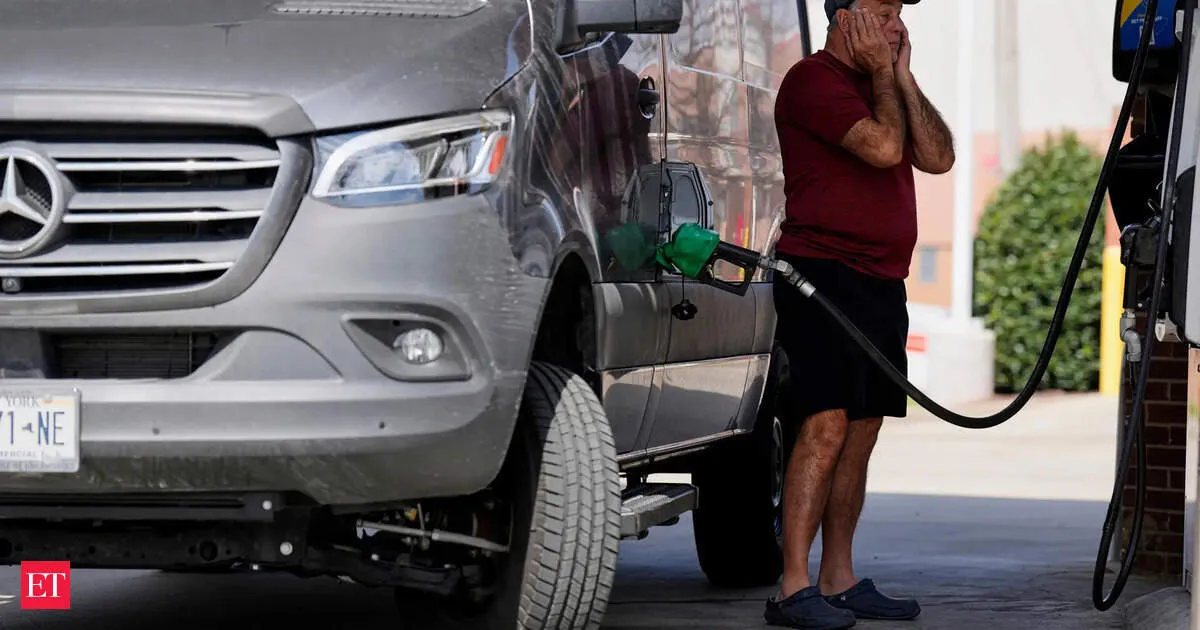
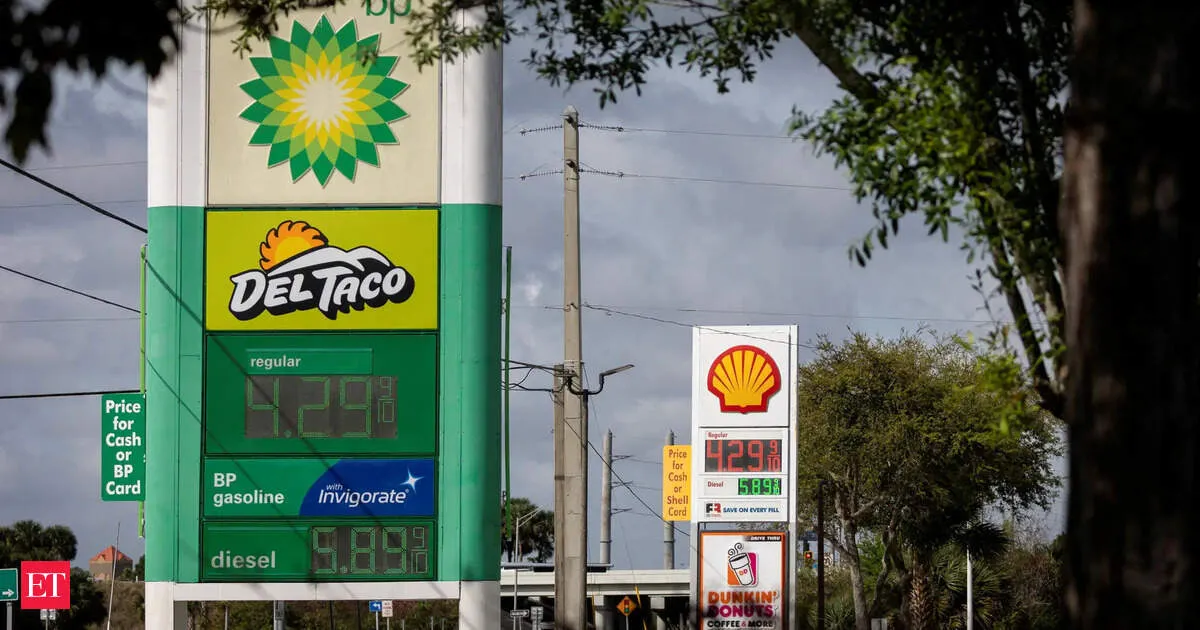
US gasoline prices are climbing fast, reaching near four-year highs as disruption fears linked to the late-February US and Israel attacks on Iran ripple through fuel markets. The national average retail price has jumped about $1.19 a gallon, roughly 40%, pushing costs higher for consumers while traders watch for further escalation and supply shocks.
UN Secretary General Antonio Guterres has urged the immediate restoration of free navigation through the Strait of Hormuz, warning that heightened tensions are already disrupting maritime movement. He stressed that uninterrupted passage through this vital chokepoint underpins global trade and energy supply chains, with major oil shipments depending on safe, open transit.
The US Navy says it is actively clearing explosive mines from the Strait of Hormuz, a lifeline for global oil shipments. Officials warn the operation could take months, and even suspected mine threats are already disrupting routes. Shipping firms and insurers are reworking risk assessments and policies as Washington moves to restore safe passage for vessels.
Reading on mobile?
Open Beige in the app for a smoother experience — free on iOS and Android.
Swiss commodities giant Vitol says the US-Iran war has already removed up to a billion barrels from global oil markets. Speaking at a summit in Lausanne, the world’s biggest independent oil trader argued the shock didn’t just disrupt supply, it effectively erased volumes from the system—tightening balances and raising uncertainty for prices and availability.
Swipe through stories, personalise your feed, and save articles for later — all on the app.